Sleep

To prevent snoring in your sleep, build a consistent bedtime routine that reduces throat-muscle relaxation, optimizes your sleep position, and manages nasal congestion before you lie down — most people see measurable improvement within a few nights of applying these changes together.
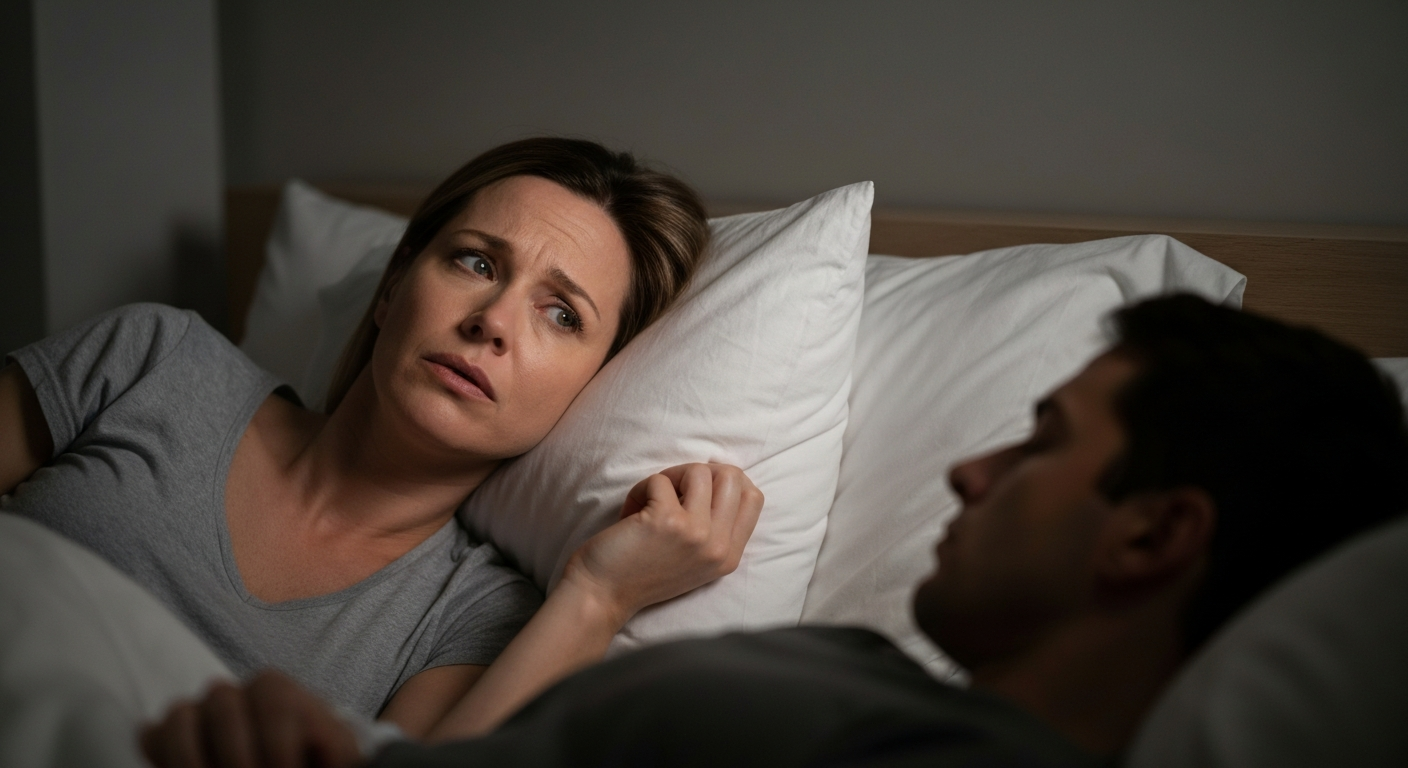
Snoring is a mechanical event: it happens when the airway narrows during sleep and incoming air causes the surrounding soft tissue to vibrate. The bedtime routine you follow shapes how much those tissues relax and how open your airway stays.
The key factors you can influence before sleep include: the amount of alcohol you consume in the evening, the position you start the night in, whether your nasal passages are clear, and whether your bedroom air is humid enough to keep throat tissues from drying out and stiffening.
"The upper airway muscles that keep the throat open during waking hours relax during sleep. The degree of this relaxation — and therefore the severity of snoring — is significantly influenced by alcohol, sleep position, and the tone of these muscles." — National Institutes of Health at nih.gov
A consistent pre-sleep routine treats snoring as a manageable nightly variable rather than an unavoidable biological fate. The following interventions each address a distinct snoring mechanism.
This is the single most impactful change most snorers can make immediately. Alcohol relaxes pharyngeal (throat) muscles beyond their normal sleep-related relaxation state. It also suppresses arousal responses, meaning you sleep more deeply through snoring events and wake less rested.
If you drink socially, shift your last drink to earlier in the evening. You'll likely notice quieter sleep within the first few nights.
Also Read: Does Drinking Make You Snore? 6 Facts & Fixes
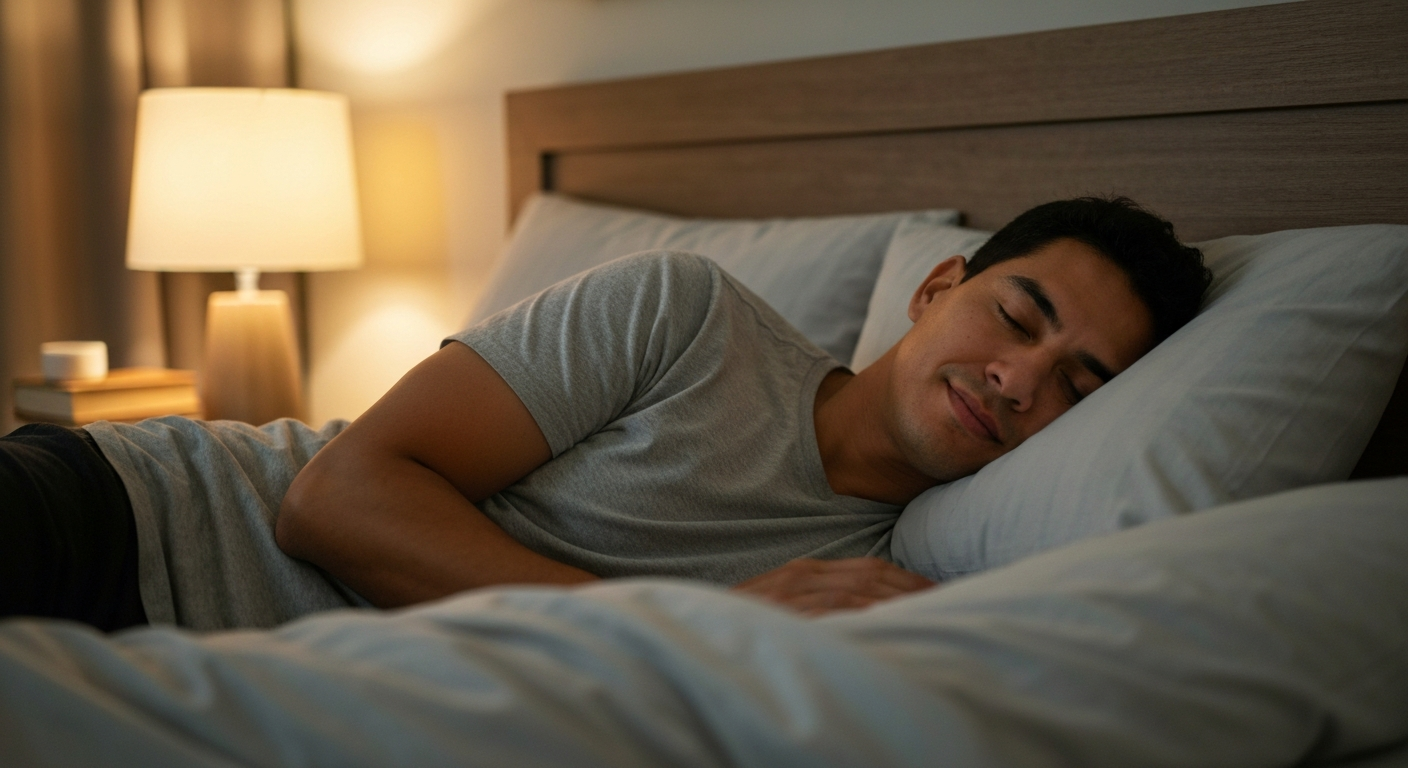
Don't leave sleep position to chance. If you know you're a back-sleeper who snores, deliberately start on your side using a supportive body pillow behind your back. The pillow acts as a barrier that makes rolling onto your back physically uncomfortable.
Elevating the head of your bed by 4 to 6 inches — or using a wedge pillow — reduces backward pressure on the throat even if you do drift onto your back during the night.
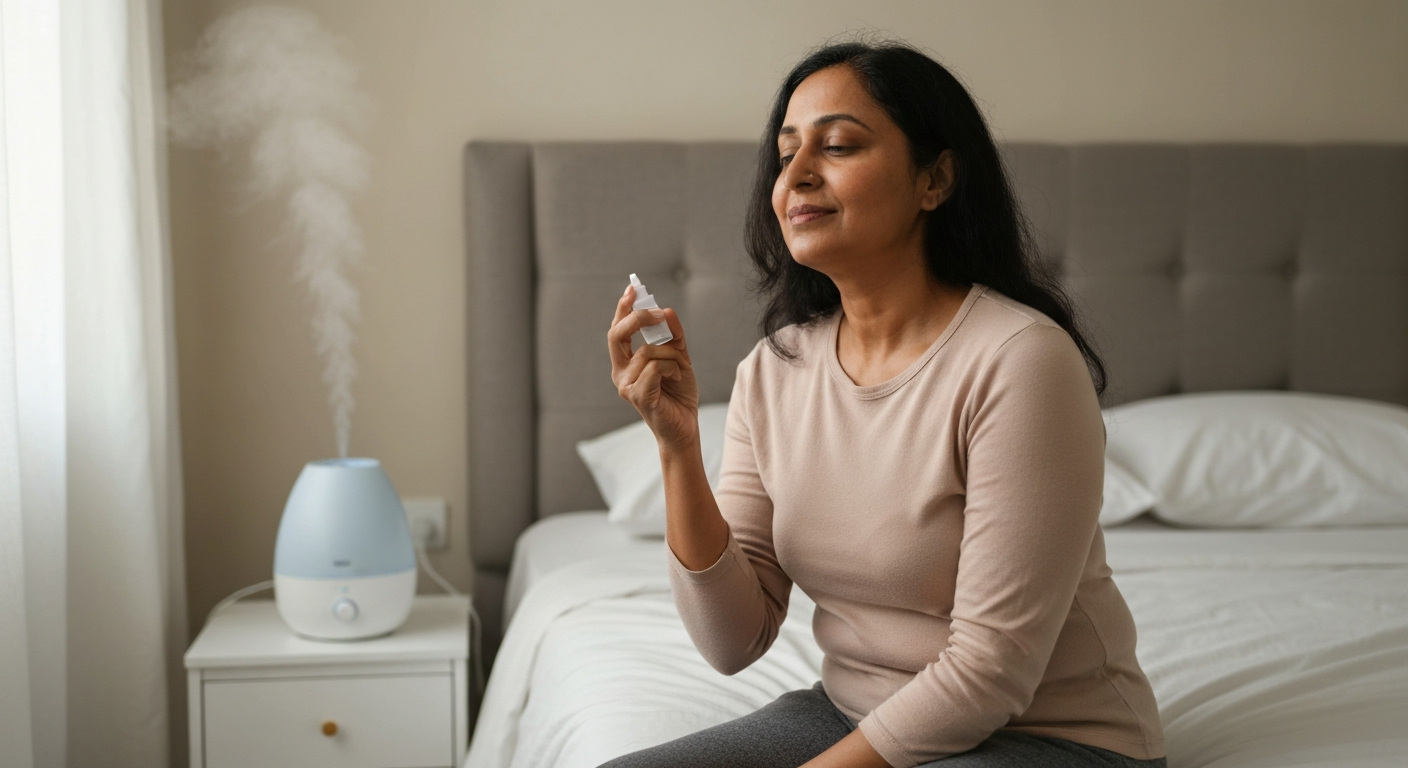
A saline nasal rinse used 15 minutes before bed removes allergens, dust, and mucus from the nasal passages. This reduces nasal resistance, making nose breathing easier throughout the night. When the nose can do its job, the mouth tends to stay closed, and throat-level tissue vibration decreases.
Over-the-counter nasal corticosteroid sprays (used regularly for several weeks) can reduce chronic nasal inflammation for allergy sufferers. Nasal strips applied before sleep physically widen the nostrils if nasal collapse is part of your snoring pattern.
Indoor air during winter heating season often drops to 20–30% relative humidity. Dry air desiccates the mucous membranes in the throat and nasal passages, causing the tissues to swell and become stickier — which makes them vibrate more easily. A cool-mist humidifier set to 40–50% relative humidity in the bedroom helps.
Also Read: Why Snoring Causes Dry Mouth: 7 Causes & How to Fix It
Position-dependent snoring — where snoring only occurs or is significantly worse on your back — accounts for roughly 50 percent of all snoring cases. Consistently sleeping on your side is the most effective long-term non-device approach.
Staying on your side requires training. Here are approaches that actually work:
Most people establish a new side-sleeping habit within 4 to 6 weeks of consistent effort.
The muscles that hold your airway open during sleep can be strengthened through daily exercises — the same way strengthening your core reduces back pain. Firmer throat muscles vibrate less even when relaxed during sleep.
Simple myofunctional exercises practiced for 8 to 10 minutes daily have been shown in clinical trials to reduce snoring frequency by 36 percent and loudness by 59 percent after 3 months. Try these each morning or evening:
Results are gradual — typically noticeable after 6 to 8 weeks — but they complement device and positional approaches well.
"Oropharyngeal exercises significantly reduced the frequency and total power of snoring. These exercises represent a viable and low-cost treatment for primary snoring." — American Journal of Respiratory and Critical Care Medicine at atsjournals.org
If consistent bedtime habits reduce but don't eliminate snoring, a mandibular advancement device is the most evidence-backed next step before seeking medical options.
A MAD holds the lower jaw slightly forward during sleep. This keeps the tongue base away from the throat wall, widens the airway, and reduces the tissue vibration that causes snoring. Clinical studies consistently show MADs reduce snoring frequency and loudness in 70 to 85 percent of users.
Self-impression MADs — like those from SnoreMeds — are molded to your own teeth at home, offering a comfortable, personalized fit for a fraction of the cost of a dentist-fabricated device.
| ✓Our Pick |
Custom-fit anti-snoring mouthpiece — SnoreMeds repositions your jaw to keep your airway open all night You'll wonder why you didn't try this sooner — practical, well-reviewed, and easy to get started. Learn More → |
Preventing snoring in your sleep starts with a nightly routine: cut alcohol three hours before bed, set up your side-sleeping position, clear nasal passages with a saline rinse, and use a humidifier in dry weather. Build in daily throat exercises for cumulative benefit over 6 to 8 weeks. If snoring persists, a custom mandibular advancement device addresses the airway directly. See a sleep doctor if snoring is accompanied by gasping, breathing pauses, or severe daytime fatigue.
Also Read: Snoring Help: 7 Proven Solutions That Actually Work
Some changes work the first night — avoiding alcohol before bed and starting the night on your side can produce immediate results. Saline rinses and humidity improvements typically show effect within two to three nights. Throat exercises take 6 to 8 weeks for meaningful results. Think of the quick fixes as the foundation and the exercises as the long-term reinforcement.
Either side is effective at reducing snoring compared to back-sleeping. Some research suggests the left side may reduce acid reflux (which can worsen snoring) slightly more than the right, but the difference is small. Whichever side allows you to maintain the position throughout the night is the better choice for you.
Consistent sleep and wake times reduce sleep debt, which matters because sleep deprivation deepens sleep and increases pharyngeal muscle relaxation. Catching up on rest through consistent scheduling can modestly reduce snoring severity over time — and it improves overall sleep quality regardless of snoring.
Regular aerobic exercise improves overall muscle tone, including in the throat and upper airway, and helps manage weight — both of which reduce snoring risk. Exercise also improves sleep quality and reduces the deep-sleep debt that worsens snoring. The benefit is indirect but real and cumulative.
Both can help depending on the cause. A dentist trained in sleep medicine can fit you with a custom mandibular advancement device. A sleep doctor can diagnose whether your snoring is primary snoring or part of obstructive sleep apnea — an important distinction that determines whether a device alone is sufficient or whether CPAP therapy is needed.
Reviewed and Updated on June 17, 2026 by George Wright