Sleep

You can help someone who snores by encouraging side sleeping, limiting alcohol before bed, introducing nasal care routines, and suggesting a mandibular advancement device — approached with empathy rather than frustration, most snorers will cooperate once they understand the health implications.
Snoring is not a choice, and framing it as laziness or inconsiderateness will shut down cooperation. Understanding what physically causes snoring — and showing that understanding — is the most effective first step.
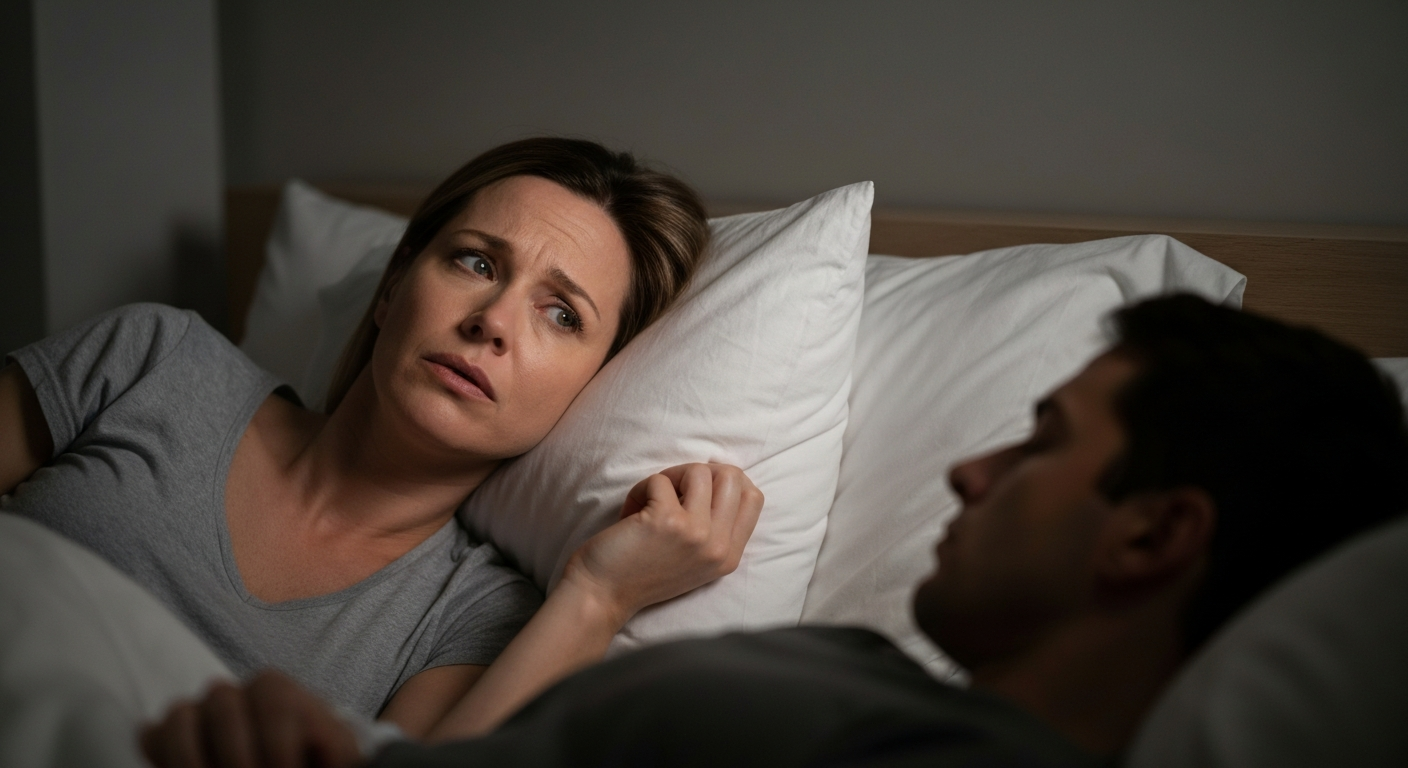
Snoring occurs when the airway narrows during sleep and surrounding soft tissue vibrates with each breath. The severity depends on throat anatomy, sleep position, body weight, alcohol intake, and nasal health. The snorer is almost always asleep when it happens and genuinely cannot feel it or control it without deliberate intervention during waking hours.
Most snorers underestimate how loud their snoring is and how significantly it affects the people around them. A gentle, non-accusatory conversation — ideally not at 3 a.m. during an episode — is the starting point.
"Snoring affects not only the snorer's sleep quality but has significant impacts on sleep satisfaction and daytime functioning for bed partners. Bed partner involvement in treatment decisions consistently improves outcomes." — Journal of Clinical Sleep Medicine at aasm.org
The most productive conversation about snoring happens during the day, is framed around health concern rather than inconvenience, and ends with a shared next step — not a demand.
Here is what tends to work:
What doesn't work: complaining at night during a snoring episode, exaggerating ("you sound like a freight train"), or issuing ultimatums. These create defensiveness and reduce the chance of cooperation.
Also Read: Wife Suddenly Started Snoring? 7 Causes & Fixes
The most effective snoring interventions require waking-hours behavior change, which means the snorer needs to be motivated. Your role is to make these changes as easy as possible to implement.
This is the most impactful immediate change and requires no device or expense. Offer to place a body pillow along their side of the bed to prevent rolling onto the back. If they're reluctant, suggest trying it for just one week. Many people notice their partner's snoring reduces significantly within days.
If you share evenings, you can structure alcohol into earlier parts of the evening together. Having the last drink at 8 p.m. rather than 10 p.m. means the throat muscles have more time to metabolize the alcohol before sleep. Framing this as a household routine rather than a rule imposed on one person reduces friction.
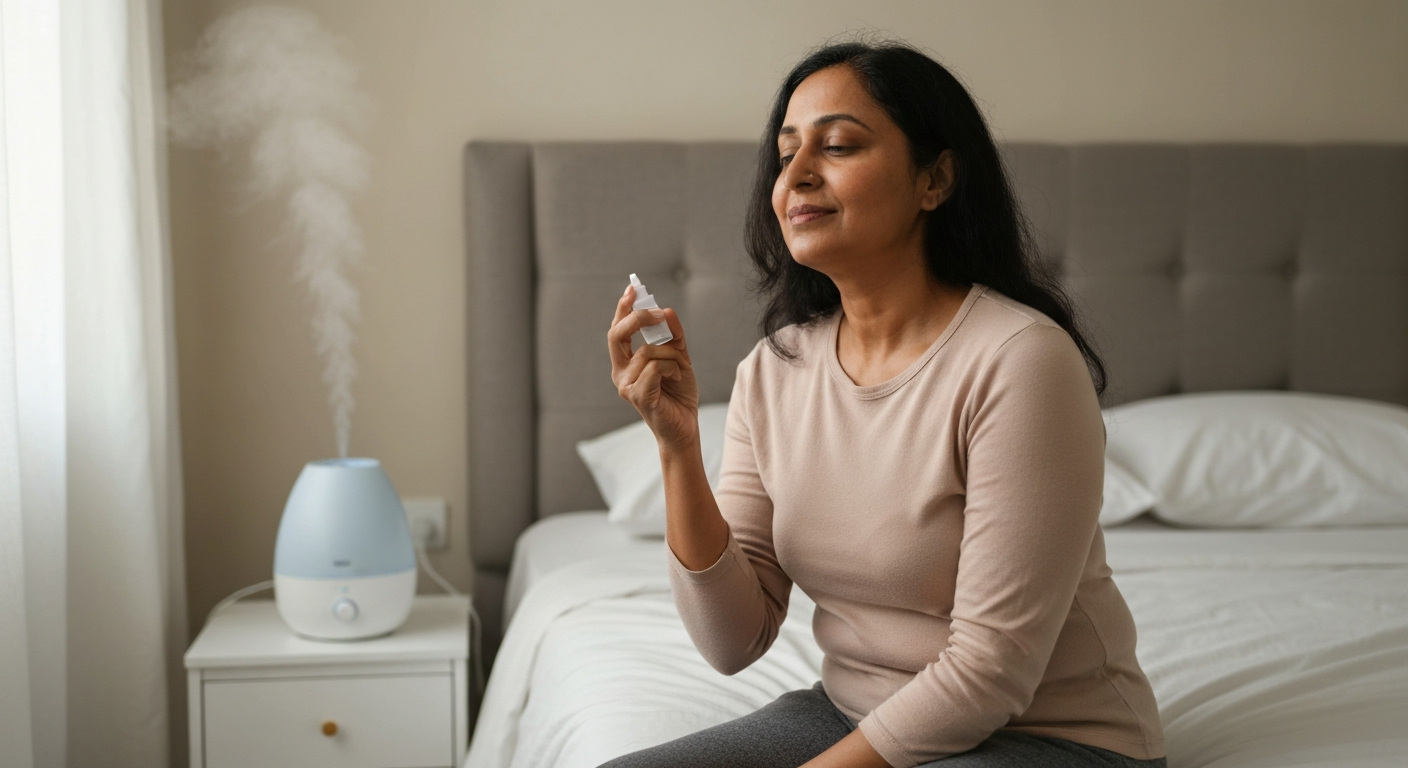
Leave a nasal saline spray and nasal strips on their side of the bathroom counter. Making the routine physically easy — the product is already there — increases follow-through. Nasal strips applied before bed widen the nostrils, reducing nasal resistance and making nose breathing easier throughout the night.
Running a cool-mist humidifier at 40–50% relative humidity reduces throat-tissue dryness. Dry air worsens snoring by desiccating mucous membranes, making them stickier and more prone to vibration. This change benefits both of you and requires no behavioral change from the snorer beyond accepting the appliance.
Also Read: Snoring Help: 7 Proven Solutions That Actually Work
If behavioral changes reduce but do not eliminate snoring, a mandibular advancement device is the most well-evidenced non-prescription recommendation you can make.
A MAD holds the lower jaw gently forward during sleep, keeping the tongue away from the throat and widening the airway. Clinical trials show MADs reduce snoring frequency and loudness by 50 to 75 percent in most users. They are worn comfortably, do not require electricity, and are far less intrusive than CPAP machines.
Self-impression MADs from SnoreMeds can be ordered online and molded at home, which removes the barrier of a dentist appointment. If the snorer is reluctant, purchasing the device as a gift and doing the process together often makes adoption easier.
| ✓Our Pick |
Help your partner stop snoring — SnoreMeds custom-fit mouthpiece repositions the jaw to keep the airway open Consistently earns five-star reviews — reliable, well-supported, and genuinely effective. Learn More → |
Some snoring is a symptom of obstructive sleep apnea — a condition where the airway repeatedly closes during sleep, stopping breathing for 10 seconds or more. This requires medical evaluation, not just home remedies.
Encourage a doctor visit if the snorer:
These are classic signs of sleep apnea. A sleep study — often done at home with a take-home kit now — confirms the diagnosis, and CPAP therapy is highly effective when apnea is present.
While helping someone else work on their snoring, protecting your own sleep matters too. Earplugs, white noise machines, and temporarily different sleep schedules can reduce sleep deprivation while the snorer implements changes.
In-ear foam earplugs reduce noise by 30 to 35 decibels — enough to make most snoring tolerable. White noise machines or apps work by masking the irregular sound of snoring with consistent ambient noise, which most people find easier to sleep through than silence interrupted by loud sounds.
Helping someone with snoring means supporting behavior changes they need to make themselves — side sleeping, alcohol management, nasal care — while reducing the friction of those changes as much as possible. A mandibular advancement device is the right suggestion when behavioral changes plateau. If snoring comes with breathing pauses or gasping, advocate for a sleep study. In the meantime, protect your own sleep with earplugs or white noise while the process unfolds.
Also Read: Natural Remedies for Snoring: 8 Proven Methods That Work
Share specific observations rather than complaints — what you saw and heard, including any breathing pauses or gasping. Frame it as a health concern ("I was worried when you stopped breathing") rather than an annoyance. Snorers who understand the health stakes are significantly more motivated to seek help than those told simply that they're keeping someone awake.
Occasional light snoring in otherwise healthy people is not dangerous. Loud habitual snoring — especially with breathing pauses, gasping, or severe daytime fatigue — can indicate obstructive sleep apnea, which raises cardiovascular risk over time. Any snoring accompanied by these signs warrants a sleep medicine evaluation.
Sleep disruption caused by a partner's snoring is associated with reduced relationship satisfaction, more nighttime conflict, and increased daytime irritability for the affected partner. Addressing snoring actively — rather than tolerating it indefinitely — benefits both people. The most effective approach is collaborative rather than adversarial.
Separate sleeping arrangements reduce sleep deprivation for the non-snoring partner but may negatively affect intimacy and connection. It is a valid short-term solution while working on a longer-term fix, but most couples report preferring to share a room once effective snoring treatment is in place.
This is a difficult situation. Frame the conversation around health rather than inconvenience, offer to help research options, and suggest a single low-effort trial (like nasal strips for one week). If the person remains unwilling, protecting your own sleep with earplugs or white noise is a reasonable path while you decide whether the issue is worth escalating.
Reviewed and Updated on June 17, 2026 by George Wright