Health
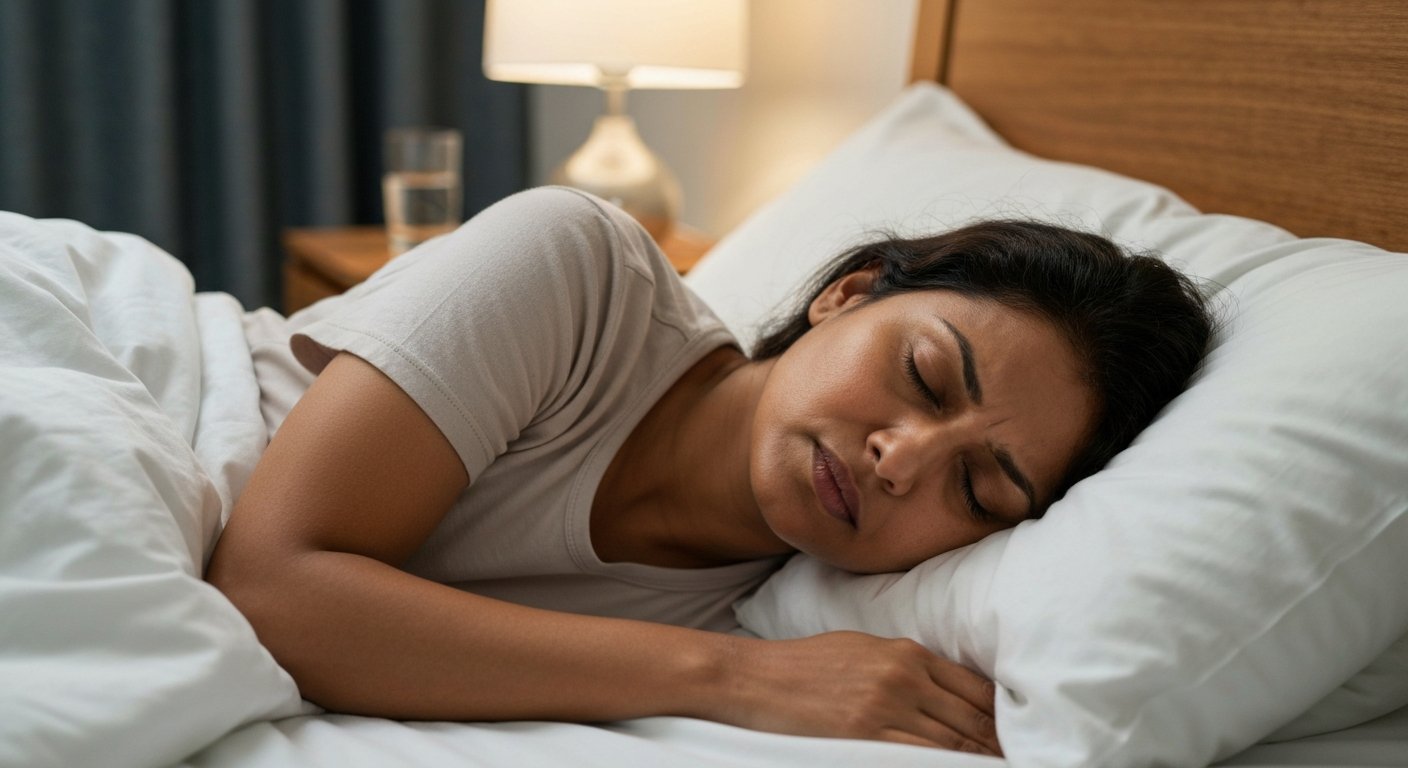

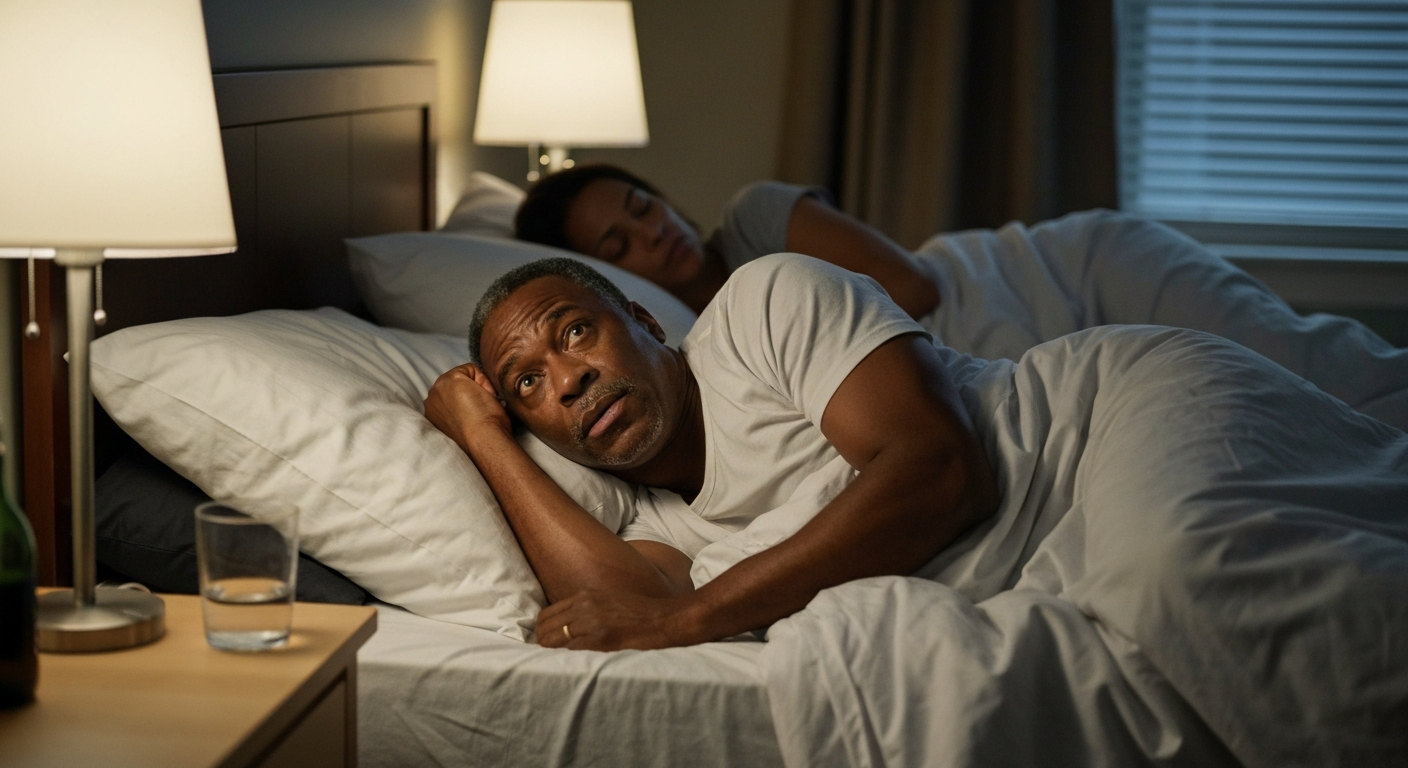
Yes, you can absolutely snore with your mouth closed — and roughly 20% of snorers do. Closed-mouth snoring happens when air vibrates soft tissues inside your nasal passages, soft palate, or throat rather than rattling through an open mouth. If you snore through your nose with your mouth shut, the blockage is typically deeper in your airway, which can actually signal a more stubborn type of snoring to treat. Understanding why this happens is the first step toward quieter nights.
The "open-mouth snorer" is the stereotype because it's the most visible and audible type — but it represents only part of the picture.
When someone sleeps with their mouth hanging open, air rushes over the tongue and soft palate, causing that classic rattling sound. This image dominates popular culture, so many people assume a closed mouth eliminates the possibility of snoring entirely. They're surprised when a partner records them snoring while their lips stay sealed.
The reality is that snoring is simply the sound of turbulent airflow vibrating soft tissue — and that can happen anywhere along the airway. Your nasal passages, turbinates, septum, soft palate, uvula, and throat walls can all vibrate independently of whether your mouth is open or closed.
"Snoring occurs when air flows past relaxed tissues in your throat, causing the tissues to vibrate as you breathe." — Mayo Clinic Staff at Mayo Clinic
If you snore even with your mouth shut, it means the vibration is happening somewhere between your nostrils and your throat — not at the mouth opening itself.
Closed-mouth snoring originates from nasal obstruction, soft palate collapse, or narrowing deeper in the throat — not the tongue blocking the airway as in open-mouth snoring.
Several anatomical and lifestyle factors contribute to snoring through your nose with your mouth closed:
Yes. When your nasal passages are partially blocked — from allergies, a cold, or chronic sinusitis — air squeezes through a narrower opening. This faster, more turbulent airflow vibrates the nasal tissues and creates snoring even though your mouth stays shut. People with year-round allergies often notice they snore with their mouth closed during high pollen seasons or in dusty environments.
A deviated septum (a crooked wall between your nostrils) narrows one or both nasal passages permanently. About 80% of people have some degree of septal deviation, but severe cases force air through a constricted channel, producing snoring sounds even with proper mouth closure.
Turbinates are bony structures lined with mucous membranes inside your nose. When they swell from allergies, infections, or irritants, they block airflow and cause that characteristic closed-mouth snore. This is one of the most common reasons why someone snores with their mouth shut despite no obvious external symptoms.
Back sleeping allows gravity to pull the soft palate and uvula backward toward the throat, partially obstructing the airway. Even with your mouth closed, this tissue collapse creates vibrations. Side sleeping often reduces closed-mouth snoring because it keeps these structures from falling into the airway.
Nasal polyps are soft, painless growths in the sinuses or nasal passages. They obstruct airflow mechanically, forcing air through smaller openings and creating turbulence that causes snoring — all while your mouth remains closed.
| ✓Our Pick |
Custom-fit anti-snoring mouthpiece — repositions your jaw to open the airway Great value for money — this product tackles the root cause rather than just masking the symptoms. Learn More → |
Also Read: Snoring With Mouth Closed: 4 Causes & How to Stop It
The location of the obstruction — and therefore the most effective treatment — changes depending on whether you snore with your mouth open or closed.
| Feature | Closed-Mouth Snoring | Open-Mouth Snoring |
|---|---|---|
| Primary vibration source | Nasal passages, soft palate, throat walls | Tongue base, soft palate, uvula |
| Main causes | Nasal congestion, deviated septum, turbinate swelling, polyps | Tongue falling back, weak throat muscles, mouth breathing habit |
| Sound quality | Often quieter, more "nasal" or whistling | Louder, guttural, rattling |
| Typical treatment | Nasal strips, decongestants, allergy management, CPAP | Mouth tape, tongue-retaining devices, MAD mouthpieces |
| Sleep apnea risk | Can indicate deeper airway collapse | Often associated with obstructive apnea |
Understanding which type you have helps you target the right fix. If your partner says you snore with your mouth shut, nasal interventions should be your first line of treatment rather than chin straps or mouth tape — which would only make the problem worse by forcing air through already-congested nasal passages.
Yes, you can snore and dream simultaneously — snoring typically happens during lighter sleep stages, while dreaming occurs during REM sleep, and both can overlap.
This surprises many people because they assume snoring would wake them up or prevent deep sleep. Here's how the sleep stages actually work:
During non-REM sleep (stages 1–3), your throat muscles gradually relax. This is when snoring most commonly begins. Stage 2 light sleep is particularly prone to snoring because muscle relaxation has started but you haven't yet reached the deeper restorative stages.
REM sleep (rapid eye movement) is when vivid dreaming happens. During REM, most skeletal muscles become temporarily paralyzed to prevent you from acting out dreams — but the muscles controlling breathing continue working. The soft tissues in your throat can still vibrate, meaning you can snore right through a dream without waking up.
In 2026 research from sleep laboratories, polysomnography studies show that snoring episodes can occur across all sleep stages, including REM. However, snoring tends to be loudest and most frequent during non-REM stages 2 and 3.
"During REM sleep, the muscles that keep the upper airway open are more relaxed, which can worsen airway obstruction in people prone to snoring or sleep apnea." — Dr. Charlene Gamaldo at Johns Hopkins Medicine
So if you're wondering whether that vivid dream about flying happened while you were also sawing logs — yes, it's entirely possible.
Also Read: Sleep Apnea vs Snoring: Key Differences & When to Worry
Recording yourself or asking a partner to observe your sleep position reveals whether your snoring is nasal-based or mouth-based.
If you sleep alone, smartphone apps like SnoreLab or Sleep Cycle can record nighttime audio and flag snoring episodes. Many people discover they snore with their mouth closed only after reviewing these recordings.
Here's a simple at-home test:
For persistent snoring — especially if accompanied by gasping, choking, or daytime fatigue — a sleep study (polysomnography) provides definitive answers. This test monitors your breathing patterns, oxygen levels, and sleep stages throughout the night to identify exactly where obstructions occur.
Nasal-focused treatments are most effective for closed-mouth snorers, while mandibular advancement devices help those with mixed or throat-based snoring.
External nasal strips (like Breathe Right) physically pull the nostrils open, increasing airflow. They work best for mild nasal congestion or narrow nasal passages. Studies show they reduce snoring frequency by 30–40% in nasal snorers, though they're less effective for severe structural issues like a deviated septum.
If allergies cause your nasal congestion, treating the underlying inflammation often eliminates snoring entirely. Antihistamines, nasal corticosteroid sprays (like Flonase), and HEPA air filters in the bedroom reduce allergen exposure and keep nasal passages open.
Dry air thickens nasal mucus and irritates nasal tissues, worsening congestion. Running a humidifier in your bedroom (keeping humidity between 40–50%) helps nasal passages stay moist and open. This is particularly helpful in winter or in homes with forced-air heating.
Structural problems like a severely deviated septum, large turbinates, or nasal polyps may require surgical correction. Septoplasty (straightening the septum), turbinate reduction, and polypectomy are outpatient procedures with high success rates for eliminating chronic nasal obstruction and the snoring it causes.
Mandibular advancement devices (MADs) reposition the lower jaw forward, opening the airway behind the tongue. While these devices are typically marketed toward open-mouth snorers, they can also help closed-mouth snorers whose soft palate or throat walls collapse during sleep. If nasal treatments alone don't solve the problem, a custom-fitted MAD may address the deeper obstruction.
Also Read: Help With Snoring: 9 Natural Fixes & When to See a Doctor
Snoring with your mouth closed can indicate obstructive sleep apnea if accompanied by breathing pauses, gasping, or excessive daytime sleepiness.
Not all snoring is harmless. Sleep apnea occurs when the airway repeatedly collapses during sleep, cutting off airflow for 10 seconds or longer. This triggers brief awakenings (often unremembered) and drops blood oxygen levels.
Warning signs that closed-mouth snoring may be sleep apnea:
If you experience any of these alongside closed-mouth snoring, see a doctor. Untreated sleep apnea increases risk of heart attack, stroke, type 2 diabetes, and accidents from daytime drowsiness.
Also Read: Is Snoring Normal? When to Worry & When to Relax
Closed-mouth snoring is real, common, and treatable — it happens when air vibrates nasal tissues, the soft palate, or throat walls rather than passing through an open mouth. The main causes include nasal congestion, deviated septum, enlarged turbinates, and sleeping position. Nasal-focused treatments like strips, allergy management, and humidifiers work best for this type of snorer. If your closed-mouth snoring comes with breathing pauses or daytime exhaustion, get evaluated for sleep apnea — the obstruction may be deeper than just your nose.
You snore with your mouth closed because the obstruction happens inside your nasal passages or deeper in your throat, not at your mouth. Nasal congestion, a deviated septum, enlarged turbinates, or soft palate collapse can all cause vibrations that create snoring sounds without your mouth ever opening. The air has to go somewhere, and if the nasal route is partially blocked, it becomes turbulent and noisy.
Yes, snoring and dreaming can happen simultaneously. Snoring occurs across all sleep stages, including REM sleep when vivid dreams happen. Your breathing muscles continue working during REM even though most other muscles are temporarily paralyzed. Sleep lab studies confirm that people regularly snore during dream-filled REM periods without waking up.
Closed-mouth snoring isn't necessarily worse, but it can be harder to treat because the blockage is internal. Mouth tape and chin straps — common remedies for open-mouth snoring — won't help and may make things worse. Nasal snoring can also indicate deeper airway issues that need professional evaluation, especially if standard nasal remedies don't work.
Mandibular advancement devices can help some closed-mouth snorers, particularly those whose snoring involves soft palate or throat collapse rather than pure nasal congestion. If nasal strips, decongestants, and allergy treatment don't resolve your snoring, a MAD that repositions your jaw may address the obstruction happening deeper in your airway.
See a doctor if your closed-mouth snoring is accompanied by breathing pauses, gasping awake, morning headaches, or severe daytime fatigue — these suggest possible sleep apnea. Also consult a physician if over-the-counter remedies like nasal strips and allergy medications haven't helped after 2–3 weeks, as you may have structural issues like a deviated septum or nasal polyps that require medical treatment.
Reviewed and Updated on June 14, 2026 by George Wright