
Cooking
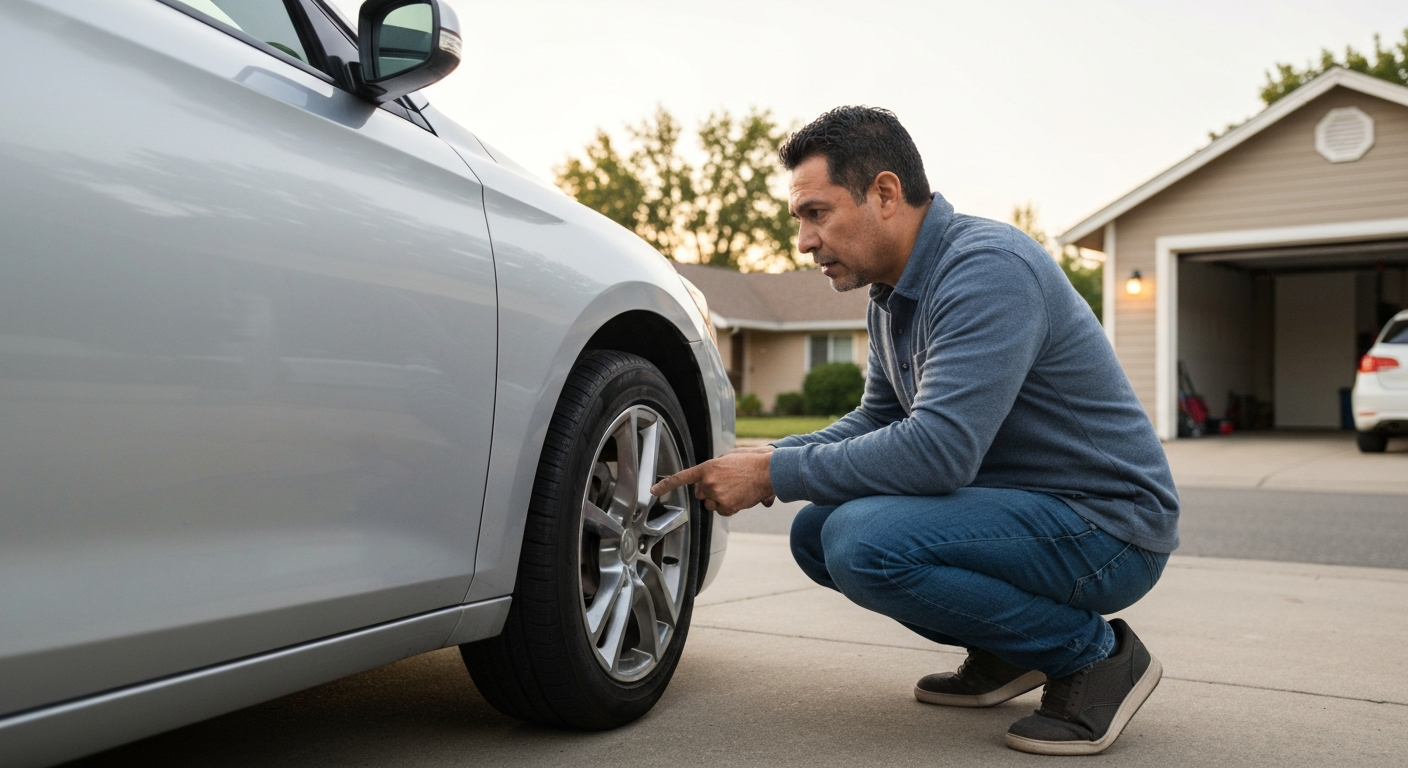

Your wheel is squeaking because of friction between metal components that have lost lubrication, worn brake pads contacting the rotor, or a foreign object caught between moving parts. The most common culprits are brake wear indicators designed to squeal when pads need replacing, dried-out wheel bearings, or a small stone lodged near the brake assembly. The good news: most tire squeaking when you drive has a straightforward fix once you identify which component is causing the noise.
Squeaking happens when two surfaces rub together without enough lubrication or cushioning to dampen the vibration, creating an audible high-pitched sound.
Your wheel assembly contains dozens of metal-to-metal contact points: brake pads against rotors, wheel bearings spinning inside housings, CV joints transferring power, and suspension components absorbing road impacts. When any of these contact points loses its protective layer of grease, fluid, or friction material, the resulting vibration produces that unmistakable squeal.
The pitch and pattern of your wheel squeak tells you a lot about its source. A constant squeal that stops when you brake usually points to the wear indicator on your brake pads. A rhythmic squeak that speeds up with the wheel rotation suggests something caught in the brake assembly. A grinding squeak that gets worse over time often indicates a failing wheel bearing.
Brake pads have a built-in metal tab designed to contact the rotor and create a warning squeal when the friction material wears thin—this is the most common cause of wheel squeaking.
Manufacturers install these wear indicators as a safety feature. When your brake pad material drops below about 3mm thickness, the metal tab touches the spinning rotor and produces a high-pitched squeal. The sound typically occurs when you're driving without pressing the brakes, and it often stops momentarily when you apply the brakes because the pad angle changes under pressure.
"Brake wear indicators are designed to emit a high-pitched squeal when the brake pads have worn down to approximately 2-3 millimeters of remaining friction material." — National Highway Traffic Safety Administration at NHTSA Vehicle Safety
If the squeaking stops when you press the brake pedal and returns when you release it, your brake pads likely need replacing. Ignoring this warning will eventually lead to metal-on-metal grinding, which damages your rotors and dramatically increases repair costs.
Small stones, sticks, or road debris can become lodged between your brake rotor and backing plate, creating a constant scraping or squeaking sound that follows wheel rotation.
This is actually one of the simplest fixes. When debris gets caught in your brake assembly, you'll typically hear a rhythmic squeak that matches your wheel speed—faster when driving faster, slower when driving slower. The sound usually comes from one specific wheel.
To check for debris, safely park your car and visually inspect the brake area through your wheel spokes. You may be able to see the obstruction. Sometimes driving in reverse briefly or making sharp turns can dislodge the debris on its own.
Wheel bearings allow your wheels to spin freely with minimal friction, but when they wear out or lose lubrication, they produce a squealing, humming, or grinding noise that increases with speed.
Wheel bearing noise often starts as a faint squeak and progresses to a louder hum or growl. A key diagnostic sign: the noise typically changes when you turn the steering wheel. If the squeak gets louder when turning left, the right-side bearing is likely failing (and vice versa), because turning shifts weight and load onto the opposite bearing.
Other signs of failing wheel bearings include:
- Vibration felt through the steering wheel
- Uneven tire wear
- Vehicle pulling to one side
- Looseness or play when you grab the tire and try to wiggle it
Wheel bearings are sealed units in most modern vehicles (2015 and newer), meaning they can't be relubricated—they must be replaced entirely. Driving with a badly worn wheel bearing is dangerous because complete failure can cause the wheel to lock up or even separate from the vehicle.
Also Read: Why Is My Traction Light On? 7 Causes & Quick Fixes
Accumulated brake dust or glazed brake components can cause squeaking even when pads have plenty of life left—this is especially common after a car sits unused for several days.
Brake pads and rotors develop a thin layer of surface rust and dust when a vehicle sits parked, especially in humid climates. When you start driving again, this layer creates squeaking until it wears off—usually within a few miles of normal driving with some moderate braking.
Glazed brakes are a different issue. When brake pads overheat (from aggressive driving, riding the brakes downhill, or a stuck caliper), the friction material can harden and become glossy. This glazed surface doesn't grip the rotor properly and creates a squealing sound during braking. Glazed pads may need to be sanded or replaced to restore proper braking performance.
On front-wheel-drive vehicles, a worn CV (constant velocity) joint can produce clicking or squeaking sounds, particularly during turns or acceleration.
CV joints connect your transmission to your wheels and are protected by rubber boots filled with grease. When these boots crack or tear—often from age, road debris, or curb contact—the grease leaks out and dirt gets in. The joint then wears rapidly, producing noise.
CV joint noise typically presents as:
- Clicking during sharp turns
- Squeaking or clunking during acceleration
- Vibration at highway speeds
If you see grease splattered on the inside of your wheel or near the CV boot area, there's a good chance the boot has failed. Replacing the boot early (if the joint is still intact) is far cheaper than replacing the entire CV axle assembly later.
Worn ball joints, tie rod ends, or suspension bushings can squeak when they lose lubrication or develop play, especially when driving over bumps or turning.
Suspension squeaks often sound different from brake-related squeaks—they may occur only when going over bumps, turning the steering wheel while stopped, or during certain road conditions. The sound often comes from the front end but isn't tied to wheel rotation speed.
Common suspension components that squeak when worn:
| Component | Typical Squeak Trigger | Additional Symptoms |
|---|---|---|
| Ball joints | Turning, bumps | Wandering steering, uneven tire wear |
| Tie rod ends | Turning | Loose steering feel |
| Sway bar bushings | Bumps, turns | Clunking over uneven roads |
| Control arm bushings | Braking, acceleration | Front-end vibration |
| Strut mounts | Turning while stopped | Binding or sticking sensation |
Also Read: Why Is My Wrist Hurting? 7 Causes & How to Get Relief
Isolate the noise by paying attention to when it occurs, which direction it comes from, and how it responds to braking, turning, and speed changes.
Start with a simple diagnostic process:
For a more precise diagnosis, some drivers safely jack up each corner of the vehicle and spin the wheels by hand, listening for noise from specific wheels. However, this requires proper safety equipment and should only be done on a level, stable surface with appropriate jack stands.
Any wheel squeak that persists for more than a few days, gets progressively louder, or is accompanied by other symptoms like vibration, pulling, or brake performance changes needs professional inspection.
Don't delay professional evaluation if you notice:
- Grinding noises (beyond squeaking)
- Metal-on-metal sounds
- Brake pedal feeling soft, spongy, or pulsating
- Vehicle pulling to one side during braking
- Any dashboard warning lights (brake, ABS, traction control)
- Visible damage to brake components
Modern vehicles have complex brake and suspension systems with multiple sensors. According to the Car Care Council, brake-related issues remain among the top reasons for failed vehicle safety inspections across the US. A qualified mechanic can use diagnostic tools and professional-grade inspection to identify problems that aren't visible during a home inspection.
"Wheel bearing failure is progressive—early detection through noise identification can prevent more costly damage to the hub, axle, or steering components." — AAA Automotive Research at AAA Approved Auto Repair
| ✓Our Pick |
Premium automotive LED lights for headlight and interior upgrades A top-rated pick that works — readers who tried this reported noticeable improvement within days. See on Amazon → |
A squeaking wheel is usually your car alerting you to worn brake pads, debris in the brake assembly, failing wheel bearings, or dry suspension components. The most common cause—brake wear indicators—is designed to squeak as an early warning system. Pay attention to when the squeak occurs and whether it responds to braking or turning, as this tells you which system needs attention. Most wheel squeaks are repairable with moderate cost, but ignoring them can lead to brake failure, wheel bearing collapse, or expensive damage to rotors and hubs. If the squeak persists beyond a few days or is accompanied by any change in braking performance, have a mechanic inspect it promptly.
Low-speed squeaking often indicates a small stone or debris caught in your brake assembly, or surface rust on the rotors after the car has been parked. At higher speeds, wind noise and road noise can mask these quieter sounds. The debris usually dislodges on its own, and surface rust wears off within a few miles of normal driving with moderate braking.
You can typically drive short distances if the squeak is minor and your braking feels normal, but you shouldn't ignore it for more than a few days. If the squeak is accompanied by grinding, vibration, or any change in brake performance, stop driving and have the vehicle inspected immediately. What starts as a simple wear indicator can progress to dangerous brake failure.
Turning-specific squeaks usually point to CV joints, wheel bearings, or suspension components like ball joints and tie rod ends. These parts experience more stress during turns, which amplifies any noise from wear or lack of lubrication. If the squeak occurs primarily during tight turns, a worn CV joint is the most likely cause, especially on front-wheel-drive vehicles.
Yes, moisture can temporarily worsen wheel squeaking. Water on brake rotors creates a thin film that produces squealing until it's burned off by normal braking—usually within a few stops. However, if squeaking persists long after the roads dry, the moisture has exposed an underlying issue that needs attention.
Costs vary widely depending on the cause. Brake pads run $150-$300 per axle including labor. Removing trapped debris may cost nothing if you do it yourself or $50-$100 at a shop. Wheel bearing replacement ranges from $250-$500 per wheel. Suspension component repairs can range from $100 for a bushing to $500+ for ball joints or tie rods. Getting a proper diagnosis first prevents paying for unnecessary repairs.
Reviewed and Updated on May 27, 2026 by George Wright