DIY
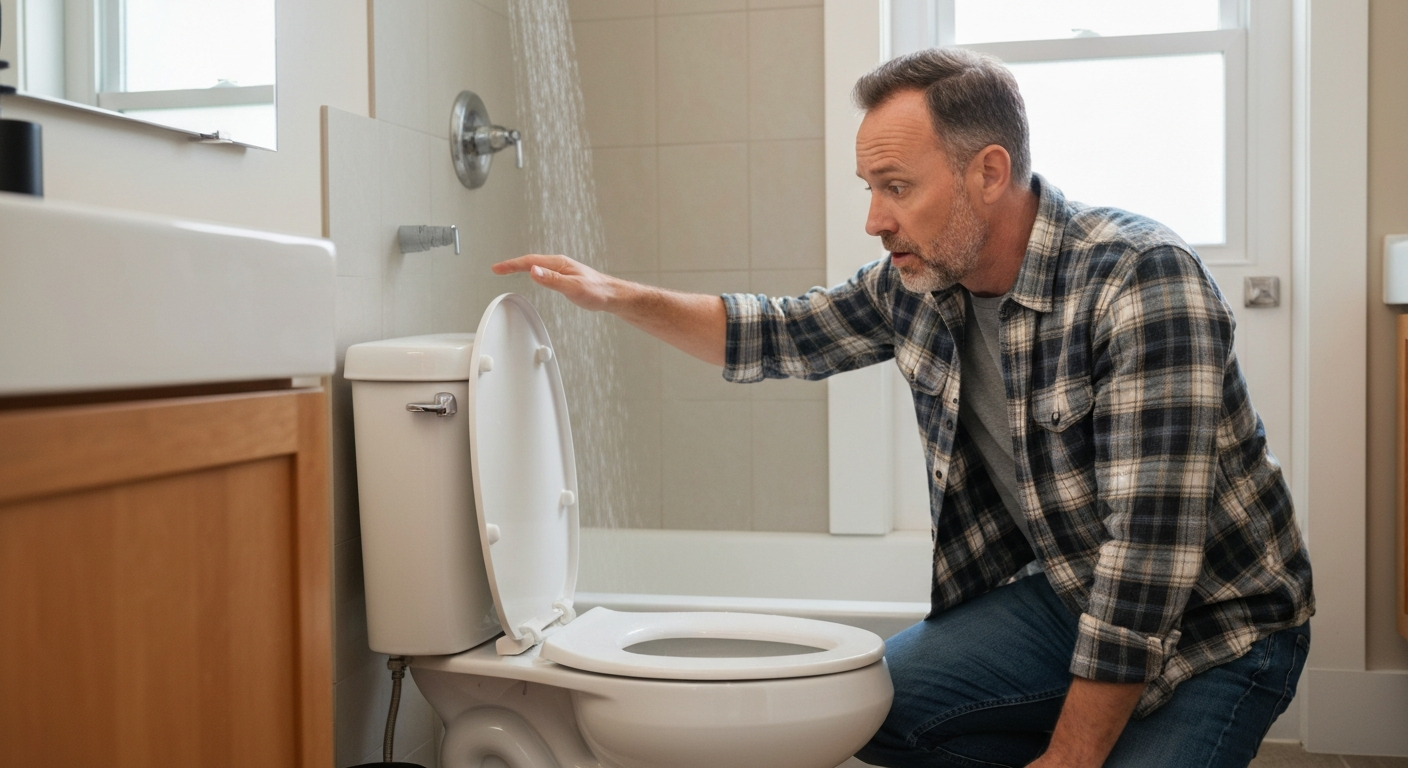

Your toilet is bubbling when the shower runs because air is being forced through the drain system due to a partial blockage or venting problem — the rushing shower water pushes air backward through shared pipes, and it escapes through the toilet's water seal as bubbles.
This gurgling sound is your plumbing's way of signaling that something is restricting normal airflow or drainage. The good news: most causes are fixable without calling a plumber. The bad news: ignoring it can lead to sewage backups, slow drains throughout your home, and expensive repairs.
| ✓Our Pick |
Top-Rated Drain Snakes on Amazon You'll wonder why you didn't try this sooner — practical, well-reviewed, and easy to get started. See on Amazon → |
Every fixture in your home connects to a shared drainage system that relies on proper airflow to function — when that airflow gets disrupted, air finds alternative escape routes like your toilet bowl.
Your home's plumbing isn't just pipes carrying water away. It's a balanced pressure system. The drain-waste-vent (DWV) system has two jobs: remove wastewater and maintain neutral air pressure so water flows smoothly. Vent pipes run from your drains up through the roof, allowing air to enter and exit freely.
When you turn on the shower, water rushes down the drain and displaces air in the pipes. Normally, that displaced air vents harmlessly through the roof stack. But if something blocks that airflow — a clogged vent, a partial drain blockage, or undersized pipes — the air has to go somewhere. Your toilet's water trap becomes the path of least resistance, and you hear bubbling.
Think of it like putting your thumb over a straw in a drink. The liquid can't flow freely until you release the pressure. Your toilet bowl is essentially releasing that pressure for the system.
The bubbling almost always traces back to one of five issues: a clogged vent stack, a partial drain blockage, a main sewer line problem, improper venting design, or a septic system issue.
The vent stack is the vertical pipe that extends through your roof. It allows air into the drainage system and releases sewer gases safely above the roofline. When debris, leaves, bird nests, or ice block this pipe, air can't enter or exit properly.
"A blocked vent pipe is one of the most common causes of gurgling toilets and slow drains throughout a home." — International Association of Certified Home Inspectors
Signs your vent is clogged:
- Multiple fixtures drain slowly
- Sewer smell near drains or in the bathroom
- Gurgling sounds from several drains, not just the toilet
A partial clog in the drain line shared by your shower and toilet restricts water flow without stopping it completely. As shower water forces its way past the obstruction, it compresses air ahead of it. That compressed air pushes back through the toilet.
Common culprits include hair buildup, soap scum accumulation, and mineral deposits. The blockage might be in the branch line connecting your bathroom fixtures to the main stack, or in the main stack itself.
If the main sewer line running from your house to the municipal sewer or septic tank has a partial blockage, every fixture in your home competes for limited drainage capacity. Tree roots are a frequent offender — they infiltrate pipe joints and grow inside the line, catching debris and restricting flow.
Warning signs of a main line problem:
- Bubbling in multiple toilets when any water runs
- Water backing up in the lowest fixtures (basement floor drains, first-floor toilets)
- Wet spots or unusually green patches in the yard above the sewer line
Not all plumbing is installed to code. Older homes, DIY additions, and unpermitted renovations sometimes have inadequate venting. A bathroom might share a vent with too many fixtures, have a vent that's too small, or lack a vent entirely.
The 2024 International Plumbing Code requires specific vent sizing based on fixture units and pipe lengths. A standard toilet needs a minimum 2-inch vent within a certain distance of the fixture. Violations create chronic negative pressure problems.
If your home uses a septic system rather than municipal sewer, a full or failing tank can cause backpressure throughout the system. When the tank can't accept more waste, water draining from your shower has nowhere to go efficiently, and air gets forced backward.
Septic tanks typically need pumping every 3 to 5 years, depending on household size and usage. A tank that hasn't been serviced in longer may be overdue.
Start with the simplest checks before assuming major repairs are needed — most toilet bubbling traces to localized blockages you can clear yourself.
| Symptom | Likely Cause | Recommended First Action |
|---|---|---|
| Bubbling only when shower runs | Partial blockage in shared drain | Snake the shower drain |
| Bubbling when any water runs | Main line blockage or vent clog | Check roof vent for debris |
| Slow drains throughout house | Main sewer line obstruction | Camera inspection needed |
| Sewer smell with bubbling | Vent blockage or dry trap | Check all traps, inspect vent |
| Bubbling + backups in lowest fixtures | Main line or septic issue | Professional inspection required |
Step 1: Run water in other fixtures. Flush toilets in other bathrooms, run the kitchen sink, and start the washing machine. If only the one toilet bubbles when only the shower runs, the problem is localized to that bathroom's branch line.
Step 2: Check the roof vent. If you can safely access your roof, look at the vent stack opening. Remove any visible debris. In winter, ice can form a cap over the vent.
Step 3: Listen for other sounds. Gurgling from multiple drains, water backing up, or sewer odors point to a more systemic issue requiring professional diagnosis.
Also Read: Why Is My Gas Bill So High? 9 Causes & Fixes
Many cases of toilet bubbling can be resolved with basic tools and about an hour of work — clearing the shower drain and checking the vent are the two highest-yield fixes.
The shower and toilet in the same bathroom almost always share a branch drain. Hair, soap, and debris accumulate where the shower drain connects to the main line. A drain snake (also called a drum auger) can reach and clear these blockages.
For stubborn clogs, an enzyme-based drain cleaner used overnight can break down organic material without damaging pipes. Avoid chemical drain cleaners — they can corrode older pipes and rarely solve vent-related issues.
| ✓Our Pick |
Best-Selling Enzyme Drain Cleaners on Amazon Used by over 10,000 satisfied customers — an easy, affordable option you can start using today. See on Amazon → |
If the problem persists after clearing the drain, the vent likely needs attention. You'll need roof access, a garden hose, and possibly a plumber's snake.
"Homeowners should inspect their plumbing vents annually, especially in fall after leaves drop and in early spring after winter ice." — This Old House
Some situations require professional equipment:
- Main sewer line blockages need a motorized auger or hydro-jetting
- Tree root infiltration requires cutting and removal
- Camera inspection identifies the exact location and nature of hidden clogs
- Septic systems need pumping and professional evaluation
A plumber's camera inspection typically costs $100 to $300 and can save thousands by pinpointing the exact issue before any digging begins.
| ✓Our Pick |
Flexible Drain Cameras for Homeowners on Amazon This is the go-to fix recommended by professionals — save time and money by getting it right the first time. See on Amazon → |
Regular maintenance of your drain-vent system prevents the conditions that cause bubbling — monthly enzyme treatments and annual vent inspections are your best defenses.
Also Read: Why Is My Pool Cloudy? 6 Causes & How to Fix It Fast
A bubbling toilet is rarely an emergency, but certain warning signs mean you should stop using water and call a plumber immediately.
Act fast if you notice:
- Sewage backing up into any fixture
- Multiple toilets overflowing simultaneously
- Strong sewage smell throughout the house
- Water pooling in the yard above sewer lines
- Bubbling combined with gurgling from floor drains
These symptoms suggest a complete or near-complete main line blockage. Continuing to run water can cause sewage to back up into your home, creating a health hazard and expensive cleanup.
Toilet bubbling when the shower runs means air is escaping through your toilet's water trap because something is blocking normal airflow or drainage in your plumbing system. The five most common causes are a clogged vent stack, a partial drain blockage, a main sewer line obstruction, improper venting design, or septic system problems. Start by snaking the shower drain and checking the roof vent — these two DIY fixes resolve the majority of cases. If bubbling continues or you notice sewage smells or backups, call a licensed plumber for camera inspection before the problem becomes a costly emergency.
Your shower and toilet share a branch drain line that connects to the main stack. When the shower runs, it generates significant water volume and flow velocity in that specific branch. If there's a partial blockage or venting issue in that branch — but not elsewhere — the problem only manifests when the shower activates. Other fixtures use different branches or generate less water flow, so they don't trigger the same backpressure.
The bubbling itself doesn't cause damage — it's a symptom, not a cause. However, the underlying issue (blocked vent, partial clog, main line obstruction) will worsen over time if ignored. What starts as occasional bubbling can progress to slow drains, complete blockages, and sewage backups. Addressing the root cause early prevents expensive repairs and potential water damage to your home.
Yes, you can still use the toilet safely when it bubbles. The bubbling indicates a pressure imbalance, not a health hazard. However, if you notice sewage odors, water backing up, or the toilet not flushing properly, reduce water usage until you've identified and fixed the problem. Running multiple fixtures simultaneously when the system is compromised can accelerate a backup situation.
Costs vary widely based on the cause. DIY drain snaking: under $50 for a one-time tool purchase. Professional drain cleaning: $150 to $300. Camera inspection: $100 to $300. Main line hydro-jetting: $350 to $600. Tree root removal and pipe repair: $1,000 to $4,000+. Septic tank pumping: $300 to $600. Start with the simplest fixes — many homeowners resolve the issue for minimal cost.
If only one toilet bubbles when only the shower runs, and there are no other symptoms (sewage smell, slow drains elsewhere, backups), start with DIY methods. Clear the shower drain with a snake and check the roof vent. If the problem persists, involves multiple fixtures, or includes any warning signs of a main line issue, call a licensed plumber. A camera inspection provides definitive answers and prevents guesswork repairs.
Reviewed and Updated on April 28, 2026 by Adelinda Manna