
Health
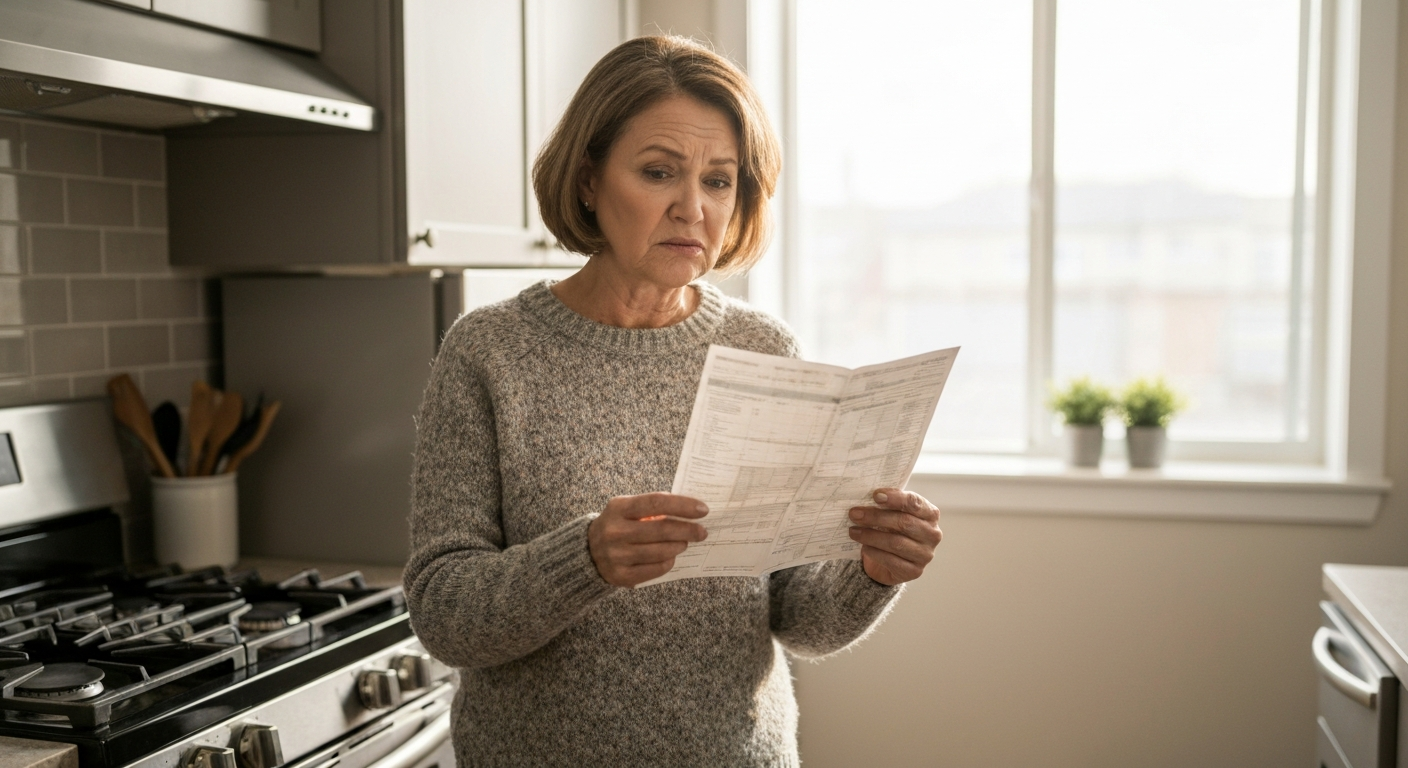

Your gas bill is high because of one or more of these common culprits: a malfunctioning furnace or water heater, poor insulation letting heat escape, air leaks around windows and doors, an outdated thermostat, or simply colder weather driving up demand.
Finding an unexpectedly large gas bill in your mailbox is frustrating, especially when you haven't changed your habits. The good news is that most causes are fixable, and identifying the problem often takes less than an afternoon. Below, you'll find the most common reasons your gas bill has spiked in 2026, along with practical solutions that can cut your costs starting next month.
| ✓Our Pick |
Top-Rated Programmable Thermostats on Amazon One of the highest-rated products in its category — a reliable fix used by thousands of people. See on Amazon → |
Gas bills rise when your home uses more fuel than necessary, either because equipment is running inefficiently, heat is escaping through gaps and poor insulation, or external factors like weather and rate increases are at play.
Understanding where your gas actually goes is the first step. In most American homes, natural gas powers the furnace or boiler, water heater, dryer, stove, and sometimes a fireplace. Heating alone accounts for roughly 45% of the average household's energy use, according to the U.S. Energy Information Administration. When any of these systems works harder than it should, your bill climbs.
| Gas Appliance | Typical Share of Gas Bill | Common Efficiency Issue |
|---|---|---|
| Furnace/Boiler | 40–50% | Dirty filter, aging burner, duct leaks |
| Water Heater | 15–25% | Sediment buildup, failing heating element |
| Clothes Dryer | 5–10% | Clogged vent, overloading |
| Stove/Oven | 3–5% | Leaving burners on, inefficient cookware |
| Fireplace | 2–10% | Open damper, poor draft |
The following sections break down each cause and show you exactly what to check.
A furnace that cycles too often, has a dirty filter, or hasn't been serviced in years can increase your gas consumption by 15–30%.
Your furnace is almost certainly the biggest gas consumer in your home. When it struggles, you pay. The most common efficiency killers are:
"A furnace operating with a clogged filter uses approximately 15% more energy than one with a clean filter." — U.S. Department of Energy
If your furnace is more than a decade old and you've noticed rising bills year over year, schedule a professional tune-up. Many HVAC companies offer seasonal inspections for under $100.
Also Read: Why Is My House So Dusty? 8 Causes & Proven Fixes (2026)
Sediment buildup, a failing thermostat, or an oversized tank can make your water heater burn far more gas than it should.
Tank-style gas water heaters work constantly to keep 40–80 gallons at your set temperature. Over time, minerals from your water supply settle at the bottom of the tank. This sediment layer insulates the water from the burner, forcing it to run longer. You'll often hear popping or rumbling sounds when this happens.
Draining a few gallons from the tank's drain valve every six months removes sediment and restores efficiency. If your water heater is over 10 years old and you're seeing rust-colored water or inconsistent temperatures, replacement is likely more cost-effective than repair.
Tankless water heaters, while pricier upfront, only heat water on demand and can reduce gas use for water heating by 30–50%.
| ✓Our Pick |
Best Gas Water Heater Flush Kits on Amazon Backed by strong customer feedback — the most recommended solution in forums and Q&A communities. See on Amazon → |
Gaps around windows, doors, and the attic access point let heated air escape, forcing your furnace to work overtime to maintain temperature.
Even a well-functioning furnace can't overcome a drafty house. The most common leak points are:
A simple way to detect drafts is to hold a lit incense stick near suspected areas on a windy day. If the smoke wavers horizontally, you've found a leak. Weatherstripping and caulk cost under $20 and can be applied in an afternoon.
Insulation matters just as much. The attic is the primary escape route for rising warm air. The Department of Energy recommends R-38 to R-60 insulation in most climate zones. If you can see the tops of your attic joists, you likely need more.
"Air sealing and adding insulation can save homeowners an average of 11% on total energy costs and 15% on heating and cooling costs." — Energy Star
An old manual thermostat keeps your furnace running at full blast even when you're asleep or away, wasting gas for hours every day.
If you're still adjusting a dial or slider, you're missing out on significant savings. Programmable and smart thermostats let you set schedules that match your life. A typical setup might lower the temperature by 7–10°F for eight hours while you sleep and eight hours while you work. The Department of Energy says this practice alone can cut heating costs by up to 10% annually.
Smart thermostats go further by learning your patterns, detecting when you leave, and adjusting automatically. Many also show detailed energy reports so you can see exactly when your gas usage spikes.
| Thermostat Type | Average Annual Savings | Key Feature |
|---|---|---|
| Manual | Baseline | None—constant temperature |
| Programmable | 5–10% | Set weekly schedules |
| Smart | 10–15% | Learns habits, remote control |
A colder-than-average winter or polar vortex event can double your gas use compared to a mild month, even if nothing in your home has changed.
Weather is the single biggest variable in monthly gas consumption. When temperatures drop from 40°F to 20°F, your furnace runs roughly twice as long to maintain the same indoor temperature. Check your local weather history against your bill's service dates. A 10–15% increase during a cold snap is normal.
Natural gas prices also fluctuate seasonally. The U.S. Energy Information Administration tracks wholesale prices, and utilities often pass increases to customers within 30–60 days. If your per-therm rate rose, you'll pay more even with identical usage.
A gas leak is rare but dangerous—if you smell sulfur or rotten eggs near appliances or pipes, leave immediately and call your utility's emergency line.
Beyond the safety hazard, even small leaks add up on your bill. Signs include:
Utility companies will inspect for leaks at no charge. Never use an open flame to check for leaks yourself.
Run through this checklist to pinpoint the cause before calling a professional.
Also Read: Why Is My AC Not Blowing Cold Air? Causes & Fixes
Small changes like replacing filters, sealing drafts, and adjusting your thermostat can reduce your next bill by 10–20% without any major investment.
Here are the fastest wins:
"Lowering your thermostat by 7–10°F for 8 hours a day can save as much as 10% a year on heating and cooling." — U.S. Department of Energy
| ✓Our Pick |
Insulated Water Heater Blankets on Amazon Save yourself the frustration — a proven solution with consistently positive feedback from real buyers. See on Amazon → |
If your bill stays high after basic fixes, or if your furnace makes unusual noises, cycles constantly, or emits strange smells, it's time to call an HVAC technician.
Some problems require specialized tools and training. These include:
Annual furnace maintenance typically costs $80–150 and often catches small issues before they become expensive repairs. Many technicians also offer energy audits that identify exactly where your home loses heat.
High gas bills almost always trace back to an inefficient furnace, a struggling water heater, air leaks, poor insulation, or simply colder weather. Start with free fixes: replace your filter, seal drafts, and program your thermostat. If bills stay stubbornly high, schedule a professional inspection. Most homeowners can cut 10–20% from their gas costs without any major renovation.
A doubled gas bill usually means a combination of colder weather and an efficiency problem. Start by comparing this month's therms to the same month last year. If usage is similar but costs doubled, your utility likely raised rates. If therms are much higher, check your furnace filter, thermostat settings, and look for air leaks around doors and windows.
Lower your thermostat by 2–3°F, especially at night and when you're away. Seal drafts around windows and doors with weatherstripping. Replace your furnace filter monthly. Use a programmable or smart thermostat to automate temperature drops. These changes alone can reduce winter gas bills by 10–20%.
Yes, a gas leak will increase your bill because you're paying for gas that escapes before it's used. However, leaks are rare and usually detected by smell (rotten eggs) or sound (hissing). If you suspect a leak, leave your home immediately and call your utility's emergency line. They will inspect at no charge.
No. The idea that maintaining a constant temperature saves energy is a myth. Your home loses heat at a rate proportional to the difference between indoor and outdoor temperatures. Lowering the thermostat when you're asleep or away reduces that temperature difference and cuts gas use. Programmable thermostats make this effortless.
Upgrading from a 70% efficient furnace to a 95% efficient model can cut your heating gas use by roughly 25–30%. For a home spending $150/month on heating gas, that's $40–50 in monthly savings. The payback period depends on installation costs, but many homeowners recoup the investment within 5–8 years.
Reviewed and Updated on April 16, 2026 by George Wright