Technology
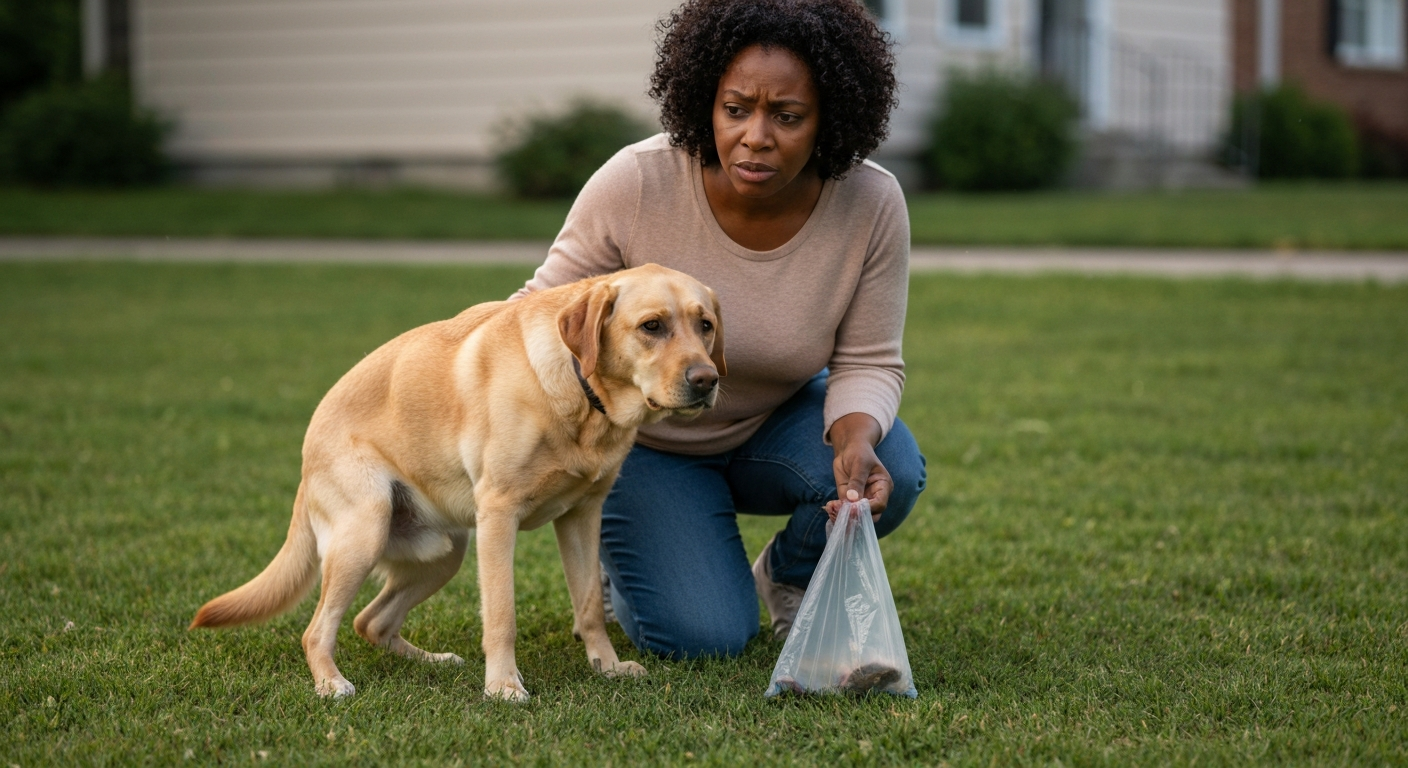

Your dog is having diarrhea most likely due to dietary indiscretion—eating something they shouldn't have—which is the leading cause in otherwise healthy dogs and typically resolves within 24 to 48 hours with supportive care.
Other common causes include sudden food changes, stress, intestinal parasites, bacterial or viral infections, food allergies, and underlying health conditions. When your dog is also throwing up and having diarrhea at the same time, the situation may indicate a more serious issue like gastroenteritis, toxin ingestion, or pancreatitis that warrants closer attention. Most cases of canine diarrhea are mild and self-limiting, but knowing when to treat at home versus when to call your vet can save your dog unnecessary suffering—and save you an emergency bill.
| 🛒Amazon Pick |
Top-Rated Probiotics for Dogs with Digestive Issues on Amazon Great value for money -- tackles the root cause rather than just masking the symptoms. See on Amazon → |
| ✓Our Pick |
Raw Paws — natural raw & freeze-dried pet food made from whole-food ingredients; ideal for sensitive stomachs, grass-eating dogs, and picky eaters Highly rated by thousands of buyers — this is one of the most effective solutions for this issue you can try at home. Learn More → |
The cause usually falls into one of two categories: acute diarrhea (sudden onset, short-lived) or chronic diarrhea (lasting more than two weeks), and the treatment approach differs significantly between them.
Acute diarrhea accounts for the vast majority of cases pet owners encounter. Your dog ate something questionable at the park, got into the trash, or sampled a new treat their stomach didn't appreciate. Chronic diarrhea, on the other hand, suggests an underlying condition that needs veterinary diagnosis.
Here are the most common causes veterinarians see:
Dietary indiscretion is veterinary terminology for "your dog ate garbage." This includes table scraps, spoiled food, non-food items like socks or toys, dead animals, or anything else dogs find irresistible. The gastrointestinal tract responds by trying to flush out the offending material as quickly as possible—hence the diarrhea.
Abrupt diet changes are a leading cause of digestive upset. A dog's gut bacteria need time to adjust to new proteins, fats, and fiber sources. Switching food suddenly disrupts this bacterial balance and causes loose stools. Veterinarians recommend transitioning to new food gradually over 7 to 10 days, mixing increasing amounts of the new food with decreasing amounts of the old.
Parasites like roundworms, hookworms, whipworms, and giardia are extremely common, especially in puppies. These organisms damage the intestinal lining and interfere with nutrient absorption. A fecal test at your vet's office can identify most parasites, and treatment is usually straightforward.
"Intestinal parasites are one of the most common causes of diarrhea in dogs, particularly in puppies and dogs that spend time in dog parks or boarding facilities." — American Kennel Club Canine Health Foundation
Stress-induced diarrhea is real and remarkably common. Moving to a new home, boarding, introducing a new pet or baby, thunderstorms, or schedule changes can all trigger loose stools. The gut-brain connection in dogs is similar to humans—emotional distress directly affects digestive function.
Infections from bacteria like Salmonella, E. coli, and Campylobacter, or viruses like parvovirus and distemper, cause diarrhea ranging from mild to life-threatening. Parvovirus in particular is extremely dangerous for unvaccinated puppies and requires immediate emergency care.
True food allergies and intolerances develop over time. Common culprits include beef, chicken, dairy, wheat, and soy. Unlike acute reactions, food-related diarrhea tends to be ongoing and may be accompanied by skin issues, ear infections, or chronic vomiting.
Also Read: Why Is My Dog Farting So Much? 7 Causes & Proven Fixes
| ✓Our Pick |
Petcube Emergency Fund — 24/7 vet access + $3,000 emergency coverage for your pet Trusted by professionals and everyday users alike — a smart investment that pays for itself. Learn More → |
When vomiting accompanies diarrhea, the likely causes narrow to conditions affecting the entire gastrointestinal tract—most commonly gastroenteritis, toxin exposure, pancreatitis, or systemic illness.
This combination is more concerning than diarrhea alone because it increases dehydration risk dramatically. Your dog is losing fluids from both ends and may not be able to keep water down to replenish them.
| Condition | Key Symptoms | Urgency Level |
|---|---|---|
| Acute gastroenteritis | Vomiting and diarrhea, usually self-limiting | Monitor 24 hours |
| Toxin ingestion | Sudden onset, possibly seizures or lethargy | Emergency |
| Pancreatitis | Vomiting, diarrhea, hunched posture, abdominal pain | Same-day vet visit |
| Parvovirus | Bloody diarrhea, severe vomiting, lethargy in puppies | Emergency |
| Intestinal blockage | Repeated vomiting, inability to keep anything down | Emergency |
| Hemorrhagic gastroenteritis (HGE) | Sudden bloody diarrhea, vomiting, collapse | Emergency |
"Dogs with both vomiting and diarrhea can become dehydrated very quickly, especially small dogs and puppies. If your dog cannot keep water down for more than 12 hours, seek veterinary care immediately." — Dr. Jennifer Coates, DVM, PetMD
Pancreatitis (inflammation of the pancreas) often follows a fatty meal. Dogs may vomit repeatedly, have diarrhea, refuse food, and adopt a "prayer position"—front legs down, rear end up—to relieve abdominal pain. This condition requires veterinary treatment and dietary management.
Toxins that cause simultaneous vomiting and diarrhea include chocolate, xylitol (artificial sweetener), grapes, raisins, certain plants, human medications, and household chemicals. If you suspect poisoning, contact the ASPCA Animal Poison Control Center at (888) 426-4435 or seek emergency veterinary care immediately.
Also Read: Why Is My Dog Acting Weird? 11 Causes & What to Do
| ✓Our Pick | ||
 Nextrition Pet — Premium Science-Backed Dog & Cat Food High-quality nutrition to support digestion, coat health, and energy.
|
Call your veterinarian immediately if diarrhea is accompanied by blood, your dog is a puppy or senior, symptoms last more than 48 hours, or your dog shows signs of dehydration or severe lethargy.
| 🐾Find a Vet |
Find a specialist vet near you VetClinic.info is a free directory of board-certified specialist vets across the US — find an orthopedic surgeon, oncologist, neurologist, or emergency clinic near you in seconds. Find Near You → |
Not every case of diarrhea requires a vet visit, but certain red flags warrant immediate attention:
If you're unsure, a quick call to your vet's office costs nothing and can provide peace of mind. Many veterinary practices now offer telehealth consultations that can help you decide whether an in-person visit is necessary.
| 🛒Amazon Pick |
Bland Diet Dog Food & Digestive Support on Amazon What many people find solves the problem quickly, without a costly professional visit. See on Amazon → |
For uncomplicated diarrhea in an otherwise healthy adult dog, a 12-24 hour food fast followed by a bland diet often resolves the issue within 2-3 days.
Here's a step-by-step approach that veterinarians commonly recommend for mild cases:
Withhold food for 12-24 hours — This gives the GI tract time to rest and heal. Keep water available at all times to prevent dehydration. Do not fast puppies, small dogs, or dogs with diabetes without veterinary guidance.
Reintroduce food with a bland diet — After the fast, offer small amounts of easily digestible food: boiled boneless, skinless chicken mixed with plain white rice (ratio of 1 part chicken to 2 parts rice). Feed small meals 3-4 times daily rather than one large meal.
Continue the bland diet for 3-5 days — Even after stools firm up, stay on the bland diet for a few more days to let the gut fully recover.
Transition back to regular food slowly — Over 5-7 days, gradually mix increasing amounts of regular food with decreasing amounts of the bland diet.
Consider probiotics — Probiotics help restore healthy gut bacteria. Look for products specifically formulated for dogs, containing strains like Enterococcus faecium or Bacillus coagulans.
Monitor closely — Keep track of stool consistency, frequency, appetite, and energy levels. Any worsening warrants a vet call.
Avoid giving human anti-diarrheal medications like Imodium (loperamide) without veterinary approval. While sometimes safe for dogs, these medications can be dangerous in certain breeds (particularly herding breeds with the MDR1 gene mutation), can mask serious conditions, and may cause toxicity if dosed incorrectly.
Also Read: Why Is My Dog Whimpering? 8 Causes & What to Do
Prevention centers on diet consistency, limiting access to garbage and non-food items, keeping vaccinations current, and maintaining regular parasite prevention.
Once you've dealt with a bout of diarrhea, you'll want to minimize the chances of a repeat episode:
| 🛒Amazon Pick |
Dog Digestive Enzymes & Gut Health Supplements on Amazon What many people find solves the problem quickly, without a costly professional visit. See on Amazon → |
Most cases of dog diarrhea result from dietary indiscretion, sudden food changes, or stress, and resolve within 24-48 hours with home care consisting of a brief fast and bland diet. When your dog is both throwing up and having diarrhea, the risk of dehydration increases significantly, and causes like toxin ingestion, pancreatitis, or infection become more likely. Seek veterinary care immediately if you notice blood in the stool, symptoms lasting more than 48 hours, signs of dehydration, severe lethargy, or if the affected dog is a puppy, senior, or has underlying health conditions. Prevention focuses on diet consistency, limiting scavenging opportunities, and keeping vaccinations and parasite prevention current.
Dogs with mild gastroenteritis often vomit and have diarrhea while maintaining their normal energy and appetite. This typically indicates the issue is self-limiting—perhaps they ate something that disagreed with them. As long as your dog stays hydrated, continues to drink water, and shows no blood in stool or vomit, you can usually monitor at home for 24-48 hours before deciding whether a vet visit is needed.
Diarrhea lasting more than 48 hours in an adult dog warrants a veterinary visit. For puppies, elderly dogs, or dogs with existing health conditions, the threshold is lower—call your vet if diarrhea persists beyond 24 hours or is accompanied by other concerning symptoms like lethargy or loss of appetite.
Pepto-Bismol (bismuth subsalicylate) is sometimes used for dogs, but only under veterinary guidance. The dosage differs from human use, and the medication is contraindicated for dogs on certain medications, pregnant dogs, and dogs allergic to aspirin. Never give Pepto-Bismol to cats. Call your vet before administering any human medication to your pet.
Stool color provides diagnostic clues. Yellow or greenish diarrhea often indicates food moving too quickly through the intestines. Orange may suggest a liver or gallbladder issue. Black, tarry stools indicate digested blood from the upper GI tract. Bright red blood suggests bleeding in the lower intestines or colon. Gray or greasy stools may point to pancreatic problems. Any bloody or black stool warrants immediate veterinary attention.
After a single episode of mild diarrhea, you can continue feeding small amounts of bland food. For more significant diarrhea, a 12-24 hour food fast (with continued water access) lets the digestive system rest. After the fast, reintroduce food slowly with a bland diet like boiled chicken and rice before transitioning back to regular food over several days.
Reviewed and Updated on June 4, 2026 by George Wright