Sleep
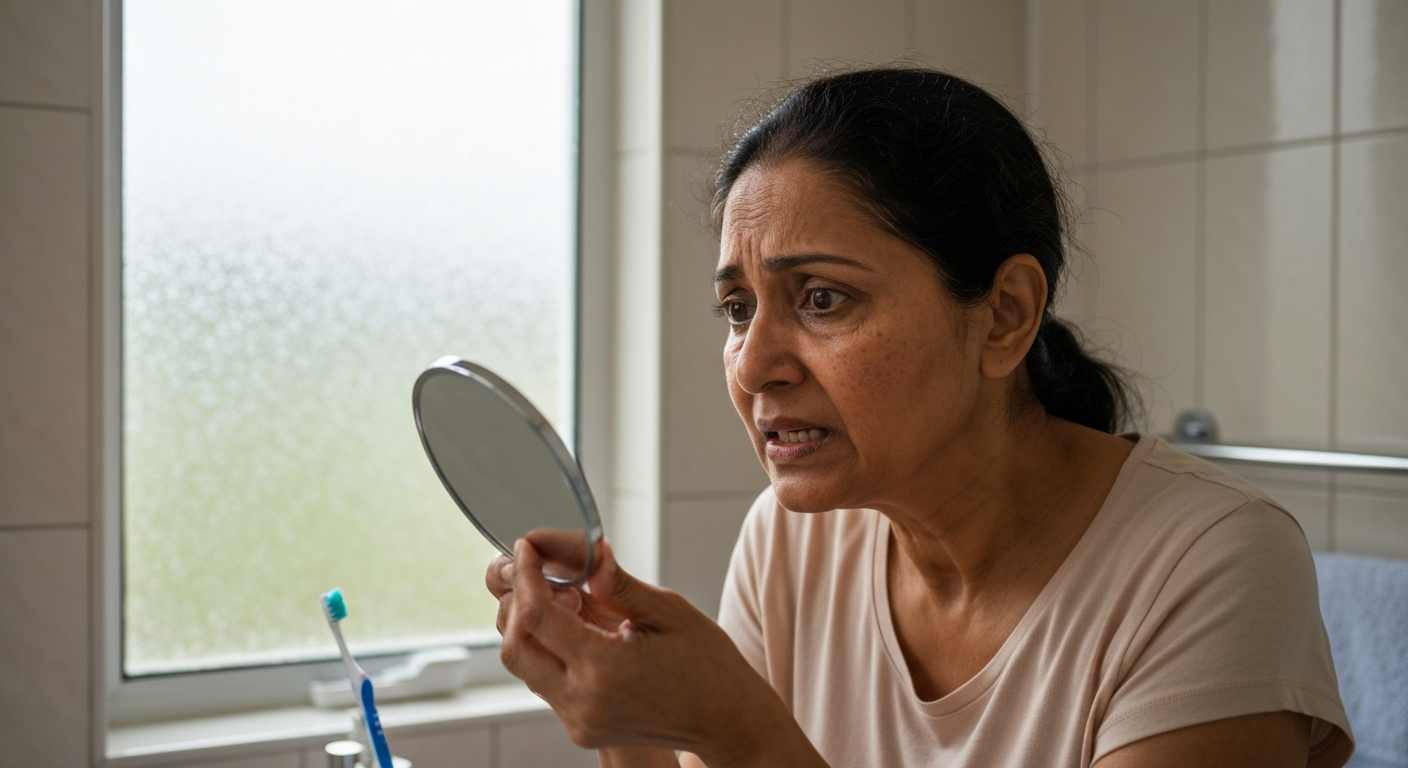

An orange tooth is usually caused by chromogenic bacteria, heavy staining from foods or tobacco, certain medications, or internal changes like pulp damage—most cases respond well to professional cleaning or whitening, though deeper discoloration may need dental treatment.
If you've noticed an orange or rust-colored tint on one or more of your teeth, you're probably wondering whether it's something you ate, a sign of decay, or something more serious. The good news is that orange teeth are rarely a dental emergency, but they do signal that something needs attention. Understanding the root cause helps you choose the right fix—whether that's switching your mouthwash, booking a cleaning, or seeing your dentist for a closer look.
| ✓Our Pick |
Electric toothbrush for stain removal Save yourself the frustration — a proven solution with consistently positive feedback from real buyers. See on Amazon → |
| ✓Our Pick |
SNOW whitening system — sensitive-safe formula, 5 shades whiter, trusted by 2.4M+ customers Great value for money — this product tackles the root cause rather than just masking the symptoms. Learn More → |
Orange discoloration falls into two categories: extrinsic stains that sit on the tooth surface and intrinsic stains that come from inside the tooth structure.
Extrinsic stains are the most common culprits and usually the easiest to remove. They build up on enamel over time from foods, drinks, tobacco, or bacteria. Intrinsic stains develop within the dentin or pulp and typically require more intensive treatment.
| Stain Type | Location | Common Causes | Removal Difficulty |
|---|---|---|---|
| Extrinsic | Tooth surface | Food, tobacco, bacteria, mouthwash | Easy to moderate |
| Intrinsic | Inside tooth | Trauma, medications, fluorosis | Moderate to difficult |
| Combined | Both | Long-term neglect, decay | Requires dental assessment |
Let's look at the specific reasons your tooth might be turning orange.
Chromogenic bacteria are one of the most common causes of orange staining, especially in children and adolescents. These bacteria produce pigmented compounds as metabolic byproducts, and those pigments bind to the pellicle—the thin protein film that coats your teeth.
"Chromogenic bacteria such as Actinomyces and Prevotella species produce orange, green, or black extrinsic stains through bacterial metabolic activity." — Dr. Yvette Carrillo at Journal of International Society of Preventive and Community Dentistry
The stains typically appear along the gumline or between teeth where bacteria accumulate. While harmless to tooth structure, they're stubborn with regular brushing and usually need professional polishing to remove completely.
Foods and beverages with strong pigments can deposit color onto your enamel over time. The usual suspects include:
When combined with acidic foods that temporarily soften enamel, these pigments penetrate more deeply. If you're sipping orange sports drinks or eating tomato-heavy meals daily, the cumulative effect can create a noticeable orange or rust tint.
Tobacco is one of the most aggressive staining agents for teeth. Both smoking and chewing tobacco introduce tar and nicotine to your mouth, and these compounds bind tightly to enamel. The resulting stains range from yellow to deep orange-brown.
Chewing tobacco is particularly problematic because it sits against teeth for extended periods. The staining concentrates wherever the tobacco contacts enamel, often creating uneven patches of orange or brown discoloration.
Also Read: Why Is My Tooth Turning Black? 6 Causes & Treatments
Chlorhexidine gluconate, an antibacterial agent found in prescription mouthwashes like Peridex and some over-the-counter products, causes a well-documented side effect: brown or orange staining. The compound reacts with dietary tannins and binds to proteins on tooth surfaces.
"Chlorhexidine staining is a known adverse effect resulting from interaction between chlorhexidine and dietary chromogens, leading to yellow-brown discoloration." — American Dental Association
If you've recently started using a chlorhexidine rinse for gum disease or after oral surgery, this is a likely explanation. The staining is extrinsic and removable, but you may need to discuss alternatives with your dentist if the discoloration bothers you.
Plaque that isn't removed through brushing and flossing hardens into tartar (calcite) within 24 to 72 hours. Tartar has a porous surface that absorbs pigments from food, drinks, and bacteria far more readily than clean enamel.
Heavy tartar deposits often appear yellow, orange, or brown. You'll notice them most along the gumline and between teeth—areas that are harder to reach with a toothbrush. Once tartar forms, you can't remove it at home; it requires scaling by a dental hygienist.
When a tooth experiences trauma—from an accident, sports injury, or even grinding over years—the blood supply to the pulp can be damaged. Blood breakdown products seep into the dentin, causing discoloration that ranges from pink to orange to gray.
A tooth that was injured months or years ago may only now be showing color changes. This type of intrinsic staining doesn't respond to surface whitening treatments. If your orange tooth also had a history of injury, this could be the cause, and you'll want a dentist to assess whether the pulp is still healthy.
Also Read: Why Is My Tooth Grey? 6 Causes & Treatment Options
Several medications can cause tooth discoloration as a side effect:
If you suspect medication is the cause, talk to your prescribing doctor about alternatives or strategies to minimize contact with teeth.
Figuring out whether your orange stain is surface-level or deeper helps determine the right treatment approach.
Start with a simple at-home assessment:
Location check: Is the orange color concentrated along the gumline, between teeth, or covering the entire tooth surface? Gumline staining often points to bacteria or tartar. Full-tooth discoloration may be intrinsic.
Texture test: Run your tongue over the discolored area. Does it feel rough or fuzzy? Rough texture suggests tartar or bacterial buildup. Smooth surfaces with color changes point to intrinsic staining.
History review: Have you recently changed your diet, started a new medication, or experienced mouth injury? New habits often explain sudden color changes.
Single vs. multiple teeth: One orange tooth suggests trauma, decay, or a localized issue. Multiple teeth with similar staining points to systemic causes like diet, bacteria, or medication.
| Symptom Pattern | Likely Cause | Urgency |
|---|---|---|
| Orange line along gumline | Chromogenic bacteria, tartar | Routine cleaning |
| Single tooth turning orange | Trauma, pulp damage, decay | See dentist within 2 weeks |
| Multiple teeth, gradual change | Diet, tobacco, mouthwash | Routine cleaning |
| Orange stain with pain | Decay, infection | See dentist promptly |
| Orange bands on multiple teeth | Tetracycline exposure | Cosmetic consultation |
Extrinsic orange stains usually respond to professional cleaning or whitening, while intrinsic stains may require veneers, bonding, or internal bleaching.
For chromogenic bacteria, tartar, and most food or tobacco stains, a professional cleaning is the first-line treatment. Your hygienist uses ultrasonic scalers and polishing paste to remove deposits that home brushing can't touch.
After scaling, an air-polishing system or prophy jet can blast away stubborn surface pigments. Most people see dramatic improvement after a single cleaning appointment.
If staining is mild and purely extrinsic, over-the-counter whitening products may help:
These work best for food and beverage stains. They won't address bacterial orange stains effectively, and they're not designed for intrinsic discoloration.
| ✓Our Pick |
Whitening toothpaste for surface stains Great value for money — this product tackles the root cause rather than just masking the symptoms. See on Amazon → |
In-office bleaching uses higher-concentration hydrogen peroxide (25-40%) with or without light activation. It penetrates deeper than at-home products and produces faster results.
For tetracycline staining or other intrinsic discoloration, dentists may recommend internal bleaching. This involves accessing the pulp chamber and placing bleaching agent inside the tooth to lighten it from within.
When bleaching isn't sufficient—often the case with severe tetracycline staining or trauma—cosmetic restorations can mask the color:
These options cover rather than remove the discoloration, but they provide predictable, long-lasting results.
Daily habits and regular dental visits are your best defense against recurring orange discoloration.
Most orange staining is cosmetic, but certain signs warrant a dental visit sooner rather than later.
Schedule an appointment if you notice:
Your dentist can take X-rays to check for pulp damage, assess whether the color change is surface-level or internal, and recommend the appropriate treatment path.
Also Read: Why Is My Crown Hurting? 9 Causes & When to See a Dentist
Orange teeth are typically caused by chromogenic bacteria, staining foods and drinks, tobacco use, chlorhexidine mouthwash, or internal changes from trauma or medications. Extrinsic stains on the tooth surface respond well to professional cleaning, whitening toothpaste, or in-office bleaching. Intrinsic stains from trauma or tetracycline exposure may require cosmetic treatments like bonding or veneers. Regular dental visits and good oral hygiene prevent most orange discoloration from developing in the first place.
Children are particularly prone to orange staining from chromogenic bacteria. These bacteria thrive in pediatric mouths and produce orange, green, or black pigments as metabolic byproducts. The staining typically appears along the gumline and is harmless but persistent. Professional cleaning removes the stains, though they may return if the bacterial population remains. Good brushing habits and regular dental visits help keep them at bay.
Orange discoloration alone doesn't usually indicate decay, but the two can coexist. Active decay often appears as white, brown, or black spots rather than orange. However, if your orange staining is accompanied by pain, sensitivity to hot or cold, or visible holes in the enamel, decay could be present alongside the staining. A dental exam will clarify whether you're dealing with staining, decay, or both.
Surface stains from bacteria or food often disappear in a single professional cleaning appointment, typically lasting 30 to 60 minutes. At-home whitening products may take two to four weeks of consistent use to show results. Intrinsic stains from trauma or medication require more intensive treatment—internal bleaching may need multiple sessions, and veneers or bonding involve a few weeks from consultation to final placement.
Whitening toothpaste can help with mild extrinsic stains from food, drinks, or tobacco. These products contain gentle abrasives and sometimes low concentrations of peroxide that polish away surface discoloration over time. However, they won't address chromogenic bacterial stains effectively, and they can't change intrinsic discoloration from trauma or medication. For anything beyond light surface staining, professional treatment is more effective.
The orange color itself isn't harmful, but what's causing it might need attention. Chromogenic bacteria and tartar buildup indicate areas where plaque accumulates—left unchecked, this can lead to gum disease and cavities. A single tooth changing color could signal pulp damage that may eventually require a root canal if infection develops. Getting a dental assessment ensures you address any underlying issues before they become problems.
Reviewed and Updated on June 16, 2026 by George Wright