
Health
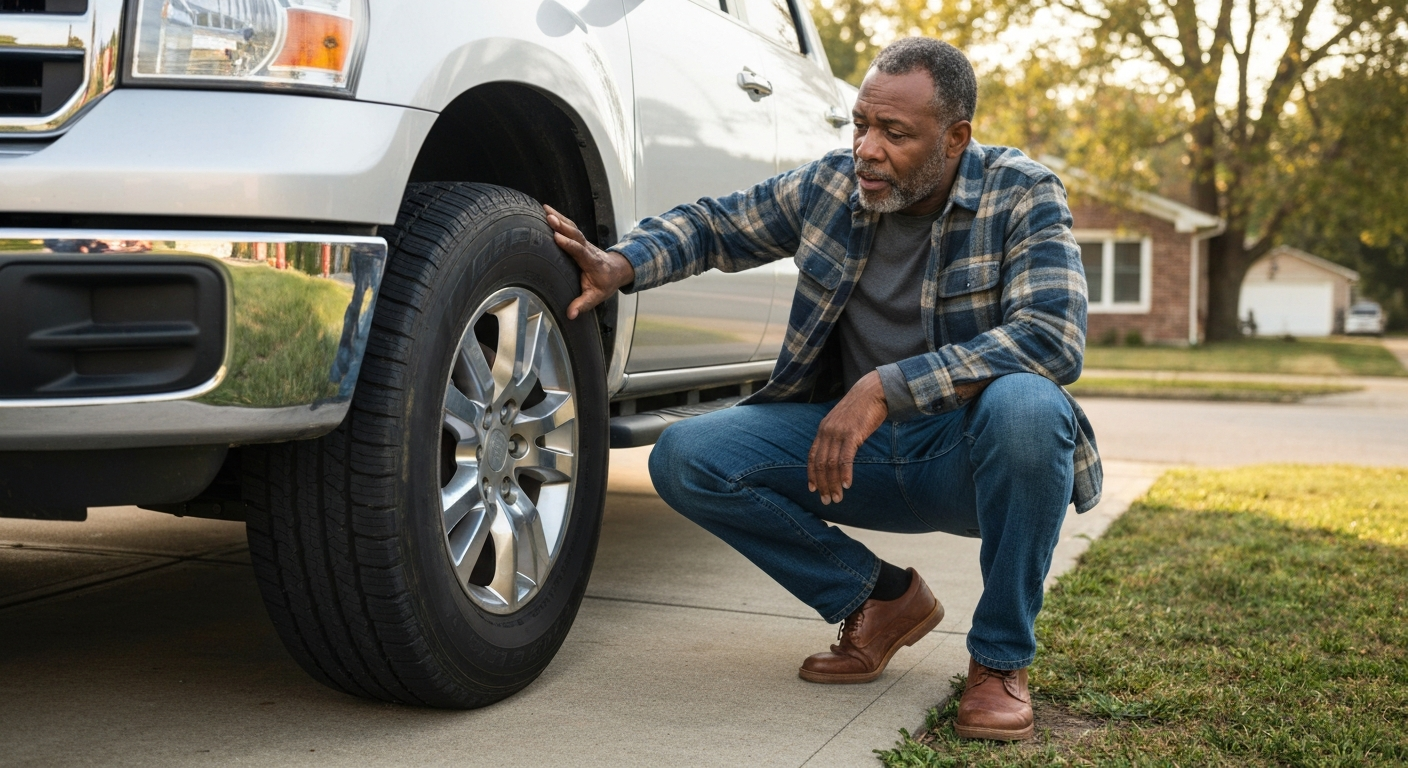

Your suspension is squeaking because rubber bushings, ball joints, or strut mounts have dried out, worn down, or lost lubrication — causing metal-on-metal contact or friction between components every time you hit a bump, turn, or accelerate.
The squeak you hear when driving over potholes, pulling into your driveway, or turning the wheel is your car telling you something needs attention. Most suspension squeaks come from six common culprits: worn control arm bushings, dry ball joints, failing strut mounts, damaged sway bar links, deteriorating shock absorbers, or — in some cases — a completely unrelated serpentine belt that just sounds like suspension trouble. The good news? Many of these issues are diagnosable at home, and some are surprisingly cheap to fix.
Modern vehicles use dozens of rubber and polyurethane bushings throughout the suspension system, and every one of them can eventually dry out, crack, or wear through — creating the squeaks, creaks, and groans you hear while driving.
Your suspension works by absorbing road impacts through a system of springs, shocks, struts, and control arms — all connected by bushings and joints that need to pivot smoothly. When these components are new, they're lubricated and flexible. Over time, rubber degrades from heat, UV exposure, road salt, and simple age. Metal wears against metal. Grease dries up. The result is that distinctive squeak that gets louder the longer you ignore it.
Trucks tend to squeak more than sedans because they have heavier-duty suspension components that endure more stress, especially if you tow, haul, or drive off-road. But any vehicle — car, truck, or SUV — will eventually develop suspension noise if maintenance is neglected.
"Rubber bushings are designed to isolate vibration and noise, but they have a limited service life. Once the rubber cracks or separates from the metal sleeve, you'll hear every movement." — Tom Torbjornsen, ASE Certified Master Technician
The six most frequent sources of suspension squeaks are control arm bushings, ball joints, strut mounts, sway bar components, shock absorbers, and — surprisingly often — the serpentine belt that has nothing to do with your suspension at all.
Understanding which component is causing your squeak helps you decide whether this is a weekend DIY fix or a trip to the mechanic.
Control arm bushings are the most common source of suspension squeaks. These rubber or polyurethane sleeves cushion the connection between your control arms and the vehicle frame. When they dry out or crack, metal grinds against metal with every bump.
You'll typically hear this squeak when:
- Going over speed bumps or potholes
- Driving on uneven pavement
- Pulling into or out of driveways
Control arm bushings usually last 80,000–100,000 miles, but harsh climates, road salt, and rough driving can cut that lifespan in half.
Ball joints connect your steering knuckle to the control arm and allow your wheels to move up and down while also turning left and right. They're sealed units filled with grease, and when that seal fails, moisture gets in and lubrication gets out.
Dry ball joints produce a squeak or creak that's most noticeable when turning at low speeds or when the suspension compresses. If the squeak gets louder when you turn the steering wheel while parked, ball joints are a likely suspect.
Strut mounts sit at the top of your struts, connecting them to the vehicle body. They contain a bearing that allows the strut to rotate when you turn the wheel. When this bearing wears out or loses lubrication, you'll hear squeaking during turns.
Strut mount squeaks are often accompanied by a clunking sound over bumps and a general feeling that the steering isn't as tight as it used to be.
The sway bar (also called a stabilizer bar) reduces body roll during turns. It's connected to the suspension by end links and held to the frame by bushings. Both components can wear out and squeak.
Sway bar squeaks are most noticeable when:
- Driving over small bumps at low speeds
- Entering or exiting parking lots
- Making slow turns into driveways
These squeaks often sound like they're coming from directly under your feet because the sway bar runs across the front of the vehicle.
Shocks and struts rarely squeak in the traditional sense, but they can produce noise when their internal seals fail or when mounting hardware loosens. A rhythmic squeak that occurs with every bump might indicate a shock that's lost its damping fluid and is now bouncing uncontrolled.
More often, worn shocks cause a clunking or thumping sound rather than a squeak, but it's worth checking if other components seem fine.
Here's where many drivers get confused: a squeaking serpentine belt can sound remarkably similar to suspension noise, especially when it happens during acceleration or turning.
If you notice your car making squeaking noises that:
- Get louder when you accelerate
- Occur when turning the steering wheel sharply (due to power steering pump load)
- Happen more often when the engine is cold
- Stop when the engine is off
...the problem is likely your belt, not your suspension. A worn, loose, or misaligned serpentine belt squeaks because it's slipping on the pulleys. This is typically a much cheaper fix than suspension work.
| ✓Our Pick |
Replacement suspension bushings and ball joints A top-rated pick that works — readers who tried this reported noticeable improvement within days. See on Amazon → |
You can identify the source of most suspension squeaks with a simple bounce test, a visual inspection, and a grease spray test — no special tools required.
| Test | How to Do It | What It Reveals |
|---|---|---|
| Bounce test | Push down hard on each corner of the vehicle and release | Squeaks during compression indicate bushings or strut mounts in that corner |
| Visual inspection | Look at all rubber bushings for cracks, dry rot, or separation from metal | Visible damage confirms the component needs replacement |
| Spray test | Apply silicone lubricant to suspected bushings one at a time | If the squeak stops temporarily, you've found the culprit |
| Steering wheel turn | Turn the wheel lock-to-lock while parked, engine running | Squeaks during turning suggest ball joints, strut mounts, or belt issues |
| Drive test | Note when squeaking occurs — bumps only, turns only, or acceleration | Pattern helps isolate suspension (bumps/turns) vs. belt (acceleration) |
For the spray test, use silicone-based lubricant rather than WD-40. Silicone won't damage rubber and provides longer-lasting results. Spray one bushing, drive around the block, and listen. If the squeak persists, move to the next component.
"A methodical approach to diagnosis saves time and money. Spray-testing each bushing individually before replacing anything ensures you're fixing the actual problem." — Mike Allen, Former Senior Automotive Editor, Popular Mechanics
Most suspension squeaks can be eliminated by lubricating dry bushings, replacing worn components, or — for belt-related noise — adjusting or replacing the serpentine belt and tensioner.
If you need to quiet the squeak until you can afford proper repairs:
These are band-aid solutions. The squeak will return, often worse than before, because the underlying wear continues.
| Component | DIY Difficulty | Parts Cost | Shop Labor |
|---|---|---|---|
| Control arm bushings | Moderate (press required) | $20–$80 per bushing | 1–2 hours |
| Ball joints | Moderate to hard | $30–$150 each | 1–2 hours per joint |
| Strut mounts | Moderate (spring compressor needed) | $40–$100 per mount | 1–1.5 hours per strut |
| Sway bar bushings | Easy | $10–$30 for a set | 0.5–1 hour |
| Sway bar end links | Easy | $20–$60 per link | 0.5–1 hour |
| Serpentine belt | Easy | $25–$75 | 0.5 hour |
| Belt tensioner | Easy to moderate | $40–$120 | 0.5–1 hour |
Sway bar bushings and end links are the most DIY-friendly suspension repairs — often requiring just basic hand tools and 30 minutes of work. Control arm bushings and ball joints typically require a press or special tools, making shop repairs more practical for most owners.
Also Read: Why Is My Knee Joint Hurting? 11 Causes & Relief Options
A squeak alone isn't dangerous, but if you notice clunking, steering wander, uneven tire wear, or visible damage to suspension components, have the vehicle inspected immediately — a failing ball joint or control arm can cause loss of steering control.
Warning signs that demand professional attention:
A worn ball joint that separates while driving causes immediate loss of steering control. This is rare but not unheard of, especially on vehicles with 150,000+ miles that have never had suspension work.
Regular inspection of rubber bushings, prompt replacement of torn boots, and avoiding harsh road conditions extend suspension life and prevent squeaks from developing.
Practical prevention steps:
Polyurethane bushings are available as upgrades for many vehicles. They last longer than rubber and resist deterioration better, but they're inherently squeakier when new and may always produce some noise. If you're chasing a silent ride, stick with rubber.
Also Read: Why Is My Smoke Detector Chirping? 6 Causes & Quick Fixes
Suspension squeaking almost always comes from worn or dry rubber bushings, failing ball joints, or deteriorating strut mounts — though a slipping serpentine belt often gets misdiagnosed as suspension noise. Use the bounce test and spray test to identify the specific component, then decide whether to lubricate temporarily or replace permanently. Most sway bar bushings are easy DIY fixes, while ball joints and control arm bushings often require shop tools. If you hear clunking, feel steering looseness, or see uneven tire wear alongside the squeak, have the vehicle inspected promptly — those symptoms suggest a component that's close to failure.
Squeaking that occurs exclusively over bumps points to suspension bushings rather than belt or steering components. The bushings compress and rebound with each bump, and worn rubber creates friction noise during that movement. Control arm bushings, strut mounts, and sway bar bushings are the most common culprits. Spray each with silicone lubricant one at a time to identify which one is causing the noise.
Trucks squeak while driving because suspension components only make noise when they're moving and under load. Parked, there's no compression or articulation occurring. The heavier weight of trucks also stresses bushings and joints more than sedans, leading to faster wear. If your truck squeaks over bumps, check the leaf spring bushings (if equipped) in addition to the standard front suspension components.
Cold belt squeaking happens because rubber belts contract in cold temperatures, reducing their grip on the pulleys. As the engine warms up, the belt expands slightly and grips better, eliminating the squeak. If the noise persists beyond the first few minutes of driving, the belt may be worn, cracked, or the tensioner may be failing. Belts should be replaced every 60,000–100,000 miles as preventive maintenance.
A squeak alone doesn't make the vehicle unsafe, but it indicates wear that will worsen over time. The concern is what comes after the squeak: ball joints that squeak for months can eventually fail completely, causing loss of steering control. If the squeak is accompanied by clunking, steering looseness, or visible damage, have the vehicle inspected before driving further. Otherwise, plan repairs within the next few weeks to months.
Costs vary widely based on the component. Sway bar bushings might run $50–$100 total including labor. Ball joints range from $150–$400 per joint installed. A full front suspension refresh — bushings, ball joints, tie rod ends, and strut mounts — can cost $800–$1,500 at a shop. Getting an accurate diagnosis before authorizing repairs prevents paying for parts you don't need.
Reviewed and Updated on May 30, 2026 by George Wright