DIY
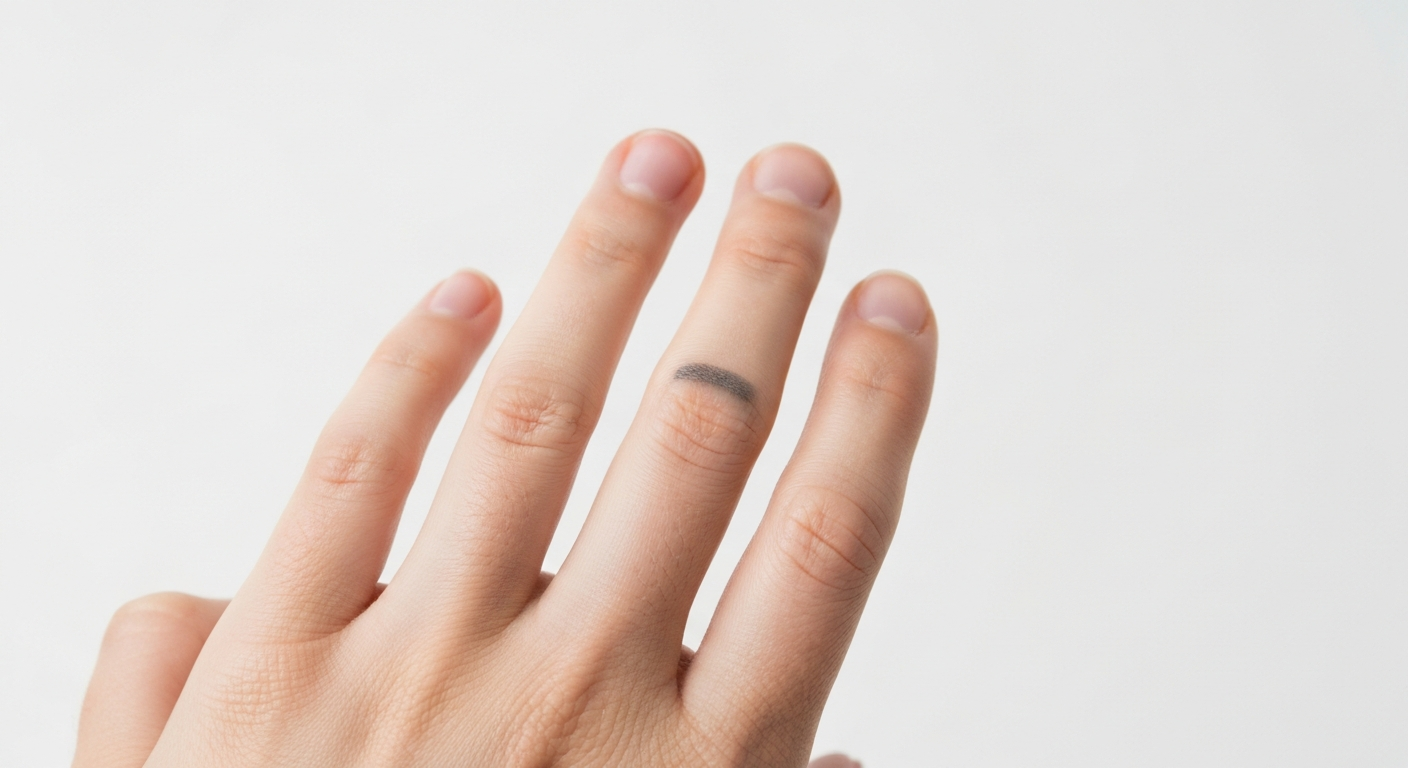

A ring finger turning black under or around a ring is almost always caused by metal oxidation from your ring reacting with skin chemistry, sweat, and everyday chemicals — it is not dangerous, but it does signal either a low-quality metal alloy or a mismatch between the metal and your body's unique skin environment.
The discoloration is a transfer of dark metal compounds — typically copper sulfides or silver sulfides — from the ring surface onto your skin. It washes off easily and indicates a chemical reaction, not a health problem.
The skin on your ring finger is constantly in contact with the ring's interior surface. When metals in the ring (most commonly copper, which is alloyed into 10k and 14k gold, or the copper in sterling silver) react with:
- Moisture (sweat)
- Skin oils and fatty acids
- Sulfur compounds from the environment, food, or skincare products
...dark metal sulfide or oxide compounds form at the contact surface and transfer to the skin. This is not permanent — it wipes off with soap and water.
The reaction rate depends on your individual skin chemistry. People with more acidic skin (lower pH), higher sweat output, or more dietary sulfur (garlic, onions, eggs) experience faster and darker discoloration.
Different metals have dramatically different tarnish rates:
| Metal | Tarnish Risk | Why |
|---|---|---|
| 24k pure gold | None | No alloy metals present |
| 18k gold (75% gold) | Very low | Small copper/silver content |
| 14k gold (58% gold) | Moderate | Significant copper content |
| 10k gold (42% gold) | Higher | High copper and zinc content |
| Sterling silver | High | 7.5% copper; copper tarnishes easily |
| Gold-plated/filled | High once plating wears | Base metal (brass/copper) exposed |
| Costume/fashion jewelry | Very high | Often primarily copper or brass |
If your ring finger is turning black, the ring is likely 14k or lower, sterling silver, or the gold plating has worn through to the base metal.
| ✓Our Pick |
Shop ring cleaning solutions, polishing cloths, and ring liners This is the go-to fix recommended by professionals — save time and money by getting it right the first time. See on Amazon → |
Chemicals applied to the hands significantly accelerate metal tarnishing. Chlorine — in swimming pools, hot tubs, and household cleaners — reacts aggressively with silver and copper alloys. The reaction can darken a ring noticeably after a single pool session.
Chemicals that blacken rings most quickly:
- Chlorine bleach and pool water
- Sulfur-containing lotions and creams
- Sunscreen (particularly those with zinc oxide)
- Dish soap and household detergents
- Perfume (alcohol and fragrance compounds)
Habit to build: Remove your ring before washing dishes, applying lotion or sunscreen, cleaning, or swimming. This single change resolves the majority of accelerated tarnishing.
White gold rings are typically alloyed with nickel (as a whitening agent) or palladium. Nickel is the most common metal allergen — affecting an estimated 10–15% of the population. A nickel reaction causes both discoloration and skin irritation:
If you have both darkening and skin irritation, a nickel allergy is likely. Switch to nickel-free metals: platinum, titanium, niobium, or nickel-free 18k yellow gold. Patch testing by a dermatologist confirms the allergy.
"Nickel contact allergy is the most common cause of contact dermatitis, affecting approximately 10 to 15 percent of the general population. The most common sensitizing sources include jewelry, watchbands, and metal clothing fasteners." — American Academy of Dermatology — Nickel Allergy, American Academy of Dermatology
When a ring fits tightly or the finger swells (from heat, exercise, sodium intake, or pregnancy), the ring traps moisture and skin secretions beneath it. This pooled moisture concentrates the chemical reaction and causes faster and more pronounced darkening. Tight rings also chafe the skin, removing more dead skin cells that react with the metal.
If your ring is too tight, resizing it eliminates the moisture trap and reduces darkening while also protecting your finger from constriction.
Gold-plated and gold-vermeil rings have a thin gold layer over a base metal. The gold layer on most fashion jewelry is 0.5–2.5 microns thick — it wears through at points of friction within 1–3 years depending on wear habits. Once the gold plating wears away, the base metal (typically brass, copper, or white metal) is exposed and tarnishes rapidly.
Signs the plating has worn through:
- Discoloration is concentrated on the inner band where friction is highest
- Visible color change on the ring itself (silver or brassy tones showing through yellow or white gold)
- Darkening that is worse than it was in the first year of ownership
A jeweler can replate the ring with fresh gold. This costs $25–75 and is a temporary fix — the plating will wear through again.
Some individuals have skin that consistently tarnishes metals faster than average. Contributing factors include:
- High skin acidity (low pH)
- Higher perspiration rates or sweat sulfur content
- Hormonal changes: pregnancy, menopause, thyroid conditions, hormonal contraceptives
- Dietary factors: high sulfur foods, iron supplements
This explains why a ring that caused no discoloration for years suddenly begins blackening the finger after a health or lifestyle change. The ring itself has not changed — the skin chemistry has.
Practical fixes:
- Coat the interior of the ring with clear nail polish or a ring liner — this creates a metal-skin barrier
- Polish the ring regularly with a jewelry polishing cloth to remove tarnish buildup before it transfers
- Remove the ring before applying lotions, cleaning, or swimming
- Upgrade the metal — 18k gold or platinum has significantly less reactive alloy content
- Replate if needed — a jeweler can apply fresh gold plating to the interior band
Also Read: Why Is My Ring Turning My Finger Black? 7 Causes
A ring finger turning black is caused by dark metal compounds — primarily copper or silver sulfides — transferring from the ring to your skin via normal skin chemistry and moisture. It is not harmful. Fix it by coating the ring's interior with clear nail polish, removing the ring before chemical exposure, and polishing regularly. If your finger is also itchy or red, a nickel allergy is likely — switch to platinum, titanium, or nickel-free gold.
Summer heat increases perspiration, which deposits more salts and sulfur compounds on the skin surface. This accelerates the metal oxidation reaction. People who notice the blackening only in warm months or after exercise are experiencing sweat-accelerated tarnishing. Removing the ring during outdoor activity and applying clear nail polish to the ring's interior reduces the summer effect significantly.
The discoloration itself is not harmful — you are not absorbing dangerous amounts of metal through your skin. However, if the ring is turning black because the plating has worn through to a nickel-containing base metal and you have a nickel allergy, continued wear causes contact dermatitis (rash, blistering). In that case, remove the ring until it can be replated or replaced with a hypoallergenic metal.
Yes. Cleaning the ring removes the tarnish buildup, which reduces the amount available to transfer to your skin. Clean with a jewelry polishing cloth, a mixture of mild dish soap and warm water (no chlorine bleach), or an ultrasonic cleaner for suitable metals. Clean the inner band specifically — this is where the most contact-transfer occurs. Regular cleaning reduces but does not eliminate blackening from reactive alloys.
Skin chemistry varies significantly between individuals, including pH, sweat composition, and sulfur content from diet and metabolism. One person's skin may trigger rapid metal oxidation while another's does not — even with identical rings and similar lifestyles. This is entirely normal and reflects individual biochemistry, not ring quality or a health issue.
Reviewed and Updated on June 6, 2026 by George Wright