Technology
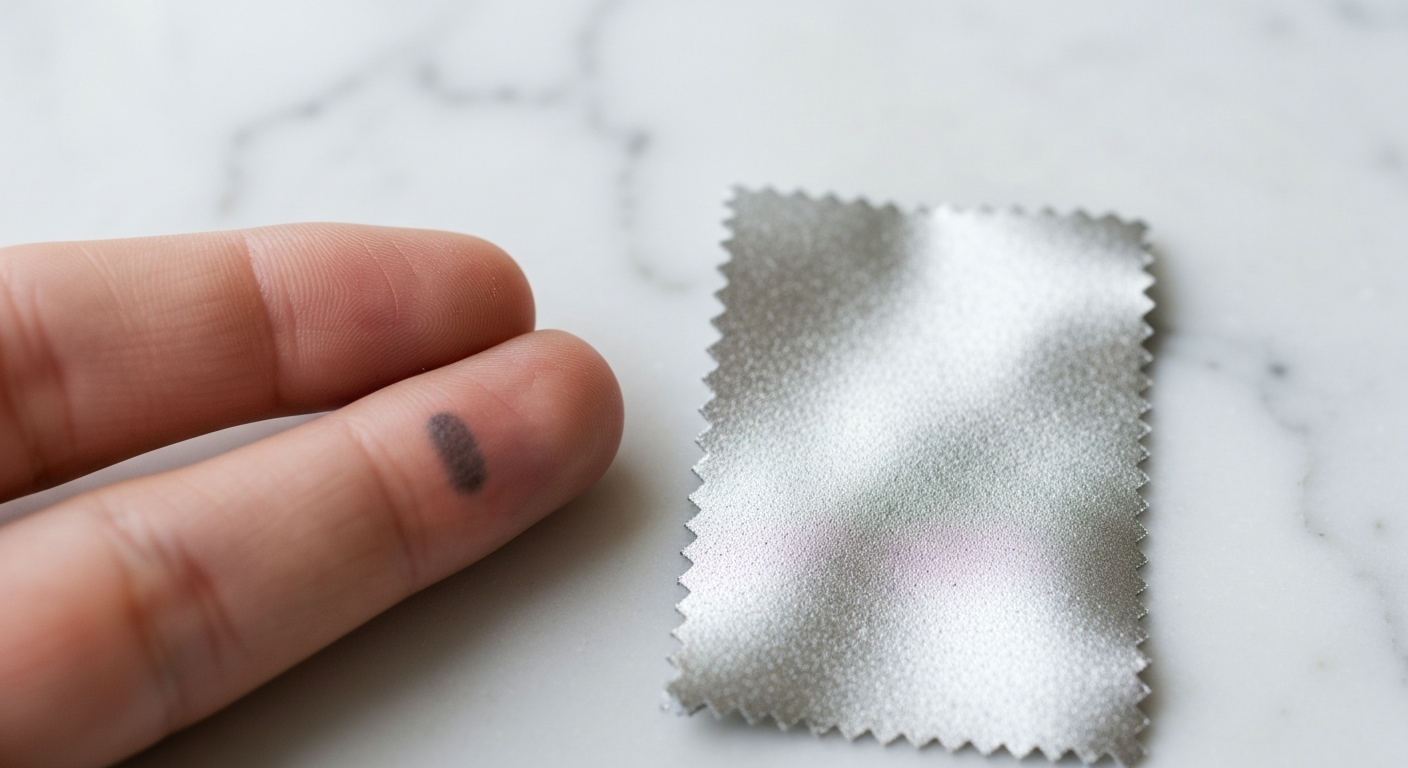

A ring turning your finger black is almost always caused by metal oxidation reacting with skin moisture, cheap alloys or plating wearing through, chemical reactions with lotions or cleaning products, or tarnishing of silver — not a sign of toxicity or a health concern in most cases.
Black discoloration under a ring is extremely common and is almost always caused by a chemical reaction between the metal, your skin chemistry, and environmental factors — it is not a sign the ring is dangerous, but it can indicate low metal quality.
The most common cause is oxidation — a chemical reaction between the metal in the ring and oxygen, moisture, and compounds on your skin. All metals oxidize to some degree; silver, copper, and alloys that contain these metals are the most prone.
When you sweat, your skin releases moisture, salts, and fatty acids. These react with metal ions at the ring surface. The resulting metal salts (often sulfides or oxides) are dark in color and transfer onto your skin, leaving a black or gray smudge. The reaction is accelerated by:
This is a surface reaction and is completely harmless. The discoloration washes off easily.
Pure gold (24k) and pure platinum do not tarnish or oxidize under normal conditions. The more alloy metals added — to increase hardness or lower cost — the more likely a ring is to blacken your skin.
Common culprits:
- 10k and 14k gold: Contain significant percentages of copper, silver, and zinc. Copper in particular forms a greenish-black sulfide easily
- Gold-filled and gold-plated rings: The gold layer is thin. Once it wears through from friction, the base metal (often brass or copper) is exposed and oxidizes rapidly
- Sterling silver (92.5% silver): The remaining 7.5% copper is what causes sterling to tarnish and leave gray marks
- Nickel-containing white gold: Nickel can cause both discoloration and allergic reactions
"Metal allergies — most commonly to nickel — affect an estimated 10–15% of the population. Reactions include dermatitis, discoloration, and rash at the contact site." — American Academy of Dermatology Contact Dermatitis Guide, American Academy of Dermatology
Chemicals in everyday products accelerate metal oxidation significantly. Chlorine (swimming pools, household bleach, cleaning sprays) reacts aggressively with copper and silver alloys. Sulfur compounds in some skin creams and lotions also trigger rapid tarnishing.
Products most likely to blacken rings:
- Hand lotions and moisturizers (remove ring before applying)
- Sunscreen (zinc oxide and titanium dioxide are abrasive and reactive)
- Dish soap and household cleaners
- Swimming pool and hot tub water (chlorine)
- Perfume and hairspray (alcohol and sulfur compounds)
A simple test: stop wearing the ring for a week and avoid these products in contact with your finger. If the discoloration fades and does not return when you rewear the ring without applying products, chemical reaction is the cause.
Individual skin chemistry varies significantly. People with more acidic skin (lower pH) or higher sweat sulfur content experience more rapid metal reactions. Some individuals who wear the same ring as a partner find one person's finger turns black while the other's does not — this reflects different skin chemistry, not ring quality.
Conditions that change skin chemistry and accelerate ring blackening include:
- Hormonal changes (pregnancy, menopause, thyroid conditions)
- Dietary changes (high sulfur foods: garlic, onions, eggs)
- Certain medications that alter sweat composition
- Iron supplements or high dietary iron
This explains why a ring you wore for years without issue can suddenly start blackening your finger.
Sterling silver tarnishes quickly — it is one of the most tarnish-prone common metals. A silver ring left unworn in a drawer will visibly darken within weeks. When worn against skin with moisture and salts, the tarnishing process accelerates and the dark silver sulfide transfers to the skin.
Polishing a silver ring with a jewelry polishing cloth removes the tarnish layer, temporarily restoring both the ring's appearance and preventing skin discoloration. Store silver rings in anti-tarnish bags or pouches when not worn.
"Silver tarnish is primarily silver sulfide, formed when silver reacts with sulfur-containing compounds in the air and on the skin. Regular polishing removes the sulfide layer and restores the original surface." — Gemological Institute of America Jewelry Care Guide, Gemological Institute of America
Nickel is used in many white gold alloys (as a whitening and hardening agent) and in inexpensive fashion jewelry. Nickel is both prone to discoloration and a common allergen. If your finger is turning black AND is itchy, red, or blistered, you may have a nickel contact allergy rather than simple oxidation.
Signs of nickel allergy versus simple tarnishing:
- Tarnishing: dark smudge, no redness or itch, washes off
- Nickel allergy: redness, scaling, vesicles (tiny blisters), persistent after washing
Nickel allergy affects an estimated 10–15% of the population. Treatment is removing the nickel source. Nickel-free rings are available in platinum, titanium, niobium, and nickel-free 18k yellow gold.
Several practical steps eliminate or reduce ring-related blackening:
- Coat the inside of the ring with clear nail polish or ring liners — this creates a barrier between the metal and your skin
- Remove the ring before washing hands, swimming, applying lotion, or cleaning
- Polish regularly with a jeweler's cloth to remove tarnish buildup
- Upgrade the metal — 18k gold contains more pure gold and less reactive alloy than 10k; platinum has no tarnish issues at all
- Check for plating wear — if a gold-plated ring is blackening, the plating has worn through and the ring should be replated by a jeweler
| ✓Our Pick |
Shop ring cleaners, jewelry polishing cloths, and ring liners Trusted by professionals and everyday users alike — a smart investment that pays for itself. See on Amazon → |
A ring turning your finger black is almost always caused by metal oxidation reacting with your skin's moisture and chemistry, low-quality alloys or worn plating, or chemical reactions with lotions and cleaning products. It is not dangerous. Clean the ring with a polishing cloth, coat the interior band with clear nail polish as a barrier, remove the ring before applying lotions or cleaning, and consider upgrading to a higher-karat gold or platinum setting if the blackening persists.
Pure 24k gold does not tarnish, but most jewelry gold is alloyed with copper, silver, and zinc to improve hardness. The copper content in 10k and 14k gold reacts with skin moisture and sulfur compounds to form dark copper sulfide. The lower the karat, the more copper present and the more prone to discoloration. Switching to 18k or higher reduces but does not always eliminate the reaction.
Not typically. Old folklore suggested ring discoloration indicated anemia or illness, but there is no scientific evidence for this. Individual skin chemistry differences — including pH, sweat composition, and dietary factors — do account for variations in tarnishing rate. A new or worsening tendency to blacken rings can reflect changes in skin chemistry from hormones, diet, or medications, but is not a diagnostic marker for any specific condition.
Yes. If a gold-plated or gold-filled ring is blackening because the plating has worn through, a jeweler can electroplate a new gold layer over the base metal. This typically costs $25–$75 depending on ring complexity and gold price. Replating is a temporary fix — the new plating will eventually wear through again, especially in areas of high contact friction like the palm side of the band.
Skin chemistry varies significantly between individuals, including pH, sweat composition, and sulfur content from diet and metabolism. One partner may tarnish metal rapidly while another wears the same ring for years without any discoloration. This is why the same ring behaves differently on different people — the metal itself has not changed.
Reviewed and Updated on June 6, 2026 by George Wright