DIY
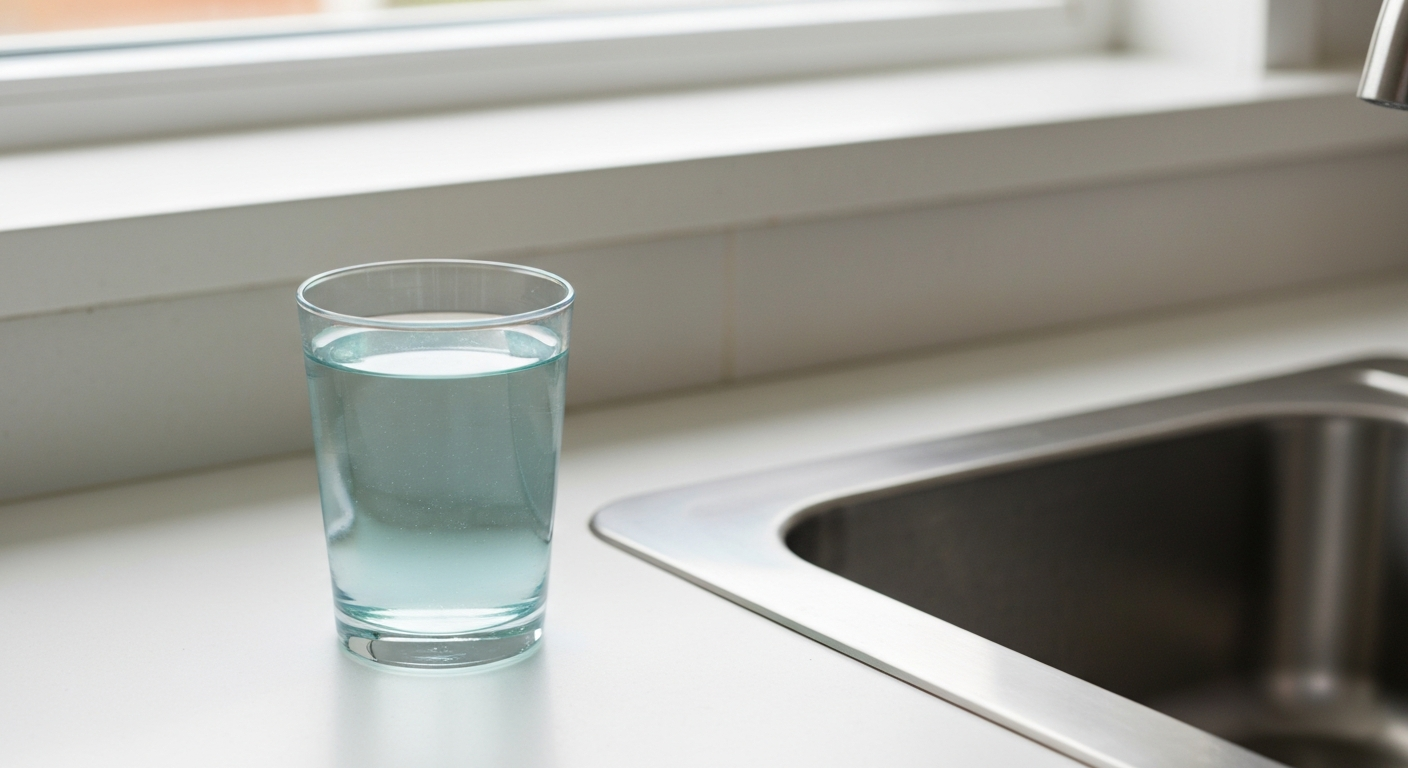

Blue water from your tap is almost always caused by copper pipe corrosion leaching into the water supply, blue toilet tank dye tablets dissolving into the bowl water, or an algae bloom in a water storage tank — most cases are identifiable within minutes and correctable without a plumber.
Blue or blue-green water discoloration is a genuine signal that something unusual is present in your water supply — either corrosion byproducts, artificial dye, or biological growth. Identifying the source is the critical first step before considering whether the water is safe to drink.
The most common cause of blue-green water from a home tap is copper pipe corrosion. When water is slightly acidic (pH below 7.0), corrosive, or high in certain minerals, it gradually dissolves copper from the interior of copper pipes. The dissolved copper ions give water a distinctive blue-green color.
Signs of copper pipe corrosion:
- Water is blue-green, especially first thing in the morning (after water has sat in the pipes overnight)
- Blue or green staining on sinks, bathtubs, and fixtures
- Metallic taste or smell
- Pinhole leaks developing in copper pipes over time
The EPA's action level for copper in drinking water is 1.3 mg/L. Above this level, long-term consumption can cause gastrointestinal issues. Do not drink or use visibly blue-green tap water for cooking until the source is identified and corrected.
"Elevated copper levels in drinking water are most commonly caused by corrosion of copper pipes and fixtures. Low pH (acidic water), high dissolved oxygen, or certain water chemistry conditions accelerate corrosion." — Environmental Protection Agency — Copper in Drinking Water, U.S. EPA
If you use blue toilet bowl cleaner tablets in the tank, the dye can migrate from the tank into the toilet bowl water — producing deep blue water in the bowl. This is completely expected and not a safety issue for the toilet water (which should not be consumed).
However, if the fill valve or flapper has a slight leak, blue dye from the tank can travel backward into the home's water supply line through back-siphonage — a plumbing code violation. Most modern plumbing has backflow preventers that make this extremely unlikely, but if you notice blue-tinted water from a tap near the toilet after adding tank tablets, inspect the fill valve for a backflow preventer.
Cyanobacteria (blue-green algae) can grow in water storage tanks, cisterns, private wells, and outdoor water features in warm weather. Cyanobacteria blooms produce blue-green water and can release toxins (cyanotoxins) that are harmful to humans, pets, and livestock.
If your water comes from a private well, cistern, or rainwater collection system and the water is blue-green and has:
- A musty, earthy, or grassy odor
- Surface scum or floating mats
- Turned blue-green after hot, sunny weather
Do not use the water for drinking, cooking, or bathing until it is tested and treated. Contact your local health department for water testing guidance.
"Cyanobacterial blooms produce toxins including microcystins and cylindrospermopsin that can cause liver damage, neurological effects, and skin rashes. Boiling does not remove cyanotoxins — they persist in boiled water." — CDC — Harmful Algal Blooms: Cyanobacteria, Centers for Disease Control and Prevention
New copper pipes release copper ions at a higher rate initially — before the interior develops a protective oxide layer. After a plumbing repair or replacement using copper pipe, the water may show slight blue-green tinting for days to weeks as the pipes condition.
Flush new copper pipes by running cold water for 2–3 minutes before using for drinking or cooking during the first weeks after installation. The discoloration should fade as the pipes passivate.
Pool water that appears intensely blue is normal — it results from the combination of the pool's light-reflecting surface and the refraction of sunlight. This is not a sign of any chemical imbalance.
However, if pool water is visibly tinted (as opposed to appearing blue due to reflection), it may indicate:
- Algaecide with copper: Some pool algaecides use copper sulfate, which turns water blue-green, particularly in hard water
- Very high chlorine: A blue-purple tint can indicate an extremely high chlorine shock dose
- Dissolved copper from salt cell pools: Electrolytic pools with copper components can leach copper into the water
Test pool water with a home kit or take a sample to a pool supply store. Copper content above 0.3 mg/L stains pool surfaces blue-green and is treated by lowering pH and using a chelating agent.
In toilets, blue water is sometimes caused by blue mouthwash rinsed into the sink drain or cleaning products used in the bowl. This clears after one or two flushes as fresh water enters the bowl.
Similarly, if a water filter or new refrigerator water line has a factory-installed blue dye packet (used to test filter seating), the first few gallons of water through the filter may be visibly blue. Run and discard the first 2–3 gallons after a new filter installation.
Spa water with a clear blue appearance is typically normal — a combination of the spa shell color, the water depth, and refracted light. However, a milky-blue appearance can indicate:
Test the water with a spa test strip to check sanitizer levels, pH, and calcium hardness. A milky-blue appearance with a high pH and calcium hardness often responds to pH balancing and a water clarifier.
| ✓Our Pick |
Shop Svirson countertop and under-sink water filters for clean tap water Used by over 10,000 satisfied customers — an easy, affordable option you can start using today. Learn More → |
| Where Is the Blue Water? | Most Likely Cause | Safe? |
|---|---|---|
| Tap water (blue-green) | Copper pipe corrosion | Do not drink until tested |
| Toilet bowl only | Tank dye tablets | Safe — expected |
| Private well, cistern | Algae bloom or cyanobacteria | Do not use — get tested |
| After new plumbing | New copper pipes leaching | Flush well; temporary |
| Swimming pool | Algaecide or copper | Test water; treat if needed |
| First run from new filter | Factory dye packet | Run 2–3 gallons to clear |
Blue water from the tap is almost always copper pipe corrosion — especially if it is blue-green, appears first thing in the morning, and stains fixtures. Do not drink blue-green tap water until it is tested. Blue toilet bowl water from tank tablets is harmless and expected. Blue-green water from a private well or cistern may indicate a cyanobacteria bloom, which is a health hazard — do not use until tested. A water filter certified for heavy metals removes copper from tap water after the source is identified and addressed.
No — not until tested. Blue-green tap water typically indicates elevated copper from pipe corrosion. The EPA action level is 1.3 mg/L; above this level, long-term consumption causes gastrointestinal issues and, at very high levels, liver and kidney damage. Run the tap for 2–3 minutes first thing in the morning to flush the standing water from pipes, then have the water tested by a certified laboratory.
The long-term fix is addressing the water chemistry causing corrosion. Acidic water (low pH) is the most common cause — a pH adjustment system at the point of entry neutralizes the water and stops copper leaching. In the short term, install a point-of-use water filter certified for copper removal at the kitchen tap. Contact your water utility to test the pH and corrosiveness of your municipal water supply.
If no blue dye is present in the tank and the toilet water is blue, check whether a neighbor's water supply issue or a backflow event has affected your line, whether someone used a blue cleaning product in the bowl recently, or whether blue-tinted water is coming from the supply line (indicating a potential copper pipe issue). Flush several times — if the blue persists with fresh water fills, the issue is in the supply line.
Yes. Water filters using activated carbon and ion exchange media (NSF/ANSI 53 certified) reduce copper content from tap water. Reverse osmosis systems are more effective, reducing copper by 95%+ at the point of use. However, filters address the symptom — the dissolved copper in the water at your tap — not the underlying cause of pipe corrosion. Correcting the water chemistry is the permanent solution.
Reviewed and Updated on June 6, 2026 by George Wright