
Health
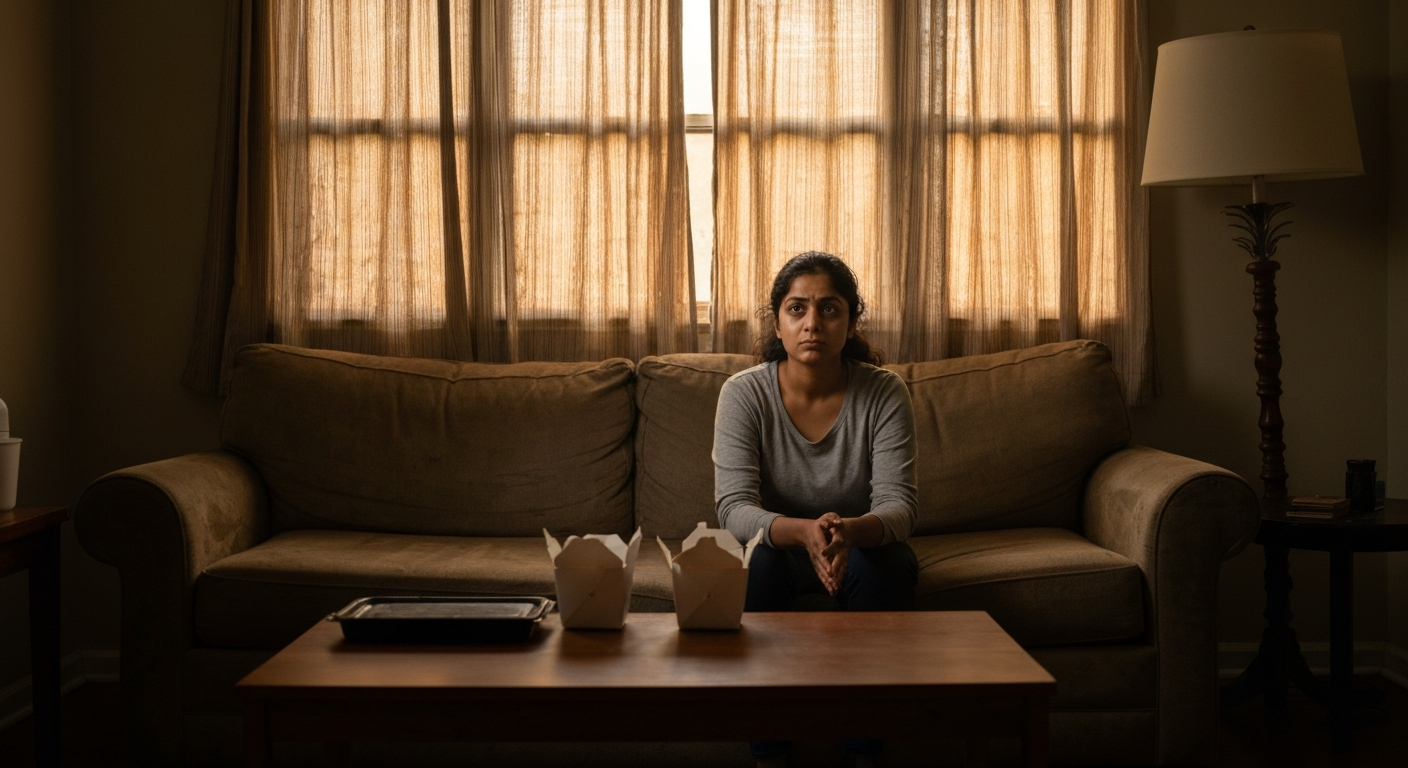

Life feels boring when you're stuck in an unbroken loop of predictable routines, passive consumption, and low-stakes days that blur together without meaningful challenge or connection. The sensation isn't a character flaw — it's a signal that your brain craves novelty, purpose, and engagement that your current lifestyle isn't delivering. Understanding the specific reasons behind your boredom is the first step toward building a life that actually energizes you.
Boredom is your brain's way of telling you that something fundamental is missing — whether that's challenge, variety, connection, or a sense of forward motion.
Modern life has engineered away most discomfort, which sounds like progress until you realize that comfort without contrast becomes numbness. You can order food without speaking to anyone, work without leaving your couch, and "socialize" without making eye contact. The friction that once forced engagement has been polished smooth, and your brain — evolved for problem-solving in unpredictable environments — is left spinning its wheels.
"Boredom is not a result of having nothing to do but of being unable to engage with one's environment in a meaningful way." — Dr. John Eastwood at York University
The feeling intensifies when days become interchangeable. If you can't distinguish last Tuesday from any other Tuesday, your brain stops encoding new memories because nothing is worth remembering. Time seems to accelerate — not because you're having fun, but because you're on autopilot.
Boredom rarely has a single cause — it's usually a combination of routine stagnation, passive habits, and unmet psychological needs stacking up until life feels flat.
Routines are efficient, but efficiency isn't the same as fulfillment. When every day follows the same script — wake up, commute, work, screens, sleep — your brain stops paying attention. Neuroscientists call this "habituation," and it's why you don't notice the hum of your refrigerator anymore. Your life becomes background noise to itself.
The fix isn't chaos; it's strategic novelty. Even small disruptions — a different route, a new podcast genre, lunch somewhere unfamiliar — force your brain back online.
Scrolling, streaming, and spectating feel like activity, but they're neurologically closer to sleep than engagement. Passive consumption asks nothing of you, which means it gives nothing back. Four hours of watching other people cook, travel, or argue on reality TV leaves you exactly where you started — except now you're also tired.
| ✓Our Pick |
Science-backed supplements for energy, focus, and motivation No special skills required — straightforward to use and most orders ship quickly. Learn More → |
Active engagement — making, building, playing, creating — triggers dopamine in a way that passive watching can't replicate. The distinction matters: consuming content about interesting lives is not the same as having one.
Human brains are wired for growth. When you stop learning or struggling, boredom fills the vacuum. This is why people often feel more alive during difficult periods than easy ones — struggle creates stakes, and stakes create attention.
"The experience of boredom often relates to a mismatch between skill and challenge. When tasks are too easy, people feel understimulated." — Mihaly Csikszentmihalyi, originator of flow theory
If nothing in your life requires you to stretch, you'll shrink.
Loneliness and boredom are close cousins. Surface-level interactions — small talk, work pleasantries, comment sections — don't satisfy the human need for genuine connection. You can be surrounded by people and still feel profoundly alone if none of those relationships involve vulnerability, shared experiences, or mutual investment.
Deep friendships take time and proximity, both of which modern life makes difficult. Remote work, frequent moves, and algorithmic social media have fragmented the social fabric that used to form naturally.
Also Read: Why Is My Heart Skipping Beats? 8 Causes & When to Worry
Without something to move toward, every direction feels the same — which is to say, pointless. Goals provide structure, motivation, and a reason to get out of bed. They don't need to be grandiose; "learn to make bread" is as valid as "start a company" if it gives you a target to aim for.
Aimlessness masquerades as freedom, but it usually just feels empty.
Your phone is designed by some of the smartest engineers alive to be maximally engaging. That constant stream of notifications, updates, and content spikes your dopamine so frequently that normal life can't compete. When you've trained your brain to expect instant gratification, slow pleasures — reading, conversation, nature — register as boring by comparison.
This isn't willpower failure; it's neurological adaptation. Your baseline has shifted.
Boredom feels psychological, but it often has physical roots. Sleep deprivation, poor nutrition, dehydration, and sedentary habits all impair your brain's ability to engage. Depression and boredom share symptoms — low motivation, anhedonia, fatigue — and one can trigger the other.
Sometimes "my life is boring" is really "my body is struggling."
Breaking out of boredom requires deliberate action — small experiments in novelty, challenge, and connection that gradually shift your baseline from autopilot to engaged.
You don't need to quit your job or move abroad. Begin with tiny changes that force your brain to pay attention:
These feel trivial, but they interrupt the habituation loop.
Commit to doing one thing each week that makes you slightly uncomfortable. This could be a workout class, a conversation with a stranger, a creative project, or learning a single phrase in a new language. The activity matters less than the fact that it's novel and requires effort.
Audit your screen time. For every hour of passive consumption, try adding 15 minutes of creation — writing, cooking, drawing, playing music, building something. The ratio doesn't need to be perfect; the shift in orientation is what matters.
Schedule time with people who know you well, or invest in building those relationships. Shared experiences — hiking, cooking together, game nights — bond faster than conversation alone. If you're isolated, consider structured social activities: classes, clubs, volunteering.
Pick something achievable but meaningful that you can accomplish in three months. Train for a 5K, learn 100 words in a new language, write a short story, save for a trip. The specific goal matters less than having one.
Move social media apps off your home screen. Set daily limits. Charge your phone in another room at night. These small barriers won't eliminate digital consumption, but they interrupt the mindless reach-for-phone reflex.
Also Read: Why Is My Body Shaking for No Reason at Night? 8 Causes
Sleep 7–9 hours, move your body daily, drink water, eat actual food. These are boring suggestions because they work, and because no amount of life optimization matters if your brain is running on fumes.
| Foundation | Minimum Target | Why It Matters |
|---|---|---|
| Sleep | 7 hours/night | Memory, mood, motivation |
| Movement | 30 min/day | Dopamine, energy, stress relief |
| Hydration | 8 glasses/day | Cognitive function, energy |
| Nutrition | Whole foods daily | Blood sugar stability, focus |
Book something in your future — a trip, a concert, a dinner with friends. Anticipation activates the same reward circuits as the event itself, stretching the pleasure across weeks or months.
Pick a skill that feels slightly beyond your current abilities. The struggle itself generates engagement. Chess, coding, an instrument, a language — the specifics don't matter, but the challenge does.
If these suggestions feel impossible or pointless, the issue may be clinical depression rather than situational boredom. Depression flattens everything, making even enjoyable activities feel meaningless. If boredom persists alongside hopelessness, changes in sleep or appetite, or withdrawal from things you used to enjoy, talking to a mental health professional is the right next step.
Life feels boring when routine dominates, challenge disappears, and connection fades — but the fix doesn't require dramatic upheaval. Small, consistent disruptions to your autopilot habits can shift your brain from numbed to engaged. Focus on active creation over passive consumption, prioritize relationships that go deeper than surface level, and give yourself something to work toward. If the boredom persists despite your efforts, it's worth exploring whether underlying sleep issues, physical health, or depression are amplifying the problem.
Material comfort doesn't satisfy the brain's need for challenge, growth, and novelty. When survival is handled, your psychology shifts to higher-order needs — meaning, connection, self-expression — that possessions can't fulfill. The "everything I need" baseline also raises your expectations, making ordinary pleasures less satisfying by comparison.
Novelty doesn't require spending. Walk unfamiliar neighborhoods, learn free skills online, rearrange your space, cook a cuisine you've never tried with basic ingredients, start a creative project with materials you already own. Boredom is more about repetition than resources — breaking patterns costs nothing.
It can be. Boredom and anhedonia (the inability to feel pleasure) overlap significantly. If your boredom comes with persistent low mood, sleep changes, appetite shifts, or hopelessness, it may indicate depression rather than situational boredom. A mental health professional can help distinguish between the two.
Some people have a higher need for stimulation due to temperament, dopamine system differences, or simply more exposure to high-stimulation environments. Heavy phone use and constant entertainment raise your threshold for engagement, making normal life feel dull. Reducing digital stimulation can help recalibrate your baseline.
Persistent boredom despite genuine effort often points to something deeper — undiagnosed depression, unmet needs you haven't identified, or a life structure fundamentally misaligned with your values. Talking to a therapist can help unpack what's actually missing when surface-level fixes don't work.
Reviewed and Updated on May 30, 2026 by George Wright