
Pets
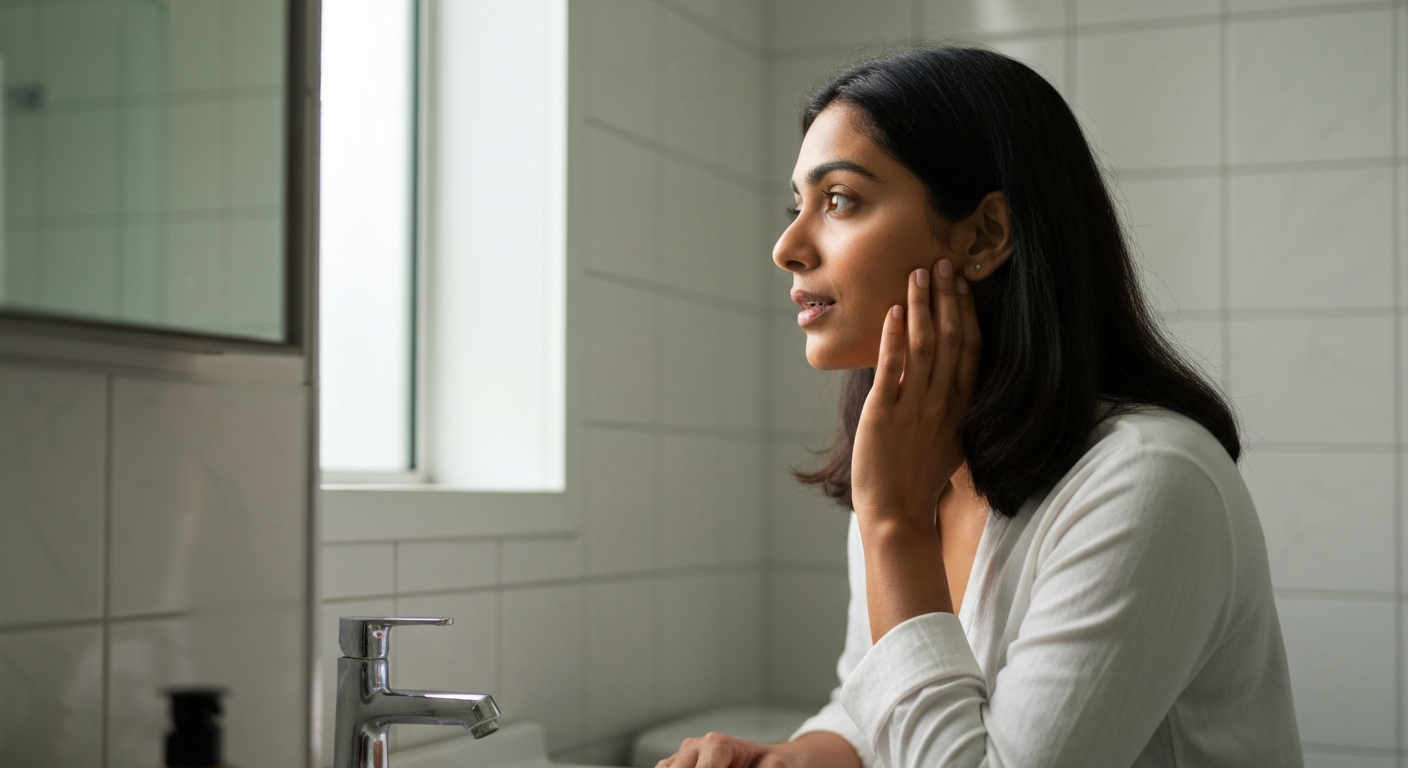

An uneven jawline is almost always normal — most people have some degree of facial asymmetry caused by genetics, habitual behaviors like chewing on one side, sleeping position, or natural skeletal differences that develop over time.
True facial symmetry is rare; studies show that nearly everyone has measurable differences between the left and right sides of their face. While a slightly uneven jaw rarely indicates a medical problem, sudden changes, pain, or significant asymmetry that affects function may warrant professional evaluation.
Also Read: Why Is My Jaw Locking Up? 6 Causes & How to Fix It
Jawline asymmetry develops from a combination of genetic factors, lifestyle habits, dental issues, and sometimes underlying medical conditions — understanding which category your asymmetry falls into helps determine whether any intervention is needed.
Your jawline is shaped by bone structure, muscle development, fat distribution, and soft tissue. When any of these elements differ between the left and right sides — which they almost always do to some degree — you notice asymmetry. The causes range from completely benign to occasionally concerning.
Yes, and it's more pronounced than most people realize. Research published in the Journal of Craniofacial Surgery found that 100% of study participants had measurable facial asymmetry. The human brain is remarkably good at perceiving faces as symmetrical even when they're not, which is why you may suddenly "notice" asymmetry that has always been there.
"Facial asymmetry is a normal finding in virtually all individuals. Perfect bilateral symmetry does not exist in nature." — Dr. Stephen Marquardt, oral and maxillofacial surgeon, via the National Institutes of Health
Favoring one side of your mouth when you chew is one of the most common causes of noticeable jawline asymmetry. The masseter muscle (the large muscle that powers chewing) becomes more developed on the dominant side, creating visible differences in jaw width and shape.
This happens gradually over years and is especially common in people who:
The good news is that muscular asymmetry can often be improved by consciously alternating chewing sides or through targeted exercises.
Sleeping on the same side night after night can contribute to facial asymmetry over time. The sustained pressure against your pillow compresses soft tissue and can even influence bone remodeling, particularly if you started the habit in childhood or adolescence when facial bones were still developing.
Side sleepers often notice that the side they sleep on appears flatter or less defined than the opposite side.
While most uneven jawlines are harmless, certain medical conditions can cause or worsen asymmetry — these typically involve the jaw joint, skeletal development, or muscular function.
| Condition | What It Is | Key Signs |
|---|---|---|
| TMJ disorder | Dysfunction of the temporomandibular joint | Jaw pain, clicking, locking, difficulty opening mouth |
| Hemifacial microsomia | Underdevelopment of one side of the face | Present from birth, affects ear, jaw, and cheek |
| Torticollis | Neck muscle tightness causing head tilt | Often starts in infancy, neck stiffness |
| Arthritis | Joint inflammation affecting the TMJ | Progressive asymmetry, pain, stiffness |
| Condylar hyperplasia | Overgrowth of one jaw condyle | Gradual worsening asymmetry, typically in teens |
Temporomandibular joint (TMJ) disorder can cause one side of your jaw to sit differently than the other. When the joint on one side is inflamed, worn, or displaced, the jaw shifts out of alignment. Over time, this can create visible asymmetry in addition to symptoms like clicking, popping, or pain when opening your mouth.
TMJ-related asymmetry often gets worse with stress because jaw clenching and teeth grinding (bruxism) intensify during tense periods.
Absolutely. Missing teeth, poorly aligned bites (malocclusion), and even poorly fitting dental work can force your jaw into an unnatural position. When your bite is off, you compensate — and that compensation shows up as muscular imbalances and eventually asymmetry.
Common dental causes include:
"Malocclusion doesn't just affect your smile — it changes how your jaw muscles work and can lead to visible facial asymmetry over time." — American Association of Orthodontists
Before deciding whether to seek treatment, it helps to understand whether your asymmetry is within the normal range or represents something that could benefit from professional evaluation.
Stand in front of a mirror in good lighting and look straight ahead. Most people first notice their asymmetry in photographs (especially selfies) rather than in mirrors, because the camera captures what others see while the mirror shows a reversed image.
Try this simple assessment:
If your asymmetry is subtle, stable (hasn't changed recently), and painless, it likely falls within the normal range that nearly everyone has.
Seek professional evaluation if your asymmetry appeared suddenly, is getting progressively worse, involves pain or functional problems, or if you're under 25 and notice significant changes in jaw shape.
Red flags that warrant a dental or medical consultation:
For concerning symptoms, your first stop should typically be your dentist, who can assess your bite and TMJ function. They may refer you to an oral surgeon, orthodontist, or ENT specialist depending on what they find.
Also Read: Why Is My Lower Back Hurting? 10 Causes & How to Fix It
Treatment options range from simple habit changes and exercises to dental correction and, in severe cases, surgical intervention — the right approach depends on what's causing your asymmetry.
For muscular asymmetry (the most common type), targeted exercises can help balance the muscles on both sides of your face. These won't change bone structure, but they can improve the appearance of asymmetry caused by uneven masseter development.
Effective approaches include:
Results take consistency — expect to spend 10-15 minutes daily for several months before seeing noticeable changes.
"Mewing" — the practice of maintaining specific tongue posture popularized online — has devoted followers who claim it can reshape the jaw. The theory is that keeping your tongue pressed against the roof of your mouth encourages forward facial development and better jaw alignment.
Scientific evidence is limited. While proper tongue posture is important for breathing and swallowing, the dramatic reshaping results some claim are not well-supported by research, particularly in adults whose facial bones have stopped growing.
| Treatment | Best For | What to Expect |
|---|---|---|
| Orthodontics (braces/aligners) | Bite-related asymmetry | 12-24 months, addresses underlying cause |
| Botox to masseter | Muscular asymmetry | Reduces overdeveloped side, 3-6 month results |
| Dermal fillers | Soft tissue asymmetry | Adds volume to underdeveloped side, temporary |
| TMJ treatment | Joint-related asymmetry | Night guard, physical therapy, medication |
| Orthognathic surgery | Severe skeletal asymmetry | Major procedure, permanent bone repositioning |
For TMJ-related asymmetry, a custom night guard can prevent further damage from teeth grinding and help the jaw settle into a more natural position over time.
| ✓Our Pick |
Custom night guard for teeth grinding and jaw pain Consistently earns five-star reviews — reliable, well-supported, and genuinely effective. Learn More → |
Jawline asymmetry is nearly universal — almost everyone has some difference between the left and right sides of their face. Common causes include chewing habits, sleeping position, dental alignment, and genetics. Most asymmetry is cosmetic and harmless, but sudden changes, pain, or functional problems warrant professional evaluation. Treatment options range from exercises and habit changes to orthodontics and, rarely, surgery. If your asymmetry is stable and pain-free, it's likely just a normal part of your unique facial structure.
Mirrors show a reversed image of your face — the version you're most accustomed to seeing. Photographs show what others see, which can make asymmetry more jarring because it's unfamiliar. Additionally, camera lenses (especially on smartphones) can distort facial proportions depending on angle and distance, sometimes exaggerating asymmetry that's barely noticeable in person.
If your jawline asymmetry is caused by malocclusion (a misaligned bite), orthodontic treatment can help by repositioning your teeth and allowing your jaw to settle into proper alignment. However, braces and aligners primarily move teeth — they don't directly change bone structure. For severe skeletal asymmetry, orthodontics may be combined with jaw surgery.
Sudden jawline changes are more concerning than gradual asymmetry. Possible causes include TMJ flare-ups, dental infections, trauma, swelling from an allergic reaction, or rarely, growths affecting the jaw. If you notice a rapid change in your jaw shape, especially with pain or swelling, see a dentist or doctor promptly.
Facial asymmetry can become more noticeable with age due to changes in bone density, muscle tone, fat distribution, and skin elasticity. The natural aging process affects the two sides of your face at different rates. Additionally, decades of habitual behaviors (one-sided chewing, sleeping position) compound their effects over time.
Stress doesn't directly cause asymmetry, but it can worsen it. Stress often leads to increased jaw clenching and teeth grinding (bruxism), which overdevelops the masseter muscles and can strain the TMJ. Over time, chronic stress-related jaw tension can contribute to both visible asymmetry and TMJ dysfunction.
Reviewed and Updated on May 30, 2026 by George Wright