Health
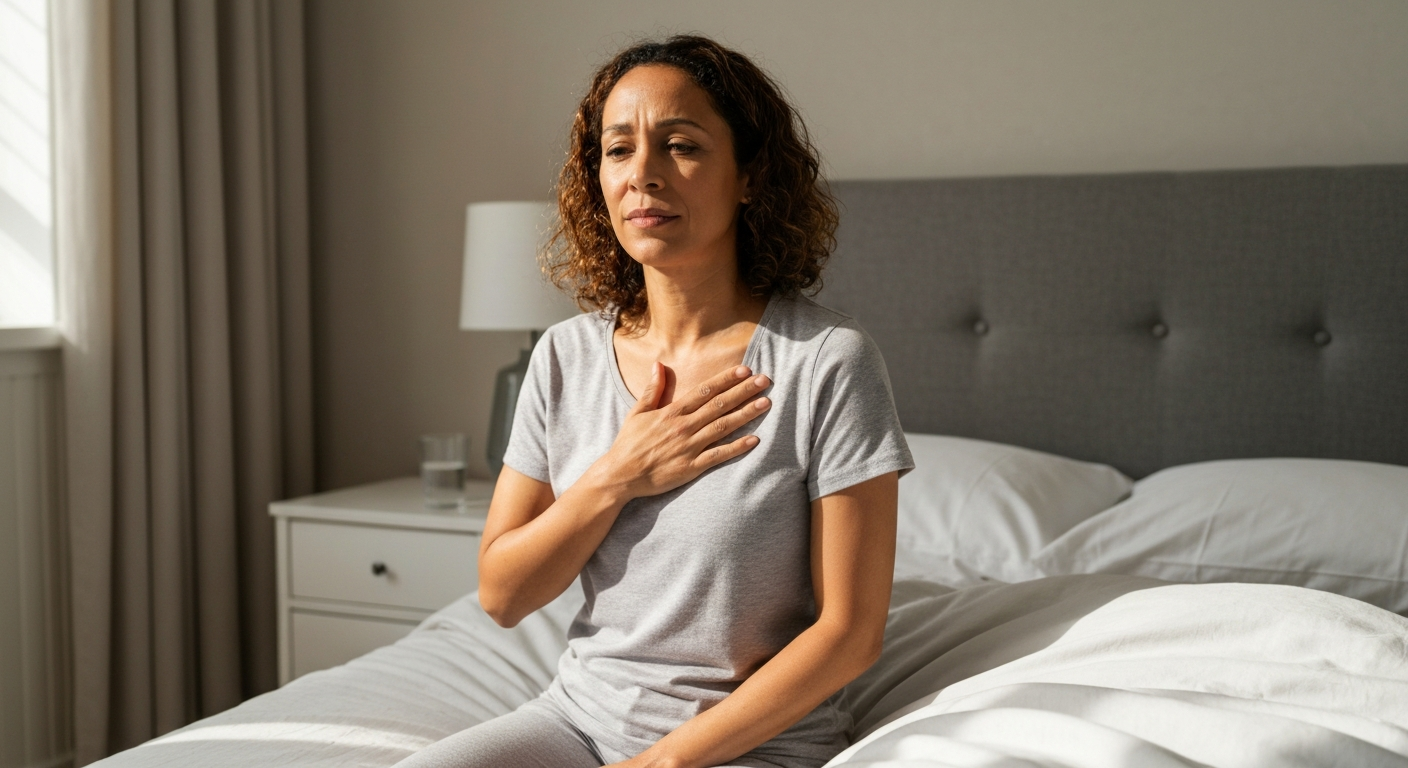

Your heart is most likely skipping beats because of premature ventricular contractions (PVCs) or premature atrial contractions (PACs) — extra heartbeats that start in your heart's lower or upper chambers and briefly disrupt your normal rhythm, creating that unsettling flutter, flip, or pause sensation in your chest.
These extra beats are extremely common: nearly everyone experiences them at some point, and in most cases they're completely harmless. Triggers like caffeine, stress, poor sleep, or dehydration can make your heart skip beats more frequently. However, when skipped beats happen often, come with dizziness or chest pain, or occur alongside a racing heart, they may signal an underlying condition that needs medical attention.
| ✓Our Pick |
Continuous sleep, HRV, and heart-rate monitoring without a subscription This is what many people find solves the problem quickly, without a costly professional visit. Learn More → |
When your heart "skips a beat," you're actually feeling an extra heartbeat that fires earlier than expected, followed by a compensatory pause that makes the next normal beat feel stronger — this creates the sensation of a skip, flutter, or thump in your chest.
The medical term for these sensations is palpitations, and the irregular beats themselves are called ectopic beats. Your heart has its own electrical system that coordinates each heartbeat. Sometimes, a rogue electrical signal fires from somewhere other than the sinoatrial node (your heart's natural pacemaker), causing an early contraction.
There are two main types:
| Type | Origin | Sensation | Prevalence |
|---|---|---|---|
| Premature Ventricular Contractions (PVCs) | Lower heart chambers (ventricles) | Strong thump or flip-flop | Occur in up to 75% of healthy adults |
| Premature Atrial Contractions (PACs) | Upper heart chambers (atria) | Flutter or brief pause | Even more common than PVCs |
The "skipped" feeling isn't actually a missed beat — it's your heart beating slightly out of sync, then resetting to its normal rhythm.
Understanding why your heart is skipping beats so much starts with identifying your personal triggers — most causes are lifestyle-related and highly correctable.
Caffeine stimulates your central nervous system and increases adrenaline release, which can make your heart more excitable and prone to extra beats. Coffee, energy drinks, pre-workout supplements, and even some medications contain caffeine. If you notice more skipped beats after your morning coffee or an afternoon energy drink, try cutting back gradually and see if the frequency decreases.
Absolutely. When you're stressed or anxious, your body releases cortisol and adrenaline — hormones that prepare you for "fight or flight." These hormones make your heart beat faster and stronger, and they can also trigger premature beats. Chronic stress keeps these hormone levels elevated, which explains why some people notice their heart skipping beats much more during difficult periods of their lives.
"Stress and anxiety are among the most common triggers for palpitations. The release of stress hormones can cause the heart to beat irregularly." — Dr. Shephal Doshi, cardiac electrophysiologist at Providence Saint John's Health Center
Poor sleep disrupts your autonomic nervous system (the part that controls heart rate, breathing, and other automatic functions). Studies show that sleep deprivation increases sympathetic nervous activity, making your heart more reactive and prone to irregular rhythms. If you've been sleeping poorly and notice your heart skipping beats more often, the two are almost certainly connected.
Also Read: Why Is My Body Shaking for No Reason at Night? 8 Causes
When you're dehydrated, your blood volume drops and your electrolyte balance shifts — both of which affect your heart's electrical system. Sodium, potassium, calcium, and magnesium all play critical roles in generating the electrical signals that coordinate each heartbeat. Low levels of any of these can make premature beats more likely.
Alcohol is a known trigger for atrial fibrillation and other arrhythmias. Even moderate drinking can cause your heart to skip beats more frequently. The phenomenon is so common it has its own name: "holiday heart syndrome," referring to the spike in arrhythmias doctors see after weekends or holidays when people drink more than usual.
Hormonal fluctuations — during menstruation, pregnancy, perimenopause, or menopause — can trigger palpitations. Estrogen and progesterone influence heart rate and blood vessel function, and shifts in these hormones can make your heart more susceptible to irregular beats. Many women notice increased palpitations during their luteal phase or during hot flashes.
Several medications can trigger or worsen palpitations:
If your skipped beats started or worsened after beginning a new medication, speak with your doctor about alternatives.
In a minority of cases, frequent skipped beats indicate an underlying cardiac issue:
These conditions usually come with other symptoms like breathlessness, fatigue, chest discomfort, or dizziness — not just isolated skipped beats.
Most skipped heartbeats are benign and need no treatment, but certain patterns and accompanying symptoms distinguish harmless palpitations from those requiring medical evaluation.
Track your symptoms by noting:
"If someone is having palpitations and they have no other symptoms, they're feeling well, they're exercising normally, there's no family history of sudden death, then the likelihood that this is something dangerous is very, very low." — Dr. John Mandrola, cardiac electrophysiologist
A useful self-check: Can you exercise normally without symptoms worsening? If your skipped beats don't increase with exertion and you have no other cardiac symptoms, they're almost certainly harmless PVCs or PACs.
Seek medical evaluation if your skipped beats are frequent (more than a few per minute), increasing in frequency, or accompanied by fainting, severe dizziness, chest pain, or shortness of breath.
Schedule an appointment with your doctor if you experience:
Go to the emergency room immediately if you have:
Your doctor will likely order an electrocardiogram (ECG) to capture your heart's electrical activity. If skipped beats are infrequent, you may wear a Holter monitor (a portable ECG) for 24–48 hours or a longer-term event monitor for up to 30 days.
Also Read: Why Is My Blood Pressure High in the Morning? 7 Causes & Fixes
Lifestyle modifications successfully eliminate or dramatically reduce skipped beats for most people — start with the highest-impact changes: sleep, hydration, and stimulant reduction.
When you feel your heart skipping, try these vagal maneuvers to reset your rhythm:
| Change | Why It Helps | How to Implement |
|---|---|---|
| Reduce caffeine | Lowers cardiac excitability | Limit to 200mg daily (about 2 small coffees); avoid after noon |
| Prioritize sleep | Stabilizes autonomic nervous system | Aim for 7–9 hours; maintain consistent sleep/wake times |
| Stay hydrated | Maintains electrolyte balance | Drink half your body weight in ounces daily |
| Manage stress | Reduces adrenaline and cortisol | Daily meditation, exercise, or breathing practices |
| Limit alcohol | Prevents "holiday heart" | No more than 1 drink daily; consider eliminating entirely |
| Exercise regularly | Strengthens heart and reduces resting heart rate | 150 minutes moderate activity weekly |
| Avoid triggers | Eliminates direct causes | Keep a symptom diary to identify your personal triggers |
Certain supplements support heart rhythm when deficiencies exist:
Always consult your doctor before starting supplements, especially if you take heart medications.
When lifestyle changes aren't enough, medical treatments ranging from beta-blockers to catheter ablation can effectively control frequent or symptomatic premature beats.
Your doctor may recommend:
For most people with benign PVCs or PACs, reassurance and lifestyle modification are sufficient. Treatment is typically reserved for those with very frequent episodes (more than 10,000 PVCs per day), significant symptoms, or evidence that the irregular beats are affecting heart function.
Most skipped heartbeats are premature contractions that feel alarming but pose no health risk — they're your heart's normal electrical system occasionally misfiring, usually triggered by caffeine, stress, poor sleep, or dehydration. Reducing these triggers resolves symptoms for most people. See a doctor if skipped beats are frequent, increasing, or accompanied by chest pain, fainting, or breathlessness — these patterns warrant an ECG and possibly further testing to rule out underlying arrhythmias.
Random skipped beats throughout the day are almost always benign PVCs or PACs triggered by fluctuating stress hormones, caffeine metabolism, hydration levels, or digestive activity (a full stomach can press against your heart). These triggers vary throughout your day, which explains the seemingly random pattern. If they occur only occasionally and you feel otherwise fine, they're unlikely to indicate any problem.
An increase in skipped beats typically signals that one or more triggers has intensified — you may be sleeping less, consuming more caffeine, experiencing more stress, or fighting an infection. Viral illnesses commonly increase palpitations. Hormonal changes (menstrual cycle, perimenopause) also cause temporary surges. Track your triggers for a week to identify the pattern.
Yes. Anxiety directly activates your sympathetic nervous system, flooding your body with adrenaline and making your heart more electrically excitable. Chronic anxiety keeps this system activated, leading to frequent premature beats. Many people enter a cycle where noticing palpitations increases anxiety, which triggers more palpitations. Treating the underlying anxiety often eliminates the skipped beats entirely.
Skipped beats that decrease or disappear during exercise are generally benign — PVCs often improve with exertion because your heart rate becomes more regular at higher rates. However, if skipped beats begin or worsen during exercise, especially if accompanied by lightheadedness or chest discomfort, you should stop exercising and consult a cardiologist before resuming vigorous activity.
Nighttime palpitations aren't inherently more dangerous, but they're more noticeable because you're lying still in a quiet environment. Your body also shifts toward parasympathetic ("rest and digest") nervous system activity at night, which can change heart rhythm patterns. If palpitations regularly wake you from sleep or are accompanied by gasping or choking, mention this to your doctor — sleep apnea can trigger arrhythmias.
Reviewed and Updated on May 30, 2026 by George Wright