
Technology
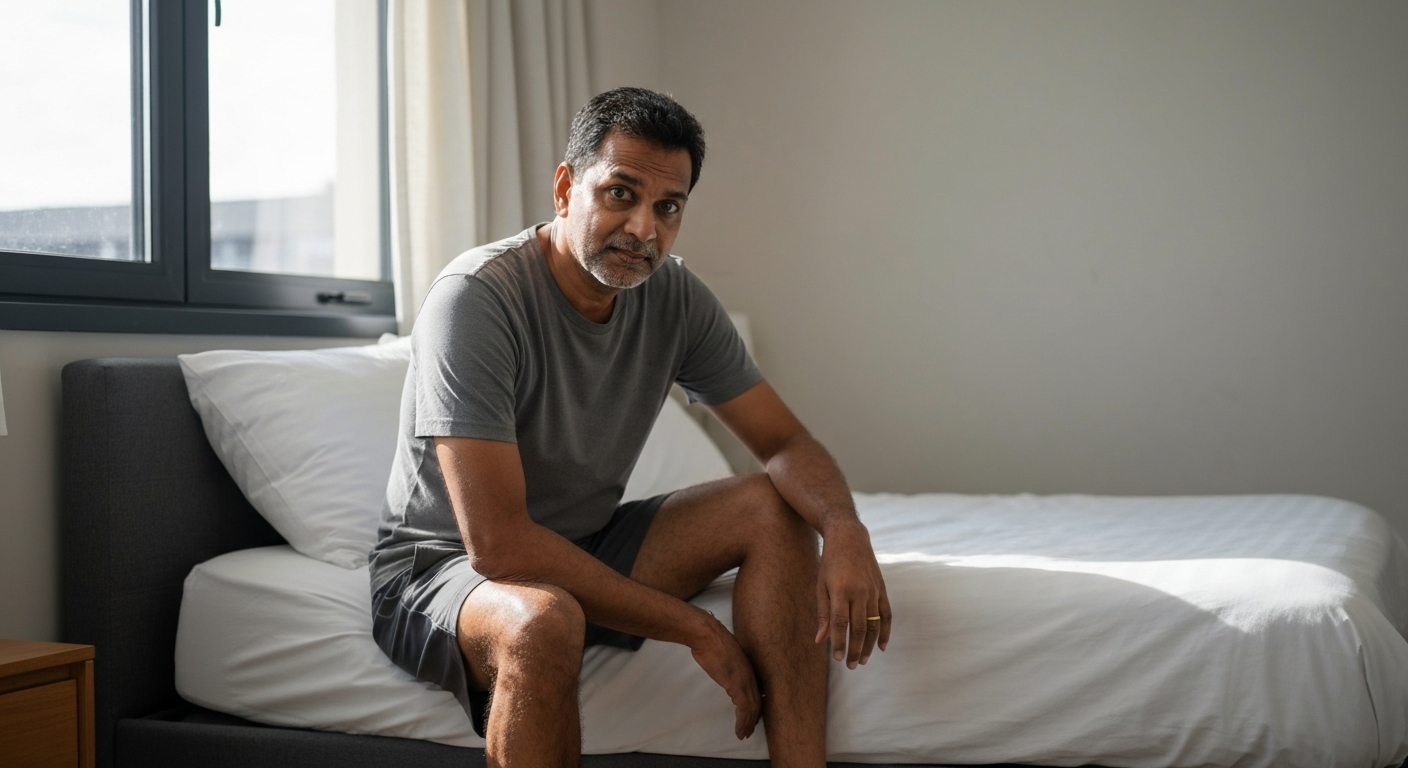

Your knee is popping because gas bubbles are bursting inside the joint fluid, tendons are snapping over bony structures, or cartilage surfaces are catching as they glide—most of which is completely harmless and doesn't require treatment.
Knee popping, cracking, and snapping sounds are incredibly common. If you're hearing these noises when you walk, climb stairs, or bend your knee, you're far from alone. The medical term for these joint sounds is "crepitus," and in most cases, they're nothing more than your knee's normal mechanical behavior. However, when popping comes with pain, swelling, or instability, it can signal something that needs attention.
| ✓Our Pick |
Knee support braces for daily walking and joint stability You'll wonder why you didn't try this sooner — practical, well-reviewed, and easy to get started. See on Amazon → |
| ✓Our Pick |
Clear Wellness 360 — joint support, collagen, gut health, and menopause relief supplements; also formulated for pet mobility and arthritis One of the highest-rated products in its category — a reliable fix used by thousands of people. Learn More → |
The popping sound in your knee when walking or bending typically comes from one of three mechanisms: gas bubble release, soft tissue movement, or changes in cartilage surfaces.
Understanding which type of popping you're experiencing helps determine whether it's benign or worth investigating further. Let's break down each cause.
The most common and most harmless cause of knee popping is cavitation—the formation and collapse of gas bubbles in your synovial fluid. Your knee joint is surrounded by a capsule filled with synovial fluid, which lubricates and cushions the joint. This fluid contains dissolved gases like nitrogen, oxygen, and carbon dioxide.
When you bend your knee, pressure changes inside the joint. This sudden pressure shift causes dissolved gases to form tiny bubbles, which then collapse rapidly. The collapse creates that familiar popping or cracking sound. Think of it like opening a can of soda—the pressure release creates noise.
This type of popping is painless and temporary. You'll notice you can't reproduce the same pop immediately; the gases need about 20 minutes to redissolve before they can cavitate again.
Another common cause of knee popping is soft tissue movement. Tendons and ligaments around your knee can snap or slide over bony prominences as you move. This is particularly common with:
This snapping sensation often feels like something is "catching" and then releasing. It's usually painless, though it can be startling. Athletes, runners, and people who sit for long periods often notice this type of popping more frequently.
Your knee contains two types of cartilage: the smooth articular cartilage covering bone ends, and the meniscus—a C-shaped cushion between your thigh bone and shin bone. Changes to either can cause popping sounds.
When articular cartilage becomes rough or worn (a condition called chondromalacia), the surfaces no longer glide smoothly. Instead, they catch and release, creating grinding or popping sounds. Similarly, a torn meniscus can cause popping when the damaged portion flips or catches during movement.
"Crepitus, or joint sounds, can be a normal finding and does not necessarily indicate pathology. However, when accompanied by pain or swelling, it warrants further evaluation." — American Academy of Orthopaedic Surgeons
| ✓Quick Fix |
The Go-To Fix for This Right Now Quick to get, easy to try — a sensible first move while you figure out next steps. See on Amazon → |
Beyond the basic mechanisms, several specific conditions commonly cause knee popping—ranging from completely normal to requiring medical attention.
| Cause | Pain Level | Swelling | When to Worry |
|---|---|---|---|
| Gas bubble release | None | None | Never |
| Tight IT band | Mild or none | None | If pain increases |
| Patellofemoral syndrome | Mild to moderate | Occasional | If affecting daily activities |
| Meniscus tear | Moderate to severe | Often present | Always—see a doctor |
| Ligament injury | Moderate to severe | Usually present | Always—see a doctor |
| Early osteoarthritis | Variable | May come and go | If persistent or worsening |
Your iliotibial band runs from your hip down the outside of your thigh to just below your knee. When this band becomes tight—common in runners, cyclists, and people who sit at desks all day—it can snap over the bony bump on the outside of your knee as you bend and straighten your leg.
This produces a popping or snapping sensation on the outer knee. You might notice it most when walking downstairs or during the first few minutes of exercise. Foam rolling, stretching, and strengthening the hip muscles typically resolves this issue.
Patellofemoral syndrome, sometimes called "runner's knee," occurs when your kneecap doesn't track smoothly in its groove on the thigh bone. This misalignment can cause popping, grinding, and a crunchy feeling when you bend your knee—especially when squatting, climbing stairs, or sitting for long periods.
The condition often develops from:
Physical therapy focusing on quadriceps strengthening and hip stability is the standard treatment.
A torn meniscus is one of the more concerning causes of knee popping. The meniscus can tear from a sudden twisting motion (common in sports) or gradually from age-related wear. When torn, the damaged portion can catch between the bones during movement, causing:
If you experienced a specific incident before your knee started popping, or if you can't fully straighten your knee, a meniscus tear should be ruled out.
"Mechanical symptoms such as catching, locking, or giving way suggest internal derangement of the knee, such as a meniscal tear, and merit imaging or arthroscopic evaluation." — Dr. Robert Marx, Hospital for Special Surgery
Osteoarthritis causes the cartilage in your knee to gradually break down over time. As the cartilage wears, the joint surfaces become rough and irregular, leading to grinding and popping sounds known as crepitus. This type of popping:
If you're over 50 and noticing increased knee popping along with mild aching after activity, early osteoarthritis may be developing.
Also Read: Why Is My Foot Tingling? 7 Causes & Fixes
Painless popping without swelling or instability is almost always harmless, while popping with pain, swelling, locking, or giving way requires medical evaluation.
Use this quick checklist to assess your situation:
Likely harmless (no doctor needed):
- Popping without any pain
- No swelling before or after
- Full range of motion
- Knee feels stable and strong
- Sounds have been present for a long time without changes
See a doctor if:
- Pain accompanies the popping
- Swelling develops or persists
- Knee locks or catches during movement
- Knee gives way or feels unstable
- Popping started after an injury
- Symptoms are worsening over time
Your doctor may order X-rays to check bone structure or an MRI to visualize soft tissue damage. In many cases, however, a physical examination is enough to determine the cause.
Also Read: Why Is My Feet Peeling? 9 Causes & How to Fix It
Strengthening the muscles around your knee, improving flexibility, and reducing inflammation can minimize benign knee popping and protect your joint long-term.
Weak quadriceps and hip muscles force your knee joint to absorb more stress, which can increase popping and discomfort. A simple daily routine can make a noticeable difference within 4–6 weeks:
Tight muscles pull on the knee joint from all directions, contributing to abnormal tracking and soft tissue snapping. Focus on:
Hold each stretch for 30 seconds and repeat twice on each side.
Every pound of body weight translates to roughly 4 pounds of pressure on your knees when walking. This means losing just 10 pounds removes 40 pounds of stress from your knee joints. Reducing joint load can decrease wear on cartilage and may reduce popping caused by early arthritic changes.
| ✓Our Pick |
Joint support supplements for knee health This is the go-to fix recommended by professionals — save time and money by getting it right the first time. See on Amazon → |
Knee popping when you walk or bend your leg is usually caused by harmless gas bubbles, tendons sliding over bone, or normal cartilage variation—none of which require treatment. Painless popping that has been present for a long time and doesn't affect your mobility is almost certainly nothing to worry about. However, if your popping started after an injury, comes with pain, causes swelling, or makes your knee lock or give way, you should see a doctor to rule out meniscus tears, ligament damage, or advancing arthritis. Simple strengthening exercises, stretching, and maintaining a healthy weight are the best ways to keep your knees quiet and healthy.
Painless popping when walking is almost always caused by gas bubbles releasing in your joint fluid or tendons gliding over bony structures. These sounds are normal mechanical noise from a healthy knee. As long as you have full range of motion, no swelling, and no instability, there's no reason for concern. Many people have loud knees their entire lives without any problems.
Deep bending increases pressure changes inside the knee joint, which makes gas bubble cavitation more likely. It also stretches tendons and ligaments further, increasing the chance they'll snap over bone. Additionally, deep squatting compresses the kneecap against the thigh bone, and if there's any roughness on those surfaces, you'll hear grinding or popping. Unless bending causes pain, this is normal.
No evidence suggests that painless knee popping causes arthritis. The cracking sound itself doesn't damage cartilage or accelerate wear. However, if your popping is caused by existing cartilage damage or a meniscus tear, the underlying condition—not the sound—could contribute to arthritis development over time if left untreated.
In most cases, no. Painless knee popping is not a reason to stop exercising. In fact, strengthening the muscles around your knee through exercise typically reduces popping over time by improving joint stability and tracking. However, if exercise causes pain, swelling, or increased popping that bothers you, modify your routine and consider consulting a physical therapist.
Age-related changes to cartilage, tendons, and synovial fluid all contribute to increased knee sounds. Cartilage surfaces become slightly rougher with normal wear, synovial fluid may become less viscous, and tendons lose some elasticity. These changes make popping and grinding more common but don't necessarily indicate disease. If the sounds are painless, they're simply part of aging.
Reviewed and Updated on June 20, 2026 by George Wright