
Technology
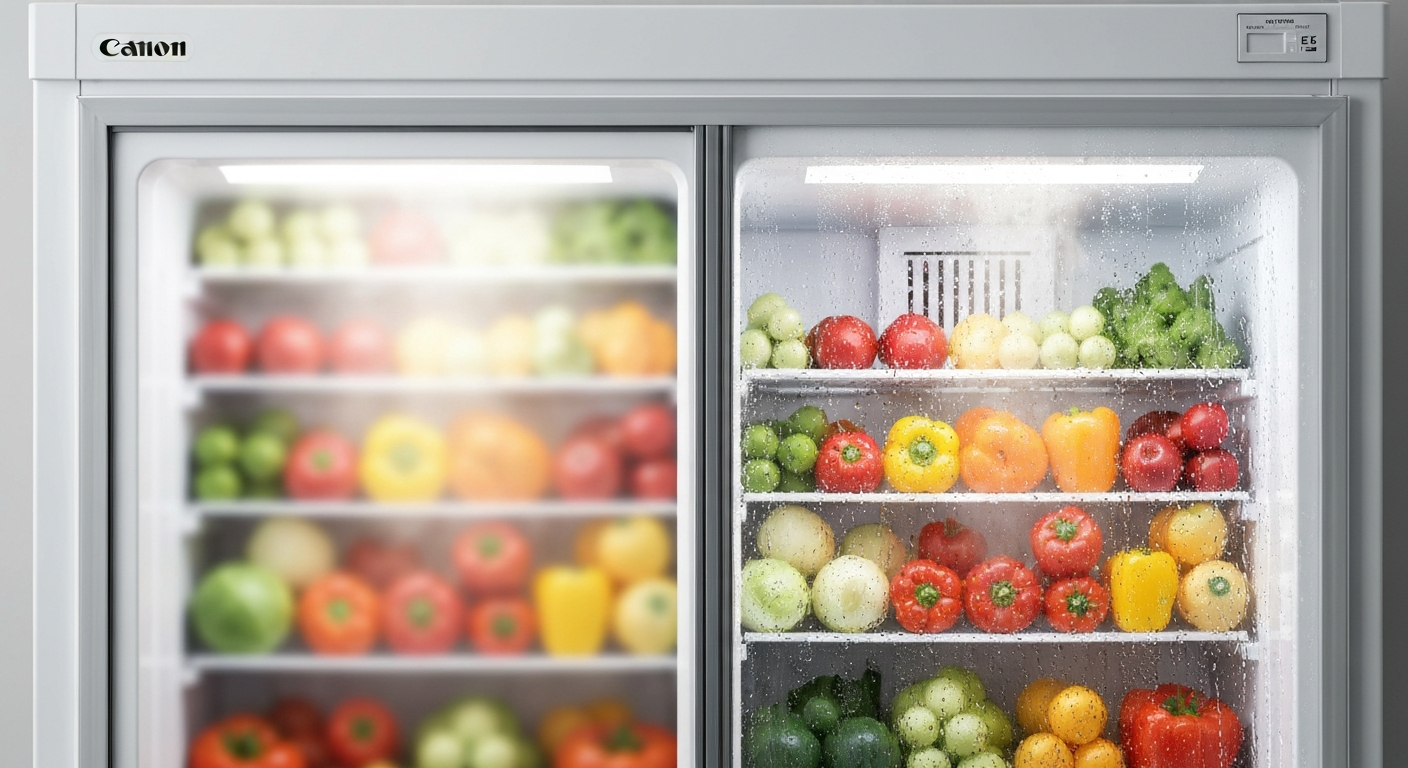

Your freezer is frosting up because warm, humid air is entering the compartment and condensing on cold surfaces — typically caused by a faulty door seal, a door left ajar, blocked vents, a malfunctioning defrost system, or overpacking that restricts airflow.
Frost buildup inside a freezer isn't just an annoyance — it reduces energy efficiency, takes up storage space, and can eventually prevent the door from sealing properly, creating a cycle that makes the problem worse. The good news is that most causes are fixable without a service call. This guide covers why your freezer is icing over, how to diagnose the specific culprit, and what to do about it in 2026.
| ✓Our Pick |
Freezer door seal replacement strips for all major brands Consistently earns five-star reviews — reliable, well-supported, and genuinely effective. See on Amazon → |
Frost forms when moisture in the air meets surfaces cold enough to freeze it instantly — and in a properly sealed freezer, there shouldn't be enough moisture entering to create visible frost buildup.
Modern freezers are designed to be nearly airtight. When you open the door, some humid room air enters, but the defrost system handles this small amount during regular cycles. Problems start when more moisture enters than the system can manage.
The moisture sources are predictable: warm air leaking past damaged gaskets, doors not closing fully, hot food placed inside before cooling, and blocked vents that disrupt the defrost cycle. Understanding which one applies to your freezer determines the fix.
| ✓Quick Fix |
The Fastest Fix People Try for This Most people dealing with this exact problem start here — quick, affordable, and easy to try today. See on Amazon → |
The rubber gasket around your freezer door creates an airtight seal — when it's cracked, warped, or dirty, humid air continuously seeps in and freezes on interior surfaces.
Door gaskets degrade over time from normal use. They can crack, lose flexibility, or develop flat spots where the seal no longer makes full contact. Food residue stuck in the gasket folds also prevents proper sealing.
Test your gasket by closing the door on a dollar bill. If you can pull the bill out easily without resistance, the seal isn't tight enough. Do this test at several points around the door — gaskets often fail in specific spots rather than uniformly.
Cleaning the gasket with warm soapy water sometimes restores flexibility. If the rubber is visibly cracked or the gasket has pulled away from the door, replacement is the only fix.
Every second your freezer door stays open, warm humid air rushes in — this is the single fastest way to introduce moisture that will freeze into frost.
You might not realize how often the door gets left slightly ajar. Kids, distracted cooking, overstuffed shelves preventing full closure, or a freezer that isn't level can all leave a gap. Even a millimeter of space allows continuous air exchange.
Check that your freezer is level using a spirit level on top. The front should be very slightly higher than the back so the door swings closed naturally rather than staying wherever you leave it.
"Frost buildup is often caused by warm, moist air entering the freezer compartment. This can happen when the freezer door is opened frequently or left open for extended periods." — GE Appliances Support
Freezers circulate cold air through internal vents — when food blocks these vents, airflow disrupts, temperatures become uneven, and frost accumulates in specific areas.
The vents are usually located at the back of the freezer compartment. If boxes or bags press directly against them, cold air can't circulate properly. Some areas get too cold while others warm up, and moisture migrates to the coldest spots where it freezes.
This is why you'll sometimes see frost concentrated in one area rather than evenly distributed. Rearranging your food to leave a few inches of clearance around vents often solves the problem within a day or two.
Modern frost-free freezers run automatic defrost cycles — when the defrost heater, timer, or thermostat fails, frost accumulates continuously with no way to clear it.
The defrost system typically activates every 6 to 12 hours, briefly warming the evaporator coils to melt any frost. The water drains into a pan beneath the unit and evaporates. If any component in this system fails, frost never melts.
Signs of defrost system failure include thick ice buildup specifically on the back wall or around the evaporator coils, a freezer that's too cold, or a freezer that cycles constantly. This repair usually requires a technician unless you're comfortable with appliance diagnostics and replacing heating elements.
When your freezer works fine but the refrigerator section warms up, the evaporator fan or the damper controlling airflow between compartments has likely failed — causing frost to accumulate in the freezer while the fridge struggles.
In most refrigerator-freezer combos, cold air is generated in the freezer and a fan pushes it into the refrigerator section through a damper. If the fan motor dies or the damper gets stuck closed, cold air stays trapped in the freezer, temperatures drop too low, and frost builds up excessively.
Listen for the fan when you open the freezer door — you should hear it running. If the freezer is silent or the fan makes grinding noises, that's your culprit.
Also Read: Why Is My Fridge Freezing Everything? 9 Causes & Fixes
Placing warm or hot food directly into the freezer releases steam that freezes on cold surfaces faster than the defrost system can handle.
Let food cool to room temperature before freezing. This applies to leftovers, freshly cooked batches of soup or stock, and anything still radiating heat. The FDA recommends cooling food within two hours for safety, so don't leave it out indefinitely — just don't transfer it while still steaming.
If your home has high humidity levels, more moisture enters every time you open the freezer door — areas with humidity above 60% often see faster frost accumulation.
This is particularly noticeable in summer, in coastal regions, or in homes without adequate ventilation. A dehumidifier in the room where your freezer is located can reduce the moisture load entering the compartment.
Cramming too much food into your freezer blocks airflow, creates uneven temperatures, and increases frost buildup — aim for about 75% capacity.
Some air circulation is necessary for the freezer to work efficiently. When every inch is packed, cold air can't move, and pockets of warmer air form where frost develops. A moderately full freezer actually maintains temperature better than an overstuffed or nearly empty one.
Bottom freezers are more prone to frost because warm air rises — every time you open the door, humid air settles directly into the compartment.
The physics work against bottom freezers. When you open a top freezer, cold air (which is denser) stays inside while warm air rises away. Bottom freezers lose cold air immediately and gain warm air that falls right in.
If you have a bottom freezer and notice more frost than seems normal, being quicker about closing the door and ensuring the gasket is in excellent condition becomes even more important.
Air conditioners, heat pumps, mini splits, and dehumidifiers all use the same basic refrigeration technology as freezers — and they frost up for related reasons involving airflow restrictions and refrigerant problems.
If you're seeing ice on your AC unit, the principles are similar but the causes differ slightly from freezer frost.
When your air conditioner's evaporator coil gets too cold, humidity in the air freezes directly on the coils — this happens when airflow is restricted or refrigerant levels are low.
The two most common causes are:
Check your filter first — this is the fix in a surprising number of cases. If the filter is clean and the unit still freezes, you likely have a refrigerant leak that requires professional repair.
"A frozen air conditioner is often caused by low refrigerant, which causes the evaporator coil to get too cold. Low airflow from a dirty filter can cause the same problem." — Energy Star
Window and portable air conditioners freeze for the same airflow and refrigerant reasons as central units, plus they're more susceptible to outdoor temperature drops.
If you run a window AC when outdoor temperatures fall below about 60°F, the unit can freeze because there isn't enough heat differential to keep the evaporator coil above freezing. Most window units aren't designed for cool-weather operation.
Clean the filter, check that the rear vents aren't blocked by curtains or furniture, and avoid running the unit in temperatures it wasn't designed for.
Ice on refrigerant lines (the copper pipes running to your outdoor unit) indicates the evaporator coil inside is already frozen solid — the freeze has spread along the line.
This means the problem has been going on for a while. Turn off the system completely and let it thaw for several hours. Running a frozen system can damage the compressor, which is an expensive repair.
After thawing, check and replace the air filter. If it freezes again with a clean filter, call an HVAC technician — you likely have a refrigerant leak or a blower motor problem.
Heat pumps normally develop light frost in winter — but heavy ice buildup means the defrost cycle isn't working properly.
Heat pumps extract warmth from outdoor air, which causes moisture to freeze on the outdoor coils. The defrost cycle periodically reverses the system to melt this frost. If the defrost control board, reversing valve, or outdoor fan has problems, ice accumulates.
Light frost that comes and goes is normal. Ice that builds up over days and doesn't clear, or ice that encases the entire outdoor unit, requires professional attention.
Also Read: Why Is My Breaker Keep Tripping? 7 Causes & Fixes
Mini split systems freeze for the same reasons as central AC — restricted airflow, low refrigerant, or operating outside their designed temperature range.
Mini splits have washable filters that need monthly cleaning. The indoor head unit should have at least a few inches of clearance all around. If your mini split freezes despite clean filters and good airflow, the refrigerant charge may be incorrect or there's a leak in the line set.
Dehumidifiers extract moisture by cooling air below its dew point — when room temperature drops below about 65°F, the cooling coils can freeze.
Most standard dehumidifiers aren't designed for cool spaces like basements in winter. If you need to dehumidify a cold room, look for a model with a low-temperature operation mode or a desiccant dehumidifier that doesn't use refrigeration.
Also check that the filter is clean and airflow isn't restricted. A dehumidifier with a dirty filter behaves exactly like an AC with a dirty filter.
| Issue | Primary Cause | First Fix | When to Call a Pro |
|---|---|---|---|
| Freezer frosting up | Door seal leak / door left open | Check gasket, test with dollar bill | Defrost system failure |
| Fridge back wall freezing | Blocked vents / damper issue | Rearrange food, clear vents | Fan motor or damper failure |
| Window AC freezing | Dirty filter / low outdoor temp | Clean filter, check temp | Refrigerant leak |
| Central AC freezing | Dirty filter / low refrigerant | Replace filter, let thaw | Refrigerant leak |
| Heat pump icing | Defrost system failure | Normal light frost is okay | Heavy ice that doesn't clear |
| Dehumidifier freezing | Room too cold / dirty filter | Clean filter, raise room temp | Continuous freeze in warm room |
If your freezer already has significant frost buildup, you'll need to defrost it manually before any fix can take effect.
Never use a hair dryer or heat gun to speed defrosting — the uneven heat can crack plastic components or damage the evaporator coils.
Also Read: Why Is My Fridge Making a Loud Humming Noise? 7 Causes & Fixes
Some frost problems require professional diagnosis:
These typically indicate defrost system component failure, refrigerant leaks, or compressor problems that aren't DIY-friendly.
Freezer frost almost always comes down to excess moisture entering the compartment — from door seal problems, doors left open, or blocked airflow that disrupts the defrost cycle. AC and heat pump freezing follows similar principles, with dirty filters and low refrigerant being the main culprits. Start with the simple fixes: check your door gasket, clean your filters, clear your vents, and make sure doors are closing fully. Most frost problems resolve without a service call once you address the moisture source.
The "snow" in your freezer is actually frost crystals forming from humid air. This happens when warm air enters repeatedly — usually from a door that doesn't seal properly or gets opened frequently. The moisture in that air freezes into fine ice crystals that look like snow. Check your door gasket and try to minimize how often and how long you open the door.
Your outdoor AC unit shouldn't freeze in summer — if it does, you likely have low refrigerant from a leak. In winter, heat pump outdoor units naturally develop some frost, but should defrost automatically. If ice builds up and doesn't clear, the defrost cycle has failed. Turn off the system and call an HVAC technician before the ice damages the compressor.
The evaporator coil freezes when it gets too cold — either because not enough warm air is passing over it (dirty filter, blocked return vents, failed blower motor) or because low refrigerant is causing excessive cooling. Always check your air filter first, as this is the cause in most residential cases. Persistent freezing with a clean filter indicates a refrigerant leak.
Frost on the back wall of your refrigerator (not freezer) usually means the door is being opened frequently, the seal is compromised, or the temperature is set too cold. The back wall is the coldest part because that's where the evaporator coils are located. Moisture naturally migrates there and freezes. Check your door seal and try raising the temperature setting slightly.
Reviewed and Updated on June 20, 2026 by George Wright