
Technology
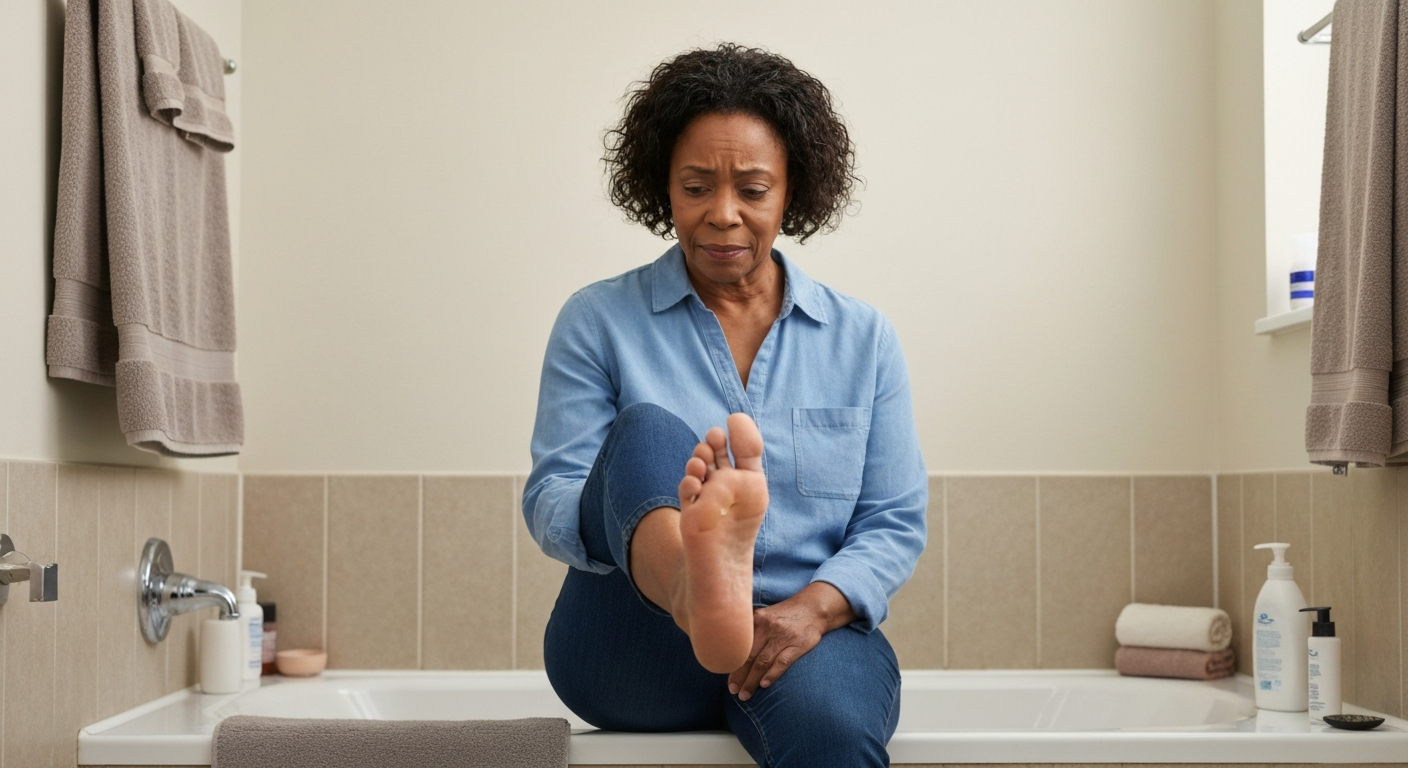

Your feet are peeling because the skin on your soles and toes is shedding faster than normal, usually due to excessive moisture, friction, fungal infections like athlete's foot, dry skin, sunburn, or an underlying skin condition such as eczema or psoriasis.
| ✓Our Pick |
Foot peel masks and exfoliating treatments for peeling skin You'll wonder why you didn't try this sooner — practical, well-reviewed, and easy to get started. See on Amazon → |
Peeling skin on your feet—whether it's on the bottom, between your toes, or specifically on your big toe—is one of the most common dermatological complaints. The good news is that most causes are treatable at home. The key is identifying what's driving the peeling so you can address the root issue rather than just the symptom.
Foot skin peels when something disrupts the normal shedding cycle of your epidermis (the outermost skin layer), causing dead cells to slough off in visible sheets or flakes rather than invisibly.
Your feet endure more stress than almost any other part of your body. They bear your full weight, experience friction from shoes, and spend hours in warm, moist environments—conditions that can accelerate skin breakdown. Here's what might be happening:
Athlete's foot (tinea pedis) is the most common cause of peeling feet that also itch. This fungal infection thrives in the warm, damp spaces between your toes and along the soles. You'll typically notice peeling skin accompanied by redness, a burning sensation, and sometimes blisters or cracked skin.
"Athlete's foot is caused by the same type of fungus that causes ringworm and jock itch. The infection can spread to other parts of the body if left untreated." — Centers for Disease Control and Prevention
The peeling often starts between the fourth and fifth toes before spreading across the sole. If your feet are peeling and itchy at the same time, athlete's foot should be your first suspect.
Absolutely. Your feet have fewer oil glands than other parts of your body, making them naturally prone to dryness. When skin loses moisture, it becomes brittle and begins to crack and peel. This is especially common during winter months when indoor heating pulls humidity from the air, and in summer when sandals expose your feet to dry, hot conditions.
Severe dryness often shows up on the heels and the bottom of the feet, where skin is thickest. If your foot is peeling so bad that you're seeing deep cracks (fissures), you're dealing with more than surface-level dryness.
Ironically, too much moisture is just as problematic as too little. When your feet stay wet for extended periods—from sweaty socks, wet shoes, or activities like swimming—the skin becomes waterlogged and soft. This macerated skin peels away easily.
| Moisture Problem | Typical Location | Appearance |
|---|---|---|
| Sweaty feet (hyperhidrosis) | Between toes, full sole | White, soggy, peeling patches |
| Wet shoes/socks | Toe webs, ball of foot | Wrinkled skin that tears easily |
| Prolonged water exposure | Entire foot | Soft, pale skin that sloughs off |
This explains why your big toe might peel after long hikes or why your feet peel at the bottom after wearing non-breathable shoes all day.
Contact dermatitis occurs when your skin reacts to something it touches. On your feet, common triggers include:
The reaction typically appears as red, itchy patches that eventually peel. If you've recently switched shoes, started using a new laundry detergent, or tried a different foot product, contact dermatitis could explain why your foot skin is peeling.
Both eczema (specifically dyshidrotic eczema) and psoriasis can cause significant peeling on the feet.
Dyshidrotic eczema produces small, intensely itchy blisters on the soles and sides of the feet. When these blisters dry out, the overlying skin peels away. Psoriasis, meanwhile, causes thick, silvery scales and red patches that shed in layers. Both conditions tend to flare and remit cyclically.
"Palmoplantar psoriasis can cause significant quality of life impairment due to pain, difficulty walking, and the visibility of skin changes." — American Academy of Dermatology Association
If you have eczema or psoriasis elsewhere on your body, your peeling feet may be another manifestation of the same condition.
Also Read: Why Is My Tattoo Itchy? 7 Causes & Relief Tips
Yes—and it's more common than you might think. The tops of your feet are frequently forgotten during sunscreen application, making them vulnerable to burns. Sunburned skin peels as damaged cells are shed and replaced with new ones. This typically happens 3-7 days after the initial burn.
If you recently spent time barefoot at the beach or pool and now your skin is peeling on your feet, sun damage is the likely culprit.
Nutrient deficiencies can contribute to peeling feet, though this is less common than other causes. Deficiencies in:
If your peeling persists despite addressing other factors, and you have dietary restrictions or digestive issues, a nutritional evaluation may be warranted.
Chemical foot peels containing alpha-hydroxy acids (AHAs) or beta-hydroxy acids (BHAs) are designed to make your feet peel. They dissolve the bonds between dead skin cells, causing dramatic shedding over 1-2 weeks.
If you've recently used a foot peel mask, the peeling you're seeing is intentional and temporary. However, overusing these products or applying them to already-compromised skin can cause excessive peeling and sensitivity.
In some cases, peeling feet signal a systemic condition. Conditions that can cause foot peeling include:
These are relatively rare and typically accompanied by other significant symptoms beyond just peeling skin.
| ✓Quick Fix |
What Actually Works for This, Fast A fast first step before anything more expensive or time-consuming — worth a look right now. See on Amazon → |
The big toe often peels first because it experiences the most pressure and friction during walking, and its nail bed creates a warm, moist microenvironment where fungus thrives.
Your big toe does more work than any other toe. It pushes off with every step, bears significant weight, and rubs against your shoe. This mechanical stress can cause localized peeling even when the rest of your foot is fine.
Additionally, the space beneath and around the big toenail is an ideal habitat for fungal growth. If you have a fungal toenail infection (onychomycosis), the surrounding skin often peels as the infection spreads.
Other reasons for isolated big toe peeling include:
Treatment depends entirely on the cause—antifungals for infections, moisturizers for dryness, and breathable footwear for moisture-related peeling.
For athlete's foot, over-the-counter antifungal creams, sprays, or powders containing clotrimazole, miconazole, or terbinafine are effective for most people. Apply twice daily for 2-4 weeks, continuing for at least a week after symptoms resolve to prevent recurrence.
Prevention matters as much as treatment:
- Dry feet thoroughly after bathing, especially between toes
- Wear moisture-wicking socks
- Alternate shoes to allow them to dry completely
- Use antifungal powder in shoes
- Wear flip-flops in communal showers
| ✓Our Pick |
Antifungal foot creams and sprays for athlete's foot Used by over 10,000 satisfied customers — an easy, affordable option you can start using today. See on Amazon → |
For peeling caused by dryness, the goal is restoring and maintaining moisture. Use thick, emollient creams or ointments containing:
| Ingredient | How It Works |
|---|---|
| Urea (10-40%) | Softens thick skin, increases moisture retention |
| Lactic acid | Gently exfoliates while moisturizing |
| Petroleum jelly | Creates barrier to prevent moisture loss |
| Glycerin | Draws moisture into skin |
| Shea butter | Provides long-lasting hydration |
Apply moisturizer immediately after bathing when skin is still slightly damp. For severe dryness, apply a thick layer before bed and cover with cotton socks overnight.
If sweat or moisture is the issue:
Seek medical attention if:
A dermatologist can perform a skin scraping to definitively diagnose fungal infections, prescribe stronger medications if needed, and evaluate for conditions like psoriasis or eczema.
Also Read: Why Is My Tongue Itchy? 7 Causes & How to Stop It
Consistent foot care—daily moisturizing, proper shoe hygiene, and addressing sweat or dryness before they cause problems—prevents most cases of peeling feet.
Think of foot care like dental care: a little daily effort prevents bigger problems. Here's your maintenance routine:
Your feet are peeling due to one or more factors: fungal infection (especially if itchy), excessive dryness, too much moisture, contact dermatitis, eczema, psoriasis, sunburn, or intentional chemical exfoliation. Most cases respond well to over-the-counter treatments—antifungals for infections, rich moisturizers for dryness, and breathable footwear for sweat-related issues. If your feet are peeling so bad that home care isn't helping after a few weeks, or if you have diabetes or other health conditions, see a dermatologist for proper diagnosis and treatment.
Peeling accompanied by itching strongly suggests a fungal infection like athlete's foot. The fungus irritates nerve endings, causing the itch, while it also damages the skin barrier, leading to peeling. Eczema can also cause both symptoms simultaneously. If over-the-counter antifungal treatment doesn't resolve itchy, peeling feet within 2-4 weeks, see a doctor to rule out other conditions.
The bottom of your foot has the thickest skin on your body, and when it gets too dry or experiences repeated friction, it sheds in larger, more noticeable sheets. Contributing factors include walking barefoot on hard surfaces, wearing unsupportive shoes, not moisturizing regularly, or fungal infections that have spread across the sole. Address this with consistent moisturizing and proper footwear.
Stress doesn't directly cause peeling, but it can trigger or worsen conditions that do. Stress is a known flare factor for eczema and psoriasis, both of which can affect the feet. Stress also suppresses immune function, potentially making you more susceptible to fungal infections. If you notice peeling during stressful periods, managing stress may help reduce flares.
It depends on the cause. Fungal infections like athlete's foot are contagious and spread through direct contact or contaminated surfaces (gym floors, shared towels). Peeling caused by dryness, eczema, psoriasis, or sunburn is not contagious. To be safe, don't share towels, socks, or shoes, and wear protective footwear in communal areas.
Healing time varies by cause. Mild dryness may improve within a week of consistent moisturizing. Athlete's foot typically clears within 2-4 weeks of antifungal treatment. Sunburn-related peeling resolves on its own in 1-2 weeks. Eczema and psoriasis are chronic conditions that require ongoing management rather than a one-time cure. If your peeling hasn't improved noticeably after 4 weeks of appropriate treatment, consult a healthcare provider.
Reviewed and Updated on June 20, 2026 by George Wright