Sleep
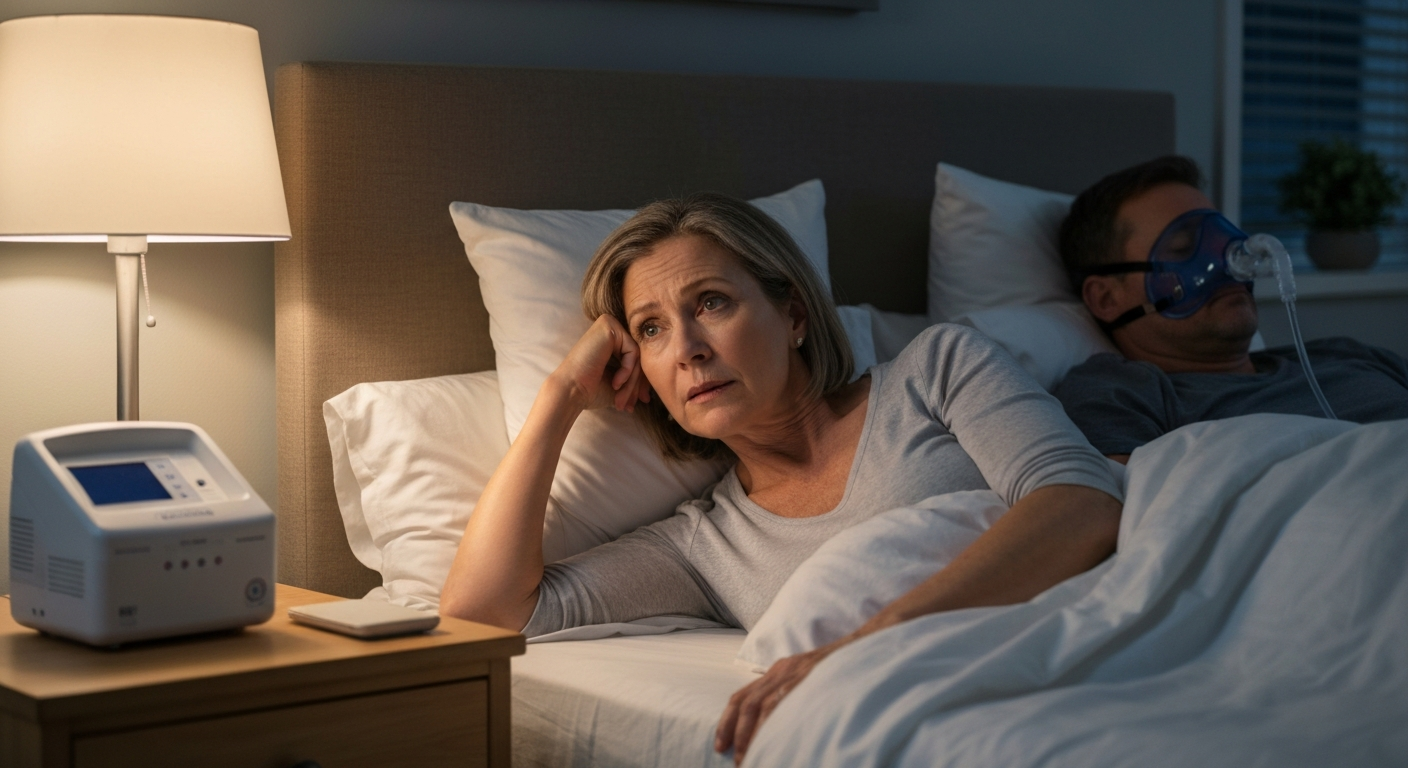

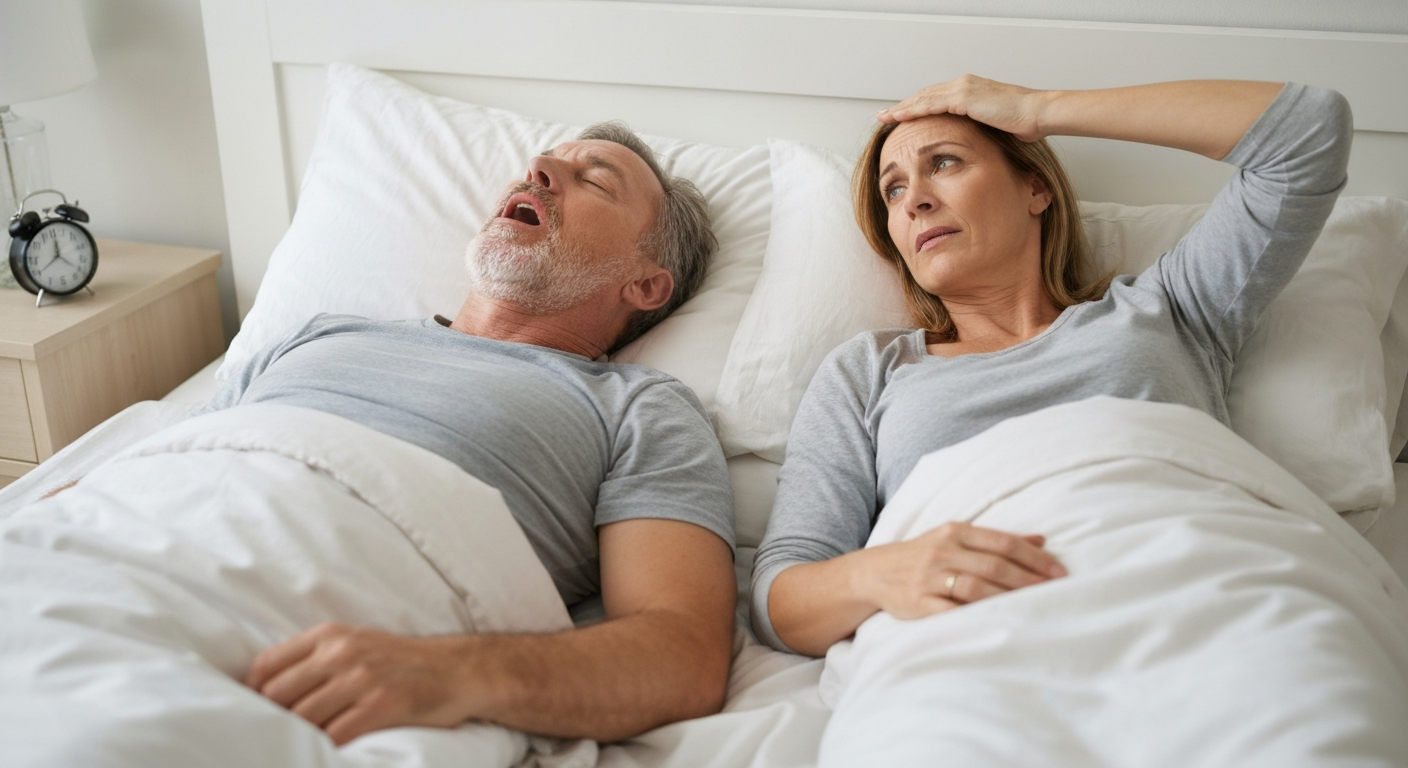
Yes, you can still snore with a CPAP machine — and it's more common than most people realize. Persistent snoring despite CPAP therapy typically points to mask leaks, incorrect pressure settings, mouth breathing, or physical changes like weight gain or nasal congestion that undermine the treatment's effectiveness.
| ✓Our Pick |
Custom-fit anti-snoring mouthpiece — repositions the jaw to eliminate snoring Save yourself the frustration — a proven solution with consistently positive feedback from real buyers. Learn More → |
The CPAP machine works by delivering continuous positive airway pressure to keep the throat open during sleep, but several factors can interfere with this airflow and allow snoring to continue.
When CPAP therapy works correctly, the pressurized air acts as a pneumatic splint — it holds the soft tissues of the upper airway open so they can't vibrate and create that familiar snoring sound. However, this system depends on a sealed delivery path from machine to airway. Any break in that seal, or any obstruction the air can't overcome, lets snoring slip through.
According to a 2019 study published in the Journal of Clinical Sleep Medicine, residual snoring affects approximately 20-30% of CPAP users at some point during their treatment. This doesn't mean the therapy has failed — it means something in the system needs adjustment.
"Persistent snoring on CPAP often indicates air leak, suboptimal pressure, or upper airway issues that require reassessment rather than treatment abandonment." — Dr. Ilene Rosen, American Academy of Sleep Medicine
The good news is that most causes of CPAP snoring have straightforward fixes. Understanding what's happening lets you troubleshoot systematically rather than assuming the machine simply doesn't work.
Mask leaks, mouth breathing, and pressure that's either too low or too high account for the vast majority of cases where snoring persists despite CPAP use.
Mask leaks are the number one culprit. When air escapes around the edges of the mask, the pressure reaching the airway drops below what's needed to keep tissues from vibrating. Even a small leak can reduce effective pressure by several centimeters of water pressure (cmH2O), which is often enough to allow snoring.
Signs of a mask leak include:
- Whistling or hissing sounds during sleep
- Dry eyes in the morning (air blowing toward the face)
- Red marks or skin irritation around the mask seal
- High leak rates shown on the CPAP machine's data readout
The fix usually involves adjusting the headgear straps, replacing worn cushions, or trying a different mask style altogether. Nasal pillows work well for some people, while others need a full-face mask to maintain a proper seal.
If your husband uses a nasal mask or nasal pillows but breathes through his mouth during sleep, the pressurized air takes the path of least resistance — straight out his open mouth. This leaves the throat unsupported, and snoring returns.
Mouth breathing during CPAP therapy is extremely common. Many people don't realize they do it because it happens unconsciously during sleep. Clues include:
- Waking up with an extremely dry mouth
- Feeling like the therapy isn't working despite good mask seal
- Snoring that sounds similar to pre-CPAP snoring
A chin strap can help keep the mouth closed, but a full-face mask that covers both nose and mouth is often the more reliable solution. This ensures the airway receives pressure regardless of breathing route.
CPAP pressure is measured in centimeters of water pressure (cmH2O), typically ranging from 4 to 20. If the prescribed pressure is too low for your husband's anatomy or sleep position, the air won't generate enough force to keep the airway fully open.
Pressure needs can change over time. Weight gain, aging, alcohol consumption, and even sleeping on the back can all increase the pressure required to prevent airway collapse. A pressure that worked perfectly two years ago may now be insufficient.
Modern CPAP machines often include auto-adjusting (APAP) technology that raises and lowers pressure throughout the night based on detected events. If your husband uses a fixed-pressure CPAP and continues snoring, asking the sleep specialist about an APAP trial or a pressure adjustment may resolve the issue.
Also Read: Why Do I Snore Immediately After Falling Asleep? 6 Causes & Fixes
Counterintuitively, yes. Pressure that's too high can cause aerophagia (swallowing air), which leads to bloating and discomfort that makes people subconsciously pull the mask away from their face or breathe shallowly. Excessive pressure can also create turbulent airflow that vibrates the soft palate — producing a snoring-like sound even when the airway itself is open.
Some users describe this as a "fluttering" or "motorboat" sound that's different from their natural snore. If this matches what you're hearing, the pressure may need to come down rather than up.
The CPAP can only work if air can flow freely through the nasal passages. Allergies, sinus infections, a deviated septum, or even dry air from the machine itself can cause nasal congestion that forces mouth breathing or reduces the effective pressure reaching the throat.
A heated humidifier attachment (most modern CPAPs include this) can reduce dryness-related congestion. For allergies or chronic sinus issues, nasal steroid sprays, saline rinses, or allergy medications may help clear the path. In cases of structural problems like a deviated septum, surgical correction might be necessary.
Weight changes directly affect airway anatomy. Fat deposits around the neck and throat narrow the airway and increase the pressure required to keep it open. If your husband has gained weight since his original sleep study, his current pressure setting may no longer be adequate.
"A weight gain of as little as 10% can significantly worsen obstructive sleep apnea severity and may necessitate CPAP pressure adjustment." — Sleep Foundation
The original titration study that determined his pressure was based on his anatomy at that specific weight. Substantial changes — in either direction — warrant a reassessment.
Alcohol, sedatives, and certain muscle relaxants cause the throat muscles to relax more than usual during sleep. This increased relaxation means the airway collapses more forcefully, potentially overwhelming the CPAP's ability to keep it open at the current pressure setting.
If snoring happens specifically on nights when your husband has had alcohol or taken certain medications, this is likely the cause. Avoiding these substances within 3-4 hours of bedtime often resolves the issue without any equipment changes.
Checking the CPAP machine's built-in data, examining the mask fit, and observing sleep position can help identify the specific cause of persistent snoring.
| Symptom | Most Likely Cause | First Step |
|---|---|---|
| Whistling or hissing sound | Mask leak | Check cushion seal and headgear tension |
| Very dry mouth on waking | Mouth breathing | Try chin strap or full-face mask |
| Snoring worse on back | Positional — pressure insufficient for supine sleeping | Try side sleeping or pressure adjustment |
| Snoring worse after drinking | Alcohol-related muscle relaxation | Avoid alcohol 4 hours before bed |
| Gradual return of snoring over months | Weight gain or mask wear | Check weight; replace mask cushions |
| Snoring with stuffy nose | Nasal congestion | Add humidifier; treat allergies |
Most modern CPAP machines store detailed data about each night's sleep, including leak rates, apnea-hypopnea index (AHI), and pressure levels. Many connect to smartphone apps that display this information clearly. High leak rates or elevated AHI numbers point directly to the problem.
If the machine data looks normal but snoring continues, the issue may be something CPAP can't address — like palatal flutter or tongue-based snoring that occurs despite an open airway. These situations may require additional evaluation.
Also Read: Snoring With Mouth Closed: 4 Causes & How to Stop It
Persistent snoring despite good CPAP compliance and no obvious leaks warrants a follow-up sleep study or clinical evaluation.
It's time to schedule an appointment if:
Leak rates and AHI are low, but snoring continues — This suggests something other than obstructive apnea is causing the sound.
The original sleep study was more than 5 years ago — Sleep apnea severity changes over time, and the prescription may be outdated.
Significant weight change has occurred — A new titration study may be needed.
Symptoms like excessive daytime sleepiness persist — Snoring plus ongoing fatigue suggests the therapy isn't fully effective.
Multiple mask styles have failed — A sleep specialist can evaluate whether CPAP is the right therapy or if alternatives like oral appliances or surgery should be considered.
Some people have what's called "complex sleep apnea" or "treatment-emergent central apnea," where central apneas (pauses caused by the brain failing to signal breathing, not airway obstruction) appear or worsen with CPAP use. This requires different treatment — often a BiPAP or ASV machine — and won't be caught without a follow-up study.
Simple adjustments to mask fit, sleep position, and humidity settings can often reduce or eliminate CPAP snoring within a few nights.
Refit the mask before sleep — Have your husband lie down in his usual sleep position and adjust the straps until the seal feels secure without being overly tight.
Replace mask cushions — Silicone cushions degrade over time and lose their ability to seal. Most should be replaced every 1-3 months.
Add or increase humidification — Dry air irritates nasal passages and causes swelling. Turn up the humidifier setting or ensure the water chamber is filled.
Try a chin strap — If mouth breathing is suspected and a full-face mask isn't preferred, a chin strap keeps the jaw closed during sleep.
Elevate the head of the bed — Raising the head 4-6 inches can reduce airway collapse and snoring in many people.
Avoid alcohol and sedatives — Skip these for 4 hours before bed and see if the snoring improves.
Clean the equipment — A dirty mask or tubing can harbor bacteria that cause nasal irritation and congestion.
Also Read: How to Stop Snoring While Sleeping: 6 Proven Methods
Snoring while using a CPAP machine is common and usually fixable. The most frequent causes are mask leaks, mouth breathing, and pressure settings that no longer match your husband's needs. Checking the CPAP's data for leak rates and AHI, ensuring proper mask fit, and addressing factors like nasal congestion or weight gain typically resolve the problem. If snoring persists despite troubleshooting, a follow-up with a sleep specialist can determine whether pressure adjustments, a different mask, or alternative therapy is needed.
Yes, a perfect mask fit doesn't guarantee snoring will stop. If the pressure is too low for your anatomy, or if central apnea events occur, snoring or snoring-like sounds can continue. Mouth breathing with a nasal mask will also bypass the therapy entirely, even with no leaks.
Back sleeping (supine position) makes both snoring and apnea worse for most people because gravity pulls the tongue and soft tissues backward. The CPAP pressure prescribed during a sleep study may have been titrated in a different position. If your husband only snores on his back, trying side sleeping or requesting a pressure reassessment may help.
The AHI measures apneas and hypopneas — significant airway obstructions. But partial vibrations of the soft palate can produce snoring sounds without triggering a scored apnea event. This "simple snoring" may not affect oxygen levels but still creates noise. Higher pressure or an oral appliance used alongside CPAP sometimes addresses this.
Indirectly, yes. A dirty mask can irritate the skin, causing you to loosen the straps to relieve discomfort — which creates leaks. Residue buildup on the cushion also prevents a proper seal. Clean the mask daily with mild soap and water, and replace cushions on schedule.
Occasional snoring with CPAP isn't inherently dangerous, but it may indicate the therapy isn't fully effective. If snoring is accompanied by witnessed apneas, gasping, or ongoing daytime sleepiness, the underlying apnea may not be adequately controlled — which does carry health risks including cardiovascular strain.
Reviewed and Updated on June 14, 2026 by George Wright