Technology
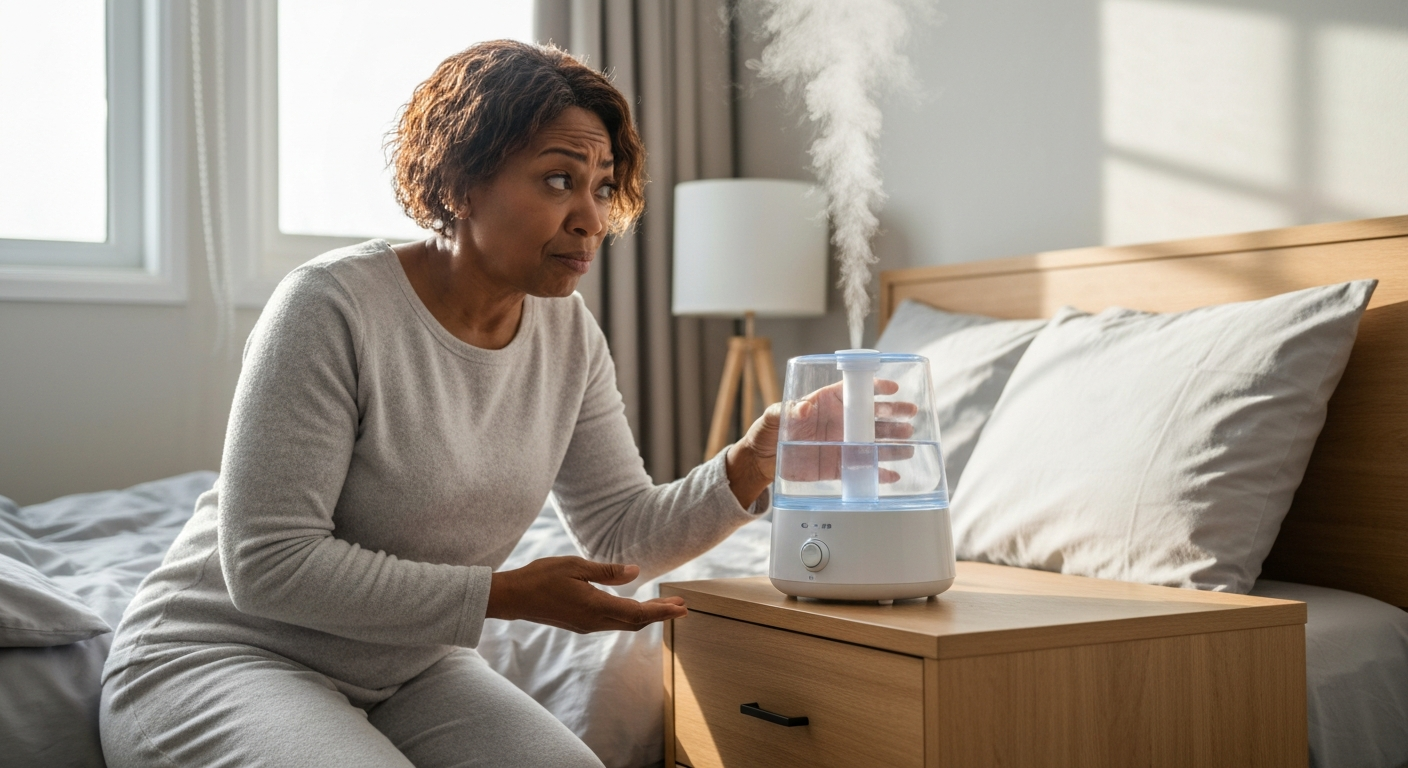

Your humidifier isn't working because of an empty water tank, mineral buildup clogging the unit, a dirty or damaged filter, electrical issues, or incorrect settings—and in most cases, a 15-minute cleaning or simple adjustment will get it running again.
Running a humidifier that produces no mist is frustrating, especially when you're dealing with dry winter air, cracked lips, or a stuffy nose. The good news is that most humidifier failures stem from basic maintenance issues rather than mechanical breakdown. Whether you have a Vicks, Honeywell, Levoit, or any other brand, the troubleshooting process follows the same logic. Let's walk through every reason your humidifier might have stopped working and exactly how to fix each one.
| ✓Our Pick |
Replacement humidifier filters and cleaning supplies This is the go-to fix recommended by professionals — save time and money by getting it right the first time. See on Amazon → |
The five most frequent culprits are an empty or improperly seated water tank, mineral scale blocking the ultrasonic plate or heating element, a clogged filter, a faulty power connection, and humidity settings that have already been met.
Understanding which type of humidifier you own helps narrow down the problem. Cool mist ultrasonic units use a vibrating plate to create mist, while evaporative models blow air through a wet wick filter. Warm mist and steam vaporizers (like Vicks units) heat water to produce steam. Each type fails in slightly different ways, but they share overlapping issues.
| Humidifier Type | How It Works | Most Common Failure Point |
|---|---|---|
| Ultrasonic (cool mist) | Vibrating plate creates micro-droplets | Mineral buildup on ultrasonic disc |
| Evaporative | Fan blows air through wet wick | Clogged or hardened filter |
| Warm mist / steam vaporizer | Heating element boils water | Scale on heating element |
| Impeller | Spinning disc flings water at diffuser | Debris blocking disc or diffuser |
| ✓Quick Fix |
See What Solves This in Minutes A low-cost, no-commitment option to rule out before spending more on this problem. See on Amazon → |
A tank that's empty, not fully clicked into place, or missing its cap will prevent any humidifier from producing mist—this is the first thing to check.
It sounds obvious, but a surprising number of "broken" humidifiers simply need a refill. Many units have a float mechanism that shuts off mist production when water drops below a certain level. If the tank isn't seated correctly on the base, that float won't trigger proper operation.
Remove the tank completely, fill it with cool tap water (or distilled water for ultrasonic models), replace the cap firmly, and set it back on the base. You should hear or feel a slight click. Some Vicks warm mist humidifiers require the tank cap to be tightened fully or mist won't flow.
Also check for cracks in the tank. Even a hairline fracture can prevent proper pressure from building, which some units need to dispense water into the reservoir.
Hard water deposits—white crusty scale—are the number one cause of humidifier malfunction, particularly in ultrasonic and warm mist models where minerals accumulate directly on working components.
If you use tap water, dissolved minerals like calcium and magnesium gradually coat internal parts. In ultrasonic humidifiers, this scale forms on the vibrating disc (also called the nebulizer or transducer), muffling its vibrations until it can't produce mist. In warm mist units like Vicks vaporizers, scale builds up on the heating element, insulating it from the water and preventing steam production.
"Ultrasonic or cool-mist humidifiers can disperse minerals from the water into the air along with the water droplets. These minerals may appear as white dust on furniture." — EPA
Vicks warm mist humidifiers are particularly prone to mineral buildup because heating water accelerates scale formation. The heating chamber often develops thick white deposits that prevent the unit from producing steam.
If your Vicks humidifier turns on but produces no steam, mineral scale on the electrodes is almost certainly the cause. Vicks recommends weekly cleaning during heavy use periods.
Also Read: Why Is My Water Pressure Suddenly Low?
Evaporative humidifiers rely on a wick filter that absorbs water and allows a fan to evaporate it—when this filter becomes clogged, stiff, or coated in minerals, mist output drops to nearly zero.
Wick filters in evaporative models have a limited lifespan, typically 1–3 months depending on water hardness and usage. A filter that's turned brown, feels rigid instead of soft, or has visible mineral crust needs immediate replacement.
Signs your filter is the problem:
- The fan runs but you feel little to no moisture in the air
- The filter feels hard or crusty rather than soft and absorbent
- There's a musty or stale smell when the unit operates
- Water in the tank isn't being consumed as quickly as usual
Some users try to extend filter life by soaking it in vinegar, which can help temporarily. However, once a wick filter has hardened from mineral deposits, no amount of cleaning restores full absorption. Replacement is the only real fix.
"We recommend changing your humidifier filter at least once every 30-60 days, depending on usage and water quality." — Honeywell Home Support
If your humidifier shows no lights, makes no sound, and appears completely dead, the problem is likely a faulty outlet, damaged cord, tripped GFCI, or internal fuse.
Before assuming the worst, try these steps:
- Plug a different device into the same outlet to confirm power
- Check for a tripped GFCI outlet (the reset button on outlets near water sources)
- Inspect the power cord for fraying, kinks, or damage
- Try a different outlet in another room
Some humidifiers have internal thermal fuses that trip if the unit overheats from running dry. If your unit suddenly stopped working after the tank ran empty while operating, a blown fuse may be the cause. Unfortunately, these fuses often require professional repair or make the unit unreplaceable.
For units that turn on but immediately shut off, a malfunctioning float switch might be stuck in the "empty" position even when water is present. Gently tap the base or remove and reseat the tank to unstick it.
Also Read: Why Is My Breaker Keep Tripping?
Many humidifiers have built-in humidistats that automatically shut off mist production when the room reaches the target humidity level—your unit might be working perfectly but simply not needed.
If your humidifier has a digital display or dial for setting target humidity (commonly 40–60%), it may cycle on and off based on current room conditions. This is normal operation, not a malfunction.
To test this theory:
- Set the humidity target to maximum (usually 60% or higher)
- If mist production resumes, your humidifier is functioning correctly
- Purchase a separate hygrometer to verify actual room humidity levels
During certain weather conditions—rainy days, spring and fall seasons—indoor humidity may already be adequate without any help from your humidifier.
Vicks warm mist and cool mist humidifiers share common failure points: mineral-clogged heating chambers, misaligned tanks, and depleted medicine cups that users mistake for broken units.
Vicks humidifiers are among the most popular brands in American households, and they have some quirks worth knowing:
The Vicks V745 and similar warm mist models use electrodes to heat water. When scale coats these electrodes, electrical conductivity drops and steam production stops. Regular descaling with vinegar (at least weekly during daily use) prevents this completely.
If your Vicks warm mist humidifier turns on, the light illuminates, but no steam emerges, the heating chamber needs cleaning. This is the most common Vicks-specific complaint.
Vicks ultrasonic cool mist units like the V4600 suffer from the same nebulizer disc scaling as other ultrasonic brands. Additionally, these units have a small cleaning brush included—using any abrasive tool on the ultrasonic disc can permanently damage it.
Some users believe their Vicks humidifier stopped working when actually the medicine cup is simply empty. The VapoSteam or Kaz Inhalant liquid adds menthol scent but isn't required for the humidifier to function. The unit itself may be producing mist normally even if you no longer smell the vapors.
Run through this checklist before buying a replacement—most humidifier problems resolve with one of these steps.
| Symptom | Likely Cause | Fix |
|---|---|---|
| No power, no lights | Electrical issue | Check outlet, cord, GFCI reset |
| Power on, no mist | Mineral buildup or filter | Descale with vinegar; replace filter |
| Weak mist output | Partial clog or low water | Clean unit; refill tank completely |
| Unit turns off immediately | Float switch stuck or tank unseated | Reseat tank; check for cracks |
| Runs but room stays dry | Humidity setting satisfied | Increase target humidity; check hygrometer |
| Warm mist unit gurgles but no steam | Scale on heating element | Deep clean heating chamber |
| Strange smell during operation | Mold or bacteria growth | Disinfect with diluted bleach solution |
If your humidifier is more than 3–5 years old and has persistent issues after cleaning, replacement is often more cost-effective than repair—especially for units under $60.
Consider replacement when:
- The ultrasonic disc is visibly damaged or pitted
- Internal plastic components have cracked from age
- The motor makes grinding noises that persist after cleaning
- You've cleaned thoroughly and replaced the filter but problems continue
- The unit has developed an unremovable mildew smell
Modern humidifiers often include improved features like antimicrobial tanks, easier-clean designs, and smart humidity sensors. A 2026 model may solve problems your older unit couldn't.
Your humidifier likely stopped working due to mineral buildup, a depleted or damaged filter, improper tank seating, electrical issues, or humidity settings that have already been satisfied. Start by descaling with white vinegar, checking that the tank is properly seated and filled, and inspecting or replacing the filter. For Vicks warm mist models specifically, scale on the heating electrodes is the most common culprit. Most humidifier problems resolve in under 15 minutes with basic cleaning—no repair technician needed.
Vicks warm mist humidifiers stop producing steam when mineral scale coats the heating electrodes inside the base. This buildup insulates the electrodes from the water, preventing the electrical current from heating it properly. Unplug the unit, let it cool, fill the heating chamber with white vinegar for 20–30 minutes, then scrub gently with a soft brush. Rinse thoroughly before refilling with fresh water.
You can use tap water, but it contributes to mineral buildup faster than distilled or demineralized water. Hard water areas with high calcium content will require more frequent cleaning—potentially weekly during heavy use. Ultrasonic humidifiers may also disperse visible white mineral dust into the air when using tap water. Switching to distilled water reduces both problems significantly.
The EPA recommends cleaning humidifiers every three days during active use. Empty all water, wipe surfaces dry, and refill with fresh water daily. Perform a deeper vinegar descaling weekly if you use tap water or notice any mineral residue. Replace evaporative wick filters every 30–60 days, or sooner if they become stiff or discolored.
A musty or sour smell indicates mold, mildew, or bacterial growth inside the tank or base. This happens when water sits stagnant or the unit isn't cleaned regularly. Disinfect by filling the base with a solution of one teaspoon of bleach per gallon of water, letting it sit for 20 minutes, then rinsing thoroughly multiple times. Never operate the humidifier with bleach solution inside.
Purchase an inexpensive hygrometer (humidity meter) to measure actual room humidity levels before and after running your humidifier. You should see humidity rise within an hour of operation in a closed room. Comfortable indoor humidity typically ranges from 30–50%. If the hygrometer shows no change after several hours, your humidifier has a problem that needs troubleshooting.
Reviewed and Updated on June 20, 2026 by George Wright