
DIY
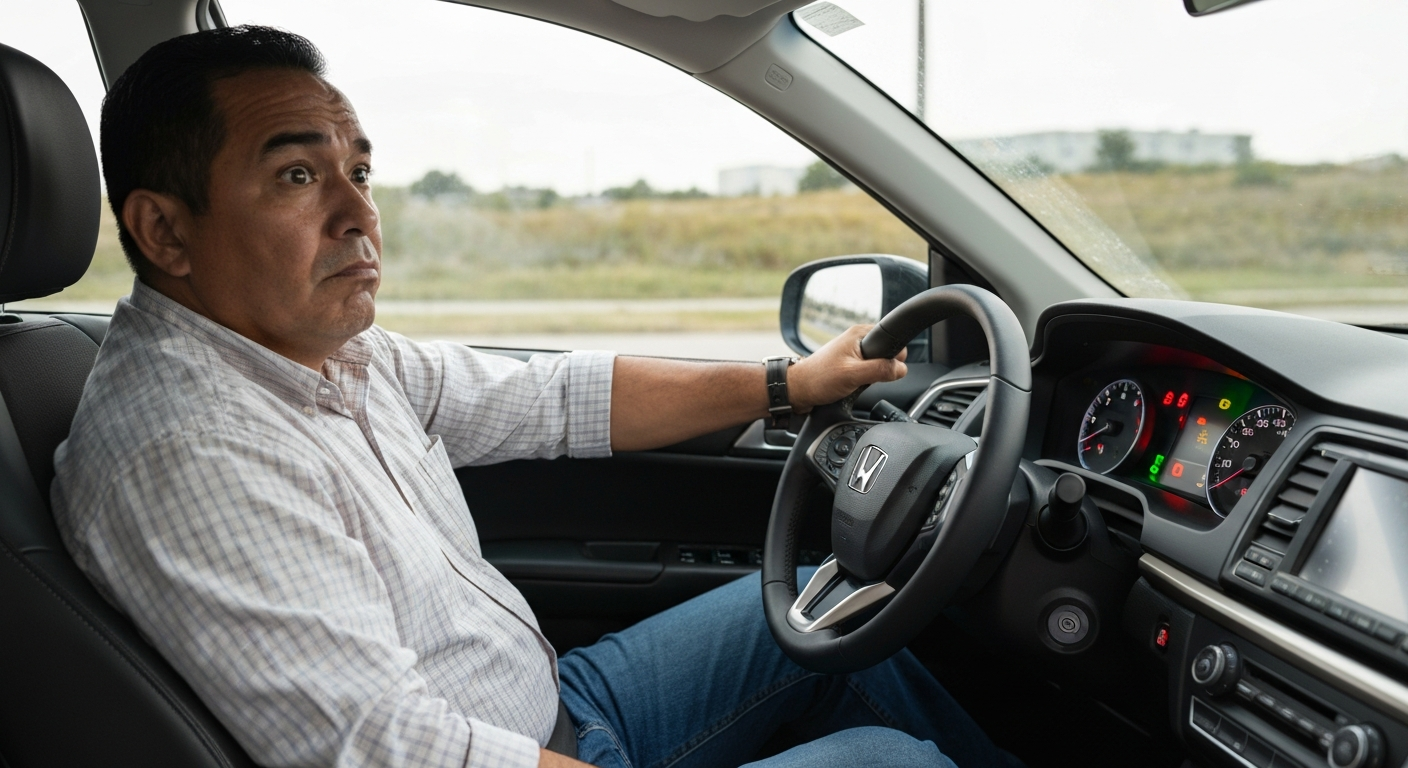

Your Honda is beeping while driving because it's alerting you to a safety concern, system malfunction, or required maintenance—most commonly an unfastened seatbelt, open door, low fuel, a parking brake issue, or an activated driver-assist feature like lane departure warning.
The beeping isn't random. Every Honda, Toyota, and modern vehicle uses distinct audible warnings to grab your attention when something needs immediate action. The key to silencing the noise is identifying which system is triggering it, which you can usually determine by checking your dashboard for warning lights or messages and correlating the beep pattern with your owner's manual.
Modern vehicles use beeping as a universal language to communicate problems—from minor reminders to urgent safety warnings that need immediate attention.
Understanding why your car is beeping when you drive starts with recognizing the different categories of alerts. Manufacturers like Honda, Toyota, Nissan, and Ford all use similar warning systems, though the exact sounds and frequencies vary by make and model.
Most driving-related beeps fall into three categories: safety system alerts (seatbelts, doors, airbags), maintenance reminders (low fuel, tire pressure, oil life), and driver-assist notifications (lane departure, collision warning, blind spot monitoring). The pattern of the beep—continuous, intermittent, or pulsing—often indicates the urgency level.
The seatbelt reminder is the most common cause of beeping while driving. Honda vehicles typically start beeping around 9 mph if the driver's seatbelt isn't fastened, and the chime becomes more insistent as speed increases. Toyota models follow a similar pattern, often accompanied by a dashboard indicator showing an unbelted occupant.
What many drivers don't realize is that heavy items in the passenger seat—a laptop bag, groceries, or a pet—can trigger the occupant sensor, making the car think an unbelted passenger is present. The solution is either to buckle the unused seatbelt or move the item to the back seat or floor.
A door or trunk that isn't fully latched triggers a warning chime in most vehicles. You might not notice a slightly open door while parked, but road vibrations can cause it to shift enough to trigger the sensor intermittently. Check your dashboard for a door-ajar indicator, which typically shows a car icon with one or more doors highlighted.
The liftgate on Honda CR-Vs and Toyota RAV4s is a frequent culprit—if the latch doesn't catch fully, you'll hear beeping that seems random but corresponds to bumps in the road.
Also Read: Why Is My Overdrive Light Flashing? 6 Causes & Fixes
Advanced safety features like lane departure warning, forward collision alert, and blind spot monitoring are designed to beep—that's how they keep you safe.
If your Honda or Toyota was manufactured after 2018, it almost certainly has Honda Sensing or Toyota Safety Sense, which includes multiple systems that produce audible alerts. These beeps aren't malfunctions; they're the features working as intended.
Lane Departure Warning (LDW) beeps when you drift across lane markings without signaling. This can become annoying on rural roads without clear lane lines or in construction zones. Most vehicles allow you to temporarily disable LDW via a button on the steering wheel or turn signal stalk.
Forward Collision Warning (FCW) produces a more urgent beeping when the system detects you're approaching a vehicle or obstacle too quickly. This is often accompanied by visual warnings on the dashboard or heads-up display.
Blind Spot Monitoring (BSM) typically uses a different alert—often a single beep paired with a light in the side mirror—when you activate your turn signal while a vehicle is in your blind spot.
"Modern vehicles have upwards of 20 different audible alerts, and most drivers never learn what each one means until it becomes a problem." — Consumer Reports at Consumer Reports Auto Safety
| ✓Our Pick |
Search OBD diagnostic tools for your vehicle A well-reviewed choice that delivers real results — worth every penny for anyone dealing with this. Learn More → |
When your car beeps and a dashboard warning light illuminates simultaneously, the beep is drawing your attention to a specific system that needs inspection.
| Warning Light | Typical Beep Pattern | What It Means |
|---|---|---|
| Low fuel | Single chime | Less than ~50 miles of range remaining |
| Tire pressure (TPMS) | Single or double beep | One or more tires below 25% of recommended PSI |
| Engine/Check Engine | Single chime at startup | Emissions or engine system needs diagnosis |
| Oil pressure | Urgent continuous beep | Stop immediately—low oil pressure can destroy engine |
| Temperature | Urgent continuous beep | Engine overheating—pull over safely |
| Brake system | Intermittent beeping | Could indicate parking brake on or low brake fluid |
| Key fob battery | Chime when starting | Key fob battery needs replacement |
The parking brake warning deserves special attention. Many drivers accidentally leave the electronic parking brake partially engaged, especially in vehicles with push-button parking brakes. If you're hearing a beep paired with a "BRAKE" or "!" indicator, release the parking brake fully before continuing to drive.
Low fuel warnings typically trigger at around 50 miles of remaining range, but driving habits and terrain affect actual distance. The beep is a reminder to plan your next fill-up, not an emergency—though ignoring it long enough can leave you stranded.
Also Read: Why Is My Antifreeze Boiling? 6 Causes & Fixes
A systematic approach helps you identify the source faster than randomly checking different systems—start with the dashboard, then move to physical inspection.
Follow these steps to pinpoint why your car is beeping while driving:
For intermittent beeping that doesn't correlate with any visible dashboard warning, the issue may be a sensor malfunction or electrical problem. An OBD-II scanner can read diagnostic trouble codes that identify which system is flagging an issue.
"When customers come in complaining of mystery beeps, 70% of the time it's a driver-assist feature they didn't know they had activated." — AAA Automotive Research Center at AAA
If your car beeps when you step away or when someone exits, the key fob detection system is likely the cause.
Modern Hondas and Toyotas with smart entry systems beep to alert you when the key fob is left inside the vehicle while the engine is running, when the key fob leaves the vehicle's detection range with the engine on, or when the key fob battery is low.
The "walk-away auto lock" feature in Honda vehicles also produces a confirmation beep when it locks the doors after you leave with the fob. This isn't a problem—it's the system confirming it worked.
If you're hearing beeps related to the key fob, try replacing the fob battery. Most key fobs use a CR2032 battery that costs a few dollars and takes minutes to replace. A weak battery causes erratic communication between the fob and the car, which can trigger spurious warnings.
Some beeping patterns signal genuine emergencies that require you to pull over immediately—knowing the difference could save your engine or prevent an accident.
Treat these warnings as urgent:
If you're unsure whether a warning is serious, err on the side of caution. Pulling over for a few minutes to consult your owner's manual or call a mechanic is always safer than ignoring a potential engine or brake failure.
Also Read: Why Is My Antifreeze Brown? 6 Causes & How to Fix It
Many driver-assist beeps can be adjusted or disabled through your vehicle's settings menu if they're more annoying than helpful for your driving style.
Honda Sensing and Toyota Safety Sense systems allow you to adjust sensitivity levels or disable certain alerts entirely. Access these options through the Settings menu on your infotainment screen, usually under "Vehicle Settings" or "Driver Assist."
Common adjustable settings include:
Be cautious about disabling safety features entirely. Adjusting sensitivity is often a better compromise—you'll still get warnings when they matter most, but fewer false alarms in everyday driving.
For persistent beeping caused by a malfunctioning sensor, the fix may require a dealership visit. Sensors for TPMS, seatbelt occupancy, and door latches can fail and produce phantom warnings. A diagnostic scan identifies which sensor needs replacement.
Your Honda, Toyota, or other vehicle beeps while driving to alert you to seatbelt reminders, open doors, low fuel or tire pressure, activated driver-assist features, or system malfunctions. Check your dashboard for warning lights first, then systematically inspect doors, seatbelts, and vehicle settings. Most beeping is a helpful safety feature working as designed, but continuous urgent beeping with a red warning light means pull over immediately.
This usually indicates a driver-assist system activation, such as lane departure warning detecting you're drifting without signaling. It can also mean a door isn't fully latched—the door-ajar light may not illuminate if the door is only slightly open. Try firmly closing all doors and checking your driver-assist settings to see which features are active.
Yes, passenger seat occupancy sensors can detect heavy items like grocery bags, backpacks, or laptop cases as an unbelted passenger. Move items weighing more than about 30 pounds to the floor or rear seats, or buckle the unused seatbelt to silence the warning.
Match the beep to any dashboard warning lights. Yellow or amber warnings are typically informational (low washer fluid, tire pressure, maintenance due). Red warnings—especially for oil pressure, temperature, or brakes—indicate potential emergencies. Continuous rapid beeping paired with a red light means pull over immediately.
This is usually a lights-on reminder (if headlights are still on), a key-in-ignition warning, or a notification that a door is open. Many vehicles also beep to confirm the parking brake has engaged. Check your headlight switch and remove the key to stop this type of beeping.
Some beeps, like the seatbelt reminder, can be adjusted or disabled through a specific procedure outlined in your owner's manual—often involving a sequence of ignition cycles and seatbelt buckles. Driver-assist alerts can typically be turned off in the vehicle settings menu. However, warning beeps for critical systems like oil pressure and brakes cannot and should not be disabled.
Reviewed and Updated on June 12, 2026 by George Wright