
Health
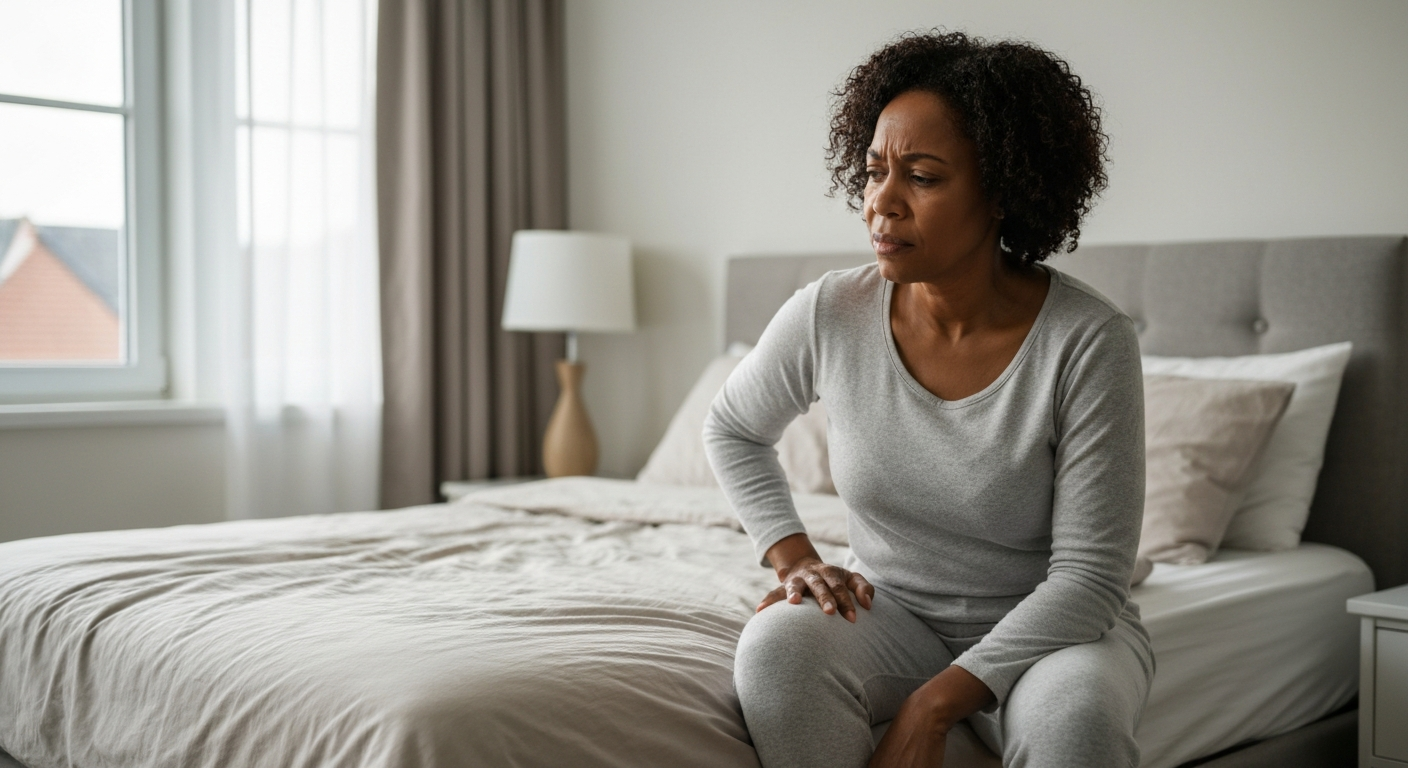

An itchy butt — whether around the anus, between the cheeks, or deep in the buttcrack — is almost always caused by moisture, irritation, or minor hygiene issues rather than something serious, and most cases resolve within a week or two with simple at-home care.
The medical term is pruritus ani, and it affects up to 5% of Americans at some point. The itch can strike at any time but often feels worse at night when you're trying to sleep. While the sensation ranges from mildly annoying to unbearably distracting, understanding what's behind it is the first step to making it stop.
Your anal area is itchy because something has disrupted the delicate skin around your anus — this could be excess moisture, a reaction to products, incomplete cleaning, or an underlying condition like hemorrhoids or a yeast infection.
The perianal skin (the area around your anus) is thinner and more sensitive than skin elsewhere on your body. It's also constantly exposed to moisture, friction, and irritants from stool. This makes it especially prone to itching when conditions change. Let's break down the specific causes.
Incomplete cleaning after a bowel movement is one of the most common causes. Residual stool left on the skin contains digestive enzymes and bacteria that irritate the sensitive perianal tissue. This triggers inflammation and that persistent itch.
Aggressive wiping creates the opposite problem. Scrubbing too hard strips away protective oils and creates micro-tears in the skin. This leads to dryness, cracking, and — you guessed it — more itching.
"The skin around the anus is very sensitive. Excessive wiping or scrubbing can cause irritation and worsen itching." — Cleveland Clinic
Absolutely. The area between your butt cheeks is warm, enclosed, and prone to sweating. When moisture gets trapped — from sweat, humid weather, or sitting for long periods — it creates an environment where bacteria and fungi thrive.
This is why your butt might feel itchier after a workout, during summer months, or if you work a desk job. The combination of sweat, friction from underwear, and warmth is a perfect recipe for irritation.
Some foods can irritate the anal area when they pass through your digestive system. Common culprits include:
| Food/Drink | Why It Causes Itching |
|---|---|
| Spicy foods | Capsaicin irritates the anal lining during bowel movements |
| Coffee and tea | Caffeine relaxes the anal sphincter, allowing leakage |
| Citrus fruits | Acidic residue can irritate sensitive skin |
| Chocolate | Contains methylxanthines that may trigger itching |
| Beer and wine | Alcohol increases stool acidity |
| Dairy | Can cause loose stools in lactose-intolerant people |
If your butthole is consistently itchy after eating certain foods, try eliminating suspects one at a time to identify your triggers.
Also Read: Why Is My Stool Green? 8 Causes & When to Worry
Hemorrhoids are swollen blood vessels around the anus that affect roughly half of all adults by age 50. They're a major cause of anal itching, often accompanied by:
The itching happens because hemorrhoids produce mucus that leaks onto the perianal skin, causing moisture and irritation. Scratching makes hemorrhoids worse, creating a frustrating cycle.
Also Read: Why Is My Butt Bleeding? 7 Causes & When to Worry
Yes — and not just in the vaginal area. Candida albicans, the fungus behind most yeast infections, loves warm, moist environments like the buttcrack and anal area. This is especially common in people who:
Yeast-related anal itching often comes with redness, a rash that spreads outward from the anus, and sometimes small satellite spots beyond the main affected area.
| ✓Our Pick |
Women's gut and vaginal microbiome probiotics for better balance One of the highest-rated products in its category — a reliable fix used by thousands of people. Learn More → |
Pinworms (Enterobius vermicularis) are tiny white parasites that live in the intestines and cause intense anal itching — especially at night. The female worms crawl out of the anus while you sleep to lay eggs, which is what triggers the itch.
Pinworms are most common in children but easily spread to adults in the same household. If your butthole is extremely itchy at night and you've been around kids who attend school or daycare, pinworms are worth considering.
Signs of pinworm infection:
- Itching that worsens dramatically at night
- Visible tiny white threads in stool or around the anus
- Restless sleep
- Irritability
A simple "tape test" (pressing clear tape to the anal area first thing in the morning and examining it for eggs) can confirm the diagnosis.
Several skin conditions commonly show up around the anus:
Eczema (atopic dermatitis) causes dry, itchy, inflamed skin that can appear anywhere on the body, including between the butt cheeks. If you have eczema elsewhere, it may be the source of your anal itching too.
Psoriasis produces thick, scaly patches that can develop in the gluteal cleft (buttcrack). Inverse psoriasis specifically affects skin folds and may appear smoother and redder than typical psoriasis.
Contact dermatitis is an allergic or irritant reaction to something touching your skin — often toilet paper with fragrances or dyes, wet wipes containing alcohol, laundry detergent, or even the dye in colored underwear.
"Contact dermatitis from soaps, lotions, or toilet paper is a frequent cause of anal itching. Switching to unscented products often provides relief." — American Academy of Dermatology
Some sexually transmitted infections can cause itching around the anus, particularly if you've had anal sexual contact:
If you're sexually active and experiencing persistent anal itching with other symptoms like discharge, pain, or sores, testing is a good idea.
Certain medications cause anal itching as a side effect:
If your butt started itching around the same time you began a new medication, talk to your doctor about whether there's a connection.
Most anal itching responds well to simple hygiene changes and over-the-counter treatments — you can usually find relief within a few days.
This single change helps more people than almost anything else:
Yes — moisture control is critical. Try these strategies:
| Treatment | Best For | How to Use |
|---|---|---|
| 1% hydrocortisone cream | General itching, mild inflammation | Apply thin layer 1-2 times daily, max 7 days |
| Zinc oxide cream | Moisture barrier, mild irritation | Apply after cleaning and drying |
| Witch hazel pads | Hemorrhoid-related itching | Dab gently after bowel movements |
| Antifungal cream (clotrimazole) | Yeast infection symptoms | Apply twice daily for 7-14 days |
| Petroleum jelly | Protecting raw or chapped skin | Apply thin layer as needed |
Important: Don't use hydrocortisone for more than a week without seeing a doctor. Prolonged use can thin the skin and make problems worse.
Eliminating trigger foods often helps, but adding fiber matters too. Bulky, well-formed stools are easier to clean after and cause less irritation than loose or sticky stools.
Aim for 25-30 grams of fiber daily from sources like:
- Whole grains
- Vegetables
- Legumes
- Psyllium husk supplements
Also drink plenty of water — fiber without adequate hydration can cause constipation, which leads to straining and hemorrhoid flare-ups.
Scratching provides momentary relief but damages the skin, introduces bacteria, and triggers inflammation that makes the itch even more intense. This "itch-scratch cycle" is why anal itching sometimes persists for weeks or months.
To break the cycle:
- Keep fingernails short and clean
- Wear cotton gloves at night if you scratch in your sleep
- Apply a cool (not cold) compress when the urge to scratch hits
- Use a gentle anti-itch cream instead of scratching
Seek medical attention if your itching hasn't improved after 2-3 weeks of home treatment, or if you notice bleeding, lumps, discharge, or skin changes.
You should see a healthcare provider if:
- The itch is severe enough to interfere with sleep or daily life
- You see blood on toilet paper or in the toilet bowl
- There's a visible lump, sore, or unusual growth
- The skin appears thickened, scaly, or discolored
- You have discharge from the anus
- Over-the-counter treatments aren't helping
- You suspect an STI or pinworms
- The itching comes with fever or unexplained weight loss
Your doctor can examine the area, test for infections, and prescribe stronger treatments if needed. In rare cases, persistent anal itching can signal more serious conditions that require investigation.
Also Read: Why Is My Head So Itchy at Night? 9 Causes & Relief
An itchy butt is uncomfortable and embarrassing to talk about, but it's extremely common and almost always treatable. The main causes — moisture, poor hygiene habits, irritating products, hemorrhoids, and dietary triggers — all respond well to simple fixes. Start by improving how you clean and dry the area, switch to unscented products, and try an over-the-counter hydrocortisone cream for short-term relief. If the itch persists beyond a few weeks or comes with other symptoms like bleeding or lumps, see your doctor to rule out infections or skin conditions that need prescription treatment.
Persistent itching specifically in the buttcrack is usually related to moisture and friction. The crease between your cheeks traps sweat, creating ideal conditions for fungal and bacterial growth. Try wearing looser-fitting clothes, using a moisture-absorbing powder, and ensuring the area is completely dry after showering. If the itch doesn't improve, a fungal infection may be involved and antifungal cream could help.
Itchy butt cheeks (rather than the anal opening) typically points to a skin condition like eczema, psoriasis, or contact dermatitis from laundry detergent, fabric softener, or underwear dye. Heat rash from friction and sweating can also affect the buttocks. Try switching to fragrance-free laundry products and cotton underwear — if that doesn't help, a dermatologist can identify any underlying skin condition.
Stress doesn't directly cause anal itching, but it can definitely make existing itching worse. Stress triggers inflammation throughout the body and may lead to nervous scratching or picking that damages the skin. Some people also experience digestive changes when stressed, leading to looser stools that irritate the anal area. Managing stress through exercise, sleep, and relaxation techniques can help break the cycle.
Nighttime itching is often more intense for several reasons. Your body temperature rises slightly during sleep, increasing blood flow to the skin and amplifying itch sensations. There are also fewer distractions at night, making you more aware of the itch. If the itching is dramatically worse at night and you have children or work with kids, pinworms are a likely cause — they lay eggs around the anus specifically at night.
In the vast majority of cases, no. Anal itching is almost always caused by benign conditions like hygiene issues, hemorrhoids, or skin irritation. However, persistent itching that doesn't respond to treatment — especially when accompanied by bleeding, lumps, pain, or changes to bowel habits — should be evaluated by a doctor. Anal cancer is rare but can present with itching as an early symptom, so don't ignore symptoms that won't go away.
Reviewed and Updated on May 30, 2026 by George Wright