
Technology
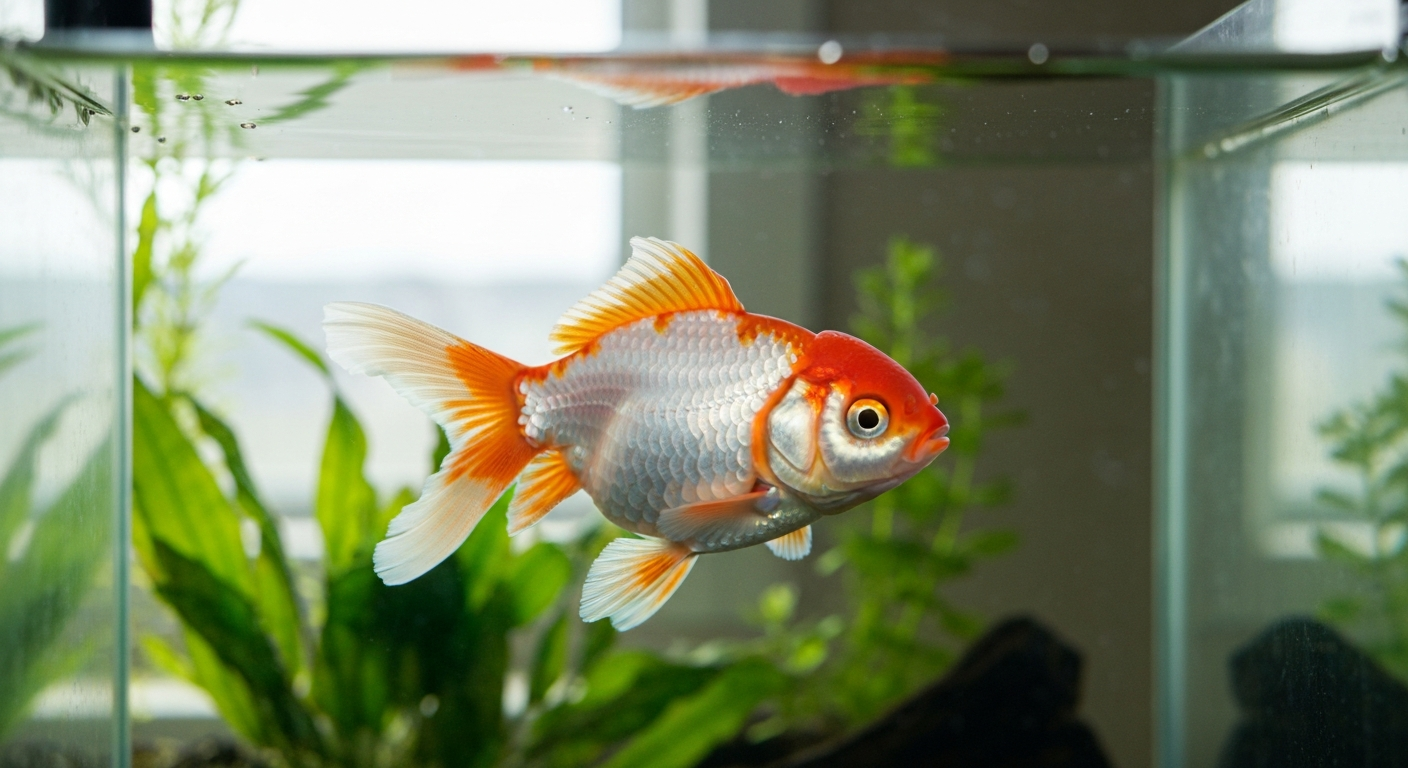

Goldfish turn white primarily due to a loss of pigment called depigmentation, which can be triggered by genetics, insufficient light, poor water quality, nutritional deficiencies, aging, or disease—most cases are harmless and reversible with simple care adjustments.
Color changes in goldfish are one of the most common concerns aquarium owners face, and understandably so. That vibrant orange, red, or gold fish you brought home is now developing pale patches or fading entirely. The good news is that in most cases, a goldfish turning white isn't a sign of serious illness. Understanding why it happens helps you determine whether you need to act quickly or simply adjust your fish's environment.
| ✓Quick Fix |
What Actually Works for This, Fast One of the simplest things to try immediately — no appointment, no waiting. See on Amazon → |
Depigmentation in goldfish occurs when cells called chromatophores—which contain pigments like carotenoids and melanin—reduce their activity or die off, causing the fish's color to fade or turn white.
Goldfish aren't born with their final coloration. Most start life as brown or olive-colored fry, developing their signature orange, red, white, or black markings over the first one to two years. This color can continue to shift throughout their lives, sometimes dramatically. The mechanisms behind these changes involve multiple factors working together or independently.
Genetics is the single biggest factor in goldfish color changes. Many goldfish are simply programmed to change color as they mature. If your goldfish came from parents who turned white or developed calico patterns later in life, your fish will likely follow the same path. This is particularly common in fancy goldfish varieties like orandas, ranchus, and fantails, which were selectively bred for specific color patterns that may shift over time.
Some goldfish carry genes for unstable pigmentation. These fish may start bright orange and gradually fade to white, cream, or silver over several years. This genetic depigmentation is completely normal and not a sign of poor health.
Light exposure directly affects pigment production in goldfish. Fish kept in dimly lit tanks or rooms with minimal natural light often lose color intensity because their chromatophores don't receive the stimulus they need to produce and maintain pigments.
In the wild, goldfish receive several hours of direct and indirect sunlight daily. Indoor aquariums rarely replicate this. If your tank sits in a dark corner or you only run the aquarium light for a few hours, your goldfish may gradually pale.
"Light is essential for proper pigmentation in ornamental fish. Inadequate lighting duration or intensity can lead to fading colors, while appropriate light cycles help maintain vibrant coloration." — Dr. Jessie Sanders at Aquatic Veterinary Services
The solution is straightforward: provide 8 to 12 hours of aquarium lighting daily. A standard aquarium light or LED fixture works well. Avoid direct sunlight on the tank, though, as this can cause algae blooms and temperature swings.
Poor water quality stresses goldfish at the cellular level, and one visible sign of this stress is color loss. High ammonia, elevated nitrites, or nitrate levels above 40 ppm can all trigger depigmentation. The fish's body prioritizes survival over maintaining vibrant coloration when it's constantly fighting toxic water conditions.
Test your water weekly with a liquid test kit. Healthy goldfish water parameters look like this:
| Parameter | Ideal Range |
|---|---|
| Ammonia | 0 ppm |
| Nitrite | 0 ppm |
| Nitrate | Under 20 ppm |
| pH | 7.0–8.4 |
| Temperature | 65–75°F |
If your readings are off, increase water change frequency. Most goldfish tanks need 25% to 50% water changes weekly, sometimes more for heavily stocked tanks. Goldfish produce significant waste, and undersized filters struggle to keep up.
What you feed your goldfish directly impacts their color. Goldfish cannot produce carotenoid pigments on their own—they must get them from food. A diet lacking color-enhancing ingredients will result in gradually fading fish.
Low-quality flake foods often don't contain enough natural color enhancers. Foods rich in spirulina, astaxanthin, krill, shrimp, and other carotenoid sources help goldfish maintain and even intensify their orange, red, and yellow pigments.
Consider these dietary adjustments:
Color enhancement isn't instant. It takes 4 to 8 weeks of improved diet before you'll notice pigment returning.
Also Read: Why Is My Guinea Pig Squeaking? 8 Causes & Sound Guide
Black coloration appearing on goldfish typically indicates healing from ammonia burns, though it can also result from genetics, bruising, or—less commonly—a parasitic infection called black spot disease.
When goldfish develop black patches rather than white, the cause is usually different. The most common culprit is ammonia poisoning. When ammonia levels spike, they chemically burn the fish's skin and gills. As these burns heal, the damaged tissue turns black before eventually returning to the original color (this can take weeks or months).
If your goldfish is turning black, test your water immediately. Even if current readings show zero ammonia, a recent spike may have caused the damage before your test. Perform a large water change and monitor closely.
Other causes of black coloration include:
Black coloration from healing is actually a positive sign—it means your fish's immune system is working. The black areas should gradually fade over several weeks to months once water quality stabilizes.
Betta fish turn white due to many of the same reasons as goldfish—stress, poor water quality, aging, and disease—but bettas are also particularly prone to a fungal condition called columnaris that creates white, fuzzy patches.
Betta owners often notice their fish losing color vibrancy or developing white patches. While some causes overlap with goldfish, bettas have unique considerations.
Stress causes bettas to "wash out" and appear pale or grayish. Common stressors include:
However, many bettas carry the "marble gene," which causes their color to shift unpredictably throughout their lives. A blue betta may develop white patches, lose color entirely, or even change to a completely different color. This is genetic and harmless.
If the white areas on your betta look fuzzy, cottony, or raised—rather than just faded—suspect a fungal or bacterial infection. Columnaris, often called cotton wool disease, creates white patches that can spread rapidly. Ich (white spot disease) appears as tiny salt-like dots rather than patches.
Signs that white coloration is disease-related:
Fungal and bacterial infections require treatment with appropriate medications. Quarantine the affected fish and treat according to the medication's instructions. Improving water quality is essential—infections often take hold when fish are already stressed by poor conditions.
The most frequent causes of color loss in aquarium fish—goldfish, bettas, and other species—fall into six main categories: genetics, lighting, water quality, diet, age, and disease.
Here's a quick-reference table to help diagnose your fish's color change:
| Cause | Appearance | Other Signs | Action Needed |
|---|---|---|---|
| Genetics | Gradual, even fading | Fish otherwise healthy, active, eating | None—natural process |
| Insufficient light | Overall paleness | No other symptoms | Increase light to 8–12 hours daily |
| Poor water quality | Patchy fading, stress stripes | Lethargy, gasping, fin clamping | Test water, increase water changes |
| Nutritional deficiency | Gradual fading | Dull eyes, slow growth | Improve diet with color-enhancing foods |
| Aging | Slow color change | Normal behavior | None—natural process |
| Disease (fungal/bacterial) | Fuzzy, raised, or spreading patches | Lethargy, not eating, fin damage | Treat with appropriate medication |
Most color changes fall into the first four categories and resolve with environmental improvements. Disease-related whitening is less common but requires prompt treatment.
Seek veterinary care or begin treatment if your fish shows white fuzzy patches, stops eating, becomes lethargic, or develops multiple symptoms simultaneously—these indicate illness rather than normal pigment changes.
Normal, harmless color changes happen slowly (over weeks or months), affect the fish evenly, and don't come with behavioral changes. Your goldfish or betta continues to eat eagerly, swim normally, and interact with its environment.
Warning signs that suggest a health problem:
If you notice these symptoms, test your water immediately and consider treatment. Many fish diseases progress quickly, so early intervention matters.
"Color changes accompanied by behavioral changes such as loss of appetite, lethargy, or abnormal swimming patterns warrant immediate attention and possible veterinary consultation." — Dr. Richmond Loh at The Fish Vet
You can often restore faded fish color by optimizing lighting, improving water quality, feeding color-enhancing foods, and reducing stress—though genetic color changes cannot be reversed.
If your goldfish or betta has turned white due to environmental factors, these steps help bring back their vibrant appearance:
Upgrade your lighting schedule. Run aquarium lights 8 to 12 hours daily. Use a timer for consistency.
Test and improve water quality. Ammonia and nitrite must be at zero. Keep nitrates under 20 ppm with regular water changes.
Feed color-enhancing foods. Choose foods containing spirulina, astaxanthin, or natural carotenoids. Supplement with vegetables and protein-rich treats.
Reduce stress. Ensure adequate tank size (20 gallons minimum for goldfish, 5 gallons for bettas), provide hiding spots, and avoid aggressive tank mates.
Maintain stable temperatures. Use a heater if necessary to prevent fluctuations that stress fish.
Give these changes 4 to 8 weeks before expecting visible improvement. Pigment production and cellular recovery take time.
| ✓Our Pick |
Aquarium water test kit for goldfish Trusted by professionals and everyday users alike — a smart investment that pays for itself. See on Amazon → |
Goldfish and betta fish most commonly turn white due to genetics, insufficient lighting, poor water quality, or nutritional deficiencies—all of which are manageable with proper care. Rapid color changes accompanied by lethargy, appetite loss, or fuzzy white patches indicate disease and require treatment. Test your water, improve lighting and diet, and monitor your fish's behavior to determine whether you're seeing natural pigment changes or a health concern that needs attention.
Black coloration on goldfish usually indicates healing from ammonia burns. When ammonia levels spike, they chemically burn the fish's skin. The healing tissue turns black before eventually fading back to normal color. This process can take weeks or months. Less commonly, black patches result from genetics, bruising, or parasitic black spot disease. Test your water for ammonia—even if current readings are zero, a recent spike may have caused the damage.
White edges on betta fins can indicate fin rot, a bacterial infection that causes tissue to die and slough off. The affected areas may look ragged, frayed, or whitish. Fin rot typically results from poor water quality or stress. Treat by improving water conditions with frequent partial water changes, raising temperature slightly (to 80°F), and using aquarium salt or antibacterial medication if the condition worsens.
If your goldfish turned white due to genetics or aging, you cannot reverse the change—it's permanent. However, if poor diet, lighting, or water quality caused the fading, improving these factors can restore some color over 4 to 8 weeks. Feed foods rich in carotenoids, provide 8 to 12 hours of light daily, and maintain pristine water conditions. The fish may not return to its original brightness but should regain some vibrancy.
A fish that's both losing color and refusing food is likely sick or severely stressed. This combination suggests a more serious problem than normal pigment change. Check water parameters immediately—ammonia or nitrite spikes often cause both symptoms. Look for other signs like clamped fins, lethargy, or fuzzy patches indicating fungal infection. Quarantine the fish if possible and consider treatment for bacterial or fungal disease if water quality isn't the issue.
Yes, goldfish commonly change color with age. Most goldfish undergo their most dramatic color transformation between 1 and 2 years old, shifting from their juvenile brown or olive coloring to orange, red, white, or calico patterns. Color can continue shifting throughout their lives—a goldfish may slowly fade from bright orange to pale cream over many years. This natural aging process is harmless and reflects the fish's genetics rather than health problems.
Reviewed and Updated on June 20, 2026 by George Wright