
Technology
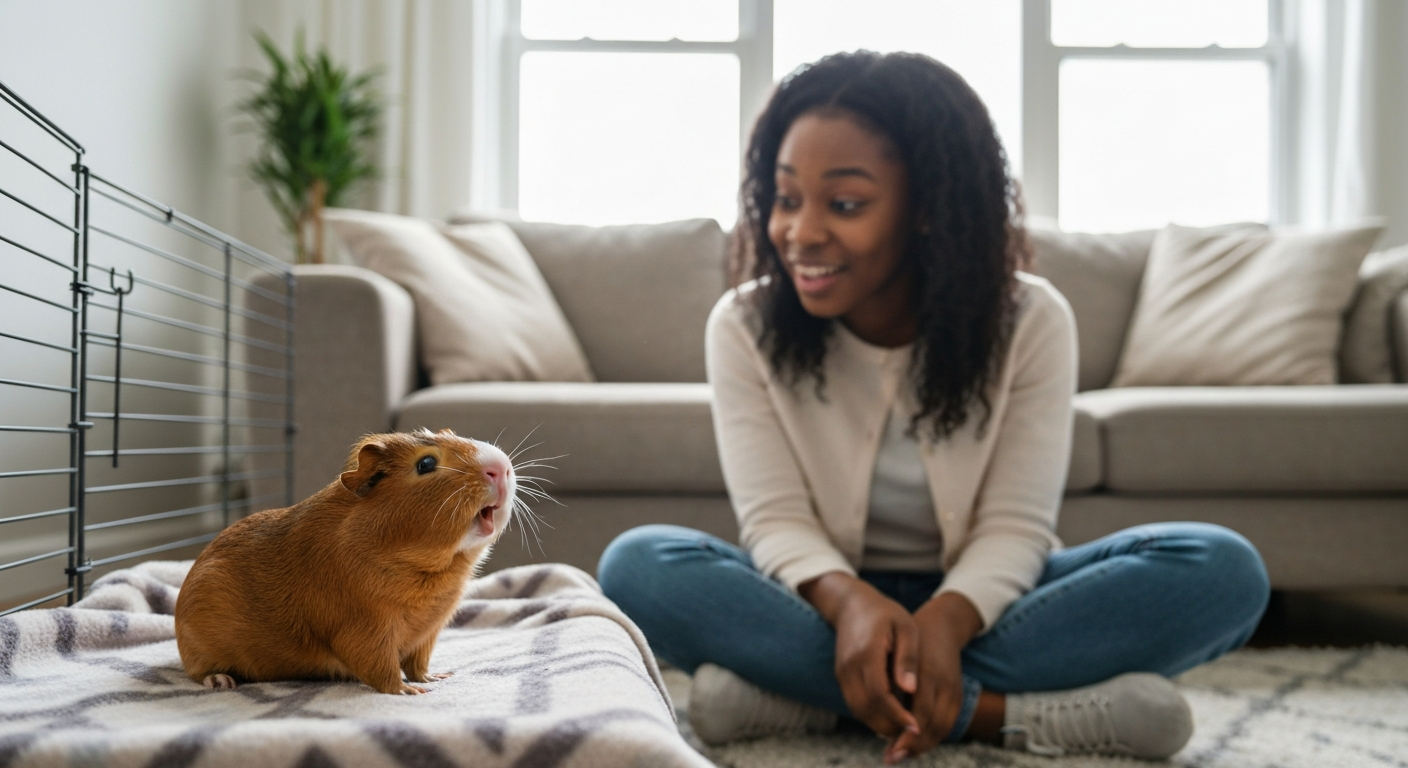

Your guinea pig is squeaking because it's communicating with you — guinea pigs are naturally vocal animals that use a range of sounds to express hunger, excitement, fear, loneliness, or discomfort. Most squeaking is completely normal and healthy, especially the high-pitched "wheek" that signals anticipation of food or attention. However, persistent squeaking combined with other behavioral changes can indicate pain, illness, or environmental stress that needs addressing.
| ✓Our Pick |
Complete guinea pig care essentials for happy, healthy cavies Save yourself the frustration — a proven solution with consistently positive feedback from real buyers. See on Amazon → |
Guinea pigs are among the most vocal rodent pets, producing at least 11 distinct sounds — and squeaking is their primary way of "talking" to humans and cage mates.
Unlike hamsters or gerbils, guinea pigs evolved as social herd animals that rely heavily on vocal communication. They squeak to coordinate with their group, warn of danger, express emotions, and get your attention. Understanding what different squeaks mean helps you respond appropriately and build a stronger bond with your cavy.
The context matters enormously. A guinea pig squeaking at the sound of a rustling bag is excited about food. A guinea pig squeaking while being held might be nervous. The same squeak can mean different things depending on timing, body language, and surrounding circumstances.
"Guinea pigs have a complex repertoire of vocalizations, each serving specific communication purposes within their social structure." — Dr. Laurie Hess, DVM at VCA Animal Hospitals
| ✓Quick Fix |
See What Solves This in Minutes A low-cost, no-commitment option to rule out before spending more on this problem. See on Amazon → |
The "wheek" — a loud, high-pitched whistle — is the classic food-anticipation squeak and the most common reason guinea pigs vocalize.
Guinea pigs quickly learn the sounds associated with feeding time. Opening the refrigerator, rustling a plastic bag, or even your footsteps approaching their cage can trigger enthusiastic wheeking. This sound is specifically directed at humans; guinea pigs rarely wheek at each other.
If your guinea pig squeaks loudly every time you enter the room, congratulations — you've been successfully trained. This is normal, healthy behavior that shows your cavy associates you with good things.
Soft, bubbly squeaks called "purring" or "bubbling" indicate contentment, especially during petting or lap time.
Happy guinea pigs produce a low, rumbling purr when relaxed. They may also make quiet cooing sounds while exploring or eating something delicious. These sounds are often accompanied by relaxed body language — half-closed eyes, a loose posture, and that distinctive "popcorning" jump when they're particularly joyful.
A content guinea pig's squeaks sound different from distress calls. They're lower-pitched, shorter, and often rhythmic rather than sharp and urgent.
Guinea pigs are highly social animals that can develop depression and behavioral problems when kept alone — persistent squeaking may be a call for companionship.
In the wild, guinea pigs live in groups of 5 to 10 individuals. A solo guinea pig may squeak frequently, seeking contact with the only social creature available: you. If your guinea pig squeaks whenever you leave the room or seems to vocalize more when the house is quiet, loneliness could be the cause.
Many guinea pig welfare organizations recommend keeping at least two guinea pigs together. A lonely cavy may become withdrawn, lose appetite, or develop repetitive behaviors alongside excessive squeaking.
Also Read: Why Is My Baby Crying in His Sleep? 7 Causes & Fixes
Sharp, short squeaks or screams indicate fear — your guinea pig perceives a threat and is trying to warn others or deter a predator.
Loud, piercing squeaks that sound like screaming are distress calls. Common triggers include sudden loud noises, unfamiliar people or pets, being picked up incorrectly, or feeling trapped. A frightened guinea pig may also freeze, flatten its body, or attempt to flee.
If your guinea pig squeaks sharply during handling, evaluate your technique. Support their hindquarters fully and avoid grabbing from above, which mimics how predators attack. Some guinea pigs are naturally more nervous than others and need gradual desensitization to handling.
Chirping — a rare, bird-like sound — remains somewhat mysterious even to researchers, but it may indicate a trance-like state or emotional processing.
The chirp is distinctly different from other guinea pig sounds. It's rhythmic, musical, and sounds almost exactly like a bird. Guinea pigs typically chirp while sitting still with a glazed expression, often at night when the house is quiet.
"The chirping vocalization in guinea pigs is not fully understood, but it appears to occur during states of heightened awareness or possible stress processing." — Dr. Micah Kohles, DVM at Oxbow Animal Health
Chirping isn't necessarily cause for concern, but if it happens frequently, assess whether your guinea pig's environment is too stressful. Ensure their cage is in a quiet area away from drafts, predator pets, and high-traffic zones.
Persistent squeaking combined with behavioral changes — reduced eating, lethargy, or unusual posture — can indicate pain or illness requiring veterinary attention.
Guinea pigs instinctively hide illness to avoid appearing weak to predators. By the time they show obvious symptoms, they may already be quite sick. However, subtle changes in vocalization can be early warning signs.
Pain-related squeaks often occur during specific activities: urinating (possible bladder stones or UTI), eating (dental problems), or moving (arthritis or injury). A guinea pig that squeaks when you touch a particular area may have localized pain.
Watch for these warning signs alongside unusual squeaking:
| Warning Sign | Possible Cause |
|---|---|
| Squeaking while urinating | Bladder stones, urinary tract infection |
| Squeaking when touched | Injury, abscess, mites, or internal pain |
| Squeaking while eating | Overgrown teeth, mouth sores |
| Squeaking with labored breathing | Respiratory infection |
| Squeaking with hunched posture | Gastrointestinal distress, pain |
| Weight loss with frequent squeaking | Various illnesses, dental disease |
If your guinea pig shows any combination of these symptoms, schedule a veterinary visit promptly. Guinea pigs can decline rapidly once visibly ill.
Chattering teeth, rumbling, and assertive squeaks are normal parts of guinea pig social dynamics, especially when establishing hierarchy.
When guinea pigs meet or challenge each other for dominance, they communicate through a complex vocabulary. Teeth chattering is a warning that means "back off." Rumblestrutting — a low vibrating sound accompanied by swaying — is a dominance display. Short, sharp squeaks during these encounters are normal.
Some squeaking during introductions or cohabitation is expected. However, if squeaking escalates to screaming and you see chasing, biting, or blood, separate the guinea pigs immediately. Not all guinea pigs are compatible.
Guinea pigs squeak to protest uncomfortable conditions — temperatures outside 65–75°F, wet bedding, small cages, or lack of hiding spots.
Your guinea pig's enclosure significantly affects their behavior. A cage that's too small, dirty bedding, no hideaway for privacy, or temperatures that are too hot or cold can all trigger protest squeaking.
Guinea pigs cannot sweat and are very sensitive to heat. If temperatures exceed 80°F, your guinea pig may squeak in distress and risk heatstroke. Similarly, drafts and cold temperatures below 60°F cause discomfort.
Ensure your guinea pig has at least 7.5 square feet of cage space (more for pairs), clean dry bedding, fresh water, and at least one enclosed hiding spot per guinea pig.
Also Read: Why Is My Outlet Buzzing? 7 Causes & How to Fix It
| Sound | What It Means | Your Response |
|---|---|---|
| Wheek (loud whistle) | "Feed me!" or "Pay attention!" | Check if it's feeding time; offer attention |
| Purr (low rumble) | Content and relaxed | Continue what you're doing — they're happy |
| Chirp (bird-like) | Unknown; possibly processing stress | Observe; reduce environmental stressors |
| Teeth chattering | Warning; annoyance or aggression | Give space; separate if between guinea pigs |
| Whine (rising pitch) | Mild annoyance or protest | Adjust handling or situation |
| Scream (loud shriek) | Fear or pain | Check for injury; remove threat; vet if persistent |
| Coo (soft murmur) | Reassurance to babies or cage mates | No action needed — positive sound |
| Rumblestrut (vibrating) | Mating or dominance display | Normal; supervise if with other guinea pigs |
Schedule a veterinary appointment if squeaking is accompanied by changes in eating, drinking, elimination, activity level, or physical appearance.
| 🐾Find a Vet |
Find a specialist vet near you VetClinic.info is a free directory of board-certified specialist vets across the US — find an orthopedic surgeon, oncologist, neurologist, or emergency clinic near you in seconds. Find Near You → |
Guinea pigs need an exotics veterinarian — not all small-animal vets have guinea pig expertise. Seek care if you observe:
Guinea pig illnesses progress quickly. Early intervention dramatically improves outcomes. A $50–100 vet visit now can prevent a $500+ emergency later — or worse.
Creating a calm, enriched environment addresses most non-medical causes of excessive guinea pig squeaking.
Start with the basics: adequate cage size, proper diet (unlimited hay, fresh vegetables, vitamin C), clean water, and a quiet location away from predator pets. Then focus on enrichment and social needs.
If your guinea pig squeaks frequently when alone, consider adding a second guinea pig (same-sex pairs work well). If adding another pet isn't possible, increase your interaction time. Many guinea pigs enjoy floor time in a safe, enclosed area where they can explore.
Handle your guinea pig gently and consistently. Scoop them from below rather than grabbing from above. Speak softly before approaching their cage. Predictability reduces anxiety.
Also Read: Why Is My Life Falling Apart? 7 Causes & How to Recover
Your guinea pig squeaks to communicate — it's their primary language. Most squeaking signals hunger, excitement, or a desire for attention and is completely healthy. The key is matching the sound to the context: enthusiastic wheeking at mealtime is joy; sharp screams during handling suggest fear; squeaking combined with appetite loss or lethargy warrants a vet visit. Understanding your guinea pig's vocal vocabulary helps you meet their needs and catch health problems early.
Chirping is one of the rarest guinea pig vocalizations and sounds remarkably like a songbird. Researchers don't fully understand it, but chirping appears to occur during trance-like states, possibly related to stress processing or heightened awareness. Guinea pigs typically chirp at night while sitting completely still. Occasional chirping isn't concerning, but frequent chirping may indicate environmental stress. Ensure your guinea pig has a quiet, secure cage location with adequate hiding spots.
Yes, happy guinea pigs make soft purring or bubbling sounds, especially during petting and lap time. They may also emit quiet coos while eating favorite foods or exploring interesting spaces. The key difference is pitch and urgency — happy sounds are low, rhythmic, and relaxed. Distress sounds are sharp, high-pitched, and insistent. A guinea pig that purrs while you stroke its back and popcorns during floor time is expressing contentment.
Occasional nighttime squeaking is normal — guinea pigs are crepuscular, meaning they're most active at dawn and dusk, with periods of activity throughout the night. They may squeak while eating hay, interacting with cage mates, or responding to household sounds. However, persistent nighttime screaming or distress calls warrant investigation. Check for drafts, temperature issues, predator pets disturbing them, or health problems.
Pain squeaks differ from food-anticipation wheeks. Pain vocalizations are often sharp, occur during specific activities (eating, urinating, moving), and may be accompanied by behavioral changes like reduced appetite, lethargy, or aggression when touched. A guinea pig that screams when you pick it up or squeaks when you touch a particular body area may have an injury, abscess, or internal issue. When in doubt, schedule a vet appointment — guinea pigs hide pain instinctively.
There's no universal "normal" amount of squeaking — some guinea pigs are naturally more vocal than others. However, a sudden increase in vocalization or a change in the type of sounds your guinea pig makes deserves attention. Excessive squeaking may indicate unmet needs (hunger, loneliness, boredom), environmental stress (temperature, noise, predator pets), or health issues. Address basic needs first, then consult a vet if squeaking remains excessive without obvious cause.
Reviewed and Updated on June 20, 2026 by George Wright