
Technology
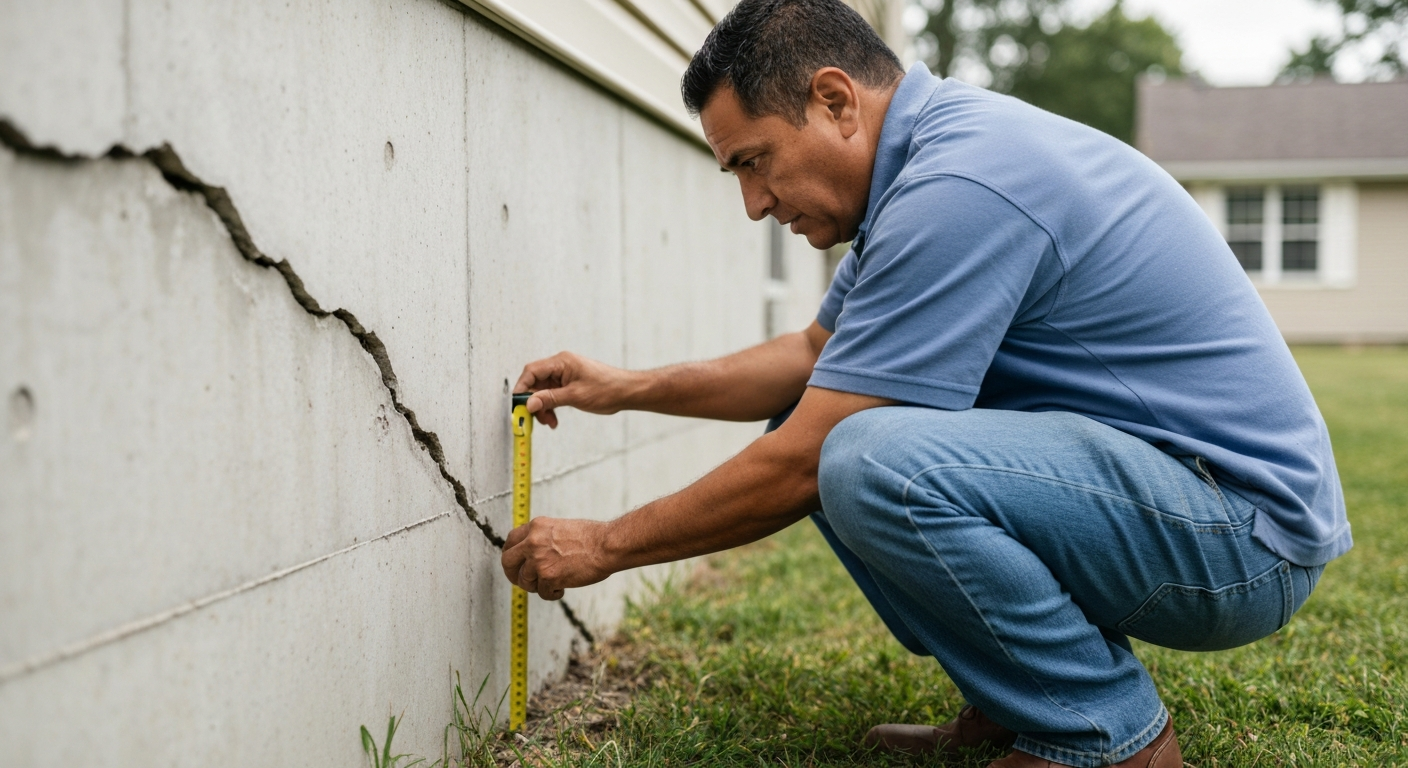

Your foundation is cracking because the soil beneath your home is shifting, usually from moisture changes, poor drainage, or natural settling — and while hairline cracks under 1/8 inch are often cosmetic, wider or stair-step cracks signal structural movement that needs professional evaluation.
Foundation cracks are one of the most anxiety-inducing discoveries a homeowner can make. The good news: not every crack means your house is falling apart. The key is understanding what type of crack you're seeing, what's causing it, and when it crosses the line from "keep an eye on it" to "call a structural engineer today." This guide walks you through the seven most common causes of foundation cracking in 2026, how to diagnose what you're dealing with, and exactly what to do about it.
| ✓Quick Fix |
The Quick Fix Most People Reach for First One of the simplest things to try immediately — no appointment, no waiting. See on Amazon → |
Foundation cracks develop when the concrete or block material experiences stress it wasn't designed to handle — most commonly from soil movement, water damage, or the natural curing process of concrete itself.
Understanding the root cause is essential because the fix for a shrinkage crack is completely different from the fix for a settlement crack. Here are the seven most common culprits homeowners encounter.
Expansive clay soil is the single biggest cause of foundation problems across the United States. When clay soil gets wet, it swells — sometimes expanding by 10% or more. When it dries out, it shrinks dramatically. This constant expansion and contraction cycle pushes against your foundation walls during wet periods and pulls away during dry spells, creating uneven pressure that eventually cracks the concrete.
If you live in Texas, Oklahoma, Colorado, or other regions with heavy clay content, your foundation faces this stress every time the seasons change. You'll notice cracks appearing or widening after extended dry periods or heavy rains.
Water pooling near your foundation is a slow-motion disaster. When gutters overflow, downspouts discharge too close to the house, or the ground slopes toward your foundation instead of away from it, water saturates the soil unevenly. One side of your foundation may be sitting in wet, soft soil while the other rests on dry, compacted ground. This differential settlement creates cracks — typically diagonal cracks that start at corners of windows and doors.
"The most common cause of foundation problems is water. Either too much water or not enough water in the soil around and under the foundation." — Foundation Repair Association
Fresh concrete contains water that evaporates as it cures. This evaporation causes the concrete to shrink slightly, and shrinkage cracks are the result. These cracks typically appear within the first year after construction and are usually hairline thin (less than 1/16 inch wide), running vertically or in a random pattern.
Shrinkage cracks are cosmetic, not structural. They don't indicate foundation failure — they're simply the concrete doing what concrete does. However, they can allow water infiltration if left unsealed.
Also Read: Why Is My House So Dusty? 9 Causes & Proven Fixes
Large trees planted too close to your home can cause foundation problems in two ways. First, their roots can physically push against foundation walls as they grow, creating horizontal cracks. Second — and more commonly — tree roots draw massive amounts of moisture from the soil. A mature oak can absorb 100+ gallons of water per day. This moisture extraction causes the soil to shrink unevenly, leading to settlement cracks.
The general rule: keep trees planted at least as far from your foundation as their expected mature height. A tree that will grow 40 feet tall should be at least 40 feet from your house.
| ✓Our Pick |
Foundation crack repair kits for DIY sealing A top-rated pick that works — readers who tried this reported noticeable improvement within days. See on Amazon → |
When the soil around your foundation becomes saturated with water, it exerts lateral pressure against your basement or crawl space walls. This hydrostatic pressure increases with depth — the deeper your foundation, the more pressure it faces. Over time, this constant inward force can bow walls and create horizontal cracks, which are among the most serious types of foundation damage.
Horizontal cracks in a basement wall, especially if the wall is visibly bowing inward, indicate significant structural stress. This isn't a wait-and-see situation.
In northern climates, frost heave is a major concern. When water in the soil freezes, it expands by about 9%. If your foundation footings weren't poured below the frost line, this freeze-thaw cycle can lift portions of your foundation unevenly, creating cracks as one section moves while another stays put.
Frost heave cracks typically appear in spring after a hard winter and may partially close during summer months as the ground thaws and settles.
Sometimes the problem traces back to how the foundation was built. Inadequate concrete mix, insufficient curing time, improper rebar placement, or footings that weren't sized correctly for the soil conditions can all lead to premature cracking. Homes built during housing booms — when construction crews are rushed and oversight is stretched thin — are particularly susceptible.
"Concrete must be allowed to cure slowly. Rapid drying can cause shrinkage cracks that compromise the foundation's integrity." — Portland Cement Association
The direction, width, and location of a crack tell you more about its severity than its mere existence — a vertical hairline crack is fundamentally different from a horizontal crack with inward bowing.
| Crack Type | Appearance | Typical Cause | Severity Level |
|---|---|---|---|
| Vertical hairline | Straight up and down, < 1/8" wide | Concrete shrinkage | Low — cosmetic |
| Diagonal | Runs at 45° angle from corners | Differential settlement | Moderate — monitor closely |
| Horizontal | Runs parallel to ground | Hydrostatic pressure, frost heave | High — structural concern |
| Stair-step | Follows mortar joints in block walls | Settlement, soil movement | Moderate to High |
| Spiderweb/map | Random pattern, surface-level | Rapid drying during cure | Low — cosmetic |
Width matters significantly:
Also Read: Why Is My House Colder Than Outside? 7 Causes & Fixes
Worry becomes warranted when cracks are horizontal, wider than 1/4 inch, actively growing, or accompanied by other symptoms like sticking doors, sloping floors, or wall separation.
Not all cracks require professional intervention. Here's how to distinguish between "normal aging" and "call someone today":
Hairline cosmetic cracks can often be sealed with DIY epoxy or polyurethane injection kits, but any crack suggesting structural movement requires professional assessment before repair.
For non-structural hairline cracks (vertical, under 1/8 inch, stable), you can:
These repairs typically cost $20–$100 in materials and prevent water infiltration, which is important even for cosmetic cracks.
Structural cracks require professional foundation repair methods:
A structural engineer's assessment typically costs $300–$800 and provides documentation you'll need for insurance claims or home sales.
Prevention focuses on controlling moisture around your foundation — proper drainage, consistent watering during droughts, and keeping trees at appropriate distances.
In clay soil regions, extreme moisture swings cause more damage than consistent wetness or dryness:
Also Read: Why Is My Dishwasher Not Cleaning? 8 Causes & Quick Fixes
Foundation cracks range from harmless shrinkage marks to serious structural warnings, and the difference lies in the crack's direction, width, and whether it's actively growing. Vertical hairline cracks under 1/8 inch are usually cosmetic and can be sealed with DIY kits. Horizontal cracks, stair-step patterns, cracks wider than 1/4 inch, or any crack accompanied by bowing walls, sticking doors, or water intrusion needs immediate professional evaluation. Prevention is cheaper than repair — focus on proper drainage, consistent soil moisture, and keeping trees at safe distances from your foundation.
Most standard homeowners insurance policies do not cover foundation cracks caused by settling, soil movement, or poor drainage — these are considered maintenance issues. However, if foundation damage results from a covered peril like a burst pipe, sudden flooding (with flood insurance), or a vehicle striking your home, repairs may be covered. Review your policy's "earth movement" and "settling" exclusions carefully.
Costs vary dramatically based on severity. Simple crack sealing runs $250–$800. Moderate repairs using carbon fiber straps or epoxy injection typically cost $2,000–$7,000. Major structural repairs involving pier installation can range from $10,000–$30,000 or more. Always get at least three quotes from licensed foundation repair contractors.
Yes, but you must disclose known foundation issues in most states. Minor cosmetic cracks rarely affect sales. Structural cracks may require repair before closing or result in price negotiations. Having a structural engineer's report showing cracks are stable and non-structural can reassure buyers and preserve your asking price.
Not necessarily. Shrinkage cracks typically stabilize within the first few years and don't worsen. Settlement cracks may stabilize once the soil reaches equilibrium. However, cracks caused by ongoing drainage problems, active soil movement, or hydrostatic pressure often worsen without intervention. Monitor all cracks quarterly — if they're growing, the underlying cause needs to be addressed.
Hairline cracks in new construction are extremely common and usually not concerning. Concrete shrinks as it cures, and these cracks typically appear within the first 1–2 years. Document them with photos and dates, report them to your builder if within warranty, but don't assume they indicate defective construction. Only worry if they exceed 1/8 inch or show signs of active growth.
Reviewed and Updated on June 20, 2026 by George Wright