DIY
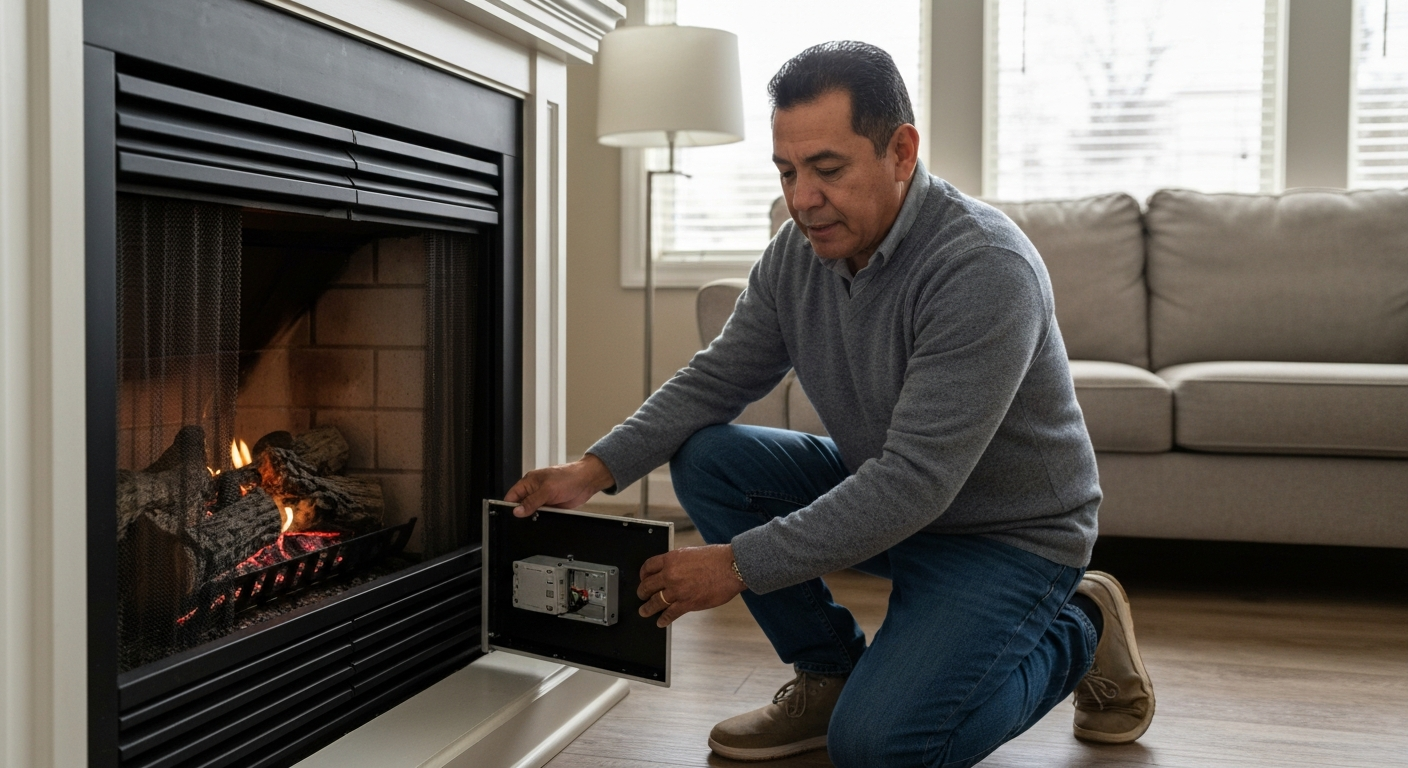

Your gas fireplace is beeping because its control module has detected a problem it wants you to know about—most commonly a low battery in the receiver or remote, a pilot light that has gone out, or a safety sensor signaling an issue with airflow, gas pressure, or ignition.
The beeping is not random noise; it is your fireplace's way of communicating a specific fault code. In most cases, you can resolve the issue yourself in under ten minutes once you identify which component triggered the alarm. Below, we'll walk through every common cause, how to diagnose each one, and when you need to call a professional.
| ✓Our Pick |
Replacement batteries for gas fireplace remotes and receivers Backed by strong customer feedback — the most recommended solution in forums and Q&A communities. See on Amazon → |
Modern gas fireplaces include electronic control modules that monitor ignition, flame presence, gas flow, and ventilation—and they use beeping sounds to alert you when something falls outside safe operating parameters.
Unlike older fireplaces that simply wouldn't light if something was wrong, today's units actively communicate. The control board or receiver box contains a small speaker or piezo buzzer. When the system detects a fault, it triggers a beep pattern—often a specific number of beeps repeated at intervals—that corresponds to a diagnostic code in your owner's manual.
This design exists because gas appliances involve combustion. A malfunction could mean incomplete burning (producing carbon monoxide), gas leaks, or fire hazards. The audible alarm ensures you notice the problem even if you're not looking at the fireplace.
"Gas fireplaces are equipped with safety devices that will shut down the appliance if an unsafe condition is detected. These include oxygen depletion sensors, flame-failure devices, and thermal switches." — Hearth, Patio & Barbecue Association
The beeping originates from either the remote/receiver system or the fireplace's main control board—and the cause is usually one of these six issues.
The most frequent cause of beeping is a dying battery. Gas fireplace remote systems use a wall-mounted receiver that communicates with your handheld remote. Both contain batteries, and when either runs low, the receiver emits a warning beep—typically one short beep every 30 to 60 seconds.
Check the receiver first. It's usually mounted near the fireplace, sometimes inside the lower access panel. Most receivers use a 9V battery or four AA batteries. The remote typically uses AAA or AA batteries. Replace all of them with fresh alkaline or lithium batteries, not rechargeable ones, which deliver lower voltage.
After replacing batteries, the beeping should stop immediately. If it continues, the issue lies elsewhere.
When the pilot light extinguishes, many fireplaces beep to indicate the unit cannot ignite on command.
The pilot is a small, continuously burning flame that ignites the main burners when you turn on the fireplace. If it goes out—due to a draft, a dirty thermocouple, or an interrupted gas supply—the control board recognizes that ignition is impossible and may beep to alert you.
To check, look through the glass or access panel for a small blue flame near the burner assembly. If it's out, follow your owner's manual to relight it. Most modern units have an electronic ignition button or a manual pilot knob with "Pilot," "On," and "Off" positions.
If the pilot won't stay lit after you release the ignition button, the thermocouple—a safety sensor that detects flame presence—may be faulty or misaligned.
Also Read: Why Is My Gas Bill Suddenly So High? 8 Causes & Fixes
Gas fireplaces contain multiple safety sensors, and any one of them can trigger an alarm when it detects abnormal conditions.
The main safety sensors include:
| Sensor | What It Monitors | Common Trigger |
|---|---|---|
| Oxygen Depletion Sensor (ODS) | Room oxygen levels | Poor ventilation, sealed room |
| Thermocouple / Thermopile | Pilot flame presence | Pilot out, dirty sensor, weak flame |
| High-Limit Switch | Firebox temperature | Blocked vents, overheating |
| Pressure Switch (direct-vent units) | Exhaust airflow | Blocked flue, bird nest, ice |
| Flame Rod | Main burner ignition | Dirty rod, ignition failure |
When any of these sensors detects a problem, the control board may beep and simultaneously prevent the fireplace from operating. This is intentional—the system prioritizes safety over convenience.
If your fireplace beeps and refuses to ignite, a triggered safety sensor is the likely cause. Clearing the underlying issue (improving ventilation, cleaning the sensor, or removing a flue blockage) will silence the alarm.
Insufficient gas pressure or an interrupted gas supply can cause the control module to beep because the fireplace cannot maintain proper combustion.
Check whether other gas appliances in your home are working normally. If your stove, water heater, or furnace also have issues, the problem may be at your gas meter or a closed shutoff valve.
For the fireplace specifically, locate the manual gas shutoff valve—usually near the firebox, often with a blue or yellow handle. Ensure it's fully open (handle parallel to the gas line). If it's partially closed, the restricted flow can prevent ignition and trigger an alarm.
If you smell gas near the fireplace, do not attempt repairs. Leave the house, avoid creating sparks, and call your gas utility's emergency line immediately.
Electronic control boards can fail, especially in fireplaces older than 10 to 15 years, causing erratic beeping or continuous alarms even when nothing else is wrong.
Signs of control board failure include:
Control boards are manufacturer-specific and typically cost $100 to $300 for the part alone. Replacement usually requires a qualified technician because it involves wiring and calibration.
Before assuming board failure, reset the system. Turn off the fireplace's main power switch (or unplug it), wait 60 seconds, then restore power. This clears temporary faults and resets the control module.
"Many electronic ignition systems can be reset by interrupting power to the appliance for at least 30 seconds. This clears fault codes and allows the system to reinitialize." — National Fireplace Institute
Some high-end gas fireplace systems include integrated carbon monoxide detection, and the beeping may indicate elevated CO levels in the room.
This feature is relatively uncommon—most homeowners have separate CO detectors—but if your fireplace or its smart controller includes this capability, the alarm is serious. Elevated carbon monoxide means incomplete combustion, which can result from a cracked heat exchanger, blocked exhaust, or improper gas-to-air ratio.
If you suspect CO is involved:
Check your standalone CO detectors as well. If they're also alarming, the fireplace may be the source of a genuine leak.
Most manufacturers use specific beep sequences to communicate different fault codes—counting the beeps helps you pinpoint the exact problem.
When your fireplace beeps, count how many beeps occur in a row before a pause, and how long the pause lasts before the pattern repeats. Then consult your owner's manual.
Common beep codes by manufacturer:
| Brand | Beep Pattern | Typical Meaning |
|---|---|---|
| Heat & Glo / Heatilator | 1 beep, pause, repeat | Low battery |
| Heat & Glo / Heatilator | 3 beeps, pause, repeat | Ignition failure |
| Napoleon | 2 beeps | Pilot not detected |
| Napoleon | 4 beeps | Flame loss after ignition |
| Regency | Continuous rapid beeping | Communication error |
| Various brands | Single beep every 30–60 seconds | Low battery in receiver |
If you no longer have your manual, search for your fireplace model number online—most manufacturers publish PDF manuals on their websites.
Also Read: Why Is My Hot Water Cold? 9 Causes & How to Fix Them
Work through this sequence to identify and resolve the beeping systematically.
Replace all batteries. Start with the receiver, then the remote. Use fresh alkaline or lithium batteries. Wait 2 minutes to see if the beeping stops.
Check the pilot light. Look for a small blue flame. If it's out, follow your manual's relighting procedure. If it won't stay lit, the thermocouple may need cleaning or replacement.
Inspect the gas supply. Verify the shutoff valve is fully open. Check other gas appliances for functionality. Smell for gas leaks.
Clear any vent obstructions. For direct-vent fireplaces, inspect the exterior vent cap for debris, ice, or bird nests. Restricted airflow triggers pressure-switch alarms.
Reset the control system. Turn off power to the fireplace for 60 seconds, then restore it. This clears temporary fault codes.
Count the beep pattern and check your manual. Match the sequence to the fault code chart.
Call a technician if the problem persists. Control board issues, sensor replacements, and gas adjustments require professional service.
| ✓Our Pick |
Fireplace thermocouple replacement kits A top-rated pick that works — readers who tried this reported noticeable improvement within days. See on Amazon → |
Some beeping causes require tools, parts, or expertise beyond typical DIY repair—here's when to bring in a certified technician.
Call a professional if:
Certified fireplace technicians can pressure-test gas lines, calibrate combustion, replace sensors, and diagnose control board failures. For safety-critical appliances like gas fireplaces, professional service is worth the cost when basic troubleshooting doesn't resolve the issue.
Also Read: Why Is My Gas Bill So High in Winter? 9 Causes & Fixes
Annual maintenance keeps your gas fireplace running safely and reduces the likelihood of unexpected alarms.
Schedule professional service once per year, ideally before heating season. A technician will clean the burner assembly, inspect and adjust the pilot, test all safety sensors, verify gas pressure, and check the venting system.
Between professional visits:
A beeping gas fireplace is signaling a specific problem—most often a low battery, an extinguished pilot light, or a triggered safety sensor. Replace all batteries first, check the pilot, verify gas supply, and reset the control system. If the beeping continues or you smell gas, call a certified technician immediately. Annual maintenance prevents most alarm conditions before they occur.
The beeping comes from the receiver or control module, not the flames—so it operates independently of whether the fireplace is actively burning. A low battery in the receiver will beep continuously regardless of fireplace status. Similarly, some control boards monitor standby conditions and will alarm if they detect a gas pressure anomaly or communication failure even when the unit is not in use.
Replace the battery in the receiver unit, which is usually located inside the fireplace's lower access panel or mounted on a nearby wall. Most receivers use a single 9V battery or four AA batteries. After replacement, the beeping should stop immediately. If it doesn't, the receiver itself may be faulty and need replacement.
Most standalone gas fireplaces do not have built-in CO detection—they rely on your home's separate carbon monoxide detectors. However, some smart fireplace systems and certain high-end models include integrated CO monitoring. If your fireplace does have this feature, the beeping could indicate dangerous CO levels, and you should evacuate and call emergency services.
Three beeps typically indicate an ignition failure on Heat & Glo, Heatilator, and some other brands. The control board is signaling that it attempted to ignite the main burner but did not detect flame. Check that the pilot light is lit and the thermocouple is properly positioned. If the pilot is lit but the main burner won't ignite, the issue may be a faulty gas valve or flame sensor.
The beeping itself is a safety feature, not a danger—it means the system is working correctly by alerting you to a problem. However, you should identify and resolve the cause promptly. Most beeping is caused by low batteries or minor sensor issues. If you smell gas, see soot buildup, or your CO detector is also alarming, treat the situation as urgent and leave the house.
Reviewed and Updated on May 6, 2026 by George Wright