Sleep
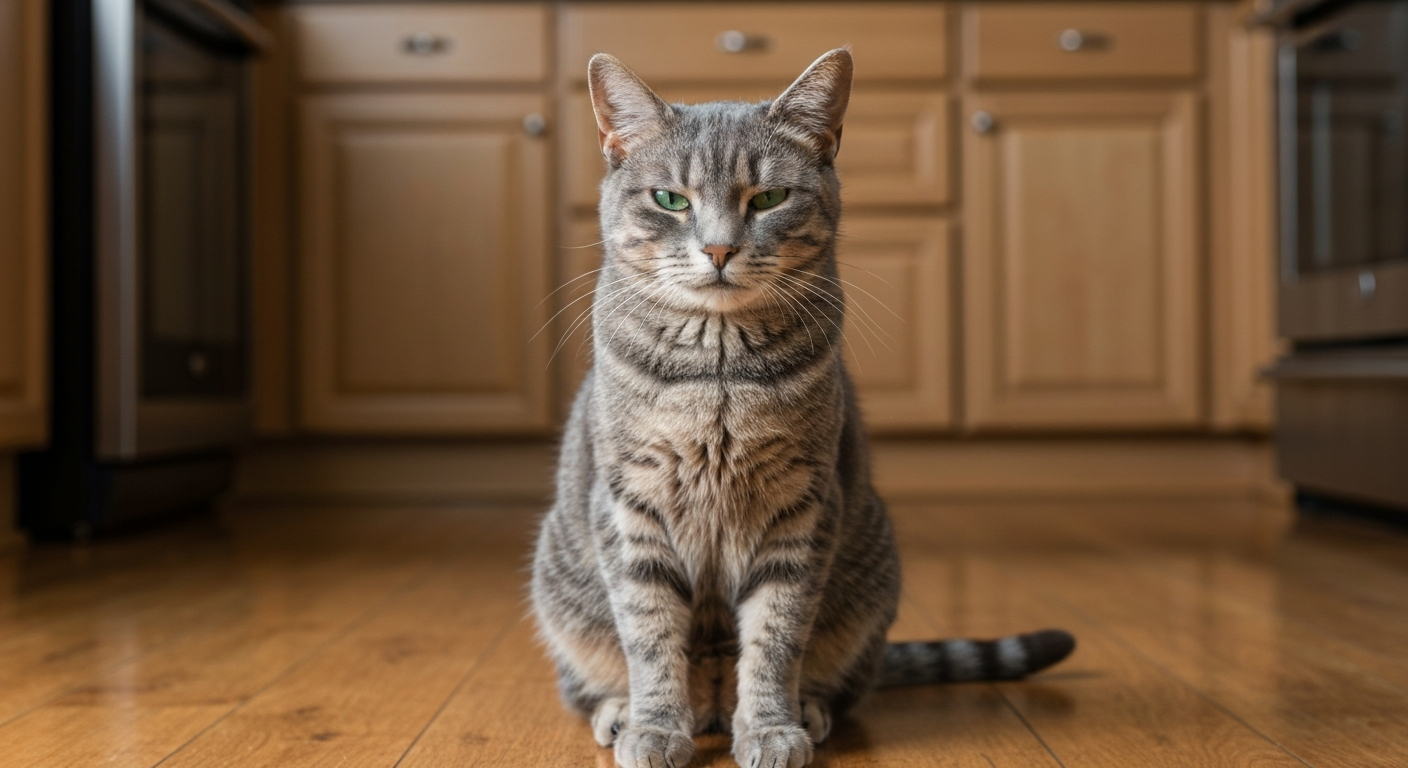

Your cat is squinting both eyes because something is causing pain, irritation, or discomfort — most commonly conjunctivitis (pink eye), a corneal scratch, dry eye, or an upper respiratory infection that has spread to the eyes. Squinting is your cat's natural reflex to protect damaged or irritated tissue, and when both eyes are affected simultaneously, it typically points to a systemic issue like a viral infection or an environmental irritant rather than a localized injury. While mild squinting that resolves within a few hours may just be a reaction to bright light or dust, persistent squinting — especially with watery eyes, discharge, or redness — signals that your cat needs veterinary attention within 24–48 hours to prevent vision damage.
| ✓Our Pick |
$3,000 emergency vet fund with 24/7 online vet access A top-rated pick that works — readers who tried this reported noticeable improvement within days. Learn More → |
Squinting in cats — technically called blepharospasm — is an involuntary protective response that happens when the eye or surrounding tissue is irritated, inflamed, or painful.
When your cat narrows or partially closes their eyes, they're reducing light exposure and protecting the cornea from further damage. You might notice your cat holding one or both eyes half-closed, blinking more frequently than usual, or keeping their eyes completely shut. A cat squinting one eye often has a localized problem like a scratch or foreign object, while a cat squinting both eyes typically indicates something affecting the whole system — allergies, infection, or an environmental trigger.
Many owners confuse squinting with slow blinking, which is actually a sign of contentment. The key difference: relaxed slow blinks happen occasionally and the eyes open fully between blinks, while pain-related squinting is persistent, accompanied by other symptoms, and the eyes never fully relax open.
Conjunctivitis (pink eye) is the most common cause of bilateral eye squinting in cats, causing inflammation of the membrane lining the eyelids and covering the white of the eye.
You'll notice redness, swelling around the eye, and discharge that ranges from clear and watery to thick and yellow-green. Conjunctivitis can be triggered by bacterial infections, viral infections (especially feline herpesvirus), allergies, or irritants like smoke or dust. When both eyes are affected equally, viral or allergic causes are most likely. Your cat's eye may be watery and squinting because the inflammation triggers excessive tear production as the body tries to flush out the irritant.
"Feline herpesvirus type 1 is the most common cause of conjunctivitis in cats and can cause recurrent episodes throughout a cat's life, especially during periods of stress." — Cornell Feline Health Center
Upper respiratory infections (URIs) frequently cause cats to squint both eyes because the same viruses that attack the nasal passages also infect eye tissue.
Feline herpesvirus and feline calicivirus — the two most common URI culprits — spread to the conjunctiva, causing simultaneous eye and respiratory symptoms. You'll typically see sneezing, nasal discharge, and congestion alongside the watery, squinting eyes. Kittens and cats from shelters are especially vulnerable. URIs are contagious between cats, so if you have multiple cats and one starts squinting with cold-like symptoms, isolate them and watch the others closely.
Also Read: Why Is My Kitten Sneezing With Watery Eyes? 6 Causes & Fixes
A corneal ulcer or scratch causes intense pain and squinting, often affecting one eye initially but sometimes spreading to both if the underlying cause (like ingrown eyelashes or chronic dry eye) affects both sides.
The cornea is the clear outer layer of the eye, and it's densely packed with nerve endings — even a tiny scratch is extremely painful. Signs include squinting, excessive tearing, pawing at the face, and cloudiness or a visible defect on the eye's surface. Corneal injuries can come from fights with other cats, running into branches or furniture, or foreign objects like grass seeds getting trapped under the eyelid. Without treatment, a simple scratch can progress to a deep ulcer that threatens your cat's vision.
Dry eye occurs when your cat's eyes don't produce enough tears, leading to chronic irritation, squinting, and a thick, stringy discharge.
Despite the name, cats with dry eye often have watery eyes initially because the eyes produce reflex tears to compensate — but these tears lack the right composition to properly lubricate the eye. Over time, you'll notice a tacky discharge, redness, and a dull-looking cornea. Dry eye is more common in certain breeds like Persians and Himalayans, and it can develop after viral infections damage the tear glands. Both eyes are typically affected, though one may be worse than the other.
Environmental allergies can make your cat's eyes water, redden, and squint — especially during high pollen seasons or after introducing new products into your home.
Dust, pollen, mold spores, cigarette smoke, scented candles, air fresheners, and new cleaning products can all trigger allergic conjunctivitis. You'll notice both eyes are affected equally, the discharge is typically clear and watery (not thick or colored), and your cat may also be sneezing or scratching other parts of their body. Allergic eye reactions tend to come and go based on exposure, unlike infections which typically get progressively worse.
Glaucoma — increased pressure inside the eye — causes severe pain and squinting, often with a noticeably enlarged or bulging eye.
This is a veterinary emergency. The elevated pressure damages the optic nerve and can cause permanent blindness within 24–48 hours if untreated. Signs include a dilated pupil that doesn't respond to light, cloudiness, visible redness from engorged blood vessels, and extreme sensitivity. Glaucoma can affect one or both eyes and may develop suddenly (acute) or gradually (chronic). Cats with glaucoma often hide, refuse food, and show obvious signs of severe discomfort.
Foreign bodies — grass seeds, dust particles, loose fur, or small debris — can get trapped under the eyelid and cause immediate squinting, pawing, and watery eyes.
You might see your cat rubbing their face against furniture or pawing at their eye frantically. Sometimes the foreign object is visible if you gently pull down the lower lid, but never try to remove anything yourself unless it's clearly loose on the eye's surface. Embedded objects require veterinary removal with proper sedation and magnification to avoid further damage.
| What to Check | Normal Finding | Concerning Finding |
|---|---|---|
| Eye opening | Both eyes open equally and fully | One or both eyes held partially closed |
| Discharge | None or minimal clear tears | Yellow, green, thick, or crusty discharge |
| Conjunctiva (pink tissue) | Light pink | Bright red, swollen, or bleeding |
| Cornea (clear outer layer) | Smooth, clear, reflective | Cloudy, hazy, or visible scratches |
| Pupil size | Both pupils equal size | One pupil larger than the other |
| Third eyelid | Not visible when awake | Partially covering the eye |
| Response to light | Pupils constrict in bright light | No response or very slow response |
To examine your cat's eyes safely, work in a well-lit room and gently restrain your cat in your lap or have a helper hold them. Use one hand to hold the head steady and the other to gently pull down the lower eyelid, then up on the upper lid. Look for redness, discharge, cloudiness, or visible foreign objects. Never touch the eye itself, and don't use a flashlight directly into the eye for more than a second or two.
Any eye squinting that lasts longer than 24 hours, worsens progressively, or is accompanied by colored discharge warrants a veterinary visit — eye conditions can deteriorate rapidly.
| 🐾Find a Vet |
Find a specialist vet near you VetClinic.info is a free directory of board-certified specialist vets across the US — find an orthopedic surgeon, oncologist, neurologist, or emergency clinic near you in seconds. Find Near You → |
Seek same-day or emergency veterinary care if you notice:
For mild squinting with clear, watery discharge and no other symptoms, you can monitor for 24 hours — but if it's not clearly improving, schedule a veterinary appointment. Eye problems that seem minor can progress to vision-threatening ulcers or infections within days.
"Early intervention in feline eye conditions is critical. What appears as simple squinting can rapidly progress to corneal ulceration, which may require surgical intervention if left untreated for more than 48-72 hours." — American Association of Feline Practitioners
Also Read: Why Is My Cat Sneezing Blood but Acting Normal? 7 Causes
Your veterinarian will start with a thorough eye examination using specialized equipment. Common diagnostic tests include:
Treatment depends on the diagnosis. Bacterial conjunctivitis typically requires antibiotic eye drops or ointment for 7–14 days. Viral infections may need antiviral medications and supportive care. Corneal ulcers often require multiple daily eye drops, an Elizabethan collar to prevent rubbing, and sometimes surgery. Glaucoma requires emergency pressure-lowering medications and often referral to a veterinary ophthalmologist.
You cannot cure most cat eye conditions at home, but you can keep your cat comfortable and prevent worsening while waiting for your appointment.
Never delay veterinary care hoping the problem will resolve on its own. Even conditions that appear mild can cause permanent vision damage if untreated.
| ✓Our Pick | ||
 | ||
Premium science-backed cat food for eye and immune health Used by over 10,000 satisfied customers — an easy, affordable option you can start using today.
|
Your cat is squinting both eyes because of irritation, pain, or inflammation — most commonly from conjunctivitis, upper respiratory infection, corneal injury, dry eye, allergies, glaucoma, or a foreign object. Bilateral squinting typically signals a systemic cause like a virus or allergen rather than a localized injury. While mild squinting that clears within hours may just be a reaction to dust or bright light, persistent squinting with watery eyes, discharge, or visible redness requires veterinary attention within 24–48 hours. Eye conditions in cats can deteriorate rapidly, and early treatment prevents complications that could threaten your cat's vision.
A cat squinting just one eye usually has a localized problem affecting that eye specifically — most commonly a corneal scratch, a foreign body trapped under the eyelid, or an injury from a fight or accident. One-eye squinting is more likely to be mechanical or traumatic, while both-eye squinting typically indicates something systemic like an infection or allergy. Regardless, one-eye squinting still warrants veterinary attention, especially if you notice discharge, cloudiness, or your cat pawing at the affected side.
Watery eyes with squinting happen because the eye is producing excess tears in response to irritation or pain. This combination is the classic presentation of conjunctivitis, corneal injury, allergies, or a foreign object in the eye. The tearing is your cat's body attempting to flush out whatever is causing the problem. Clear, watery discharge is often allergic or viral, while thick or colored discharge suggests bacterial infection requiring antibiotic treatment.
No — never use human eye drops on your cat without explicit veterinary instruction. Many human eye drops contain preservatives, decongestants, or medications that are toxic to cats or can worsen their condition. Some human products (like those containing tetrahydrozoline) can cause severe cardiovascular effects in cats. Only use products specifically prescribed by your veterinarian for your cat's diagnosed condition.
Bacterial conjunctivitis typically improves within 5–7 days of starting antibiotic treatment and fully resolves in 10–14 days. Viral conjunctivitis (especially herpesvirus) can take 2–3 weeks to clear and may recur during stressful periods throughout your cat's life. Allergic conjunctivitis improves quickly once the allergen is removed but will return with re-exposure. Your vet may prescribe ongoing management for chronic or recurring cases.
Yes, if you have multiple cats and one develops eye squinting with any discharge or respiratory symptoms. Feline herpesvirus and calicivirus — common causes of bilateral squinting — are highly contagious between cats through direct contact, shared food bowls, and airborne droplets. Isolate the affected cat, wash your hands between handling cats, and disinfect shared items until your vet confirms the cause isn't contagious.
Reviewed and Updated on June 16, 2026 by George Wright