DIY
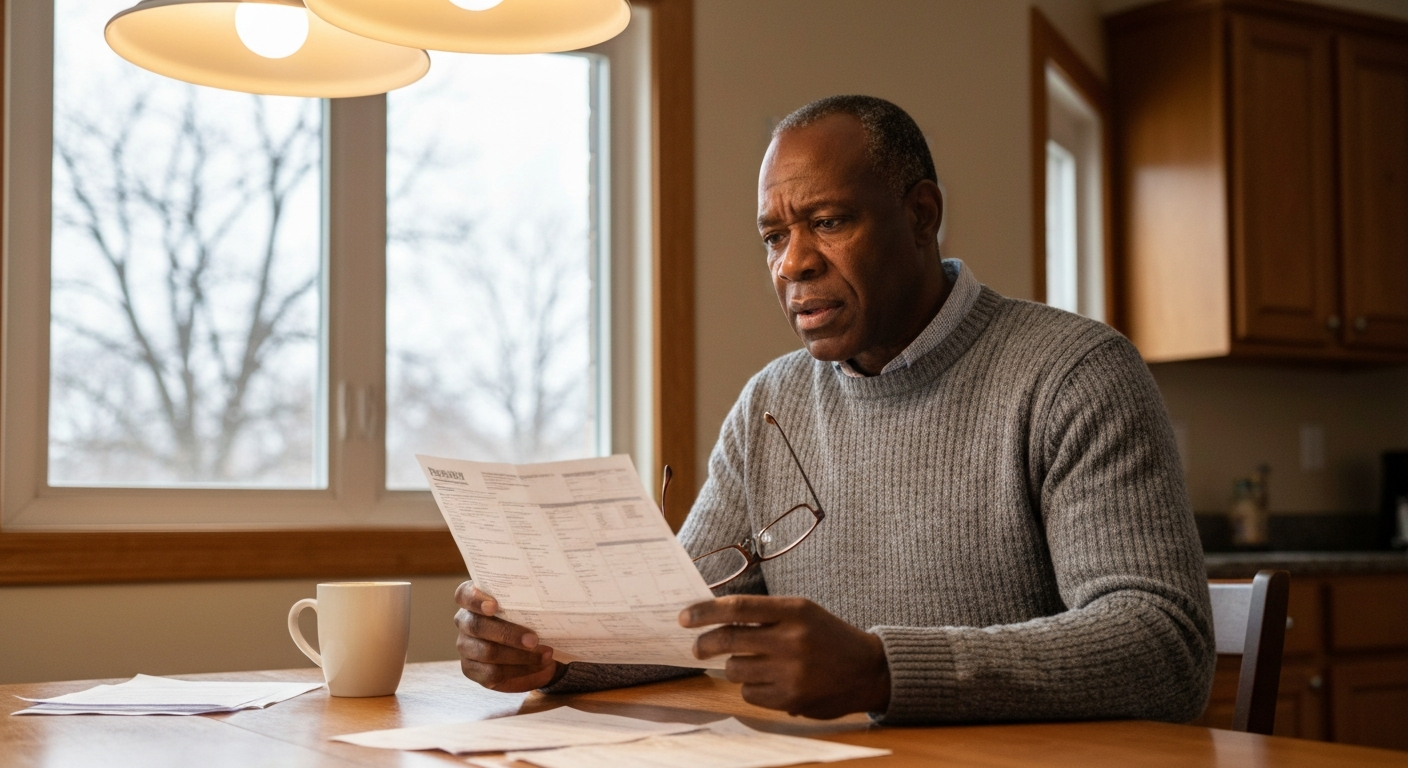

Your gas bill spikes in winter primarily because your furnace or boiler runs significantly longer to maintain indoor temperatures against the cold outside—heating accounts for roughly 45% of the average American home's energy costs, and when outdoor temperatures drop 20–30°F below your thermostat setting, your system may run 2–3 times longer than in milder months.
Beyond sheer heating demand, factors like poor insulation, air leaks, an aging furnace, thermostat issues, and rising natural gas delivery charges can compound the problem. The good news: most causes are identifiable and fixable without calling a professional.
| ✓Our Pick |
Programmable thermostat to cut heating costs This is the go-to fix recommended by professionals — save time and money by getting it right the first time. See on Amazon → |
Your heating system consumes the vast majority of your natural gas—often 60–70% of your total winter bill—because it must continuously replace heat escaping through walls, windows, and the roof.
The physics are straightforward: heat moves from warm areas to cold areas. When it's 20°F outside and 70°F inside, your home constantly loses thermal energy to the outdoors. Your furnace cycles on to replace that lost heat, burning natural gas each time. The colder it gets outside, the faster heat escapes, and the longer your furnace runs.
According to the U.S. Energy Information Administration:
"Space heating accounted for 45% of U.S. home energy consumption in 2022, making it the largest energy end use in the residential sector." — U.S. Energy Information Administration
This means nearly half your annual energy spending goes to heating alone. In states with harsh winters—Minnesota, Wisconsin, Michigan, the Northeast corridor—that percentage climbs even higher during December through February.
If your bill seems excessive even for winter, one or more of these specific issues is likely driving up consumption beyond normal seasonal increases.
Inadequate insulation in your attic, walls, or crawlspace forces your furnace to run longer cycles. Heat rises and escapes through poorly insulated attic spaces at alarming rates. The Department of Energy estimates that upgrading attic insulation alone can reduce heating costs by 10–15% in older homes.
Check your attic insulation depth. In most climate zones, you need R-38 to R-60 insulation (roughly 10–14 inches of fiberglass batts). If you can see the floor joists, you don't have enough.
Gaps around windows, doors, electrical outlets, and pipe penetrations create drafts that pull cold air in and push heated air out. These small leaks add up quickly—the equivalent of leaving a window open year-round in many homes.
Common leak locations include:
- Door and window frames (especially older single-pane windows)
- Electrical outlets on exterior walls
- Recessed lighting fixtures in insulated ceilings
- Where plumbing and wiring penetrate walls
- The attic hatch or pull-down stair opening
A $5 tube of caulk and a $10 pack of weatherstripping can seal most of these leaks in an afternoon.
Every degree above 68°F increases your heating costs by approximately 3%. If you're keeping your home at 72°F when 68°F would suffice, you're spending roughly 12% more than necessary.
The Department of Energy recommends:
"You can save as much as 10% a year on heating and cooling by simply turning your thermostat back 7°-10°F for 8 hours a day from its normal setting." — Energy.gov
A programmable or smart thermostat automates this—lowering the temperature while you sleep or work, then warming the house before you wake or return.
Furnaces manufactured before 2000 typically operate at 70–80% efficiency, meaning 20–30 cents of every dollar you spend on gas literally goes up the flue. Modern condensing furnaces achieve 90–98% efficiency.
| Furnace Age | Typical Efficiency | Annual Gas Cost (est.) |
|---|---|---|
| 25+ years | 65–70% | $1,800–$2,100 |
| 15–25 years | 75–80% | $1,500–$1,700 |
| 5–15 years | 80–90% | $1,200–$1,500 |
| Under 5 years | 90–98% | $950–$1,200 |
Estimates based on 1,500 sq ft home in moderate climate zone, 2026 natural gas prices.
If your furnace is approaching 20 years old and your bills keep climbing, replacement often pays for itself within 5–7 years through energy savings.
A clogged air filter restricts airflow, forcing your furnace to work harder and run longer to push heat through. This single overlooked maintenance item can increase gas consumption by 5–15%.
Check your filter monthly during heating season. If it looks gray and matted, replace it. Standard 1-inch filters need replacement every 30–60 days during heavy use; 4-inch media filters last 3–6 months.
Also Read: Why Is My House Not Heating Up? 11 Causes & Quick Fixes
Your gas bill has two main components: the commodity charge (the actual gas you use) and the delivery charge (what the utility charges to transport gas to your home through pipelines and maintain infrastructure).
Delivery charges have risen significantly since 2020 due to pipeline maintenance costs, infrastructure upgrades, and regulatory fees. In some regions, delivery charges now equal or exceed the cost of the gas itself.
You can't negotiate delivery charges, but understanding the split helps you focus on what you can control—actual consumption.
If you have a gas water heater, it accounts for roughly 15–20% of your gas usage. During winter, incoming water temperatures drop (sometimes to 40°F from municipal mains), meaning your water heater works harder to reach the same output temperature.
Setting your water heater to 120°F instead of 140°F saves energy without sacrificing comfort for most households.
Beyond heating and hot water, gas dryers, stoves, and fireplaces contribute to your bill. A dryer with a clogged vent takes longer to dry clothes, burning more gas. A fireplace with the damper left open sucks heated air out of your home.
Inspect dryer vents annually, clean lint traps after every load, and ensure fireplace dampers close tightly when not in use.
Natural gas commodity prices fluctuate seasonally and with market conditions. Winter 2025–2026 wholesale prices have increased approximately 15% compared to the previous year in many regions. Check your bill's "price per therm" against previous months—you may be paying more per unit regardless of consumption.
Pinpointing the exact cause requires comparing your current usage against historical patterns, not just looking at the dollar amount.
Start with your bill itself. Look for "therms used" or "CCF" (hundred cubic feet)—this is your actual consumption, separate from price fluctuations. Compare this winter's usage to the same months last year.
| Diagnostic Step | What to Check | Red Flag |
|---|---|---|
| Bill comparison | Therms used vs. same month last year | Usage up 20%+ with similar weather |
| Thermostat audit | Current setting vs. recommended 68°F | Set above 70°F consistently |
| Filter inspection | Visual check of air filter | Gray/matted appearance |
| Draft test | Hold incense stick near windows, doors, outlets | Smoke moves horizontally |
| Furnace age | Model/serial number → manufacture date | 15+ years old |
| Insulation check | Measure attic insulation depth | Under 10 inches of fiberglass |
If your therm usage is similar to last year but your bill is higher, the issue is pricing, not consumption. If usage has spiked, work through the causes above systematically.
Also Read: Why Is My Heat Not Blowing Hot Air? 7 Causes & Fixes
Implementing even three or four of these measures can reduce your heating costs by 15–25% without sacrificing comfort.
Seal air leaks aggressively. Weatherstrip doors, caulk window frames, install foam gaskets behind outlet covers on exterior walls. Total cost: under $50.
Add attic insulation. If your attic has less than 10 inches, blown-in insulation costs $1–$2 per square foot installed and pays back within 2–3 years.
Install a programmable thermostat. Set it to 62–65°F while sleeping, 68°F while home, and 60°F while away. Potential savings: 10–15%.
Replace furnace filters monthly. Mark your calendar—this single habit prevents efficiency losses and extends furnace lifespan.
Schedule furnace maintenance. A professional tune-up ($80–$150) ensures your system runs at peak efficiency. Many issues that cost you money are invisible without trained inspection.
Use ceiling fans strategically. Run fans clockwise at low speed to push warm air down from the ceiling. This distributes heat more evenly without extra furnace cycles.
Insulate hot water pipes. Foam pipe insulation costs $1–$2 per 6-foot section and reduces heat loss between your water heater and faucets.
Most efficiency improvements are DIY-friendly, but certain situations require a licensed technician.
Call a professional HVAC technician when:
- Your furnace short-cycles (turns on and off rapidly)
- You smell gas near your furnace or water heater
- Your furnace is over 15 years old and hasn't been inspected recently
- You've done basic troubleshooting and bills remain inexplicably high
- Your home has older ductwork that may be leaking in unconditioned spaces
A technician can test for duct leaks (which waste 20–30% of heated air in many homes), check heat exchanger integrity, and verify combustion efficiency with specialized equipment you can't replicate at home.
Also Read: Why Is My Wastewater Bill So High? 7 Causes & Fixes
High winter gas bills result from increased heating demand, but the gap between "normal winter increase" and "something's wrong" usually comes down to insulation, air leaks, thermostat settings, furnace efficiency, or rate increases. Start by comparing your therm usage to last winter, check for obvious air leaks and dirty filters, and work through the efficiency upgrades systematically. Most homeowners can reduce winter heating costs by 15–25% through DIY measures costing under $200 total.
Your furnace maintains temperature regardless of occupancy unless you program it otherwise. Even an empty house loses heat constantly through walls, windows, and the roof, triggering furnace cycles. Install a programmable thermostat and set it to 55–60°F when away for extended periods—warm enough to prevent pipe freezing but low enough to cut consumption significantly.
Delivery charges cover pipeline maintenance, infrastructure upgrades, and fixed utility costs that don't vary with how much gas you use. These charges are regulated but have risen steadily as utilities invest in aging infrastructure. You can't reduce delivery charges directly, but you can reduce the commodity portion through efficiency improvements.
Even well-insulated homes develop air leaks over time as caulk shrinks, weatherstripping compresses, and settling creates gaps. An aging or undersized furnace also struggles to heat efficiently regardless of insulation quality. Have an energy audit performed—many utilities offer free or subsidized audits that identify hidden inefficiencies.
Yes. Smart thermostats learn your schedule, detect when you're away, and optimize heating cycles automatically. Studies show average savings of 10–12% on heating costs. The key is actually using the scheduling features—many homeowners install smart thermostats but override them constantly, negating the benefits.
January is typically the coldest month in most U.S. regions, meaning your furnace runs longer. Additionally, December bills may reflect usage from milder November weather, while January bills capture the coldest period. Billing cycles don't align perfectly with calendar months, so the worst weather often appears on the January or February statement.
Reviewed and Updated on May 3, 2026 by Adelinda Manna