DIY
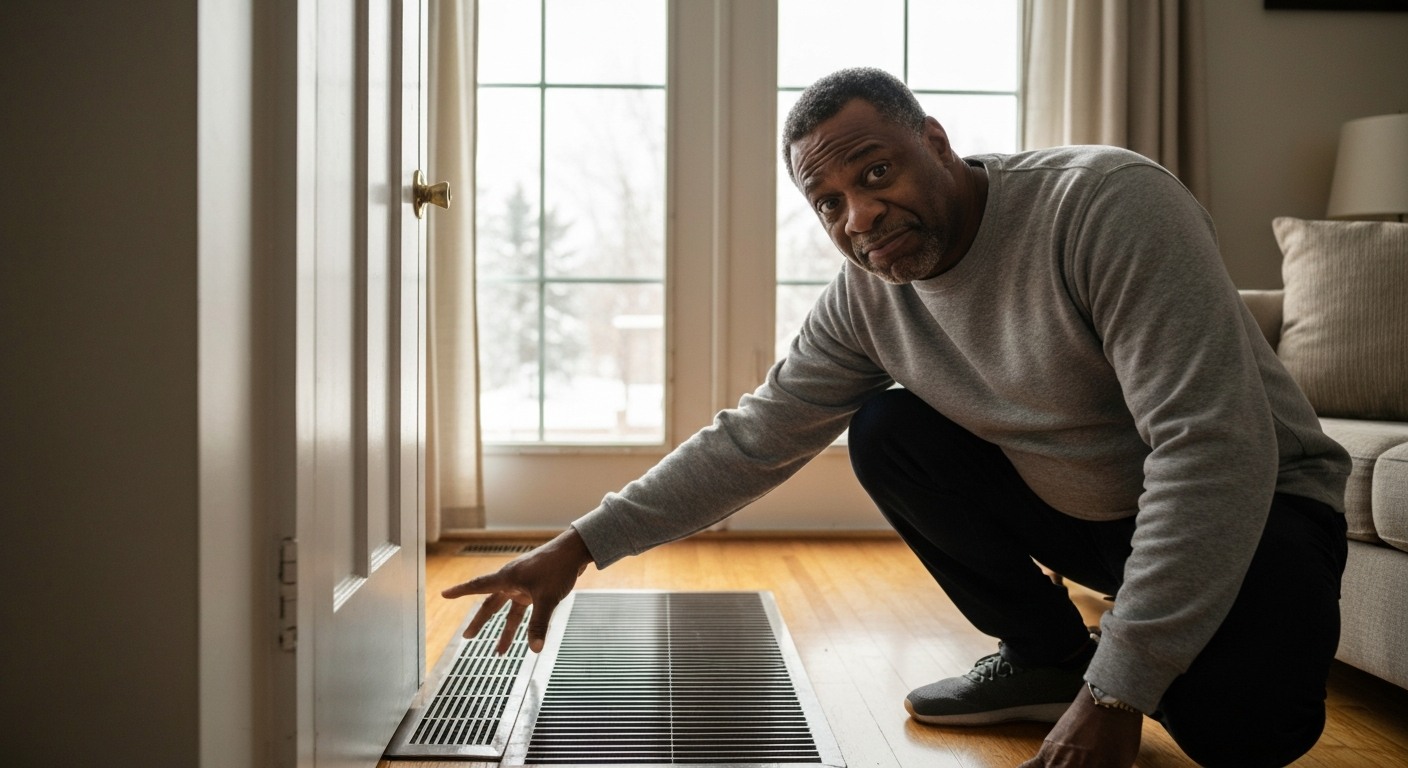

Your heat isn't blowing hot air most likely because of a dirty air filter, incorrect thermostat settings, an unlit pilot light, or a tripped safety switch — all issues you can often diagnose and fix yourself within minutes.
When your furnace is blowing cold air instead of warming your home, the problem usually falls into one of two categories: something simple you overlooked (like a thermostat set to "cool" or a clogged filter) or a component failure that needs professional attention. The good news is that roughly 70% of "heater not blowing hot air" calls to HVAC technicians turn out to be user-fixable issues. Before you call for service, work through the causes below — you may save yourself a $150+ service call.
| ✓Our Pick |
Furnace filters and heating system maintenance essentials Consistently earns five-star reviews — reliable, well-supported, and genuinely effective. See on Amazon → |
A misconfigured thermostat is the single most common reason your heater blows cold air, and it takes 30 seconds to rule out.
Start at the thermostat before touching anything else. Check these settings in order:
If you have a smart thermostat, check the app for any scheduled temperature drops or "eco" modes that may have kicked in. Nest, Ecobee, and similar devices sometimes enter energy-saving modes that feel like a malfunction.
Yes — a clogged air filter restricts airflow so severely that your furnace overheats and shuts down its burner as a safety measure, leaving you with cold air blowing from your vents.
Your furnace pulls air through the filter, heats it over the heat exchanger, and pushes it into your ducts. When the filter is choked with dust, pet hair, and debris, less air moves across the heat exchanger. The heat exchanger overheats, the high-limit safety switch trips, and the burner shuts off. But the blower fan keeps running, circulating unheated air through your home.
This is the most common cause of furnace problems in 2026 homes, according to HVAC industry data. The fix is simple:
"A dirty filter is the number one cause of heating system failure. It restricts airflow and causes the heat exchanger to overheat." — U.S. Department of Energy
After replacing the filter, give your furnace 10–15 minutes to reset and try another heating cycle.
Also Read: Why Is My Heat Pump Not Heating? 9 Causes & Fixes
If your furnace has no flame at all, it can't heat the air passing through — so you get continuous cold air from your vents until the ignition issue is resolved.
Modern furnaces use one of three ignition systems:
| Ignition Type | How It Works | Common Failure Signs |
|---|---|---|
| Standing pilot light | A small flame burns continuously | Flame is out; you smell gas faintly |
| Hot surface igniter (HSI) | An electric element glows red-hot to ignite gas | No glow visible; element cracked or broken |
| Intermittent pilot/spark ignition | Electronic spark lights a pilot, which lights burners | Clicking sound but no flame |
For standing pilot lights: Look through the small viewing window on your furnace. If you see no flame, follow the relighting instructions on the furnace door label. Turn the gas knob to "Pilot," hold it down, and use a long lighter to ignite the pilot. Hold for 30 seconds before releasing.
For hot surface igniters: These wear out every 3–7 years. You can often see the igniter through the furnace's inspection window — it should glow bright orange when the furnace tries to start. If it doesn't glow, the igniter likely needs replacement. This is a $30–80 part that many homeowners replace themselves, though it requires shutting off gas and power first.
For spark ignition systems: Listen for clicking sounds when the furnace tries to start. If you hear clicking but see no spark or flame, the igniter module may have failed.
Furnaces have multiple safety switches that shut down heating if something dangerous is detected — and a tripped switch often leaves your blower running without heat.
The most common safety switches include:
Check that your furnace's front access panel is fully closed and latched. Even a quarter-inch gap can prevent the furnace from firing.
Leaky ductwork can lose 20–30% of heated air before it reaches your rooms, making the air from your vents feel lukewarm or cold even when the furnace is working properly.
This problem is especially common in homes with ducts running through unconditioned spaces like attics, crawlspaces, or unheated basements. Signs of duct leaks include:
"Ducts that leak heated air into unheated spaces can add hundreds of dollars a year to your heating and cooling bills." — ENERGY STAR
You can inspect accessible ductwork yourself. Look for obvious gaps at joints, disconnected sections, or damaged insulation. Seal small gaps with metal-backed (foil) HVAC tape or mastic sealant — never use standard cloth duct tape, which fails in temperature extremes.
Also Read: Why Is My Electric Bill So High in My Apartment?
If no gas reaches your furnace, the burners can't ignite, and you'll get nothing but cold air from your blower.
Check these gas supply issues:
If you smell a strong gas odor (rotten eggs), leave your home immediately and call your gas company's emergency line from outside. Do not use light switches, phones, or anything that could create a spark.
| Symptom | Most Likely Cause | Fix |
|---|---|---|
| Blower runs constantly, air is room temperature | Thermostat fan set to "On" | Switch to "Auto" |
| Blower runs, air is cold, then system shuts off | Dirty filter tripping high-limit switch | Replace filter |
| No blower, no heat | Tripped breaker or blown fuse | Reset breaker, check door switch |
| Clicking sounds, no ignition | Failed igniter or gas valve issue | Inspect igniter, check gas supply |
| Heat works intermittently | Dirty flame sensor | Clean sensor with fine sandpaper |
| Some rooms cold, others warm | Duct leaks or closed vents | Inspect ducts, open all vents |
Call a technician immediately if you smell gas, see cracks in the heat exchanger, hear loud banging or screeching noises, or if the furnace repeatedly shuts off after starting.
Certain furnace problems are beyond DIY repair and potentially dangerous:
If your furnace is 15–20 years old and experiencing multiple issues, repair costs may approach the price of a new unit. Ask your technician for an honest assessment of remaining lifespan versus repair value.
Also Read: Why Is My Air Not Blowing Cold? 9 Causes & Fixes
An annual furnace tune-up and monthly filter checks prevent most "heater blowing cold air" emergencies before they happen.
Schedule professional maintenance every fall before heating season begins. A typical tune-up includes:
Between professional visits, change your filter monthly during heavy-use seasons and keep the area around your furnace clear of storage items, paint cans, and debris.
Your furnace is blowing cold air instead of hot air usually because of a simple thermostat mistake, a clogged filter triggering a safety shutdown, a failed igniter, or a gas supply issue. Start by checking your thermostat settings and filter condition — these two issues account for most cases. If you have a pilot light, verify it's lit. Check that your furnace access panel is fully closed and that no safety switches have tripped. For persistent problems, cracked heat exchangers, or gas smells, call a licensed HVAC technician immediately.
Intermittent cold air usually points to a dirty flame sensor. The flame sensor detects whether the burner is lit — when it's coated with carbon buildup, it fails to detect the flame and shuts off the gas as a safety precaution. The blower continues running, pushing cold air through your vents. You can clean the sensor yourself by removing it and gently rubbing it with fine-grit sandpaper or steel wool, then reinstalling it.
This pattern typically indicates the high-limit switch is tripping due to overheating. The most common cause is a dirty or clogged air filter restricting airflow across the heat exchanger. Replace your filter first. If the problem persists, you may have a failing blower motor that isn't moving enough air, or blocked return air vents that are starving the system of airflow.
Absolutely. A malfunctioning thermostat may fail to send the "heat on" signal to your furnace, even when the fan is set to run. Try replacing the thermostat batteries first. If you have a smart thermostat, check for firmware updates or try resetting it to factory settings. For older thermostats, dust inside the unit can interfere with temperature sensing — open it carefully and clean with compressed air.
If your furnace still blows cold air after a filter change, the high-limit switch may need time to reset. Turn off the furnace at the thermostat and the power switch for 30 minutes, then restart it. The switch should reset automatically once the heat exchanger cools down. If this doesn't work, the switch itself may be stuck or damaged and need replacement.
A brief burning smell when you first turn on your furnace after summer is normal — it's dust burning off the heat exchanger. However, persistent burning smells, especially of plastic or electrical burning, indicate a serious problem. Turn off your furnace immediately and call an HVAC technician. This could signal overheating wiring, a failing blower motor, or debris caught in the system.
Reviewed and Updated on May 3, 2026 by George Wright