Health
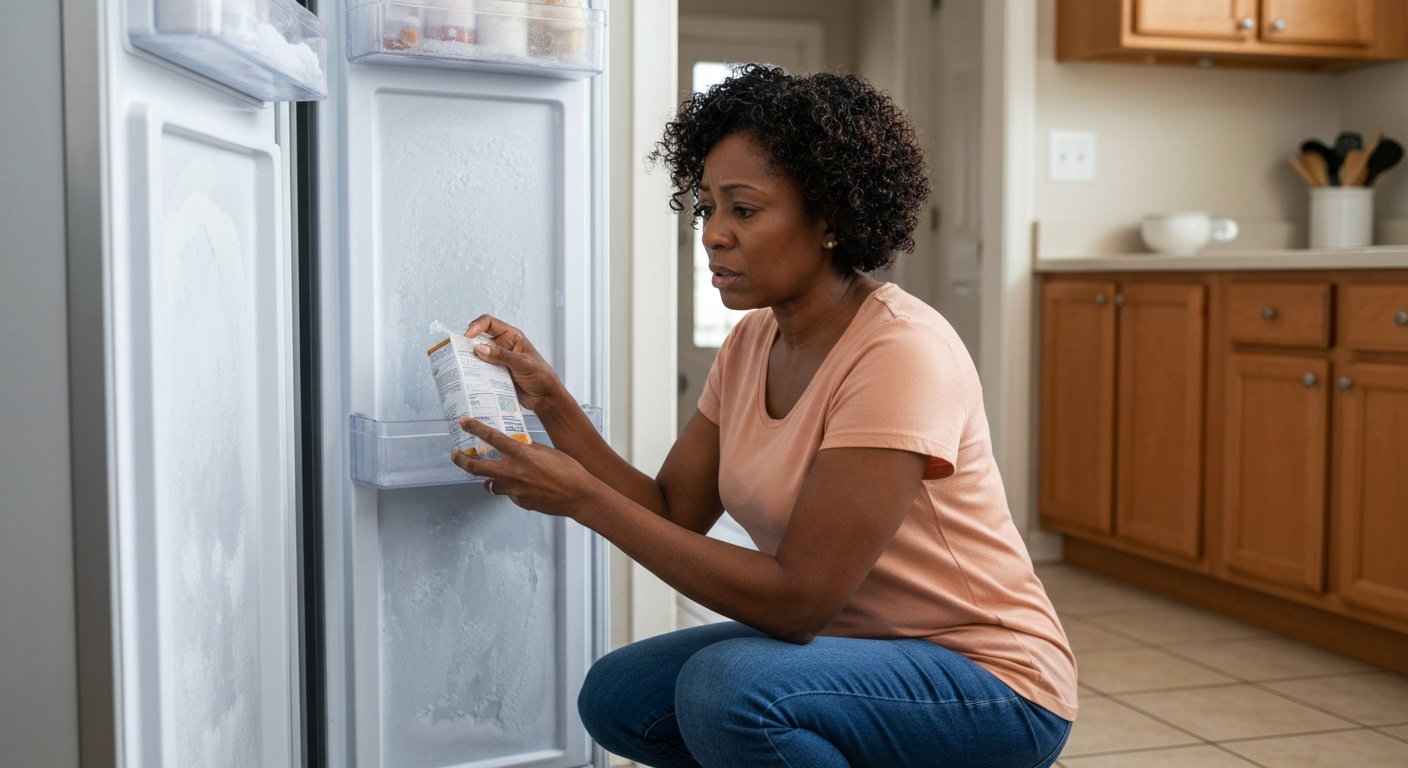

A freezer that stops freezing is almost always caused by one of six issues: blocked air vents, a faulty door seal, frost-clogged evaporator coils, a malfunctioning thermostat, a failed evaporator fan motor, or compressor problems—most of which you can diagnose and fix yourself in under an hour.
If your freezer is not working properly, you're watching food thaw and money melt away. The good news is that a freezer not getting cold rarely means you need a new appliance. In most cases, the fix is straightforward once you identify the root cause. This guide walks you through every reason your freezer might not be cold, how to diagnose each one, and exactly what to do about it.
| ✓Our Pick |
Refrigerator thermometer for accurate freezer temperature monitoring One of the highest-rated products in its category — a reliable fix used by thousands of people. See on Amazon → |
Your freezer should maintain 0°F (-18°C) or below—anything warmer and food spoils faster, bacteria multiply, and ice cream turns to mush.
Before troubleshooting why your freezer is not freezing, you need to know what "working" actually looks like. The FDA recommends keeping your freezer at 0°F for safe long-term food storage. At this temperature, bacterial growth stops completely, and food quality is preserved for months.
"Keep your freezer at 0°F or below. Use an appliance thermometer to check the temperature." — U.S. Food and Drug Administration
If your freezer thermometer reads between 0°F and 10°F, your unit is underperforming but may only need minor adjustments. Above 32°F, ice melts and frozen food is actively thawing—you're in urgent territory.
| ✓Quick Fix |
See What Solves This in Minutes Many readers dealing with this exact issue start with something like this before trying anything else. See on Amazon → |
The simplest explanation is often the right one—someone may have bumped the temperature dial, or the digital settings got reset after a power outage.
Check your freezer's temperature control first. On dial models, settings typically range from 1 (warmest) to 5 or 7 (coldest). For digital displays, verify the setting shows 0°F or the manufacturer's recommended level.
Power surges and outages can reset electronic controls to factory defaults, which aren't always optimal. If you've had recent electrical issues, this is your most likely culprit. Adjust the thermostat to its coldest setting and wait 24 hours before reassessing.
Overpacking your freezer or placing items directly against the vents prevents cold air from circulating, creating warm spots that make it seem like the whole unit isn't freezing.
Every freezer has internal vents that distribute cold air from the evaporator coils. When these get blocked by food packages, frost buildup, or even a misplaced ice tray, the airflow stops. The compressor works harder, but the cold never reaches where it needs to go.
Look for the vents—usually located on the back wall or between the freezer and refrigerator sections. Clear at least 2 inches of space around them. In upright freezers, avoid stacking items higher than the top shelf. For chest freezers, don't pile food above the load line.
Also Read: Why Is My House So Humid? 8 Causes & Proven Fixes
A worn, dirty, or warped door gasket lets warm air seep in constantly, forcing your freezer to work overtime without ever reaching proper temperature.
The rubber gasket around your freezer door creates an airtight seal. Over time, this seal degrades. Food residue makes it sticky and prevents full closure. Cracks let cold air escape. Warping from age or heat creates gaps.
Test your seal with the dollar bill trick: close the door on a dollar bill, then try to pull it out. You should feel significant resistance. If the bill slides out easily, your seal needs attention.
Cleaning often fixes the problem. Wipe the gasket with warm, soapy water and dry thoroughly. For cracked or warped seals, replacement gaskets cost $30–$80 depending on your model and are straightforward to install yourself.
Excessive frost on the evaporator coils—usually caused by a failed defrost system—acts as insulation that blocks cold air from reaching your freezer compartment.
Modern frost-free freezers run automatic defrost cycles several times daily. When this system fails, ice accumulates on the evaporator coils hidden behind the back panel. Eventually, the coils become so ice-covered they can't transfer cold air.
Signs of this problem include:
- Frost visible on the back interior wall
- The freezer runs constantly but stays warm
- You hear the compressor working, but air isn't circulating
To diagnose, unplug the freezer and remove the back panel inside the freezer compartment. If you find thick ice coating the coils, you've found your problem. The ice needs to melt—this takes 24–48 hours with the door open, or you can speed it up with a hair dryer on low heat (never use anything sharp to chip ice).
"If your freezer is not cooling but the motor is running, the most common cause is frost buildup on the evaporator coils. This indicates a defrost system failure." — Bob Vila
Once defrosted, the underlying defrost system needs repair. The defrost timer, defrost heater, or defrost thermostat may have failed. A multimeter can test each component for continuity.
The evaporator fan pulls air over the cold coils and pushes it into the freezer—if this fan fails, cold air never circulates even though the compressor runs.
You can usually hear this fan running when you open the freezer door (on most models, it shuts off when the door opens but runs constantly when closed). If you don't hear it, or if it makes grinding or squealing noises, the fan motor may have failed.
Access the fan by removing the back panel inside the freezer. Try spinning the blade by hand. It should move freely. If it's stiff, the motor bearings may be worn. If the blade spins freely but the motor doesn't run when the freezer is plugged in (and the door switch is pressed), the motor needs replacement.
Evaporator fan motors cost $30–$100 and typically require only basic tools to replace.
The compressor is the heart of your freezer's cooling system—when it fails, no cold is generated at all, and you'll usually need professional repair or replacement.
The compressor pumps refrigerant through the system. When it works, you hear a low humming from the back or bottom of the unit. When it fails, you might hear clicking (the compressor trying and failing to start), nothing at all, or continuous running without cooling.
Feel the side of your freezer. It should be warm—that's normal heat dissipation from the condenser. If it's room temperature or cool, the compressor may not be running.
Compressor failures often aren't worth repairing. The part alone costs $200–$500, plus labor. For a freezer over 8–10 years old, replacement usually makes more financial sense.
| Symptom | Most Likely Cause | DIY Fix? | Estimated Cost |
|---|---|---|---|
| Freezer slightly warm (10–32°F) | Thermostat setting, blocked vents, dirty door seal | Yes | $0–$20 |
| Freezer warm, heavy frost on back wall | Defrost system failure (timer, heater, or thermostat) | Moderate | $40–$150 |
| Freezer warm, no air circulation sound | Evaporator fan motor failure | Moderate | $30–$100 |
| Freezer warm, compressor silent or clicking | Compressor failure, start relay failure | No (professional) | $150–$500+ |
| Freezer warm, compressor runs constantly | Refrigerant leak, dirty condenser coils | Varies | $100–$400+ |
| Door won't seal properly | Worn or dirty gasket | Yes | $0–$80 |
Most freezer problems follow a predictable troubleshooting sequence—start with the simplest fixes and work toward more complex repairs only if needed.
Verify the freezer is plugged in and the outlet works. Test the outlet with another device. Check that no circuit breaker has tripped. These account for more "broken" freezers than you'd expect.
Set your thermostat to the coldest setting. Wait 24 hours. Use a thermometer to check actual temperature, not just the display reading.
Wipe down the entire gasket with warm soapy water. Check for cracks, tears, or warping. Perform the dollar bill test at multiple points around the door.
Remove enough items to see the vents clearly. Ensure nothing blocks airflow. Leave space between items for air to circulate.
Also Read: Why Is My Room So Hot? 9 Causes & Fixes That Work
The condenser coils—located on the back or underneath the freezer—release heat. When coated in dust and pet hair, they can't dissipate heat efficiently, forcing the system to work harder.
Unplug the freezer. Locate the coils. Use a coil brush or vacuum with a brush attachment to remove debris. Clean these every 6–12 months as preventive maintenance.
If cleaning external components doesn't help, remove the interior back panel and check the evaporator coils. Heavy frost indicates a defrost system problem. Manual defrosting provides a temporary fix, but you'll need to repair the defrost timer, heater, or thermostat to prevent recurrence.
With the freezer plugged in, press the door switch manually (the small button the door pushes when closed). You should hear the evaporator fan running. No sound means the fan motor needs replacement.
If you've ruled out everything else and the compressor isn't running properly, you're likely facing a more serious repair. Test the start relay first—it's a small component on the compressor that's cheap to replace. If the relay tests fine and the compressor still won't start, contact a professional.
Cleaning, thermostat adjustments, gasket replacement, and fan motor swaps are DIY-friendly—refrigerant issues and compressor repairs require licensed technicians.
| Repair | DIY Recommended? | Why? |
|---|---|---|
| Thermostat adjustment | Yes | No tools needed |
| Door seal cleaning/replacement | Yes | Basic disassembly |
| Vent clearing | Yes | No tools needed |
| Condenser coil cleaning | Yes | Vacuum or brush |
| Evaporator fan motor replacement | Moderate skill | Requires panel removal and basic wiring |
| Defrost timer/heater/thermostat | Moderate skill | Multimeter testing, panel removal |
| Start relay replacement | Moderate skill | Simple swap on compressor |
| Compressor replacement | No | Requires refrigerant handling (EPA certified) |
| Refrigerant recharge | No | Illegal without certification |
| ✓Our Pick |
Appliance repair multimeter for testing freezer components A well-reviewed choice that delivers real results — worth every penny for anyone dealing with this. See on Amazon → |
If your freezer is over 10 years old and needs compressor work or refrigerant, replacement typically costs less than repair over time.
The average freezer lifespan is 12–20 years depending on type and brand. Chest freezers tend to last longer than uprights. When calculating whether to repair:
Energy efficiency improvements over the past decade also factor in. A new freezer may cost $400–$800 but could save $30–$50 annually in electricity compared to an older model.
A freezer not freezing usually comes down to airflow problems, a bad door seal, frost-covered coils, or a failed fan motor—all fixable without professional help. Start with the simple checks: thermostat settings, vent blockages, and gasket condition. Move to coil inspection and fan testing if those don't solve it. Only compressor and refrigerant issues require a technician. Most homeowners can restore their freezer to proper operation in an afternoon with basic tools.
In most refrigerator-freezer combos, the freezer generates cold air that then circulates to the refrigerator section. If only the freezer fails, the most common causes are a blocked vent between compartments, a failed evaporator fan that circulates air within the freezer, or frost buildup on the evaporator coils. The refrigerator may still receive enough residual cold to stay cool temporarily, but both sections will eventually warm up if the freezer issue isn't resolved.
Yes, overpacking can prevent proper airflow, but too much food isn't usually the primary cause—it's where you place items. Food pressed against vents or stacked too high blocks cold air circulation. A moderately full freezer actually runs more efficiently than an empty one because frozen items help maintain temperature. The key is leaving space around vents and between packages for air movement.
A full freezer keeps food frozen for approximately 48 hours if the door stays closed. A half-full freezer maintains safe temperatures for about 24 hours. Once food rises above 40°F, the safe window shortens dramatically—bacteria begin multiplying within 2 hours at temperatures above 40°F. If you're unsure how long power was out or temperatures were elevated, when in doubt, throw it out.
Absolutely. Freezers placed in hot garages, near heating vents, or in direct sunlight work harder to maintain temperature. Most freezers are designed to operate in ambient temperatures between 55°F and 110°F. Extreme cold can also cause problems—if your garage drops below freezing in winter, the thermostat may not trigger the compressor to run, and ironically, your freezer can get too warm because it doesn't cycle on.
This usually indicates the freezer is hovering around 10–15°F instead of the ideal 0°F. Ice cream requires colder temperatures than many other frozen foods. Check your thermostat setting and clean your condenser coils. If the freezer maintains 0°F consistently, the issue may be where you store the ice cream—the door is the warmest spot due to temperature fluctuations when opened.
Reviewed and Updated on June 20, 2026 by George Wright