
Cars
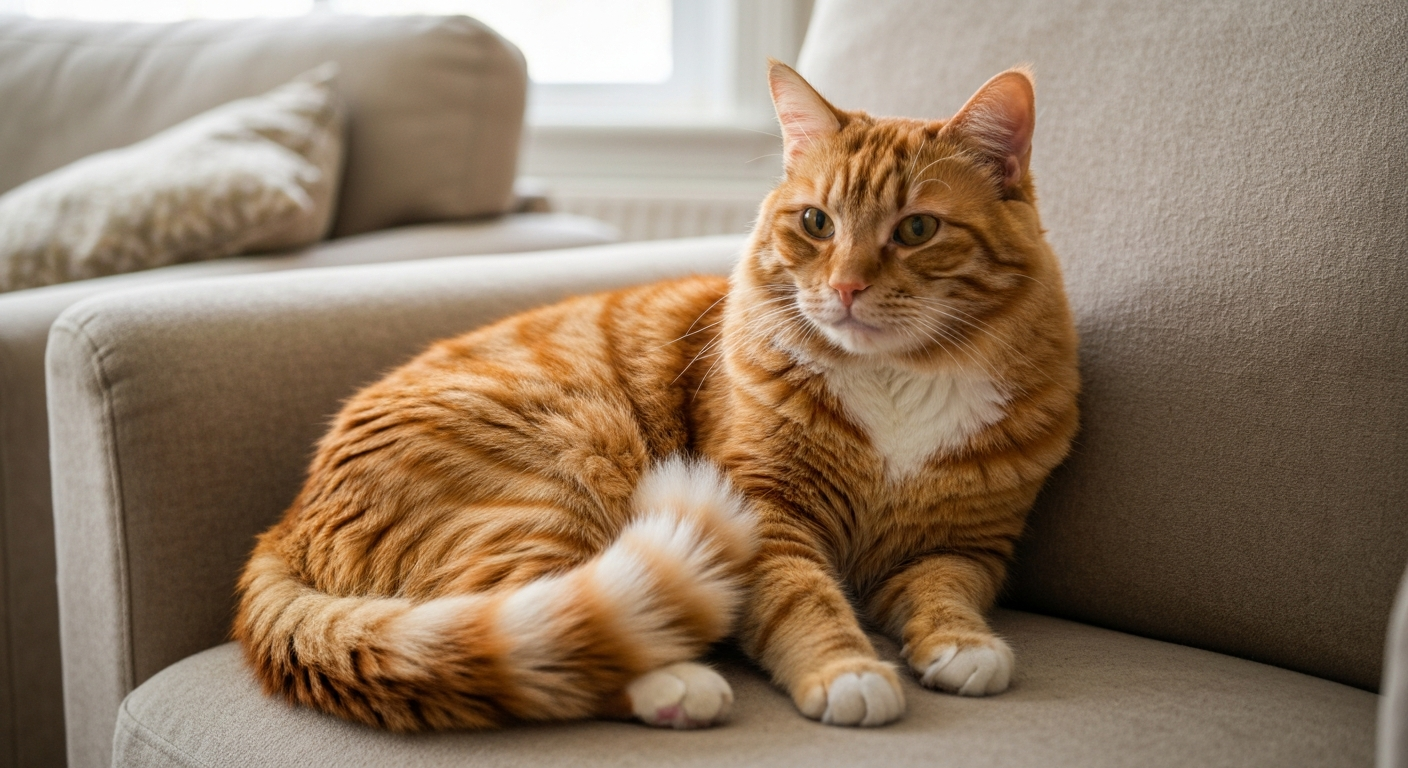

A cat that is limping is usually experiencing pain from a soft tissue injury, a joint problem, or something stuck in the paw — though sudden lameness can also signal a fracture, infection, or a more serious condition that needs prompt veterinary attention.
Seeing your cat favor one leg is alarming, whether the limp appeared out of nowhere or has been developing gradually. Cats are masters at hiding discomfort, so by the time you notice a limp, the underlying issue has often been bothering them for a while. The good news is that many causes are treatable at home or with straightforward veterinary care once you identify what's going on.
This guide walks you through the most common reasons a cat limps — covering the front leg, back leg, and sudden-onset lameness — plus how to assess the situation at home and when to get professional help.
Limping (lameness) occurs when a cat shifts weight away from a painful or unstable limb, and the underlying cause ranges from minor paw injuries to serious orthopedic or neurological conditions.
Cats can injure themselves in countless ways: a bad landing from a high jump, a tangle with another animal, stepping on something sharp, or even overexerting a joint during play. Some limps develop slowly from chronic conditions like arthritis, while others appear suddenly after trauma.
The location of the limp often hints at the cause. Front leg limping commonly involves the shoulder, elbow, wrist, or paw pad. Back leg limping more often points to hip, knee (stifle), or hock joint issues. Understanding this distinction helps you communicate clearly with your vet and monitor changes accurately.
"Lameness in cats can range from a subtle shortening of stride to an inability to bear weight on the affected limb. The degree of lameness often correlates with the severity of the underlying condition." — Dr. Mike Paul, DVM at PetMD
Most feline limps fall into one of seven categories: soft tissue injuries, foreign objects in the paw, arthritis, fractures, infections, nail problems, or neurological issues.
Foreign objects are one of the most frequent — and most fixable — causes of sudden limping. Cats that go outdoors often pick up thorns, glass shards, splinters, or small pebbles lodged between their toe pads. Even indoor cats can step on a sewing needle, a piece of broken ornament, or a sharp bit of kibble.
Check between each toe and examine the paw pads carefully. Look for swelling, redness, or a small puncture wound. If you can see a superficial splinter, you may be able to remove it gently with clean tweezers and then clean the area with diluted chlorhexidine or saline solution.
Soft tissue injuries — sprains (ligament damage) and strains (muscle or tendon damage) — are extremely common in cats. A misjudged leap from a bookshelf, an awkward landing from a cat tree, or roughhousing with another pet can all cause these injuries.
Sprains and strains typically cause a cat to limp suddenly on the front leg or back leg depending on which limb absorbed the impact. You might notice mild swelling around the joint, and your cat may resist having the area touched. Most minor soft tissue injuries improve with rest over five to seven days.
Osteoarthritis affects a surprising number of cats — studies suggest up to 90% of cats over age 12 show radiographic evidence of joint degeneration. Unlike dogs, arthritic cats rarely show obvious limping. Instead, you might notice reluctance to jump, stiffness after resting, or a subtle change in gait.
Arthritis-related limping tends to be worse after inactivity (that telltale morning stiffness) and may improve once your cat moves around. It can affect any joint but is especially common in the hips, elbows, and spine.
"Cats are very good at hiding signs of pain. A cat with arthritis may not limp obviously but may instead show behavioral changes such as reduced activity, reluctance to jump, or changes in grooming habits." — American Association of Feline Practitioners at CatVets.com
| ✓Our Pick |
Petcube Emergency Fund — $3,000 vet coverage when your cat needs urgent care Great value for money — this product tackles the root cause rather than just masking the symptoms. Learn More → |
Fractures cause severe, sudden limping — often with the cat refusing to put any weight on the affected leg. Trauma (being hit by a car, falling from a significant height, getting a limb caught in a door) is the usual culprit, but cats with metabolic bone disease or bone tumors can fracture a leg with minimal force.
Signs of a fracture include:
- Non-weight-bearing lameness (leg held up completely)
- Visible swelling or deformity
- Crepitus (a grinding sensation or sound when the limb moves)
- Extreme pain when the limb is touched
- Open wound with bone visible (compound fracture)
A suspected fracture is a veterinary emergency. Do not attempt to splint the leg yourself — improper handling can cause further injury or intense pain.
Bite wounds from other cats are notorious for causing abscesses, and these often affect the legs. A cat bite punctures the skin, deposits bacteria deep into the tissue, and then the small wound seals over — trapping infection inside. Over the next few days, a painful, swollen lump develops.
Abscesses cause sudden limping on whichever leg is affected. You might notice warmth, swelling, or eventually a soft, fluid-filled area that may rupture and drain foul-smelling pus. Abscesses require veterinary treatment: drainage, antibiotics, and sometimes pain medication.
Overgrown, torn, or ingrown nails can cause significant lameness. Indoor cats and older cats are particularly prone to overgrown nails because they don't wear them down naturally. When nails curve and grow into the paw pad, every step is painful.
Torn nails — often from catching on carpet or fabric — expose the sensitive quick and can bleed profusely. Ingrown nails may become infected if left untreated.
Check all the nails, including the dewclaws (the "thumb" nails higher up on the inside of the front legs), which are easy to overlook and commonly overgrow.
Less commonly, limping can result from nerve damage rather than orthopedic injury. A cat with nerve damage to a leg may drag the limb, knuckle over onto the top of the paw, or show weakness rather than true pain-based limping.
Causes of neurological lameness include spinal injuries, intervertebral disc disease, blood clots (aortic thromboembolism — see below), tumors pressing on nerves, or diabetic neuropathy. These conditions require veterinary diagnosis and are not something you can assess at home.
Front leg limps most often involve the paw, wrist, elbow, or shoulder, while back leg limps more commonly point to hip, knee, or hock issues — but trauma and infection can affect any limb.
| Feature | Front Leg Limping | Back Leg Limping |
|---|---|---|
| Common joints affected | Shoulder, elbow, carpus (wrist), toes | Hip, stifle (knee), hock, toes |
| Frequent causes | Paw pad injuries, foreign objects, sprains from landing, elbow arthritis | Hip dysplasia, cruciate ligament injury, patellar luxation, hip arthritis |
| Head bob pattern | Head drops when good leg lands, rises when injured leg lands | Pelvis shifts; less obvious head movement |
| Emergency red flag | Sudden non-weight-bearing after trauma | Sudden paralysis of both back legs (possible blood clot) |
A cat limping suddenly on the back leg with sudden weakness or paralysis of both hind limbs, cold paws, and vocalizing in pain may have a saddle thrombus (aortic thromboembolism). This is a life-threatening emergency requiring immediate veterinary care.
Also Read: Why Is My Yorkie Shivering? 6 Causes & What to Do
A careful at-home examination can help you identify obvious injuries, but always handle a painful cat gently — even the sweetest cat may bite or scratch when hurt.
Start by observing your cat from a distance. Watch how they walk, noting which leg they favor. Do they hold the leg up entirely, or do they put some weight on it? Is the limp consistent, or does it come and go?
Then, if your cat allows:
Do not force an examination on a cat that is growling, hissing, or trying to escape. A painful cat can inflict serious bites, and stress can worsen their condition.
Seek veterinary care immediately if your cat cannot bear weight on the leg, if the limb appears deformed, if there's an open wound, or if the limp is accompanied by other symptoms like lethargy or loss of appetite.
Some situations require urgent or emergency veterinary attention:
For mild limps with no obvious injury, it's reasonable to restrict your cat's activity for 24–48 hours and monitor. Confine them to a single room without high surfaces, provide food, water, and litter nearby, and see if the limp improves. If it persists beyond two days or worsens at any point, schedule a vet visit.
| 🐾Find a Vet |
Find a specialist vet near you VetClinic.info is a free directory of board-certified specialist vets across the US — find an orthopedic surgeon, oncologist, neurologist, or emergency clinic near you in seconds. Find Near You → |
Treatment depends entirely on the cause — ranging from simple rest and nail trims to surgery, antibiotics, or long-term arthritis management.
| Cause | Typical Treatment |
|---|---|
| Foreign object in paw | Removal, wound cleaning, antibiotics if infected |
| Sprain or strain | Rest, anti-inflammatory medication, 1–2 weeks recovery |
| Arthritis | Weight management, joint supplements, pain medication, environmental modifications |
| Fracture | Splinting, casting, or surgical repair depending on severity |
| Abscess | Drainage, antibiotics, pain medication |
| Nail problems | Nail trim, removal of ingrown nail, antibiotics if infected |
| Neurological issue | Depends on cause — may require advanced diagnostics (MRI, CT) |
Never give your cat human pain medications like ibuprofen, acetaminophen (Tylenol), or aspirin. These are toxic to cats and can be fatal. Only use medications prescribed by your veterinarian.
Also Read: TTA Surgery explained — what it costs and what to expect
Keeping your cat at a healthy weight, providing safe climbing surfaces, and maintaining regular nail trims reduces the risk of sprains, arthritis flare-ups, and paw injuries.
Environmental modifications make a real difference:
- Add pet stairs or ramps to help cats reach high surfaces without jumping
- Use stable, well-anchored cat trees
- Keep floors clear of small sharp objects
- Trim nails every 2–3 weeks (more often for senior cats)
- Keep your cat at a healthy body weight to reduce joint stress
For cats with arthritis, consider heated beds, easy-access litter boxes with low sides, and discuss joint supplements (like omega-3 fatty acids or glucosamine) with your vet.
A limping cat is telling you something hurts, and while many causes are minor and resolve with rest, some require prompt veterinary attention. Check the paw for foreign objects, look at the nails, feel for swelling, and monitor for improvement over 24–48 hours. Non-weight-bearing lameness, visible deformity, open wounds, or sudden back-leg paralysis are emergencies. When in doubt, see your vet — cats hide pain well, and early treatment leads to better outcomes.
Front leg limping usually involves an injury or issue in the paw, wrist, elbow, or shoulder. Common causes include paw pad cuts, foreign objects stuck between the toes, sprains from bad landings, overgrown or torn nails, and elbow arthritis in older cats. Start by examining the paw and nails carefully, then feel for swelling or warmth along the leg.
Sudden-onset limping typically indicates trauma (a fall, collision, or getting a leg caught), a foreign object in the paw, a bite wound developing into an abscess, or a torn nail. If your cat was fine one moment and limping severely the next, examine the paw first for obvious injuries. Sudden paralysis of both back legs with cold paws is a medical emergency.
Back leg limping often involves the hip, knee (stifle), or hock joint. In younger cats, sprains and strains are common. In older cats, hip arthritis and degenerative joint disease are frequent culprits. Patellar luxation (kneecap slipping out of place) and cruciate ligament injuries, while more common in dogs, can also affect cats. Watch for limping that worsens after rest (suggesting arthritis) versus acute limping after activity (suggesting injury).
If the limp is mild, your cat is still bearing some weight on the leg, there's no visible wound or deformity, and they're eating and behaving normally, it's reasonable to restrict activity for 24–48 hours and monitor. If the limp persists beyond two days, worsens, or your cat stops eating or becomes lethargic, see a vet. Non-weight-bearing lameness, deformity, or open wounds warrant immediate veterinary attention.
Never give human pain medications to cats. Ibuprofen, acetaminophen (Tylenol), naproxen, and aspirin are all toxic to cats and can cause kidney failure, liver damage, or death. If your cat is in pain, contact your vet for feline-safe pain relief options. Your vet may prescribe medications like meloxicam or buprenorphine that are safe when dosed appropriately for cats.
Reviewed and Updated on June 10, 2026 by George Wright