Sleep
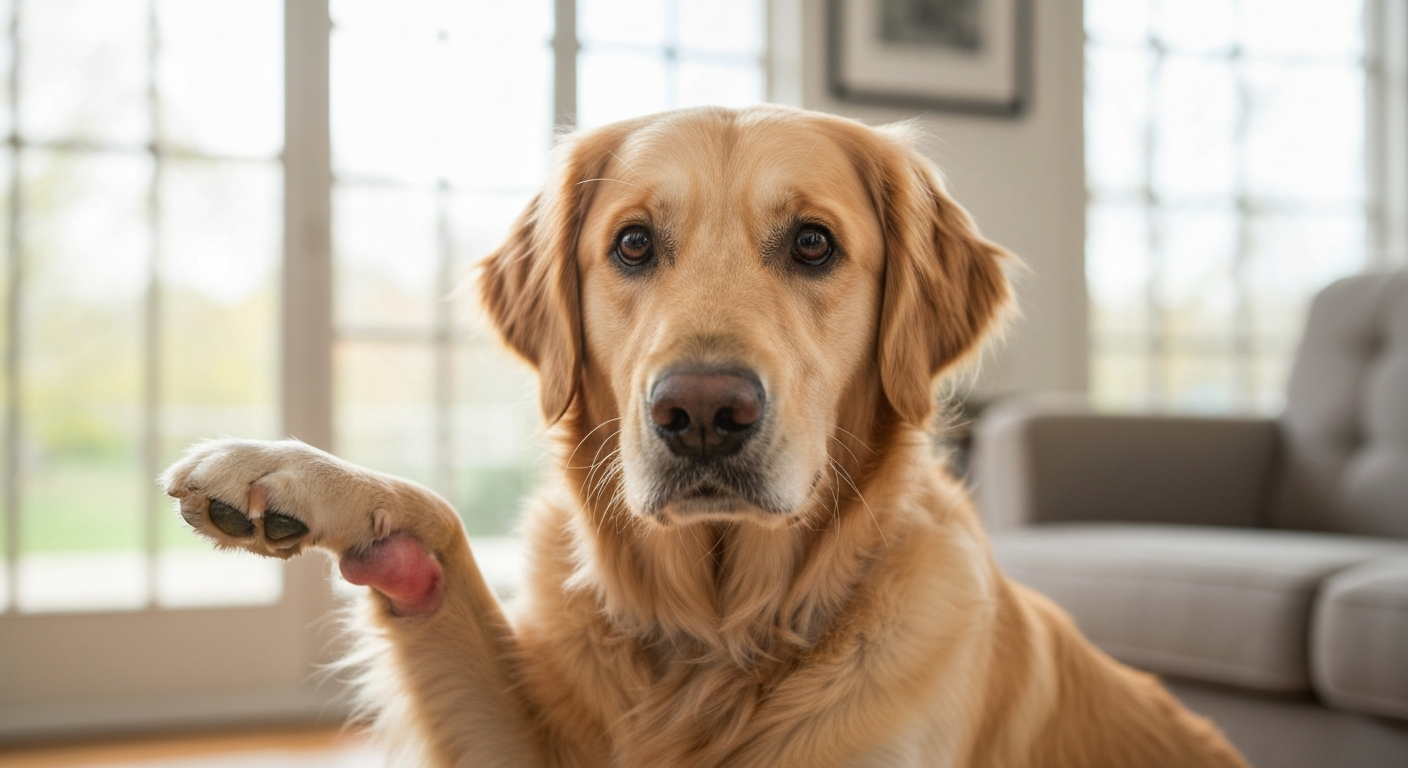

Your dog's paw is likely swollen due to an insect sting, thorn or splinter, allergic reaction, infection, or injury — and while many causes resolve with home care, sudden severe swelling, limping, or swelling that spreads to the face or throat requires immediate veterinary attention.
Paw swelling is one of the most common reasons dogs end up limping or licking obsessively at their feet. The good news: most cases have a straightforward cause you can identify at home. The not-so-good news: swelling can also signal something more serious brewing beneath the surface. This guide covers every type of swelling you might notice on your dog — paws, face, ears, eyes, neck, and private areas — so you know exactly when to wait it out and when to rush to the vet.
| ✓Our Pick |
$3,000 emergency vet fund with 24/7 online vet access Backed by strong customer feedback — the most recommended solution in forums and Q&A communities. Learn More → |
A swollen paw usually comes down to five main culprits: foreign objects, insect stings, infections, allergies, or trauma — and you can often narrow it down by examining where the swelling is located and how quickly it appeared.
Foreign objects are the number-one cause of sudden paw swelling in otherwise healthy dogs. Thorns, splinters, grass awns (foxtails), broken glass, and small pebbles can all embed themselves between your dog's toes or in the paw pads.
Look for: a single swollen toe, visible puncture wound, or your dog obsessively licking one spot. The swelling usually starts within hours of a walk. If you can see the object and it's superficial, clean tweezers can remove it — but deeply embedded items need veterinary removal to avoid infection.
Bee, wasp, spider, and ant stings cause rapid, localized swelling that often looks worse than it is. The paw may swell to twice its normal size within 30 minutes.
Signs of a sting: sudden onset during outdoor activity, visible stinger (with bee stings), intense licking, and warmth at the site. Most sting reactions resolve within 24–48 hours. However, if swelling spreads beyond the paw to the leg or face, your dog develops hives, or breathing becomes labored, this is anaphylaxis — a life-threatening emergency requiring immediate veterinary care.
Bacterial and fungal infections cause swelling that develops more gradually — usually over several days. Infections often follow a small cut, cracked pad, or untreated foreign body.
Signs of infection include: redness, warmth, discharge (clear, yellow, or bloody), foul odor, and fever. The swelling tends to be soft and may have a visible wound at the center. Infections require antibiotics or antifungals from your vet — they won't resolve on their own.
"Interdigital furunculosis, commonly called 'interdigital cysts,' are painful nodules that form between dogs' toes. They're actually deep bacterial infections of the hair follicles, not true cysts." — Dr. Jennifer Coates, DVM at PetMD
Allergies — whether to food, environmental triggers, or contact irritants — can cause puffy paws, especially if your dog walks through grass treated with pesticides or chemicals.
Allergic paw swelling is usually bilateral (both paws affected) and accompanied by itching, redness between toes, and sometimes ear inflammation. Seasonal patterns suggest environmental allergies. Year-round symptoms point toward food sensitivities.
Sprains, fractures, and soft tissue injuries cause swelling with noticeable lameness. Your dog may refuse to bear weight on the affected leg.
Trauma-related swelling often appears after jumping, rough play, or getting the paw caught in something. The paw may be painful to touch, and you might notice bruising. X-rays are needed to rule out fractures.
Also Read: Why Is My Dog's Snout Swollen? 8 Causes & What to Do
Facial swelling in dogs typically stems from allergic reactions, dental abscesses, insect stings, or — in the worst cases — snake bites, and the location of the swelling helps pinpoint the cause.
One-sided facial swelling usually indicates a tooth root abscess, localized sting, or injury. You'll often see swelling below the eye (upper tooth infection) or along the jaw (lower tooth infection). The area may be warm and painful.
Symmetrical facial swelling — puffy muzzle, swollen lips on both sides — strongly suggests an allergic reaction. This can progress rapidly. If your dog's throat or tongue appears swollen, or breathing becomes noisy, seek emergency care immediately.
Cheek swelling often connects to dental disease. Broken teeth, infected gums, or oral tumors can all cause localized puffiness. Check inside your dog's mouth (carefully) for red gums, loose teeth, or growths.
Mouth swelling can also result from chewing on something toxic or irritating — certain plants, toads, and chemicals cause oral inflammation. Drooling, pawing at the mouth, and reluctance to eat are red flags.
A dramatically swollen ear flap — puffy, warm, and balloon-like — is almost always an aural hematoma, which happens when blood vessels inside the ear rupture and fill the space between skin layers.
Aural hematomas develop when dogs shake their heads violently or scratch their ears aggressively due to an underlying ear infection, allergies, or ear mites. The blood pools inside the ear flap, creating a fluid-filled cushion.
Signs include: one ear suddenly thicker than the other, the ear feels like a water balloon, warmth, and obvious discomfort. Your dog may tilt their head toward the affected side.
| Symptom | Likely Cause | Urgency |
|---|---|---|
| Ear flap swollen like a balloon | Aural hematoma | See vet within 24–48 hours |
| Red, smelly ear canal | Ear infection | See vet within 1–2 days |
| Black debris, intense scratching | Ear mites | See vet within 1 week |
| Outer ear puffy with hives | Allergic reaction | Monitor; vet if spreading |
"Aural hematomas should be treated promptly. Left untreated, the ear will heal with significant scarring and deformity, resulting in a 'cauliflower ear' appearance." — American College of Veterinary Surgeons
Treatment typically involves draining the hematoma and addressing the underlying cause (usually an ear infection). Without treatment, the ear heals with permanent crumpling and disfigurement.
Swollen eyes in dogs result from conjunctivitis, allergies, injury, glaucoma, or infections — and any eye swelling accompanied by cloudiness, discharge, or vision changes needs same-day veterinary evaluation.
Puffy eyelids with clear discharge usually indicate allergies or mild irritation. Red, swollen eyes with thick yellow or green discharge suggest bacterial infection. A bulging eye with visible pain signals glaucoma — a true emergency that can cause permanent blindness within hours.
Check for: scratches on the eye surface (corneal ulcers), foreign material under the eyelid, and whether both eyes or just one is affected. Single-eye problems often indicate injury or localized infection. Both eyes affected suggests allergies or systemic illness.
Also Read: Why Is My Cat's Bottom Lip Swollen? 6 Causes & Fixes
Neck swelling can indicate enlarged lymph nodes, insect stings, abscesses, thyroid issues, or — in serious cases — tumors, so any firm, persistent lump in the neck area warrants veterinary examination.
Feel along both sides of your dog's neck, under the jaw, and in front of the shoulders. Enlarged lymph nodes feel like firm, movable lumps ranging from pea-sized to golf ball-sized. They swell in response to infection, inflammation, or cancer.
Soft, painful swelling after a bite or wound suggests an abscess forming. Diffuse puffiness across the throat area could indicate an allergic reaction or, rarely, a salivary gland problem.
Leg swelling above the paw points to soft tissue injury, fracture, joint problems, or circulatory issues — and sudden onset with severe pain or inability to walk requires urgent care.
Acute leg swelling after activity usually means a sprain, strain, or fracture. The leg may appear larger than the opposite side, feel warm, and be painful when touched or moved.
Gradual leg swelling in older dogs can indicate arthritis (typically around joints) or, more concerning, blood clots or tumors affecting circulation. Swelling that pits when you press it (leaves an indent) suggests fluid retention and needs veterinary evaluation.
Genital swelling has different implications for male and female dogs — some causes are normal physiological changes, while others indicate infection, injury, or conditions requiring treatment.
Normal causes: Female dogs experience vulvar swelling during their heat cycle — this is completely normal and resolves after the cycle ends. Spayed females shouldn't show heat-related swelling.
Abnormal causes: Vaginitis (infection), urinary tract infections, allergic reactions, and vaginal masses can all cause vulvar swelling outside of heat. Look for discharge (especially colored or foul-smelling), excessive licking, frequent urination, or straining.
The most common cause in intact males is balanoposthitis — infection of the prepuce (sheath) and penis. You'll notice redness, swelling, yellow-green discharge, and excessive licking.
Other causes include: paraphimosis (the penis cannot retract into the sheath — an emergency), trauma, foreign material in the sheath, and tumors in older dogs.
Any genital swelling with discharge, bleeding, or difficulty urinating needs veterinary attention.
Cats get swollen paws from the same general causes as dogs — bites, abscesses, stings, and infections — but cat bites from fights are the most common culprit, and these often form serious abscesses.
Outdoor cats frequently return home with puncture wounds from fights that quickly become infected. Cat bite abscesses cause dramatic swelling, fever, lethargy, and eventually rupture with foul-smelling drainage.
Indoor cats more commonly experience swelling from: ingrown nails (especially if nails aren't trimmed regularly), plasma cell pododermatitis ("pillow foot" — an autoimmune condition causing puffy paw pads), or stepping on something sharp.
Also Read: Why Is My Cat Breathing Heavy? 7 Causes & When to Worry
Mild localized swelling from an obvious minor cause can be monitored at home for 24–48 hours, but certain symptoms demand immediate veterinary care.
| 🐾Find a Vet |
Find a specialist vet near you VetClinic.info is a free directory of board-certified specialist vets across the US — find an orthopedic surgeon, oncologist, neurologist, or emergency clinic near you in seconds. Find Near You → |
Seek emergency care if you notice:
- Swelling spreading rapidly from paw to leg or from face to throat
- Difficulty breathing, excessive drooling, or collapse
- Severe pain, inability to walk, or obvious deformity
- Swelling after a known snake bite
- Any genital swelling preventing urination
Schedule a same-day appointment for:
- Eye swelling with cloudiness, squinting, or vision changes
- Ear hematomas (balloon-like ear flap)
- Facial swelling with dental pain or fever
- Infected wounds with discharge and fever
Monitor at home for 24–48 hours if:
- Mild paw swelling after a walk (check for foreign objects)
- Minor insect sting with no spreading symptoms
- Slight vulvar swelling during heat cycle
- Single swollen toe without severe pain
| ✓Our Pick | ||
 | ||
Science-backed pet food and supplements for healthier dogs Save yourself the frustration — a proven solution with consistently positive feedback from real buyers.
|
For minor swelling without emergency symptoms, basic home care can provide relief while you monitor for improvement or worsening.
Clean the area gently with diluted chlorhexidine or plain saline. Soak the paw in cool (not ice-cold) water with Epsom salts for 5–10 minutes, twice daily. This helps draw out minor irritants and reduce inflammation.
Prevent licking with an e-collar — excessive licking introduces bacteria and delays healing. You can apply a small amount of pet-safe antibiotic ointment to minor wounds.
If swelling hasn't improved within 48 hours, or worsens at any point, it's time for a vet visit.
Your dog's paw is most likely swollen from a foreign object, insect sting, infection, allergy, or injury — examine the paw carefully for visible causes, and monitor for spreading swelling or systemic symptoms. Swelling in other areas (face, ears, eyes, neck, or genitals) has location-specific causes ranging from dental abscesses to aural hematomas to normal heat cycles. When in doubt, a quick vet check provides peace of mind and catches serious problems early.
A puffy, balloon-like ear flap indicates an aural hematoma — a blood-filled pocket caused by head shaking or scratching due to an underlying ear infection or allergies. This isn't dangerous immediately but needs veterinary treatment to prevent permanent ear deformity. The underlying cause (usually infection) must also be addressed, or the hematoma will recur.
A single swollen toe usually means a foreign object (thorn, splinter, foxtail), broken nail, or localized infection. Examine between the toes carefully for punctures or embedded material. If you can't see an obvious cause, or if there's discharge, limping, or the swelling doesn't improve in 24 hours, see your vet — X-rays may be needed to find hidden objects.
Diphenhydramine (Benadryl) can help with allergic swelling in dogs at a dose of 1mg per pound of body weight, given every 8–12 hours. However, it's not appropriate for all types of swelling, and you should confirm with your vet before administering — especially for severe reactions, facial swelling affecting breathing, or if your dog takes other medications.
Recurring paw swelling often indicates allergies (environmental or food), chronic yeast or bacterial infections, or an autoimmune condition. Dogs with allergies frequently develop red, itchy, swollen paws — especially between the toes. Your vet may recommend allergy testing, diet trials, or ongoing management with medications or medicated shampoos.
Mild swelling from a minor sting or irritant typically improves within 24–48 hours with basic home care. Infected paws may take 7–14 days to fully heal with appropriate antibiotics. Trauma-related swelling depends on the severity — simple sprains resolve in 1–2 weeks, while fractures require weeks of restricted activity. If swelling isn't improving after 48 hours, veterinary evaluation is warranted.
Reviewed and Updated on June 16, 2026 by George Wright