Sleep
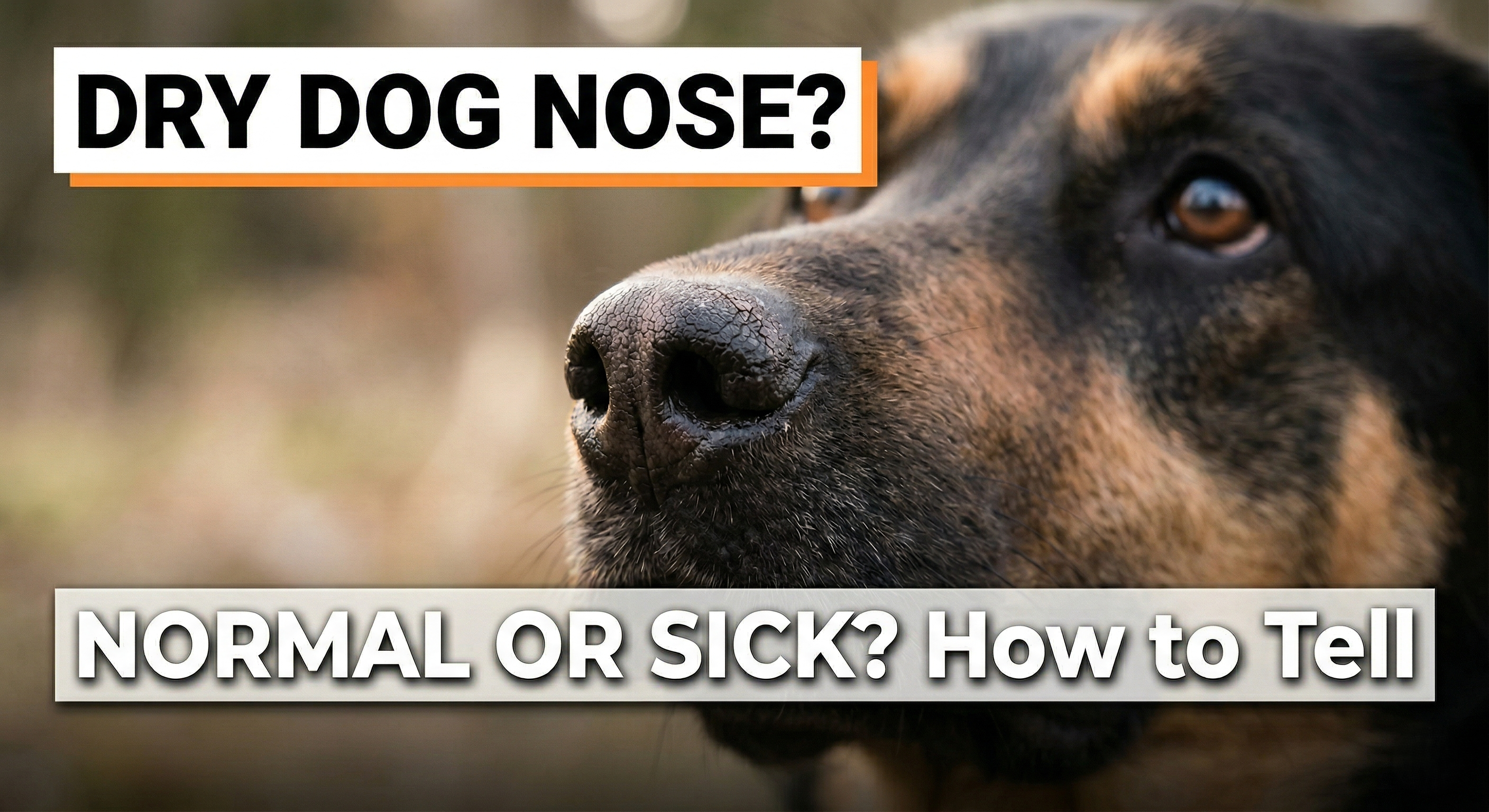

It is completely normal for a dog's nose to fluctuate between wet and dry throughout the day depending on their activity level and environment. You might panic when you feel a warm, sandpaper-like snout instead of the usual cold, wet one, but temporary dryness is almost always a normal physiological response.A dry dog nose is typically harmless and caused by sleeping, dry weather, or mild dehydration. However, if the dryness is accompanied by cracking, bleeding, lethargy, or loss of appetite, it may signal a medical condition that requires veterinary care.
Also Read: Best-Selling Organic Dog Snout Soothers and Balms
Understanding the baseline for your specific pet is the first step in monitoring their daily health. Recognizing the difference between benign environmental triggers and medical symptoms can save you unnecessary worry and prevent a panicked trip to the clinic.
Harmless dryness resolves quickly once a dog drinks water or licks their nose, whereas abnormal dryness persists, worsens over days, or pairs with systemic behavioral changes.
To help you categorize your dog's symptoms, refer to the diagnostic table below.
| Feature | Normal Dry Nose | Abnormal Dry Nose |
| Duration | Temporary (resolves in 10-15 minutes after waking or drinking) | Persistent (lasts for days without improvement) |
| Texture | Smooth, slightly warm, intact skin | Rough, crusty, severely cracked, or peeling |
| Accompanying Symptoms | None; dog is active, eating, and behaving normally | Lethargy, vomiting, fever, or thick nasal discharge |
| Triggers | Naps, indoor heating, wind, mild exertion | Underlying illness, severe dehydration, allergies |
| ✓Our Pick |
Petcube Emergency Fund — 24/7 vet access + $3,000 emergency coverage for your pet Trusted by professionals and everyday users alike — a smart investment that pays for itself. Learn More → |
Environmental factors and daily habits play a major role in the moisture levels of your dog's nasal passages. Recognizing these benign triggers helps you adjust your pet's environment for better comfort without assuming the worst.
Daily naps, winter indoor heating, brachycephalic breed traits, and the natural aging process are the most common non-medical reasons for a dry snout.
When dogs sleep, they stop actively licking their noses. Saliva is the primary source of canine nasal moisture, so this lack of licking causes the surface to dry out quickly. You will almost always notice a dry nose when your dog first wakes up from a long nap.
Just as human skin dries out in the winter, dry air from indoor central heating systems pulls moisture from a dog's nose. Cold winter winds or hot summer days spent in direct sunlight can also cause temporary dryness or even mild sunburn on lightly pigmented snouts.
Explicitly stating the relationship between anatomy and moisture: Brachycephalic bone structures limit the reach of a dog's tongue, meaning short-snouted breeds like Pugs, Bulldogs, and Boxers physically struggle to lick their own noses. Consequently, these breeds naturally maintain a drier baseline than longer-snouted dogs.
Senior dogs naturally produce less nasal mucus over time. As their bodily functions slow down, the mucous membranes become less efficient, leading to a chronically drier nasal surface in their golden years.
| ✓Our Pick | ||
 | ||
Nextrition Pet — Premium Science-Backed Dog & Cat Food High-quality nutrition to support digestion, coat health, and energy.
|
While occasional dryness is expected, chronic crusting, cracking, or bleeding indicates an underlying health issue. Veterinary intervention is crucial when nasal dryness pairs with systemic symptoms like lethargy, diarrhea, or a loss of appetite.
Persistent nasal dryness can be a clinical sign of severe dehydration, autoimmune diseases, environmental allergies, or a condition called hyperkeratosis, all of which require professional veterinary diagnostics.
If your dog is not drinking enough water—or is losing fluids through vomiting or diarrhea—their nose will dry out as the body conserves moisture. A high fever (above 103°F) can also rapidly dry out the mucous membranes.
Certain immune-mediated diseases directly target the mucocutaneous junctions (where skin meets mucous membranes). Conditions like Discoid Lupus Erythematosus (DLE) and Pemphigus Foliaceus can cause the surface of a dog's nose to ulcerate, lose its natural cobblestone texture, scab, and bleed.
Hyperkeratosis is a dermatological condition where the body produces excessive amounts of keratin. This overproduction causes the skin on the nose (and often the paw pads) to thicken, harden, and develop a crusty, spiky appearance.
Environmental allergens (pollen, dust mites, mold) or contact allergies (plastic food bowls, harsh cleaning chemicals) can inflame the nasal tissues. Dogs with allergies often rub their faces on carpets or furniture to relieve the itch, which mechanically dries out and damages the nose.
"A hot, dry nose doesn't always mean trouble, but it can certainly be a sign of fever, dehydration, or even conditions like dry eye."
Also Read: Why Is My Dog Drinking So Much Water?
Restoring moisture to your dog's snout requires safe, non-toxic approaches, as dogs rely heavily on their noses for sensory input and environmental navigation. Because dogs instinctively lick their noses constantly, any topical treatment applied must be 100 percent ingestible and free of harmful chemicals.
Treat a benign dry nose by ensuring constant access to fresh water, managing indoor humidity, and applying pet-safe barrier balms made from natural ingredients.
High-quality natural canine balms integrate with your dog's epidermal lipid layer, providing localized hydration that soothes cracking without disrupting their sensitive olfactory system. Never use human lotions, petroleum jelly (unless explicitly directed by a vet), or fragranced moisturizers, as these can cause gastrointestinal upset when ingested.
Also Read: Why Is My Dog Panting So Much?
Senior dogs experience a natural decline in mucus production and tend to sleep for longer, uninterrupted periods. The combination of age and zero nighttime licking often results in a completely dry, sometimes slightly crusty nose by morning. If the crusting becomes severe, it may be hyperkeratosis, which is highly common in older dogs.
This specific combination often indicates a blocked nasolacrimal duct (tear duct) or a condition called dry eye (Keratoconjunctivitis Sicca). The tear ducts are connected to the nasal passages, naturally draining excess tears to keep the nose moist. If these ducts are blocked or failing to produce enough tears, the nose will dry out simultaneously.
Also Read: Why Is My Dog Sneezing So Much?
Monitoring your dog's nasal health is a simple but vital part of being a responsible and proactive pet parent. A dry nose is usually a minor environmental issue, but your intuition as an owner is your best diagnostic tool.
Keep your dog well-hydrated, protect their snout from extreme weather, and consult a licensed veterinarian immediately if you notice severe cracking, bleeding, or concerning changes in their daily behavior.
Pay attention to context. If your dog just woke up by the radiator, a dry nose is expected. If they are refusing food and their nose is cracking and bleeding, it is time to seek professional medical advice.
Reviewed and Updated on June 16, 2026 by George Wright