DIY
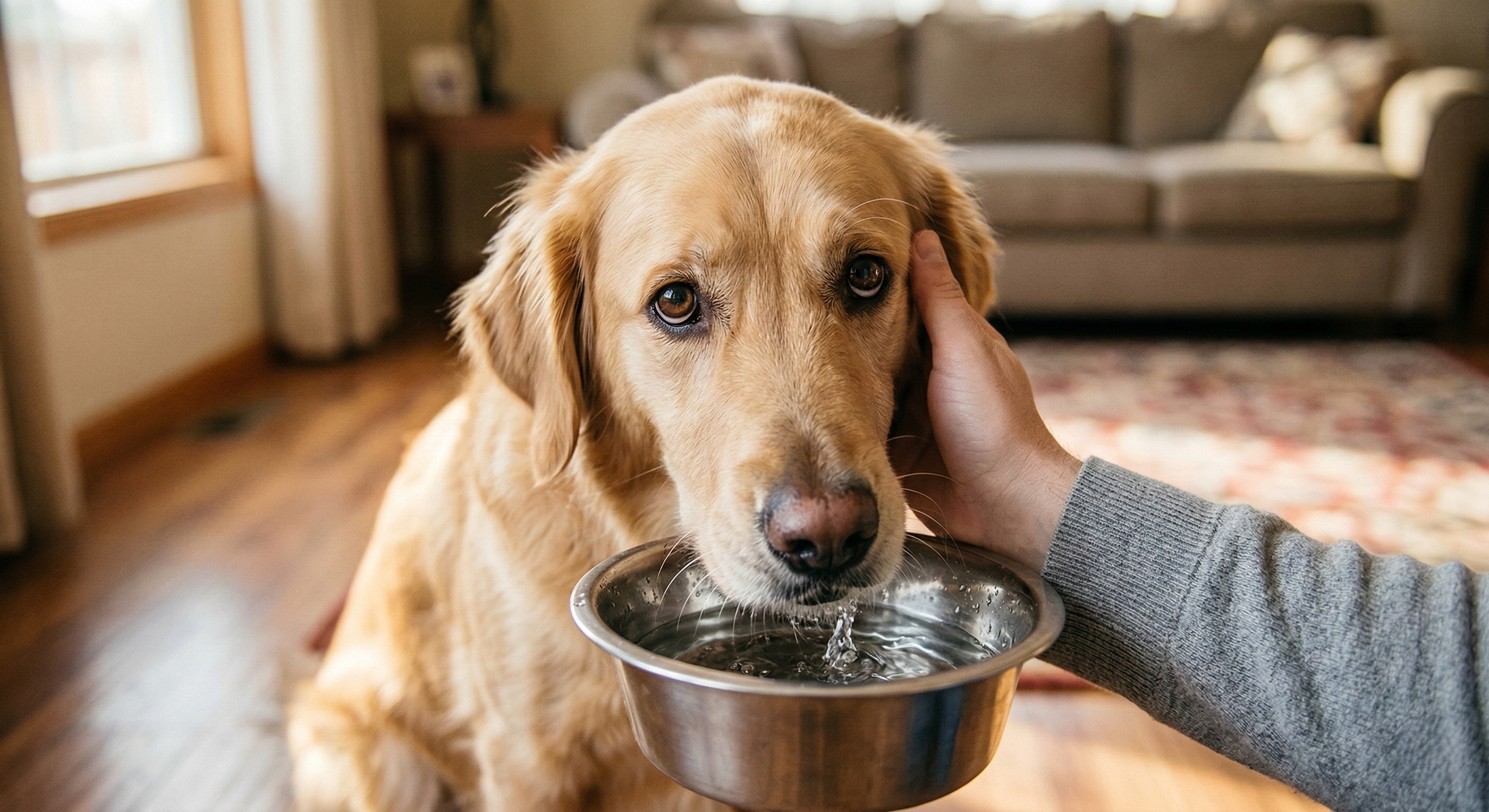

As a pet owner in 2026, noticing sudden changes in your dog's daily habits can quickly lead to worry. Understanding the root causes of your dog's increased water intake is essential for their long-term health and your peace of mind.Also Read: Highly Rated Spill-Proof Dog Water Bowls
A healthy dog generally requires about 1 ounce of water per pound of body weight per day. If your dog consistently drinks more than this amount, it may be due to temporary environmental factors, dietary changes, or underlying medical conditions that require veterinary attention.
| ✓Our Pick |
MeoWant automatic pet feeder & water fountain — keep your cat or dog fed and hydrated on schedule, even when you're away You'll wonder why you didn't try this sooner — practical, well-reviewed, and easy to get started. Learn More → |
Polydipsia is the formal medical term used by veterinary professionals to describe abnormally high water consumption in animals. Recognizing the difference between a naturally thirsty dog and one suffering from clinical polydipsia is the first step in ensuring proper care.
Polydipsia is not a disease itself, but rather a clinical symptom indicating that the body is struggling to maintain its natural fluid balance.
"Excessive thirst, or polydipsia, in your dog should never be ignored." — Dr. Juli, DVM, Native Pet
Understanding normal fluctuations versus medical anomalies allows owners to make informed decisions regarding veterinary intervention.
A dog's body naturally adjusts its hydration needs based on external temperatures, physical exertion, and the moisture content of their daily meals. These everyday variables frequently cause short-term spikes in water consumption without indicating an underlying illness.
Hot weather, strenuous exercise, and a diet consisting primarily of dry kibble are the most frequent non-medical reasons a dog will consume excess water.
Also Read: Why Is My Dog Panting So Much?
When environmental factors and diet remain constant but thirst increases, systemic health issues are usually the underlying trigger. Medical conditions affect how internal organs process fluids, directly forcing the animal to consume more water to compensate for metabolic dysfunction.
Chronic diseases such as diabetes, kidney failure, Cushing's disease, and severe infections disrupt internal fluid balances, resulting in excessive, involuntary drinking.
| Medical Entity | Explicit Relationship / Biological Mechanism | Resulting Clinical Symptom |
| Diabetes Mellitus | Prevents the body from effectively converting blood glucose into cellular energy. | Unprocessed sugar is eliminated through the urinary tract, dragging excess water with it and triggering profound thirst. |
| Chronic Kidney Disease | Impairs the kidneys' structural ability to filter blood waste and concentrate urine. | The body loses vital fluids rapidly through dilute urine, forcing the dog to drink constantly to flush toxins and prevent severe dehydration. |
| Cushing's Disease | Causes the adrenal glands to overproduce cortisol (the primary stress hormone). | Elevated cortisol levels alter metabolic function and kidney water retention, leading directly to polyuria (excess urination) and polydipsia. |
| Pyometra / UTIs | Introduces aggressive bacterial infections into the uterus or the urinary tract. | Systemic inflammation and fever cause rapid dehydration, forcing a massive biological spike in water consumption to cool the body. |
The kidneys and the pancreas play critical roles in filtering waste and managing cellular energy, respectively. When these organs fail to function properly, the body's natural physiological response is to flush the system with excess water.
Kidney disease prevents urine concentration, while diabetes mellitus causes excess glucose to draw water out of the body; both result in severe dehydration and compensatory thirst.
In cases of diabetes mellitus, the dog's pancreas fails to produce adequate insulin, or the body becomes resistant to it. Because the glucose cannot enter the cells to provide energy, it builds up in the bloodstream. The kidneys attempt to filter this excess sugar out, but the high glucose concentration pulls large amounts of water into the urine. This constant fluid loss signals the brain to trigger intense thirst.
Similarly, chronic kidney disease physically degrades the organ's filtration units. Healthy kidneys absorb water back into the body, producing concentrated yellow urine. Damaged kidneys lose this ability, producing large volumes of clear, dilute urine. The dog drinks continuously in a failing attempt to replace the lost water and clear mounting blood toxins.
The endocrine system regulates everything from stress responses to metabolism through precise hormonal signals. Disruptions in these signals, or the presence of severe bacterial infections, can drastically alter a dog's fundamental hydration needs.
Endocrine disorders like Cushing's disease overproduce cortisol, while conditions like Pyometra create severe systemic infections, both of which trigger an intense biological urge to drink more water.
Cushing's disease (hyperadrenocorticism) is common in older dogs and involves a benign tumor on the pituitary or adrenal gland. This tumor commands the body to produce excessive amounts of cortisol. Cortisol directly interferes with the antidiuretic hormone (ADH), which normally tells the kidneys to conserve water. Without ADH functioning properly, water passes right through the dog.
"Dietary influences, including high-sodium treats or dry kibble diets, may drive dogs to seek more water to balance their intake." — Sabrina Kong, DVM, Chewy
Infections, particularly Pyometra in unspayed female dogs or severe urinary tract infections (UTIs) in any dog, provoke an immune response. The resulting fever and systemic inflammation drastically increase the dog's core temperature, leading to heavy panting and fluid loss, which manifests as unquenchable thirst.
| ✓Our Pick |
Petcube Emergency Fund — 24/7 vet access + $3,000 emergency coverage for your pet Trusted by professionals and everyday users alike — a smart investment that pays for itself. Learn More → |
Veterinary diagnostics rely heavily on accurate, baseline data provided by observant pet owners at home. Tracking exactly how many ounces or milliliters your dog consumes daily removes the guesswork from evaluating their overall health.
Establish a baseline by measuring exactly how much water you pour into the bowl each morning and subtracting the remaining volume at the end of the day.
| ✓Our Pick | ||
Nextrition Pet — Premium Science-Backed Dog & Cat Food High-quality nutrition to support digestion, coat health, and energy.
|
Delaying professional medical care can allow highly treatable conditions to progress into life-threatening emergencies. Establishing a clear threshold for when to seek veterinary assistance ensures your dog receives prompt, effective diagnostic intervention.
| 🐾Find a Vet |
Find a specialist vet near you VetClinic.info is a free directory of board-certified specialist vets across the US — find an orthopedic surgeon, oncologist, neurologist, or emergency clinic near you in seconds. Find Near You → |
Schedule a veterinary exam immediately if excessive thirst persists for more than 48 hours, is accompanied by lethargy, or if the dog drinks so rapidly that they vomit.
"An owner should be concerned if their dog drinks the entire bowl at once and continues to drink every time water is offered." — Dr. Elizabeth Appleman, Urbana Pet Care
You should contact a veterinary clinic if you observe any of the following clinical warning signs alongside polydipsia:
Managing your dog's health requires a balanced, objective approach of at-home observation and professional medical consultation. By understanding the underlying biological mechanisms behind excessive thirst, you are better equipped to advocate for your pet's well-being.
Monitor your dog's daily water intake accurately, rule out obvious environmental or dietary causes, and consult a veterinarian if abnormal drinking behaviors persist beyond a few days.
Pet owners frequently encounter the exact same confusing symptoms when dealing with canine hydration issues. This section addresses the most common, highly specific queries regarding abnormal drinking behaviors in domestic dogs.
Why does my dog keep drinking water and throwing up immediately?
When a dog drinks massive volumes of water rapidly, the stomach expands too quickly, triggering a regurgitation reflex. However, if vomiting persists, it can indicate gastrointestinal obstructions, kidney disease, or pancreatitis. Never restrict water, but do consider offering smaller, more frequent amounts and contact a vet.
What does it mean if my senior dog starts drinking a lot of water at night?
Increased nighttime thirst in senior dogs is frequently linked to chronic kidney disease or cognitive dysfunction syndrome (canine dementia). It can also indicate that a new medication, such as a diuretic or corticosteroid, is altering their natural fluid retention cycle.
Can anxiety cause a dog to drink too much water?
Yes. Psychogenic polydipsia is a recognized behavioral condition where a dog drinks excessive amounts of water compulsively due to stress, separation anxiety, or severe boredom. It is diagnosed only after all physiological medical causes have been definitively ruled out by a veterinarian.
Reviewed and Updated on June 4, 2026 by George Wright