Sleep
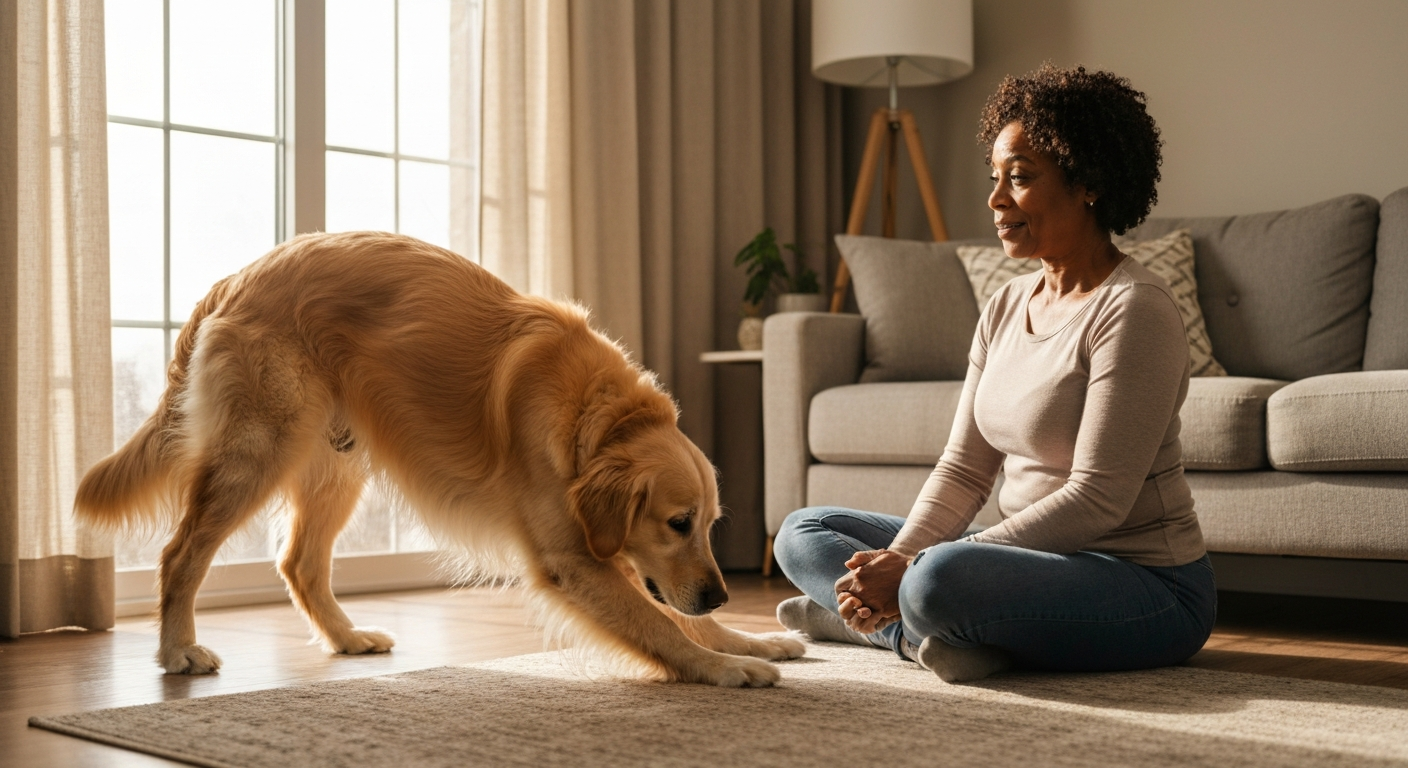

Your dog is stretching so much because it's a normal, healthy behavior in most cases—dogs stretch to maintain muscle flexibility, relieve stiffness after rest, communicate excitement, or simply because it feels good. However, excessive or unusual stretching, especially when combined with other symptoms like lethargy, loss of appetite, or a hunched posture, can signal underlying issues ranging from mild gastrointestinal discomfort to more serious conditions like pancreatitis or bloat.
| ✓Our Pick |
24/7 emergency vet access + $3,000 emergency fund for unexpected health crises Simple to use and genuinely effective — for many people this is all they ever needed. Learn More → |
Dogs stretch for many of the same reasons humans do—to wake up their muscles, release tension, and prepare their bodies for movement.
Understanding the different types of stretches your dog performs can help you distinguish between normal behavior and potential health concerns. Let's break down the most common reasons your dog might be stretching frequently.
The most common reason dogs stretch is simple physiology. After lying still for any period, muscles naturally stiffen up. Stretching increases blood flow, warms the muscles, and prepares the body for activity.
You'll notice this most often when your dog wakes up from a nap or first thing in the morning. The classic "downward dog" pose—front legs extended, rear end in the air—is your dog's way of limbering up before starting their day.
Dogs often stretch as a form of communication. When you come home and your dog performs a big, dramatic stretch while wagging their tail, they're not just loosening up—they're saying hello.
"The play bow and similar stretching postures are social signals that indicate friendly intent and excitement. Dogs use body language extensively to communicate with humans and other animals." — Dr. Mary Burch at American Kennel Club
This greeting stretch often transitions directly into excited jumping, spinning, or running to fetch a toy.
The play bow—a stretch where your dog's front end goes down while their rear stays up—is one of the clearest signals in canine body language. It means "let's play!"
If your dog stretches into this position and bounces their front paws, looks at you expectantly, or rushes toward a toy, they're inviting interaction. This is completely normal and actually a sign of a happy, socially engaged dog.
Here's where things get more nuanced. Dogs sometimes stretch repeatedly—particularly into a position where their front end is low and back end is raised—to relieve mild stomach or intestinal discomfort.
This "prayer position" or "praying stretch" can indicate:
- Gas or bloating
- Mild indigestion
- Stomach cramps
- Nausea
Occasional stretching for digestive comfort is normal, especially after meals. But if this becomes frequent or is accompanied by other symptoms, it warrants attention.
Also Read: Why Is My Dog Losing Weight But Still Eating? 9 Causes & Fixes
Older dogs and certain breeds prone to joint issues may stretch more frequently to ease stiffness and discomfort. Arthritis, hip dysplasia, and general age-related stiffness can all cause increased stretching behavior.
You might notice your senior dog taking longer to stand up and performing several stretches before walking, or stretching more after lying on hard surfaces.
Dogs need mental and physical stimulation. A bored dog may stretch simply because they have nothing else to do—it's a self-soothing behavior that releases some physical tension.
If your dog stretches frequently while also pacing, sighing, or following you around the house, they might be telling you they need more activity or enrichment.
Many dogs naturally stretch after meals. This gentle movement can help food settle and may ease the transition from eating to resting.
Post-meal stretching is typically nothing to worry about unless it's accompanied by retching, drooling, restlessness, or a distended abdomen—which could indicate a more serious problem.
While most stretching is harmless, certain patterns can indicate health problems that need veterinary attention.
The key is understanding context. A single stretch when waking up is very different from repeated stretching throughout the day, especially when combined with other symptoms.
The prayer position—front legs extended forward, chest low to the ground, rear end elevated—is a classic sign of abdominal pain in dogs. Dogs instinctively assume this posture to relieve pressure on their stomach and internal organs.
| Symptom | Possible Cause | Urgency Level |
|---|---|---|
| Prayer position + loss of appetite | Pancreatitis, gastritis | Moderate to high |
| Prayer position + distended belly | Bloat (GDV) | Emergency |
| Prayer position + vomiting/diarrhea | Gastrointestinal illness | Moderate |
| Prayer position + lethargy | Abdominal pain (various causes) | Moderate to high |
| Prayer position after meals only | Mild indigestion | Low (monitor) |
"When dogs repeatedly assume the prayer posture, it's often their way of telling us something hurts. This is especially concerning when combined with changes in appetite, energy level, or bowel movements." — Dr. Jerry Klein, DVM at American Kennel Club
Pancreatitis (inflammation of the pancreas) causes significant abdominal pain. Dogs with pancreatitis often stretch repeatedly into the prayer position to ease their discomfort.
Other signs of pancreatitis include:
- Vomiting
- Diarrhea
- Loss of appetite
- Fever
- Hunched posture
- Reluctance to move
Pancreatitis ranges from mild to life-threatening. If your dog's stretching is accompanied by any of these symptoms, contact your veterinarian.
Gastric dilatation-volvulus (GDV), commonly called bloat, is a life-threatening emergency. In bloat, the stomach fills with gas and can twist on itself, cutting off blood supply.
Dogs with bloat may stretch repeatedly, attempt to vomit without producing anything, drool excessively, and appear anxious or restless. Their abdomen may look swollen or feel hard.
Bloat is an emergency. If you suspect bloat, get your dog to a veterinarian immediately—minutes matter.
Large, deep-chested breeds like Great Danes, German Shepherds, and Standard Poodles are at higher risk, but bloat can occur in any dog.
Also Read: Why Is My Dog Falling Over? 9 Causes & What to Do Now
Dogs with intervertebral disc disease (IVDD), muscle strains, or spinal issues may stretch frequently to relieve pressure or discomfort along their spine.
Signs that stretching might be spine-related include:
- Reluctance to jump or climb stairs
- Yelping when touched on the back
- Changes in gait or posture
- Dragging feet or stumbling
- Muscle spasms along the spine
Dachshunds, Corgis, Basset Hounds, and other long-backed breeds are particularly prone to IVDD.
Context is everything when evaluating your dog's stretching behavior.
Ask yourself these questions:
When does the stretching happen? After waking, before play, or during greetings is usually normal. Constant stretching throughout the day is more concerning.
How does my dog act otherwise? Normal appetite, energy, and behavior alongside stretching is reassuring. Changes in eating, drinking, activity level, or elimination are red flags.
Is there anything else unusual? Vomiting, diarrhea, distended belly, whimpering, or obvious pain alongside stretching warrants veterinary attention.
Is this new behavior? A dog who has always stretched frequently is different from one who suddenly starts stretching constantly.
| Normal Stretching | Concerning Stretching |
|---|---|
| Upon waking from sleep | Repeated throughout the day |
| During greetings/excitement | Accompanied by restlessness |
| Before or after play | Combined with loss of appetite |
| Occasional after meals | With vomiting or retching |
| Dog returns to normal activity immediately | Dog seems unable to get comfortable |
| Relaxed body language | Tense, hunched, or guarded posture |
If your dog's stretching seems excessive or is combined with other symptoms, start by documenting what you observe.
Keep notes on:
- How often your dog stretches
- What time of day it happens
- What your dog ate recently
- Any other symptoms (appetite changes, energy level, bowel movements)
- Whether stretching happens before or after specific activities
This information helps your veterinarian pinpoint potential causes.
Contact your veterinarian if your dog:
- Stretches repeatedly into the prayer position
- Has a distended or hard abdomen
- Won't eat or drink
- Vomits or attempts to vomit without producing anything
- Seems lethargic or depressed
- Cries or whimpers when moving or being touched
- Shows changes in posture or gait
| 🐾Find a Vet |
Find a specialist vet near you VetClinic.info is a free directory of board-certified specialist vets across the US — find an orthopedic surgeon, oncologist, neurologist, or emergency clinic near you in seconds. Find Near You → |
For symptoms of bloat (distended belly, unproductive retching, restlessness, excessive drooling), seek emergency care immediately.
| ✓Our Pick | ||
Premium science-backed dog nutrition for digestive health Consistently earns five-star reviews — reliable, well-supported, and genuinely effective.
|
Proactive care can help reduce uncomfortable stiffness and keep your dog limber.
Consistent, appropriate exercise maintains muscle tone and joint flexibility. Dogs who exercise regularly tend to stretch less from stiffness because their muscles stay more supple.
Match exercise to your dog's age, breed, and health status. A daily walk, play session, or swim keeps most dogs in good condition.
For older dogs or breeds prone to joint issues, supplements containing glucosamine, chondroitin, and omega-3 fatty acids may help maintain joint comfort and mobility.
Always consult your veterinarian before starting supplements, as quality and appropriate dosing vary significantly.
Orthopedic dog beds provide better support than thin mats or hard floors. Quality bedding can reduce stiffness after rest, which may decrease the amount of stretching your dog needs to feel comfortable.
Also Read: Why Is My Dog Leaning to One Side? 7 Causes & What to Do
Most dogs stretch frequently because it's a natural, healthy behavior—just like humans, they need to wake up their muscles, relieve tension, and communicate through body language. The classic post-nap stretch, the excited greeting stretch, and the playful play bow are all signs of a normal, happy dog. However, excessive stretching—especially the "prayer position" combined with symptoms like loss of appetite, vomiting, distended belly, or lethargy—can indicate abdominal pain from conditions like pancreatitis or bloat. Monitor your dog's overall behavior, document any changes, and contact your veterinarian if stretching seems constant, painful, or accompanied by other concerning signs.
Your dog stretches when he sees you as a greeting behavior and a sign of excitement. This stretch often resembles the play bow and communicates happiness at your arrival. It's similar to how you might stretch and sigh contentedly when settling into your favorite chair—it's a positive, relaxed response to something pleasant.
Frequent back leg stretching can be your dog's way of loosening tight hip and leg muscles, especially after lying down. However, if your dog seems to stretch the back legs obsessively or shows signs of discomfort, it could indicate hip dysplasia, arthritis, or muscle strain. Senior dogs and large breeds are more prone to hip-related stretching.
Stretching can be a sign of pain, particularly abdominal pain. The "prayer position" stretch—front end down, rear end up—is a classic posture dogs assume to relieve pressure on a painful belly. If stretching is accompanied by changes in appetite, vomiting, lethargy, or a tense abdomen, consult your veterinarian.
Stretching and yawning together often indicate your dog is transitioning from rest to activity—they're waking up their body and brain simultaneously. However, frequent yawning can also be a calming signal that indicates mild stress or anxiety. Consider whether your dog seems relaxed or anxious during these episodes.
Occasional stretching after eating is normal and may help your dog feel more comfortable as food settles. However, if your dog stretches repeatedly after every meal, seems uncomfortable, has a bloated appearance, or attempts to vomit, these could be signs of digestive issues or the early stages of bloat, which requires immediate veterinary attention.
Reviewed and Updated on June 16, 2026 by George Wright