Sleep
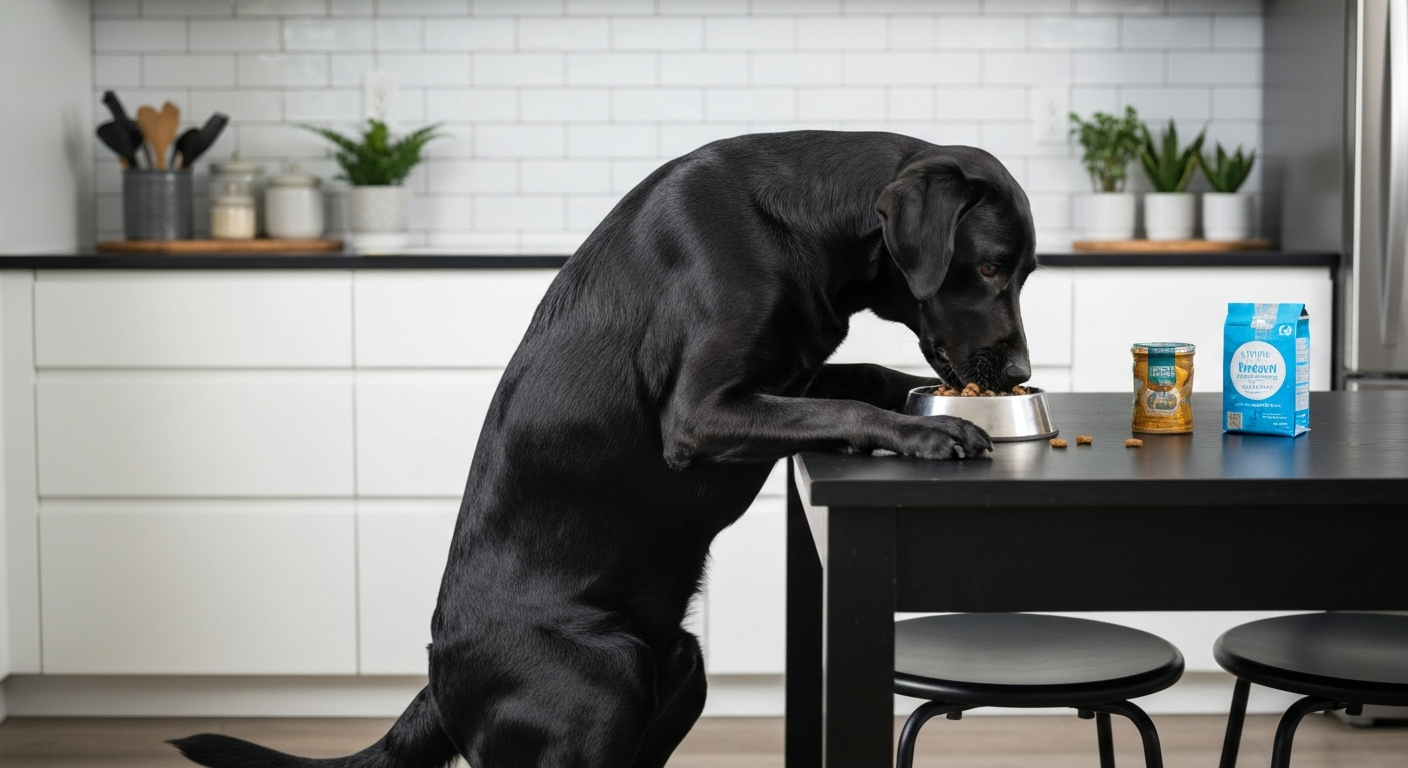

When your dog is eating normally but still dropping pounds, it typically signals that something is preventing their body from absorbing or using the nutrients they're consuming — the most common culprits include intestinal parasites, diabetes, exocrine pancreatic insufficiency (EPI), hyperthyroidism, or cancer.
This is one of the most frustrating situations for dog owners: the food bowl empties on schedule, your pup seems hungry and eager to eat, yet the scale keeps ticking downward and you can see ribs where you shouldn't. Unlike a dog who stops eating altogether, a dog losing weight while maintaining appetite often has an underlying metabolic or digestive issue that requires veterinary attention. The good news is that many of these conditions are highly treatable once identified. Below, you'll find the most likely reasons your dog is losing weight despite eating, how to recognize warning signs, and exactly when to get your vet involved.
| ✓Our Pick |
Emergency vet fund with 24/7 online vet access for unexpected health scares A top-rated pick that works — readers who tried this reported noticeable improvement within days. Learn More → |
| ✓Our Pick |
MeoWant automatic pet feeder & water fountain — keep your cat or dog fed and hydrated on schedule, even when you're away You'll wonder why you didn't try this sooner — practical, well-reviewed, and easy to get started. Learn More → |
| ✓Our Pick |
ChefPaw Dog Food Machine — fresh-cooked homemade meals for your dog at the press of a button (from Innovet Pet, trusted since 2005) Used by over 10,000 satisfied customers — an easy, affordable option you can start using today. Learn More → |
Weight loss despite a normal appetite happens when calories are being lost, malabsorbed, or burned faster than they're being taken in — and in 2026, veterinary diagnostics can pinpoint the exact cause faster than ever before.
Understanding the mechanism helps you grasp why this happens. Your dog's body needs a certain number of calories to maintain weight. When those calories vanish through the intestines, get consumed by parasites, or get burned by an overactive metabolism or disease process, the body starts breaking down fat and muscle for energy. The result is progressive weight loss even though your dog appears to be eating well.
| Category | What's Happening | Common Examples |
|---|---|---|
| Malabsorption | Nutrients pass through without being absorbed | EPI, inflammatory bowel disease, intestinal lymphoma |
| Increased metabolic demand | Body burns calories faster than normal | Hyperthyroidism, cancer, chronic infections |
| Nutrient theft | Parasites or bacteria consume the food | Roundworms, hookworms, giardia, SIBO |
| Caloric loss | Calories leave the body abnormally | Diabetes (glucose in urine), protein-losing enteropathy |
Intestinal parasites — especially roundworms, hookworms, whipworms, and giardia — are one of the most common and easily treatable reasons a dog loses weight while still eating normally.
Parasites are essentially freeloaders. They attach to your dog's intestinal lining and help themselves to nutrients before your dog's body can absorb them. Heavy worm burdens are particularly problematic because they can consume a significant portion of every meal. Your dog eats plenty, but the parasites get first dibs.
"Intestinal parasites are extremely common in dogs, and many infected dogs show no obvious signs other than weight loss or failure to gain weight appropriately." — Dr. Jerry Klein, Chief Veterinary Officer at American Kennel Club
Giardia is especially sneaky. This microscopic parasite causes inflammation in the intestinal lining, which reduces nutrient absorption even after the parasite load decreases. Dogs with giardia may have intermittent diarrhea, but some show no digestive symptoms at all — just gradual weight loss.
Signs that parasites might be the culprit:
- Visible worms in stool or around the rear end
- Bloated or pot-bellied appearance despite weight loss
- Dull coat or scooting behavior
- Intermittent diarrhea or soft stools
A simple fecal test at your vet can identify most common parasites. Treatment is usually straightforward with appropriate deworming medication.
Also Read: Why Is My Old Dog Losing Weight? 9 Causes & What to Do
Canine diabetes mellitus causes weight loss despite increased appetite because the body cannot properly use glucose for energy, forcing it to break down fat and muscle instead.
Here's what happens: when your dog eats, carbohydrates break down into glucose. Normally, insulin shuttles that glucose into cells for energy. In diabetic dogs, either the pancreas doesn't produce enough insulin (Type 1) or the body doesn't respond to insulin properly (Type 2). Without functioning insulin, glucose builds up in the bloodstream while cells starve.
The body interprets this as a famine state. Your dog feels hungrier because their cells aren't getting fuel. They eat more, but the glucose just spills into the urine — taking water with it and causing the classic diabetic symptoms.
The classic "four Ps" of canine diabetes:
- Polyphagia — increased appetite
- Polydipsia — excessive thirst
- Polyuria — frequent urination
- Progressive weight loss — despite eating more
Diabetes is highly manageable with insulin injections and dietary changes. Most diabetic dogs live normal, happy lives once regulated. The key is catching it early before complications like cataracts or diabetic ketoacidosis develop.
EPI occurs when the pancreas fails to produce enough digestive enzymes, meaning food passes through the gut without being broken down or absorbed — dogs with EPI are literally starving on a full stomach.
The pancreas has two jobs: producing insulin (endocrine function) and producing digestive enzymes (exocrine function). In EPI, the enzyme-producing portion fails. Without lipase, protease, and amylase, your dog cannot digest fats, proteins, or carbohydrates properly.
Dogs with EPI typically show:
- Ravenous appetite (eating constantly, including non-food items)
- Large volumes of pale, greasy, foul-smelling stool
- Significant weight loss despite increased food intake
- Poor coat quality
- Flatulence
"Dogs with EPI will often eat their normal food plus try to eat anything else they can find — grass, dirt, feces — because their body is desperately trying to get nutrition." — Dr. Joerg Steiner, Director at Texas A&M GI Laboratory
German Shepherds and Rough Collies are genetically predisposed to EPI, but any breed can develop it. The condition is diagnosed with a blood test called TLI (trypsin-like immunoreactivity). Treatment involves adding pancreatic enzyme supplements to every meal — and while dogs need this supplementation for life, most gain weight quickly once treatment begins.
While hyperthyroidism is rare in dogs compared to cats, it does occur — typically secondary to thyroid cancer — and causes dramatic weight loss due to a metabolism running in overdrive.
An overactive thyroid gland pumps out excess thyroid hormone, which ramps up metabolic rate across every system. The body burns through calories at an accelerated pace, faster than normal food intake can replace.
In dogs, hyperthyroidism is almost always associated with thyroid carcinoma (cancer). This is different from cats, where hyperthyroidism is usually caused by benign thyroid enlargement. Because of the cancer connection, canine hyperthyroidism requires aggressive treatment.
Symptoms include:
- Weight loss despite good appetite
- Increased thirst and urination
- Hyperactivity or restlessness
- Rapid heart rate
- Possible neck swelling (enlarged thyroid)
Diagnosis involves blood tests measuring T4 and TSH levels, followed by imaging to evaluate the thyroid gland. Treatment options include surgery, radioactive iodine therapy, or medication depending on whether cancer is present and how far it has spread.
Cancer can cause weight loss through multiple mechanisms — tumors consume calories, trigger chronic inflammation, and interfere with normal digestion and metabolism.
Cancer-related weight loss, called cachexia, is one of the most concerning causes because it's difficult to reverse even with adequate nutrition. Tumors are metabolically greedy. They divert nutrients for their own growth while releasing compounds that alter how the body processes energy.
Cancers that commonly cause weight loss despite maintained appetite:
- Intestinal lymphoma — interferes with nutrient absorption
- Hemangiosarcoma — causes internal bleeding and chronic inflammation
- Liver or kidney tumors — disrupt organ function
- Gastrointestinal carcinomas — block normal digestion
Other warning signs to watch for alongside weight loss:
- Lumps or bumps anywhere on the body
- Chronic vomiting or diarrhea
- Lethargy or decreased activity
- Bleeding from any body opening
- Difficulty eating, breathing, or eliminating
Early detection significantly improves outcomes. If your dog is losing weight without explanation, bloodwork, imaging, and sometimes biopsy can identify or rule out cancer.
Also Read: Why Is My Dog Leaning to One Side? 7 Causes & What to Do
Inflammatory bowel disease (IBD) causes chronic inflammation of the intestinal lining, reducing nutrient absorption and leading to gradual weight loss even when appetite remains normal.
IBD isn't a single disease but a group of conditions where the immune system attacks the intestinal tract. The constant inflammation damages the absorptive surface of the gut, meaning nutrients pass through without being properly taken up.
Dogs with IBD may show:
- Chronic intermittent vomiting
- Diarrhea (sometimes bloody or mucoid)
- Weight loss
- Excessive gas or borborygmi (loud stomach noises)
- Variable appetite (sometimes increased, sometimes decreased)
Diagnosis requires intestinal biopsy, typically obtained via endoscopy. Treatment usually involves dietary modification (often a novel protein or hydrolyzed diet) combined with immunosuppressive medications. Many dogs respond well and return to normal weight with proper management.
Beyond the major causes, several other conditions can trigger weight loss with maintained appetite — including kidney disease, heart disease, and chronic infections.
| Condition | How It Causes Weight Loss | Key Clues |
|---|---|---|
| Chronic kidney disease | Toxin buildup reduces appetite quality; protein lost in urine | Increased thirst, bad breath, lethargy |
| Heart disease | Cardiac cachexia from poor circulation and inflammation | Coughing, exercise intolerance, rapid breathing |
| Addison's disease | Hormonal imbalance affects metabolism | Vomiting, weakness, episodic collapse |
| SIBO (small intestinal bacterial overgrowth) | Bacteria consume nutrients before absorption | Chronic diarrhea, gas, weight loss |
| Megaesophagus | Food regurgitated before reaching stomach | Regurgitation (not vomiting), aspiration pneumonia risk |
Each of these requires specific diagnostic testing. Your vet will likely start with comprehensive bloodwork, urinalysis, and imaging to narrow down the possibilities.
If your dog has lost more than 10% of their body weight without explanation, or if weight loss continues for more than 2-3 weeks, a veterinary exam is essential — don't wait to see if it resolves on its own.
Before your vet visit, gather helpful information:
- How much weight has been lost and over what timeframe
- Exact food type, amount, and feeding schedule
- Any changes in stool (color, consistency, frequency)
- Water intake and urination patterns
- Energy levels and behavior changes
- Any vomiting, diarrhea, or coughing
Your vet will likely recommend:
- Complete blood count (CBC) — checks for infection, anemia, inflammation
- Comprehensive metabolic panel — evaluates organ function
- Fecal examination — identifies parasites
- Urinalysis — screens for diabetes, kidney disease
- Thyroid panel — rules out thyroid disorders
- Imaging — X-rays or ultrasound to visualize internal organs
In some cases, more specialized tests like TLI for EPI, biopsy for IBD, or advanced imaging for cancer may be needed.
| ✓Our Pick | ||
Science-backed dog food and supplements for optimal nutrition Used by over 10,000 satisfied customers — an easy, affordable option you can start using today.
|
While working toward a diagnosis, you can help your dog maintain weight by increasing caloric density, feeding smaller frequent meals, and ensuring maximum comfort during eating.
Practical steps while awaiting answers:
- Increase meal frequency — 3-4 smaller meals digest better than 1-2 large ones
- Add calorie boosters — plain cooked chicken, low-sodium broth, or vet-approved high-calorie supplements
- Warm the food slightly — enhances aroma and palatability
- Minimize stress at mealtimes — quiet location, no competition from other pets
- Track daily intake and weight — objective data helps your vet
Avoid making dramatic diet changes without veterinary guidance, as some conditions require specific dietary management. For example, dogs with EPI need enzyme supplements added to food, while dogs with IBD may need a prescription hypoallergenic diet.
A dog losing weight while still eating normally is almost always signaling an underlying medical problem — not a simple case of needing more food. The most common causes include intestinal parasites, diabetes, exocrine pancreatic insufficiency, hyperthyroidism, cancer, and inflammatory bowel disease. Each of these interferes with how your dog's body absorbs, uses, or retains nutrients. The encouraging news is that many of these conditions are highly treatable when caught early. If your dog has dropped weight without obvious reason, schedule a vet appointment for bloodwork and a thorough examination — the sooner you identify the cause, the sooner your pup can get back to a healthy weight.
A loss of 10% or more of your dog's normal body weight is generally considered clinically significant and warrants veterinary investigation. For a 50-pound dog, that's just 5 pounds. Unexplained weight loss continuing for more than 2-3 weeks should also prompt a vet visit, even if the percentage seems small. Gradual loss is often harder to notice than sudden drops, so weighing your dog monthly helps catch problems early.
Yes, chronic stress can contribute to weight loss even when food intake appears normal. Stress hormones like cortisol affect metabolism and digestion. However, stress alone rarely causes significant weight loss in dogs — if your dog is losing weight, an underlying medical condition is more likely. Address potential stressors while also pursuing veterinary evaluation to rule out physical causes.
Simply increasing food quantity without knowing the underlying cause can be ineffective or even harmful. If parasites are stealing nutrients, more food just feeds the parasites. If your dog has EPI, more food without enzymes won't help. Consult your vet before significantly changing food amounts. They may recommend calorie-dense foods or specific supplements based on the diagnosis.
A standard workup typically includes complete blood count, comprehensive metabolic panel, urinalysis, fecal examination, and thyroid testing. Based on initial results, your vet may add specialized tests like TLI (for EPI), abdominal ultrasound, X-rays, or endoscopy with biopsy. The specific tests depend on your dog's symptoms and initial findings.
| 🐾Find a Vet |
Find a specialist vet near you VetClinic.info is a free directory of board-certified specialist vets across the US — find an orthopedic surgeon, oncologist, neurologist, or emergency clinic near you in seconds. Find Near You → |
Absolutely. Many intestinal parasites, including hookworms and giardia, are microscopic or shed eggs intermittently. You may never see visible worms even with a significant parasite load. This is why fecal testing is important — it detects eggs and organisms you can't see with the naked eye. Some parasites require special testing methods, so let your vet know if initial fecal tests are negative but symptoms persist.
Reviewed and Updated on June 16, 2026 by George Wright