Sleep
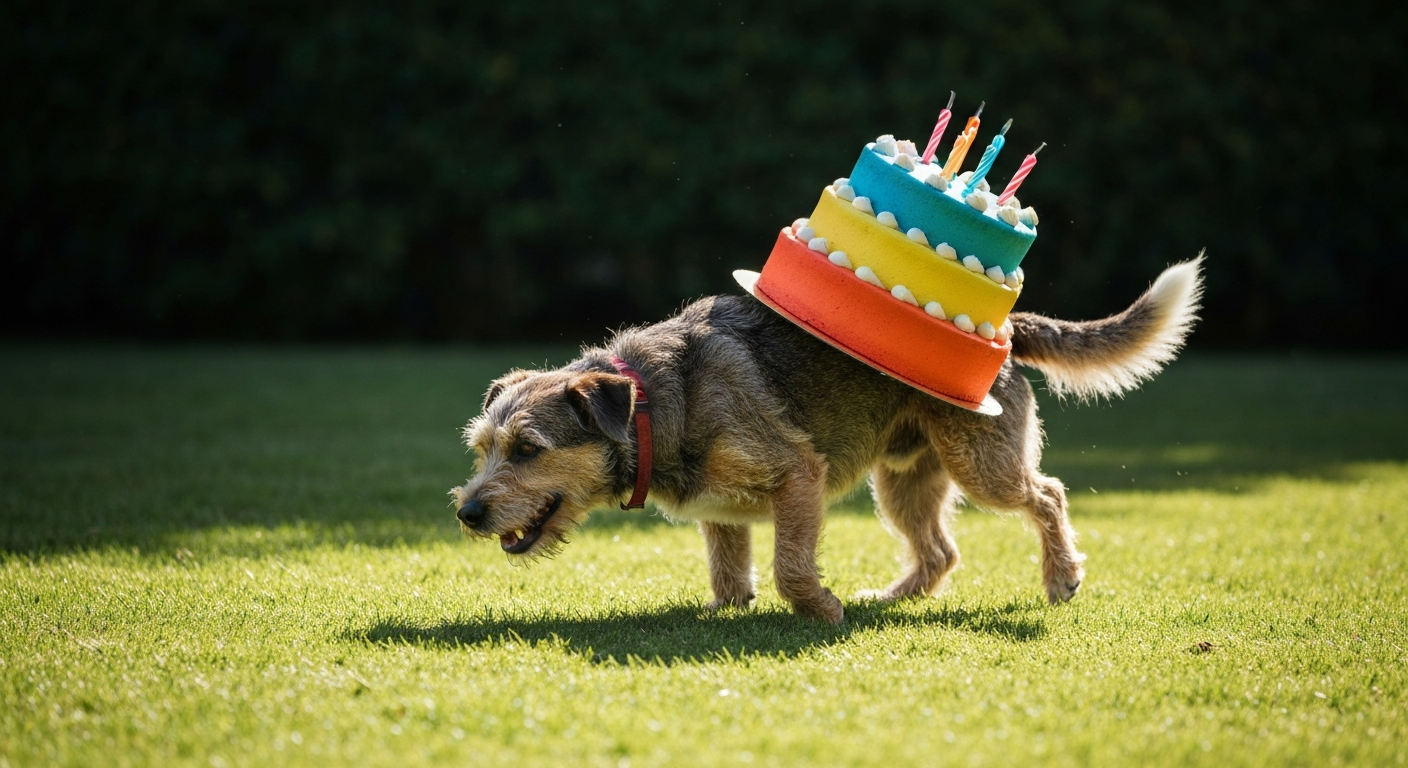

A dog falling over, stumbling, or acting drunk all of a sudden is usually experiencing vestibular dysfunction, a neurological condition affecting balance — but it can also signal poisoning, stroke, ear infection, or a serious illness that needs immediate veterinary attention.
If your dog is wobbly, swaying back and forth, or walking sideways all of a sudden, don't wait to see if it passes. While some causes are treatable and not life-threatening, others require emergency care within hours. Understanding what's happening helps you act fast.
| ✓Our Pick |
Emergency vet fund with 24/7 online vet access for sudden illness This is the go-to fix recommended by professionals — save time and money by getting it right the first time. Learn More → |
The "drunk dog" appearance — wobbling, stumbling, head tilting, and falling over — almost always points to a problem with the vestibular system, the inner-ear mechanism that controls balance and spatial orientation.
The vestibular system works like an internal gyroscope. It tells your dog which way is up, helps coordinate eye movements, and keeps them stable while walking. When something disrupts this system, dogs lose their sense of balance entirely. They may circle, fall to one side, or stagger as if intoxicated.
This isn't behavioral — it's neurological. Your dog isn't confused or scared (though they may become anxious). Their brain is receiving scrambled signals about body position, and their muscles are responding to that faulty information.
Idiopathic vestibular disease (IVD) — sometimes called "old dog vestibular syndrome" — is the most common reason dogs suddenly start falling over, and despite looking alarming, it typically resolves on its own within 2–3 weeks.
IVD strikes without warning, usually in senior dogs over 8 years old, though it can affect any age. Symptoms appear within minutes: severe head tilt, rapid eye movements (nystagmus), loss of balance, nausea, and refusal to eat. Many owners rush to the emergency vet convinced their dog is having a stroke.
"Idiopathic vestibular disease is one of the most common causes of acute vestibular signs in dogs. The onset is typically peracute, with dogs often showing severe clinical signs within minutes to hours." — Dr. Simon Platt, BVM&S at DVM360
The "idiopathic" label means veterinarians don't know what triggers it. Theories include viral inflammation, immune responses, or blood flow changes in the inner ear. The good news: most dogs improve dramatically within 72 hours and recover fully within 2–3 weeks. Some retain a slight head tilt permanently, but it doesn't affect quality of life.
Yes — deep ear infections that spread to the middle or inner ear (otitis media/interna) directly damage the vestibular apparatus, causing your dog to stumble, sway, and lose balance.
Surface ear infections cause head shaking and scratching. But when bacteria or yeast migrate past the eardrum into the middle ear, they attack the delicate structures responsible for balance. Symptoms mirror vestibular disease: head tilt toward the affected ear, circling, falling, and nystagmus.
Unlike idiopathic vestibular disease, ear infections won't resolve without treatment. They require aggressive antibiotic or antifungal therapy, sometimes for 4–8 weeks. Chronic untreated infections can cause permanent damage.
Warning signs that suggest ear involvement include:
- History of recurring ear problems
- Foul odor from one or both ears
- Discharge (brown, yellow, or bloody)
- Pain when the ear base is touched
- Facial droop on the affected side (if nerves are involved)
Also Read: Why Is My Dog's Snout Swollen? 8 Causes & What to Do
Sudden wobbling, stumbling, and acting drunk can absolutely indicate poisoning — and this is one cause where time is critical.
Toxins that cause neurological symptoms include:
| Toxin | Common Sources | Onset Time |
|---|---|---|
| Xylitol | Sugar-free gum, peanut butter, candy | 15–30 minutes |
| Marijuana (THC) | Edibles, discarded joints, plants | 30–90 minutes |
| Alcohol | Spilled drinks, fermenting fruit, bread dough | 30–60 minutes |
| Antifreeze (ethylene glycol) | Garage spills, radiator leaks | 30 minutes–12 hours |
| Certain medications | Human prescriptions, dropped pills | Varies |
| Toxic plants | Sago palm, mushrooms, oleander | 1–12 hours |
Marijuana toxicity has increased significantly as cannabis products become more widely available. Dogs metabolize THC differently than humans, and even small amounts cause severe neurological effects: wobbling, dribbling urine, dilated pupils, and exaggerated startle responses.
If you suspect poisoning, call the ASPCA Animal Poison Control Center (888-426-4435) or Pet Poison Helpline (855-764-7661) immediately. Don't induce vomiting unless specifically instructed — some toxins cause more damage on the way back up.
Strokes in dogs are less common than in humans, but they do occur — and the symptoms look nearly identical to vestibular disease: sudden collapse, head tilt, circling, and loss of coordination.
A stroke happens when blood supply to part of the brain is interrupted, either by a clot (ischemic stroke) or bleeding (hemorrhagic stroke). Dogs at higher risk include those with:
- Kidney disease
- Heart disease
- Cushing's disease
- High blood pressure
- Diabetes
- Thyroid disorders
"The clinical signs of a stroke in dogs can be very similar to those of vestibular disease. Definitive diagnosis often requires advanced imaging such as MRI." — Dr. Karen Vernau, DVM, PhD at UC Davis School of Veterinary Medicine
The key difference: stroke symptoms don't follow the typical vestibular recovery pattern. Dogs with strokes may have weakness on one side of the body (hemiparesis), altered consciousness, or seizures — signs less common in simple vestibular disease.
Brain tumors, particularly those affecting the brainstem or cerebellum, can cause progressive or sudden balance problems — though they more often develop gradually over weeks to months.
Tumors in the vestibular region of the brain (central vestibular disease) tend to cause more severe symptoms than inner ear problems (peripheral vestibular disease). Signs that suggest a brain tumor rather than an ear problem include:
Meningiomas are the most common brain tumor in dogs and are sometimes surgically removable. Diagnosis requires MRI imaging, which typically costs $1,500–$3,000 depending on your location.
Hypoglycemia (low blood sugar) causes weakness, trembling, stumbling, and collapse — especially in toy breeds, puppies, and diabetic dogs on insulin.
Small breeds like Chihuahuas, Yorkshire Terriers, and Pomeranians have fast metabolisms and limited glycogen reserves. Missing a meal or overexerting can drop their blood sugar dangerously low. Puppies under 4 months are particularly vulnerable.
Signs of hypoglycemia include:
- Wobbliness progressing to collapse
- Trembling or shivering
- Glazed eyes
- Weakness, especially in the rear legs
- Seizures (in severe cases)
If you suspect low blood sugar, rub corn syrup or honey on your dog's gums (never pour liquid into an unconscious dog's mouth) and get to a vet immediately. This is a true emergency.
Your first priority is keeping your dog safe from injury while you assess the situation and prepare for a vet visit.
A disoriented dog can fall down stairs, off furniture, or into sharp objects. Move them to a confined, padded area — a bathroom with towels on the floor works well. Turn off bright lights and reduce noise, as vestibular patients often experience severe nausea and disorientation.
Seek immediate veterinary care if your dog has:
- Seizures
- Loss of consciousness
- Difficulty breathing
- Pale or blue gums
- Suspected toxin exposure
- Symptoms rapidly worsening
- Weakness or paralysis (not just wobbliness)
- No improvement after 24 hours
| 🐾Find a Vet |
Find a specialist vet near you VetClinic.info is a free directory of board-certified specialist vets across the US — find an orthopedic surgeon, oncologist, neurologist, or emergency clinic near you in seconds. Find Near You → |
Also Read: Why Is My Dog Leaning to One Side? 7 Causes & What to Do
Vets distinguish between peripheral vestibular disease (inner ear) and central vestibular disease (brain) through a neurological exam — this distinction determines both treatment and prognosis.
Your vet will check:
- Eye movements (nystagmus): Horizontal eye flicking suggests peripheral disease; vertical or direction-changing nystagmus suggests brain involvement.
- Head tilt: Which direction, and how severe?
- Postural reactions: Can your dog correct its foot position when you flip it over?
- Cranial nerve function: Do facial muscles, blink reflexes, and swallowing work normally?
- Mental status: Is your dog alert, depressed, or non-responsive?
| Finding | Likely Location | Typical Causes |
|---|---|---|
| Horizontal nystagmus, normal leg strength | Peripheral (inner ear) | Idiopathic vestibular, ear infection |
| Vertical nystagmus, leg weakness | Central (brain) | Stroke, tumor, inflammation |
| Rapid recovery within 72 hours | Peripheral | Idiopathic vestibular disease |
| Progressive worsening | Central | Tumor, progressive infection |
If central disease is suspected, your vet will likely recommend an MRI to visualize the brain. Blood work helps rule out metabolic causes like kidney disease, thyroid problems, or diabetes.
Treatment depends entirely on the underlying cause — idiopathic vestibular disease requires supportive care, while ear infections need aggressive antibiotics and tumors may require surgery or radiation.
No specific treatment exists because we don't know the cause. Management focuses on comfort:
- Anti-nausea medications (maropitant/Cerenia, meclizine)
- IV fluids if the dog can't eat or drink
- Assisted feeding and hydration
- Physical support while walking
- Padded, confined resting area
Most dogs show significant improvement within 3 days and recover fully within 2–3 weeks.
Deep ear infections require systemic antibiotics or antifungals (oral or injectable), not just ear drops. Treatment often lasts 4–8 weeks. Severe cases may need surgery to drain abscesses or remove damaged tissue.
Treatment varies by toxin: activated charcoal for recent ingestions, IV fluids for kidney protection, and specific antidotes where they exist (e.g., fomepizole for antifreeze). Time is critical — outcomes are dramatically better when treatment begins within hours of exposure.
Stroke treatment focuses on supportive care and managing underlying conditions (blood pressure, heart disease). Most dogs that survive the initial event recover some function, though rehabilitation may be needed.
Also Read: Why Is My Dog's Leg Twitching? 9 Causes & When to Worry
Recovery from vestibular disease requires patience, environmental modifications, and sometimes physical rehabilitation to help your dog regain confidence and coordination.
During recovery:
- Use a harness with a handle to support your dog while walking
- Feed and water from raised bowls to reduce head movement
- Keep floors non-slip (yoga mats or rugs on hardwood)
- Take short, supervised bathroom trips
- Avoid stairs until balance improves
Some dogs benefit from vestibular rehabilitation exercises once the acute phase passes. These involve gentle, controlled movements that help the brain recalibrate balance signals. Your vet can refer you to a veterinary rehabilitation specialist if needed.
| ✓Our Pick | ||
Premium science-backed nutrition for recovering dogs This is the go-to fix recommended by professionals — save time and money by getting it right the first time.
|
When your dog starts falling over, stumbling, or acting drunk, the most likely cause is vestibular disease — a disruption to the inner-ear balance system that looks terrifying but often resolves within weeks. However, you can't rule out emergencies like poisoning, stroke, or brain tumors without a vet exam. Keep your dog safe from injury, note when symptoms started and whether they're worsening, and contact your vet immediately. Quick action improves outcomes dramatically, especially when toxins are involved.
Sudden wobbliness almost always indicates a vestibular system problem — either in the inner ear (peripheral) or the brain (central). The most common cause in older dogs is idiopathic vestibular disease, which appears without warning but typically improves within 72 hours. Other causes include ear infections, toxin exposure, low blood sugar, or stroke. If your dog became wobbly within the last few hours, call your vet to rule out emergencies.
Yes — most dogs with peripheral vestibular disease (the most common type) recover fully within 2–3 weeks. Improvement usually begins within 72 hours, with walking becoming steadier each day. Some dogs retain a permanent slight head tilt, but it rarely affects their quality of life. Central vestibular disease (brain involvement) has a more variable prognosis depending on the underlying cause.
Walking sideways, circling, or leaning to one side indicates your dog's balance system is sending incorrect signals. They're not choosing to walk this way — their brain thinks they're tilting, so they compensate. This is a classic sign of vestibular dysfunction and warrants a vet visit, especially if it appeared suddenly.
Most dogs show marked improvement within 72 hours and recover substantially within 1–2 weeks. Complete recovery typically takes 2–3 weeks, though some senior dogs need up to a month. If symptoms don't improve within 3 days or continue worsening, your vet may recommend imaging to rule out other causes.
It depends on the severity and whether you can rule out toxins. If your senior dog develops classic vestibular signs (head tilt, horizontal eye flicking, wobbling but otherwise alert) and you're confident nothing was ingested, your vet may advise monitoring at home with a phone check-in. However, if symptoms are severe, worsening, or accompanied by weakness, seizures, or altered consciousness, seek immediate care. When in doubt, call your vet — a brief phone consultation can help you decide.
Reviewed and Updated on June 16, 2026 by George Wright