Health
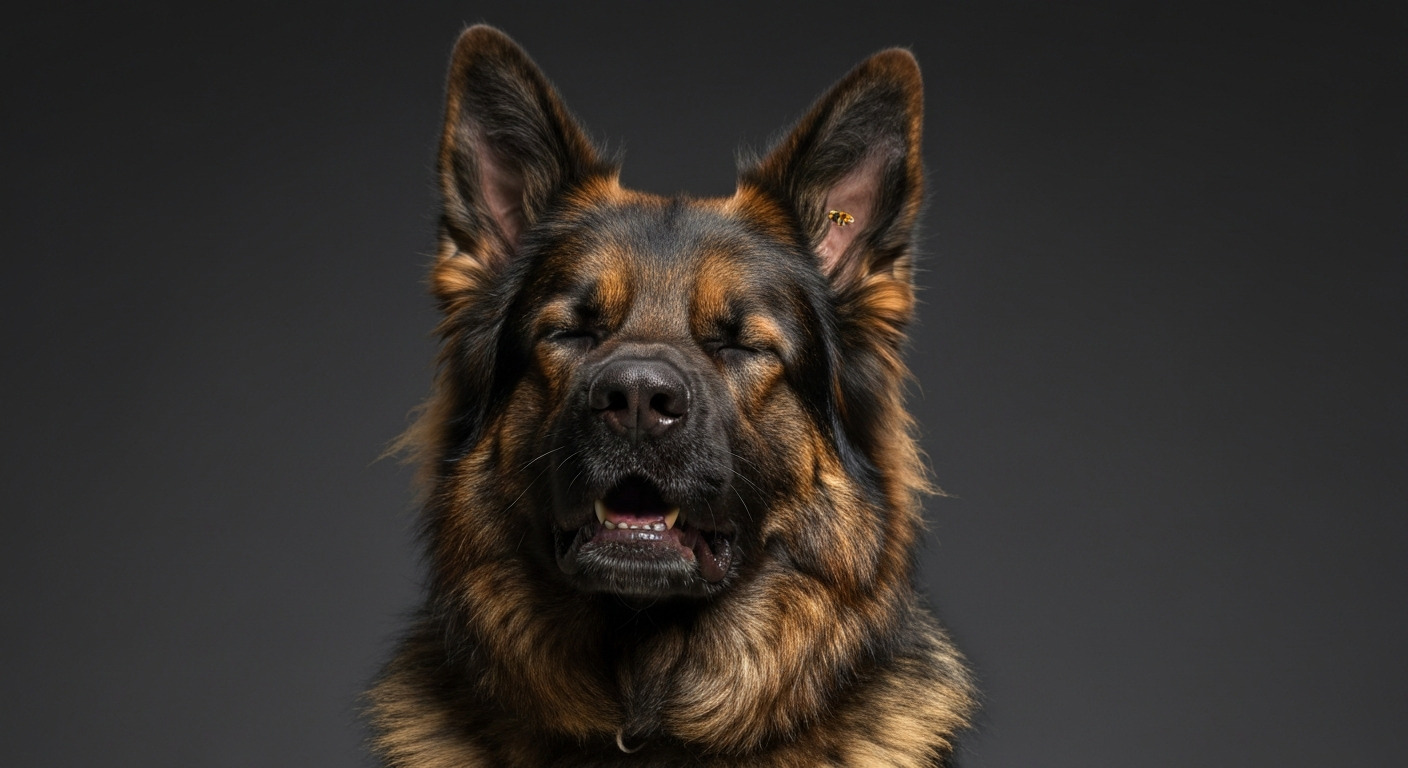

Your dog is squinting both eyes because something is causing pain, irritation, or discomfort—most commonly conjunctivitis, dry eye, corneal injury, allergies, or a foreign body like dust or debris lodged under the eyelids.
Squinting (called blepharospasm in veterinary medicine) is your dog's protective reflex when their eyes hurt. Unlike squinting one eye, which usually points to a problem on that specific side, bilateral squinting often signals a systemic issue, environmental irritant, or condition affecting both eyes simultaneously. While some causes resolve on their own within hours, others—like glaucoma or uveitis—can lead to permanent vision loss within 24 to 48 hours if left untreated.
| ✓Our Pick |
Emergency vet fund with 24/7 online vet access for sudden symptoms Trusted by professionals and everyday users alike — a smart investment that pays for itself. Learn More → |
When your dog squints both eyes, the cause typically falls into one of seven categories—ranging from minor irritation that clears up on its own to serious conditions requiring immediate veterinary care.
Understanding which category your dog's symptoms fit into helps you decide whether to wait and observe, try home care, or head to the emergency vet.
Conjunctivitis is the most common cause of bilateral eye squinting in dogs. This inflammation of the conjunctiva (the pink tissue lining the eyelids and covering the white of the eye) causes redness, discharge, and discomfort in both eyes.
You'll notice your dog pawing at their face, discharge that may be clear, yellow, or green, and redness around the eye margins. Bacterial conjunctivitis produces thick, colored discharge. Viral conjunctivitis often accompanies upper respiratory symptoms. Allergic conjunctivitis causes watery discharge and intense itching.
"Conjunctivitis in dogs can be caused by bacterial infections, viral infections, allergies, or irritants. It can affect one or both eyes and is characterized by redness, discharge, and squinting." — American Kennel Club Canine Health Foundation
Keratoconjunctivitis sicca (KCS), commonly called dry eye, occurs when your dog's tear glands don't produce enough moisture. Without adequate lubrication, the cornea becomes irritated and painful, causing persistent squinting.
Breeds predisposed to dry eye include Cocker Spaniels, Bulldogs, Pugs, Shih Tzus, and West Highland White Terriers. Signs include thick, stringy mucus discharge, dull or cloudy corneas, and frequent blinking. Dry eye is a chronic condition requiring lifelong management, but it's very treatable once diagnosed.
Grass seeds, sand, dust, plant material, or even loose eyelashes can become trapped under your dog's eyelids. This causes immediate bilateral squinting if both eyes are affected, or squinting in one eye if the debris is localized.
Dogs who've been running through tall grass, playing at the beach, or exposed to dusty environments are most at risk. You might see your dog rubbing their face on furniture or carpet, excessive tearing, and reluctance to open their eyes fully.
Environmental allergies (pollen, mold, dust mites) and food allergies can cause itchy, watery, swollen eyes. Allergic reactions often affect both eyes equally and may worsen during specific seasons.
Beyond squinting, allergic dogs often have concurrent symptoms: itchy ears, paw licking, skin redness, and sneezing. If your dog's eye squinting coincides with scratching other body parts, allergies are a strong possibility.
Corneal ulcers and abrasions cause intense pain and immediate squinting. Dogs can scratch their corneas during play, from contact with vegetation, or even from their own paws if they rub at an itchy eye.
A corneal injury typically affects one eye, but bilateral corneal damage can occur from chemical exposure, extreme dry conditions, or trauma affecting both sides of the face. Signs include excessive tearing, cloudiness over the eye, and severe light sensitivity.
Glaucoma is a medical emergency. It occurs when fluid pressure inside the eye increases, causing severe pain and rapid vision loss. While glaucoma often starts in one eye, it frequently progresses to affect both.
Warning signs include a visibly enlarged or bulging eye, cloudy or bluish cornea, dilated pupil that doesn't respond to light, and lethargy or loss of appetite from pain. Breeds at higher risk include Cocker Spaniels, Basset Hounds, Beagles, and Siberian Huskies.
"Glaucoma is painful and can cause blindness within 24-48 hours if left untreated. Any dog showing signs of eye pain, including squinting, redness, or cloudiness, should be seen by a veterinarian immediately." — American College of Veterinary Ophthalmologists
Uveitis is inflammation inside the eye itself. It can result from infections (bacterial, viral, fungal, or parasitic), immune-mediated diseases, trauma, or cancer. Bilateral uveitis often indicates a systemic illness affecting the whole body.
Dogs with uveitis have small, constricted pupils, redness, cloudiness, and severe sensitivity to light. They may hide in dark areas and resist having their face touched.
| ✓Quick Fix |
What Actually Works for This, Fast A fast first step before anything more expensive or time-consuming — worth a look right now. See on Amazon → |
Single-eye squinting usually indicates a localized problem—like debris in that specific eye or an injury on one side—while bilateral squinting more often points to systemic conditions, environmental irritants, or diseases affecting both eyes.
| Symptom Pattern | More Likely Causes | Urgency Level |
|---|---|---|
| One eye squinting | Foreign body, corneal scratch, localized infection, eyelid problem | Moderate—see vet within 24 hours |
| Both eyes squinting | Allergies, dry eye, conjunctivitis, environmental irritant | Moderate—observe 12 hours, then see vet |
| Both eyes + cloudiness | Glaucoma, bilateral uveitis, cataracts | High—see vet same day |
| Both eyes + discharge | Conjunctivitis, dry eye, infection | Moderate—see vet within 24 hours |
| Both eyes + other symptoms | Systemic illness, tick-borne disease, autoimmune condition | High—see vet same day |
If your dog is only squinting one eye, carefully examine that side for visible debris, swelling, or discharge. A single-eye problem that doesn't improve within a few hours warrants veterinary attention, as corneal ulcers can worsen rapidly.
Also Read: Why Is My Dog Falling Over? 9 Causes & What to Do Now
A gentle home examination can help you identify obvious problems and give your vet useful information, but never delay professional care if your dog appears to be in significant pain.
Follow these steps to safely check your dog's eyes:
Choose good lighting. Natural daylight or a bright room helps you see clearly. Avoid shining a flashlight directly into your dog's eyes.
Keep your dog calm. Have a helper gently restrain your dog or wait until they're relaxed. Stressed dogs won't let you examine them properly.
Look at both eyes together. Compare them for symmetry. Are both pupils the same size? Is one eye more red or swollen than the other?
Check for discharge. Note the color and consistency—clear and watery suggests irritation or allergies; thick, yellow, or green suggests infection.
Examine the eyelids. Look for swelling, redness, lumps, or visible foreign objects along the eyelid margins.
Observe the cornea. The clear front surface should be shiny and transparent. Cloudiness, blue tint, or visible scratches indicate a problem.
Watch for pain responses. Does your dog flinch when you approach their face? Do they pull away when you try to look at their eyes?
Never attempt to remove an embedded foreign object yourself—you could cause serious damage. If you see something stuck in the eye or on the cornea, cover the eye with a damp cloth and head to the vet.
Certain symptoms indicate a veterinary emergency that cannot wait—delay could mean permanent blindness or life-threatening complications.
| 🐾Find a Vet |
Find a specialist vet near you VetClinic.info is a free directory of board-certified specialist vets across the US — find an orthopedic surgeon, oncologist, neurologist, or emergency clinic near you in seconds. Find Near You → |
Go to the emergency vet right away if your dog has:
Trust your instincts. If your dog seems to be in significant pain—hiding, refusing food, crying, or snapping when you approach their face—don't wait to see if it improves.
| ✓Our Pick | ||
 | ||
Premium nutrition for dogs with health concerns You'll wonder why you didn't try this sooner — practical, well-reviewed, and easy to get started.
|
For minor irritation without serious symptoms, gentle home care may help while you monitor whether a vet visit is needed.
If your dog has mild squinting with no cloudiness, no severe discharge, and no signs of significant pain:
Flush with saline. Use sterile saline solution (not contact lens solution with additives) to gently rinse both eyes. This can wash out minor debris.
Wipe away discharge. Use a clean, damp cotton ball to gently wipe from the inner corner outward. Use a fresh cotton ball for each eye.
Prevent rubbing. If your dog is pawing at their eyes, an Elizabethan collar (cone) prevents further damage.
Remove potential irritants. If you recently used new cleaning products, air fresheners, or your dog was in a smoky environment, improve air quality and ventilation.
Monitor closely. Check every few hours. Improvement within 12 to 24 hours is a good sign. Worsening symptoms mean it's time for the vet.
Never use human eye drops (especially those for redness reduction), expired medications, or leftover prescriptions from previous eye problems. These can cause serious harm.
Your vet will perform specific tests to diagnose the cause of your dog's squinting—treatment depends entirely on the underlying problem.
Expect your vet to:
Treatment varies by diagnosis:
| Condition | Typical Treatment |
|---|---|
| Bacterial conjunctivitis | Antibiotic eye drops, 7-14 days |
| Dry eye (KCS) | Cyclosporine or tacrolimus drops, lifelong |
| Corneal ulcer | Antibiotic drops, pain medication, possibly Elizabethan collar |
| Allergies | Antihistamines, environmental management, sometimes immunotherapy |
| Glaucoma | Emergency pressure-lowering medications, possible surgery |
| Uveitis | Anti-inflammatory drops, treatment of underlying cause |
| Foreign body | Removal under sedation, antibiotics to prevent infection |
Some dogs need referral to a veterinary ophthalmologist for complex cases, especially for conditions like glaucoma or deep corneal ulcers.
Also Read: Why Is My Dog's Snout Swollen? 8 Causes & What to Do
Regular care and environmental awareness can reduce your dog's risk of eye problems, though some conditions are genetic and can't be fully prevented.
Practical prevention tips:
For breeds predisposed to eye problems, discuss preventive screening with your vet. Early detection of conditions like dry eye or developing cataracts allows for better management.
When your dog squints both eyes, they're protecting themselves from pain or irritation caused by conditions ranging from simple allergies to serious emergencies like glaucoma. Mild squinting with clear discharge may resolve with home care, but cloudiness, severe discharge, swelling, or pain that doesn't improve within 24 hours requires veterinary attention. Glaucoma and uveitis can cause permanent blindness within 48 hours, so never ignore symptoms that seem severe. A quick vet visit can diagnose the problem, start appropriate treatment, and protect your dog's vision.
Single-eye squinting typically indicates a problem localized to that specific eye—most commonly a foreign body (like a grass seed or dust particle), a corneal scratch, an eyelid abnormality, or localized infection. Carefully examine the affected eye for visible debris, swelling, or discharge. If you don't see an obvious cause or the squinting persists beyond a few hours, schedule a vet visit to rule out corneal ulcers, which can worsen quickly without treatment.
No—most human eye drops are unsafe for dogs. Redness-relief drops contain vasoconstrictors that can harm your dog's eyes. Medicated drops may contain ingredients toxic to dogs or inappropriate for their specific condition. The only safe option is plain sterile saline solution (not contact lens solution with additives) for gentle flushing. For any actual treatment, use only medications prescribed by your vet for your dog's diagnosed condition.
Treat these as emergencies requiring same-day veterinary care: visible injury or blood in the eye, one or both eyes appearing larger or bulging, cloudiness or blue/gray film over the cornea, pupils of different sizes, squinting combined with lethargy or vomiting, or any eye symptoms following trauma. Also seek emergency care if your dog appears to be in severe pain—hiding, refusing food, or snapping when you approach their face.
Brachycephalic breeds (flat-faced dogs like Pugs, Bulldogs, Shih Tzus, and Boston Terriers) are most prone to eye problems due to their prominent eyes and shallow eye sockets. Cocker Spaniels are predisposed to dry eye and glaucoma. Basset Hounds and Bloodhounds may develop issues related to their droopy eyelids. Siberian Huskies and other northern breeds have higher rates of inherited eye conditions. If you own a predisposed breed, regular eye screening is especially important.
For mild squinting with no other symptoms—no cloudiness, no colored discharge, no visible injury—you can observe for 12 to 24 hours while providing gentle home care like saline rinses. If there's no improvement or symptoms worsen, see your vet. However, if you notice cloudiness, significant swelling, colored discharge, or your dog seems to be in pain, don't wait—schedule an appointment the same day or visit an emergency clinic.
Reviewed and Updated on June 20, 2026 by George Wright