
Technology
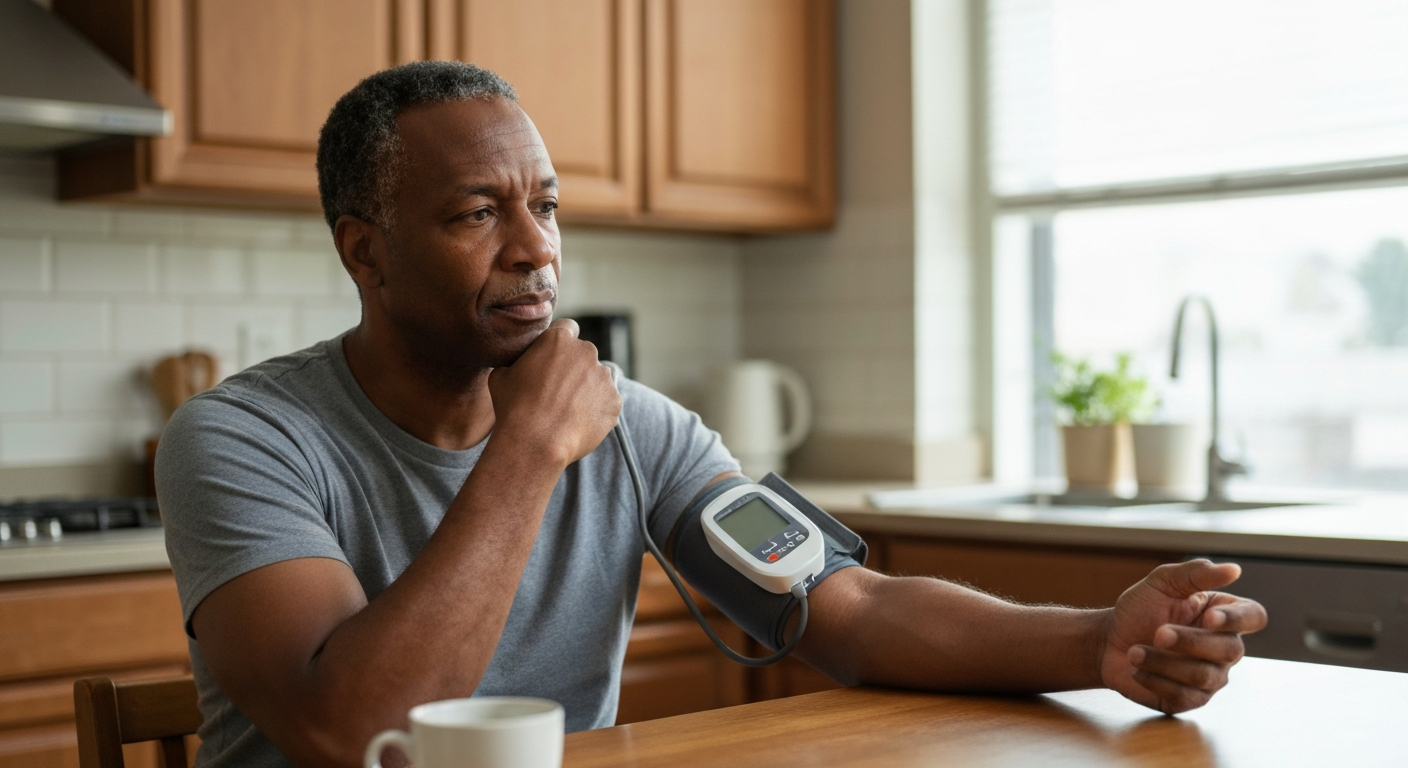

Your diastolic blood pressure is high because the smaller arteries in your body are staying too constricted between heartbeats, forcing blood to push harder against vessel walls even when your heart is resting—this is most commonly caused by chronic factors like excess sodium intake, lack of physical activity, being overweight, or stiffening of the arteries.
A high diastolic number (the bottom reading on your blood pressure measurement) signals that your cardiovascular system isn't relaxing properly between beats. While systolic pressure gets most of the attention, an elevated diastolic reading—especially one consistently above 80 mmHg—carries its own set of health risks and often points to different underlying causes than high systolic pressure alone.
The diastolic reading captures the pressure in your arteries during the brief pause between heartbeats, when your heart muscle relaxes and refills with blood.
Your blood pressure reading consists of two numbers: systolic (top) and diastolic (bottom). The systolic number measures peak pressure when your heart contracts and pumps blood out. The diastolic number measures the baseline pressure that remains in your arteries when your heart is at rest.
Think of it like a garden hose. Systolic pressure is the surge when you squeeze the nozzle; diastolic pressure is the water pressure that remains in the hose even when you let go. If that baseline pressure stays too high, it means your blood vessels aren't relaxing enough—and that constant strain damages vessel walls over time.
| Blood Pressure Category | Systolic (mmHg) | Diastolic (mmHg) |
|---|---|---|
| Normal | Less than 120 | Less than 80 |
| Elevated | 120–129 | Less than 80 |
| High Blood Pressure Stage 1 | 130–139 | 80–89 |
| High Blood Pressure Stage 2 | 140 or higher | 90 or higher |
| Hypertensive Crisis | Higher than 180 | Higher than 120 |
According to the American Heart Association, "Diastolic blood pressure has been and remains a key marker of cardiovascular risk, particularly in adults under 50 years of age."
Isolated diastolic hypertension (where only the bottom number is elevated) typically results from increased resistance in the smaller arteries, often driven by lifestyle factors, hormonal changes, or underlying health conditions.
Yes—and it's one of the most direct connections. When you consume too much sodium, your body retains extra water to dilute it. This increases blood volume, which raises pressure throughout your entire circulatory system. The effect is particularly pronounced on diastolic pressure because the added fluid volume keeps baseline pressure elevated even between heartbeats.
The average American consumes about 3,400 mg of sodium daily—far exceeding the recommended 2,300 mg limit (and the ideal 1,500 mg for those with hypertension).
Carrying excess weight, especially around your midsection, forces your heart to work harder to pump blood through additional tissue. Fat tissue also releases inflammatory compounds that cause blood vessels to constrict. This combination elevates diastolic pressure specifically because it increases the resistance blood faces when trying to flow through smaller vessels.
Research from the CDC shows that losing just 5–10% of body weight can produce measurable reductions in blood pressure.
A sedentary lifestyle allows your blood vessels to lose flexibility. Regular physical activity keeps arteries supple and responsive, helping them dilate and constrict as needed. Without that conditioning, vessels stay more rigid, maintaining higher baseline pressure.
"Physical activity improves the ability of blood vessels to dilate in response to exercise or hormones, directly reducing vascular resistance." — Dr. Paul Whelton at Tulane University School of Public Health
| ✓Our Pick |
Clinically backed supplements for heart and circulatory health Simple to use and genuinely effective — for many people this is all they ever needed. Learn More → |
When you're stressed, your body releases cortisol and adrenaline. These hormones cause blood vessels to constrict and your heart to beat faster. Occasional stress causes temporary spikes that return to normal. But chronic, unrelenting stress keeps these hormones circulating, maintaining elevated vascular resistance around the clock.
Alcohol affects blood pressure through multiple mechanisms: it activates the sympathetic nervous system, interferes with blood pressure-regulating hormones, and can lead to weight gain. Regular heavy drinking (more than two drinks daily for men, one for women) is strongly associated with sustained diastolic hypertension.
Caffeine can cause a short-term spike in both systolic and diastolic pressure, typically lasting 1–3 hours. For most people, this temporary effect doesn't translate to chronic hypertension. However, if you're caffeine-sensitive or consuming large amounts (more than 400 mg daily), it can contribute to consistently elevated diastolic readings.
Sleep apnea causes repeated drops in blood oxygen throughout the night. Each time oxygen falls, your body triggers a stress response that constricts blood vessels. Over time, these repeated episodes lead to sustained vascular changes that keep diastolic pressure high even during waking hours.
Studies indicate that up to 50% of people with obstructive sleep apnea have hypertension, with diastolic elevation being particularly common.
An underactive thyroid (hypothyroidism) slows your metabolism and can cause blood vessels to stiffen. This directly increases diastolic pressure. Conversely, an overactive thyroid (hyperthyroidism) tends to raise systolic pressure more than diastolic. If your diastolic number is high while systolic stays relatively normal, hypothyroidism may be worth investigating.
Several common medications can raise diastolic blood pressure:
Also Read: Why Is My Elbow Popping? 6 Causes & When to Worry
If your systolic pressure is normal but your diastolic reading consistently exceeds 80 mmHg, you have isolated diastolic hypertension (IDH)—a condition more common in younger adults and often linked to modifiable lifestyle factors.
IDH is relatively rare compared to other forms of hypertension, affecting roughly 6–10% of people with high blood pressure. It tends to occur more frequently in people under 50 and is strongly associated with:
The good news is that because IDH is so closely tied to lifestyle factors, it often responds well to non-medication interventions. However, leaving it untreated carries real risks—IDH has been linked to increased risk of aortic aneurysm, heart attack, and kidney disease.
Lifestyle modifications can lower diastolic blood pressure by 5–15 mmHg within weeks—sometimes enough to bring readings back into normal range without medication.
Aim for less than 2,300 mg daily, ideally under 1,500 mg if your diastolic is elevated. This typically means:
- Cooking at home instead of eating out
- Reading nutrition labels (watch for "hidden" sodium in bread, cheese, and canned goods)
- Using herbs and spices instead of salt
The American Heart Association recommends at least 150 minutes of moderate-intensity aerobic activity weekly. For diastolic-specific benefits, consider:
- Brisk walking (30 minutes, 5 days per week)
- Swimming or cycling
- Resistance training 2–3 times weekly
"Aerobic exercise training has been shown to reduce resting blood pressure by an average of 5–8 mmHg among adults with hypertension." — American College of Cardiology
Each 2.2 pounds (1 kg) of weight loss correlates with roughly a 1 mmHg reduction in blood pressure. Focus on sustainable changes rather than crash diets—gradual weight loss maintained over time produces better blood pressure outcomes.
The Dietary Approaches to Stop Hypertension (DASH) diet emphasizes:
| Food Group | Daily Servings |
|---|---|
| Grains | 6–8 |
| Vegetables | 4–5 |
| Fruits | 4–5 |
| Low-fat dairy | 2–3 |
| Lean meats | 6 oz or less |
| Nuts and seeds | 4–5 per week |
Studies show the DASH diet alone can lower blood pressure by 8–14 mmHg.
Keep alcohol consumption moderate (one drink per day for women, two for men). For stress management, research supports:
- Deep breathing exercises
- Meditation (even 10 minutes daily shows benefits)
- Regular sleep schedule
- Social connection
Also Read: Why Is My Bladder So Small? 7 Causes & How to Fix It
Seek medical evaluation if your diastolic reading is consistently above 80 mmHg on multiple occasions, especially if you're experiencing symptoms like headaches, shortness of breath, or chest discomfort.
Schedule an appointment if:
- Your diastolic is consistently 80–89 mmHg (Stage 1 hypertension)
- Lifestyle changes haven't lowered your numbers after 3 months
- You're under 40 with elevated diastolic (may indicate secondary causes)
- You have diabetes, kidney disease, or other cardiovascular risk factors
Seek emergency care immediately if your diastolic exceeds 120 mmHg, especially with symptoms like severe headache, chest pain, difficulty breathing, vision changes, or confusion. This constitutes a hypertensive crisis requiring urgent treatment.
Your doctor may order tests to rule out secondary causes:
- Kidney function tests (blood creatinine, urinalysis)
- Thyroid panel
- Sleep study if apnea is suspected
- Adrenal hormone tests in younger patients
Home monitoring is now considered essential for accurate blood pressure assessment—a single clinic reading can't capture the full picture.
When measuring at home:
- Sit quietly for 5 minutes before measuring
- Keep your arm supported at heart level
- Take 2–3 readings, 1 minute apart, and record all of them
- Measure at the same time each day (morning and evening are ideal)
- Avoid caffeine, exercise, and smoking for 30 minutes beforehand
Share your home readings with your doctor—they're often more reliable than clinic measurements and can help distinguish true hypertension from "white coat" hypertension caused by medical office anxiety.
High diastolic blood pressure means your arteries aren't relaxing properly between heartbeats, most commonly due to excess sodium, lack of exercise, being overweight, chronic stress, or stiffening blood vessels. Unlike systolic hypertension, isolated diastolic elevation often responds dramatically to lifestyle changes—reducing sodium, losing weight, exercising regularly, and managing stress can lower your diastolic by 5–15 mmHg without medication. If your diastolic consistently reads above 80 mmHg despite lifestyle modifications, or if you're under 40 with elevated readings, see a doctor to rule out underlying conditions like thyroid problems or sleep apnea.
This pattern, called isolated diastolic hypertension, typically occurs when smaller arteries throughout your body maintain too much resistance. It's most common in adults under 50 and strongly associated with lifestyle factors like high sodium intake, excess weight (especially abdominal fat), lack of exercise, and heavy alcohol use. Because the larger arteries are still relatively flexible, systolic pressure stays controlled—but the smaller vessels are already showing strain.
Morning blood pressure tends to be higher because your body releases hormones like cortisol and adrenaline as you wake up, naturally preparing you for activity. If your diastolic is significantly elevated specifically in the morning, it could also indicate untreated sleep apnea (which causes repeated stress responses overnight) or that your blood pressure medication (if you take any) is wearing off before your next dose.
In people under 40, high diastolic pressure often points to modifiable risk factors: obesity, high sodium diet, sedentary lifestyle, or excessive alcohol consumption. However, it can also indicate secondary hypertension—high blood pressure caused by an underlying condition like kidney disease, thyroid disorders, or hormonal imbalances. Younger adults with isolated diastolic hypertension should be evaluated for these secondary causes.
Dehydration can temporarily raise blood pressure because reduced blood volume triggers your body to constrict blood vessels to maintain adequate pressure. However, chronic dehydration isn't typically a cause of sustained diastolic hypertension. If your diastolic is consistently high, other factors are more likely responsible. Proper hydration supports overall cardiovascular health but won't cure hypertension on its own.
Many people see improvements within 2–4 weeks of making significant changes, particularly with sodium reduction. Exercise benefits typically appear within 1–3 months of consistent activity. The DASH diet combined with sodium restriction can lower blood pressure by 8–14 mmHg. However, individual responses vary—some people are more "salt-sensitive" than others, and those with long-standing hypertension may need more time or medication in addition to lifestyle changes.
Reviewed and Updated on June 11, 2026 by George Wright