
Technology
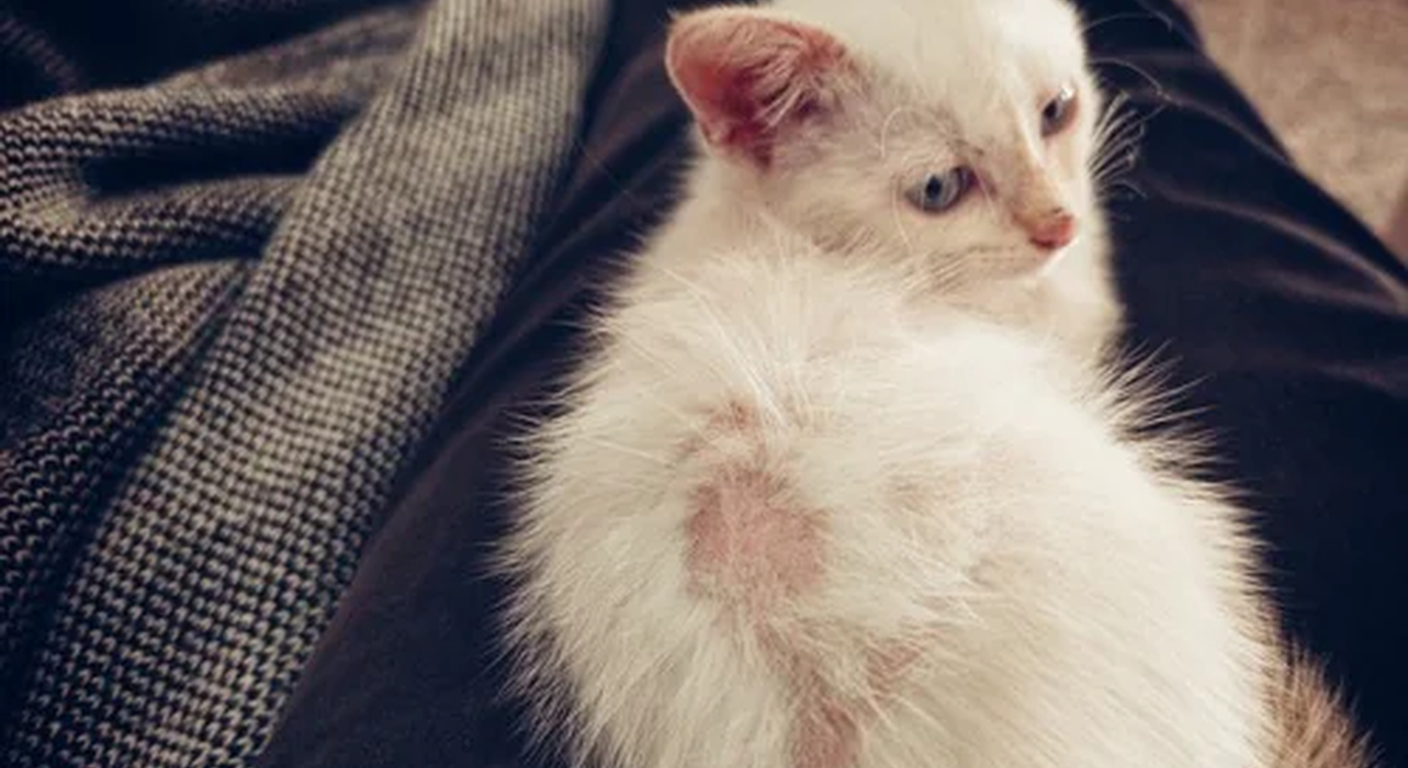

Your cat is likely losing hair due to one of seven common causes: allergies, parasites (fleas or mites), stress-related overgrooming, fungal infections like ringworm, hormonal imbalances, poor nutrition, or an underlying medical condition requiring veterinary attention.
Noticing bald patches or thinning fur on your cat can be alarming. The good news is that most causes of feline hair loss—called alopecia—are treatable once you identify the root problem. Some cats lose hair in localized spots, while others experience diffuse thinning across their body. The pattern, location, and accompanying symptoms all offer clues to what's happening beneath the surface.
| ✓Our Pick |
Top-Rated Cat Allergy & Skin Health Supplements on Amazon Save yourself the frustration — a proven solution with consistently positive feedback from real buyers. See on Amazon → |
| ✓Our Pick |
MeoWant automatic pet feeder & water fountain — keep your cat or dog fed and hydrated on schedule, even when you're away You'll wonder why you didn't try this sooner — practical, well-reviewed, and easy to get started. Learn More → |
Hair loss in cats typically stems from allergies, parasites, stress, infections, hormonal issues, nutritional deficiencies, or underlying diseases—and identifying the pattern of hair loss helps pinpoint the cause.
Understanding why your cat is losing fur requires looking at where the hair loss occurs, whether your cat seems itchy, and what other symptoms accompany the balding. Let's examine each major cause in detail.
Allergies are the leading cause of feline hair loss. Cats can develop allergic reactions to environmental triggers, food ingredients, or flea saliva. When a cat's immune system overreacts to an allergen, it triggers intense itching. Your cat then scratches, licks, or chews the affected area until the fur falls out or breaks off.
Environmental allergies (atopic dermatitis) often cause hair loss around the face, ears, and paws. Food allergies typically affect the head and neck area. Flea allergy dermatitis—a reaction to flea saliva—usually creates hair loss along the lower back, tail base, and inner thighs.
"Flea allergy dermatitis is the most common skin disease in cats. A single flea bite can trigger an intense allergic reaction that lasts for weeks." — Dr. William Miller Jr. at Cornell University College of Veterinary Medicine
You might notice your cat has red, irritated skin beneath the missing fur. Small scabs or bumps called miliary dermatitis often accompany allergic hair loss.
Parasites cause significant hair loss in cats, even when you don't see the bugs themselves. Fleas hide in fur and bedding, and indoor cats can still get them. A single flea can bite your cat hundreds of times per day, causing relentless itching.
Ear mites typically cause hair loss around the ears and head from constant scratching. Demodex mites burrow into hair follicles and can create patchy baldness, especially around the eyes and face. Cheyletiella mites (walking dandruff) cause flaky skin and hair loss along the back.
Signs of parasitic hair loss include:
Also Read: Why Is My Cat Being Sick? Causes & When to Worry
Psychogenic alopecia occurs when cats groom themselves excessively due to anxiety, stress, or boredom. This is grooming taken to an extreme—your cat literally licks the fur right off. The resulting hair loss typically appears on the belly, inner thighs, and flanks, where cats can easily reach.
Common stress triggers include:
The bald areas from overgrooming usually have smooth, stubbled skin rather than raw or irritated patches. If you watch closely, you may catch your cat in the act of obsessive licking.
Despite its name, ringworm is a fungal infection, not a worm. It's highly contagious and can spread to other pets and humans. Ringworm creates circular patches of hair loss with scaly, crusty edges. The center may appear clearer while the outer ring looks red and inflamed.
Common locations for ringworm include the head, ears, and front legs. Some cats carry ringworm without obvious symptoms, while others develop widespread hair loss. Kittens, senior cats, and immunocompromised cats are most susceptible.
"Ringworm is one of the most common infectious skin diseases in cats. The classic 'ring' appearance doesn't always occur, making diagnosis tricky without proper testing." — Dr. Karen Moriello at University of Wisconsin School of Veterinary Medicine
Your vet can diagnose ringworm using a Wood's lamp (UV light), fungal culture, or skin scraping.
Hormonal imbalances affect fur growth and quality. Hyperthyroidism—an overactive thyroid gland—is common in older cats and can cause a dull, unkempt coat with patchy hair loss. Affected cats often drink excessively, lose weight despite eating more, and seem hyperactive.
Cushing's disease (hyperadrenocorticism) is rare in cats but causes hair loss, thin skin, and a pot-bellied appearance. Diabetes can also affect coat quality, causing fur to become dry and prone to falling out.
Hormonal hair loss typically looks different from allergic hair loss. The skin underneath is often normal—not red or itchy—and the hair loss tends to be symmetrical on both sides of the body.
| ✓Our Pick |
Cat Calming Treats & Anxiety Relief Products on Amazon One of the highest-rated products in its category — a reliable fix used by thousands of people. See on Amazon → |
Nutritional deficiencies directly impact coat health. Cats require adequate protein, essential fatty acids, and specific vitamins for healthy fur growth. A diet lacking in omega-3 and omega-6 fatty acids leads to dry, brittle fur that breaks and falls out easily.
Signs of nutritionally-related hair loss include:
Most quality commercial cat foods provide complete nutrition. However, cats on homemade diets, very cheap foods, or those with digestive disorders may develop deficiencies.
Several underlying diseases manifest through hair loss. Autoimmune disorders like pemphigus cause the immune system to attack hair follicles and skin cells. Skin cancer and other tumors can create localized bald patches. Certain medications, particularly chemotherapy drugs, cause hair loss as a side effect.
Sebaceous adenitis—inflammation of the oil glands—leads to scaly skin and hair loss. Some cats develop alopecia areata, where the immune system attacks hair follicles in circular patches.
If your cat's hair loss accompanies other symptoms like lethargy, weight changes, vomiting, or behavioral shifts, a comprehensive veterinary workup is essential.
| ✓Our Pick |
Petcube Emergency Fund — 24/7 vet access + $3,000 emergency coverage for your pet Trusted by professionals and everyday users alike — a smart investment that pays for itself. Learn More → |
Healthy cats shed year-round, but abnormal hair loss creates visible bald patches, leaves irritated skin, or occurs suddenly and excessively.
All cats shed as part of their natural hair growth cycle. Indoor cats tend to shed consistently throughout the year because artificial lighting disrupts seasonal cycles. Outdoor cats often shed more heavily in spring and fall.
| Feature | Normal Shedding | Abnormal Hair Loss |
|---|---|---|
| Pattern | Even, all-over thinning | Bald patches or localized areas |
| Skin appearance | Normal, healthy skin beneath | Red, scaly, crusty, or irritated |
| Timing | Gradual, seasonal increases | Sudden onset or rapid progression |
| Cat's behavior | Normal grooming habits | Excessive licking, scratching, or chewing |
| Regrowth | Fur grows back normally | Fur slow to return or doesn't regrow |
| Accompanying symptoms | None | Itching, scabs, skin changes, behavioral shifts |
If you're finding more fur than usual on furniture and clothing but your cat's coat looks full and healthy, that's likely normal shedding. Visible bald spots, however, always warrant investigation.
| ✓Our Pick |
Nextrition Pet — Premium Science-Backed Dog & Cat Food High-quality nutrition to support digestion, coat health, and energy. May offer: New customers get 20% off with code 🏷New customers: GARDEN26_20 (20% off) — Returning customers: GARDEN26_15 (15% off) — expires May 31 Learn More → |
Dogs lose hair for many of the same reasons as cats—allergies, parasites, hormonal imbalances, and skin infections—but dogs are also prone to breed-specific alopecia and pattern baldness.
If you also have a dog losing hair, the diagnostic approach is similar. Allergies remain the most common cause of canine hair loss, particularly flea allergy dermatitis, food allergies, and environmental allergies. Dogs frequently develop hot spots—moist, red patches of hair loss—from chewing at itchy areas.
Hormonal conditions like hypothyroidism cause symmetrical hair loss along the body, often sparing the head and legs. Cushing's disease appears more frequently in dogs than cats and causes thinning fur, a pot-bellied appearance, and increased thirst.
Some dog breeds are prone to genetic alopecia patterns. Dachshunds may develop pattern baldness on their ears. Bulldogs and Boston Terriers commonly lose hair on their flanks. These breed-related conditions are cosmetic and don't typically indicate illness.
Also Read: Why Is My Dog's Eye Red? Causes & When to Worry (2026)
Seek veterinary care if your cat's hair loss is sudden, spreading, accompanied by skin irritation, or paired with other symptoms like weight loss, appetite changes, or behavioral shifts.
| 🐾Find a Vet |
Find a specialist vet near you VetClinic.info is a free directory of board-certified specialist vets across the US — find an orthopedic surgeon, oncologist, neurologist, or emergency clinic near you in seconds. Find Near You → |
Some hair loss resolves with simple interventions like flea treatment or diet changes. However, certain signs indicate a problem requiring professional diagnosis.
See your vet promptly if you notice:
Your vet will perform a physical examination and may recommend skin scrapings, fungal cultures, blood tests, allergy testing, or skin biopsies depending on the suspected cause.
Supporting your cat's skin and coat health involves flea prevention, stress reduction, proper nutrition, and environmental management—alongside any veterinary treatment.
Once your vet identifies the underlying cause, you can take several steps to support healing and prevent recurrence:
For allergy-related hair loss, eliminating triggers is key. Use veterinarian-recommended flea prevention year-round. Consider hypoallergenic bedding and air purifiers to reduce environmental allergens. If food allergies are suspected, your vet may recommend an elimination diet trial.
For stress-related overgrooming, environmental enrichment helps. Provide vertical spaces, hiding spots, interactive toys, and dedicated playtime. Pheromone diffusers like Feliway can reduce anxiety in multi-cat households.
For nutritional support, ensure your cat eats a complete, balanced diet appropriate for their life stage. Omega-3 fatty acid supplements can improve coat quality, but consult your vet before adding supplements.
| ✓Our Pick |
Vet-Recommended Flea Treatment for Cats on Amazon Simple to use and genuinely effective — for many people this is all they ever needed. See on Amazon → |
| Home Care Strategy | Best For | What to Do |
|---|---|---|
| Year-round flea prevention | All cats | Apply topical or oral preventative monthly |
| Omega-3 supplements | Dry, dull coats | Add fish oil to food (vet-recommended dose) |
| Environmental enrichment | Stressed cats | Add perches, toys, scratching posts, playtime |
| Regular grooming | Long-haired breeds | Brush 2-3 times weekly to detect issues early |
| Hypoallergenic diet trial | Suspected food allergy | 8-12 week strict elimination diet under vet guidance |
Cats lose hair for seven main reasons: allergies, parasites, stress-induced overgrooming, fungal infections like ringworm, hormonal imbalances, nutritional deficiencies, and underlying medical conditions. The pattern and location of hair loss—along with whether the skin appears irritated—helps identify the cause. Normal shedding is even and leaves healthy skin, while abnormal hair loss creates bald patches, redness, or skin changes. Dogs experience similar issues, with breed-specific patterns adding to the diagnostic picture. Most causes of feline hair loss are highly treatable once properly diagnosed, so don't delay seeking veterinary care if your cat's fur loss is sudden, spreading, or accompanied by other symptoms.
Patchy hair loss in dogs most commonly results from allergies, skin infections, or parasites like mange mites. Unlike even shedding, patches indicate localized inflammation or damage to hair follicles in specific areas. Bacterial and fungal skin infections create circular or irregular bald spots, while allergic reactions often affect the face, ears, paws, and belly. Hormonal conditions typically cause symmetrical hair loss on the flanks and body. Your vet can determine the cause through skin scrapings, cultures, or blood tests.
Yes, indoor cats absolutely can get fleas. Fleas enter homes on clothing, other pets, or through small openings. Even a single flea can cause significant hair loss in allergic cats. Indoor environments actually provide ideal flea breeding conditions—warm temperatures and humidity year-round. If your indoor cat is losing hair, especially along the lower back or tail base, a flea infestation should be ruled out before assuming other causes.
In most cases, yes. Once the underlying cause is treated, fur typically regrows within 3 to 6 months. Hair regrowth may be faster for nutritional or stress-related causes and slower for hormonal or autoimmune conditions. However, if hair follicles are permanently damaged by scarring, infection, or certain autoimmune diseases, fur may not return in those areas. Consistent treatment and follow-up with your vet ensures the best chance of full coat recovery.
Some causes of cat hair loss can affect humans. Ringworm is highly contagious and spreads through direct contact or contaminated objects like bedding and brushes. Humans develop round, red, itchy patches on their skin. Certain mites can also temporarily bite humans, causing itchy bumps. Allergies, hormonal conditions, and stress-related overgrooming are not contagious. If multiple family members or pets develop skin symptoms alongside your cat's hair loss, seek prompt medical and veterinary attention.
Stress-related hair loss (psychogenic alopecia) has distinctive features. The bald areas typically appear on the belly, inner thighs, and flanks—places your cat can easily reach while grooming. The underlying skin usually looks normal rather than red or irritated. You may observe your cat excessively licking these areas, especially during quiet times. Stress-related hair loss often begins after environmental changes like moving, new pets, or schedule disruptions. Your vet may diagnose psychogenic alopecia after ruling out medical causes.
Reviewed and Updated on April 14, 2026 by George Wright