
Technology
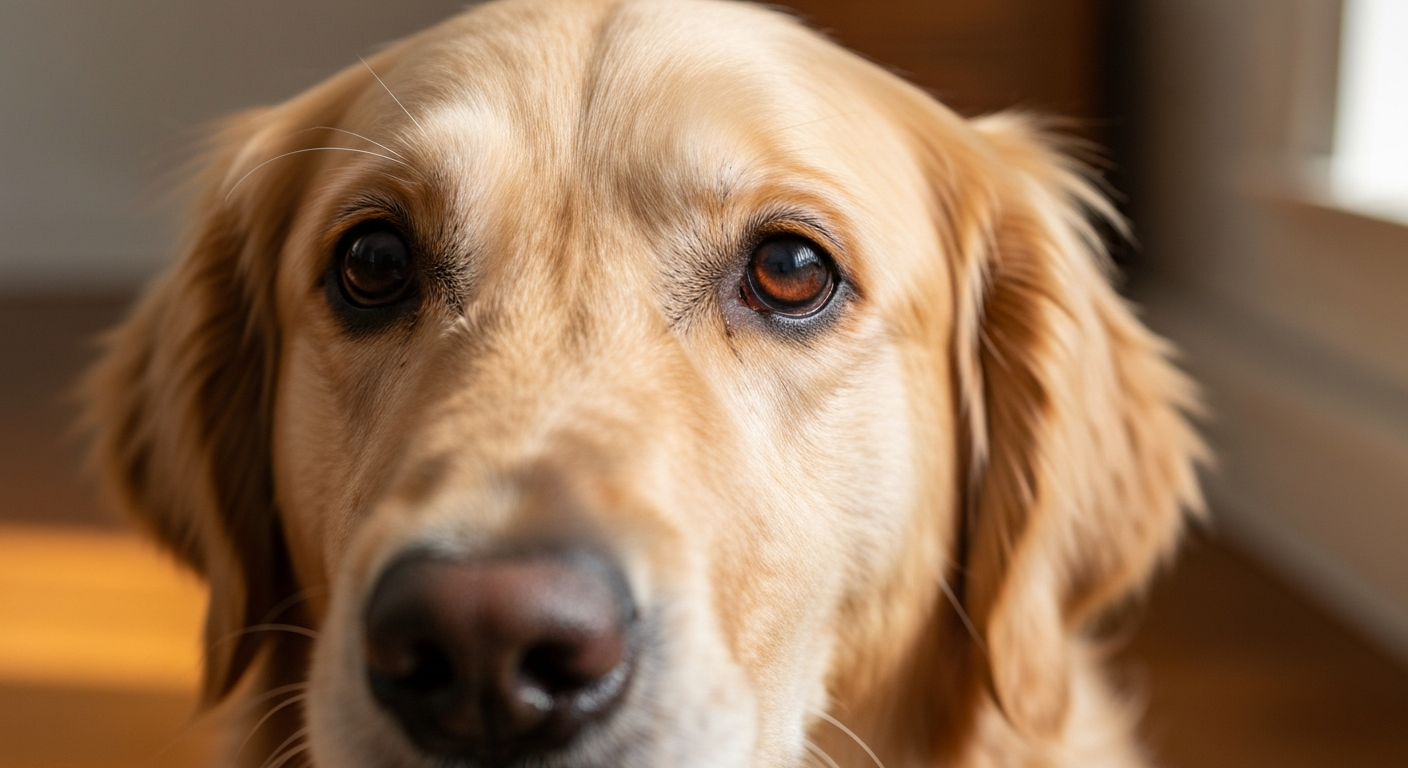

Your dog's eye is red because of irritation, inflammation, or infection affecting the eye's surface, internal structures, or surrounding tissues. The most common causes include conjunctivitis (pink eye), allergies, foreign objects, dry eye, corneal scratches, and glaucoma. While some causes are minor and resolve on their own, others—like glaucoma or deep corneal ulcers—require urgent veterinary care to prevent permanent vision loss. If your dog's red eye is accompanied by discharge, squinting, cloudiness, or behavioural changes, schedule a vet appointment within 24 to 48 hours.
| ✓Our Pick |
Top Rated Dog Eye Wash Solutions on Amazon A top-rated pick that works — readers who tried this reported noticeable improvement within days. See on Amazon → |
Red eyes in dogs result from blood vessel dilation in response to irritation, inflammation, or increased pressure within the eye—and identifying the underlying cause determines whether home care is sufficient or veterinary intervention is necessary.
Dogs can develop red eyes from dozens of conditions, but most cases fall into a handful of categories. Understanding these helps you assess severity and respond appropriately.
Conjunctivitis is inflammation of the conjunctiva, the thin membrane covering the white of the eye and inner eyelids. In dogs, it causes redness, swelling, discharge (clear, yellow, or green), and excessive blinking. Bacterial, viral, and allergic forms exist, each requiring different treatment approaches.
Bacterial conjunctivitis typically produces thick yellow-green discharge and may affect one or both eyes. Allergic conjunctivitis usually involves both eyes with clear, watery discharge and itching. Viral conjunctivitis often accompanies upper respiratory symptoms like sneezing or nasal discharge.
Seasonal allergies, dust, pollen, mould, and household chemicals frequently cause red, itchy eyes in dogs. You'll often notice your dog pawing at their face or rubbing their head against furniture. The redness tends to affect both eyes equally and may coincide with skin irritation elsewhere on the body.
"Environmental allergies are one of the most common causes of chronic conjunctivitis in dogs. Unlike humans who typically get respiratory symptoms, dogs often show allergies through their skin and eyes first." — Dr. Kathryn Primm at Applebrook Animal Hospital
Grass seeds, dust, sand, or small debris can become trapped under the eyelid or embedded in the cornea. Dogs who run through tall grass, stick their heads out of car windows, or play roughly with other animals are particularly prone to eye injuries. Corneal scratches from another pet's claw or a branch are also common.
Signs of a foreign body include sudden onset of redness, excessive tearing, squinting, and pawing at one eye specifically. The affected eye may appear half-closed, and your dog may resist you examining it.
Dry eye occurs when tear production is insufficient to keep the cornea lubricated. Without adequate moisture, the eye becomes chronically irritated, red, and prone to infection. Over time, untreated dry eye leads to corneal scarring and vision impairment.
Certain breeds—including Cavalier King Charles Spaniels, English Bulldogs, Cocker Spaniels, and West Highland White Terriers—are genetically predisposed to dry eye. The condition can also develop after certain medications, infections, or immune system disorders.
Also Read: Why Is My Dog Sneezing So Much? Causes, Vet Advice, and Solutions
| ✓Our Pick |
Petcube Emergency Fund — 24/7 vet access + $3,000 emergency coverage for your pet Trusted by professionals and everyday users alike — a smart investment that pays for itself. Learn More → |
Some causes of red eyes in dogs are medical emergencies—glaucoma, uveitis, and deep corneal ulcers can cause permanent blindness within hours to days if left untreated.
While most red eye cases are minor, certain conditions demand immediate veterinary attention. Recognising the warning signs can save your dog's vision.
Glaucoma occurs when fluid pressure inside the eye increases, damaging the optic nerve. It's extremely painful and can cause irreversible blindness within 24 to 48 hours of onset.
Signs of glaucoma include:
- Intense redness, often with a bluish or cloudy cornea
- Visibly enlarged or bulging eye
- Dilated pupil that doesn't respond to light
- Severe pain (whimpering, lethargy, loss of appetite)
- Sudden vision loss (bumping into objects)
Certain breeds have higher glaucoma risk, including Beagles, Basset Hounds, Samoyeds, and Siberian Huskies. If you suspect glaucoma, seek emergency veterinary care immediately—this is not a "wait and see" situation.
Uveitis is inflammation of the uvea, the eye's middle layer containing blood vessels. It causes deep, aching pain and can result from infections, immune disorders, trauma, or cancer. Unlike conjunctivitis, which affects the outer eye, uveitis involves internal structures.
Dogs with uveitis often have a constricted pupil (opposite of glaucoma), cloudiness within the eye, sensitivity to light, and reluctance to open the affected eye. The redness may appear deeper or darker than typical conjunctivitis.
A corneal ulcer is an open sore on the eye's surface. Shallow ulcers from minor scratches often heal with antibiotic drops, but deep or infected ulcers can perforate the cornea, causing permanent damage or requiring surgical intervention.
"Corneal ulcers are one of the most common eye emergencies we see. Dogs with flat faces—like Pugs, Shih Tzus, and French Bulldogs—are especially vulnerable because their prominent eyes are more exposed to injury." — Dr. Michael Davidson at Texas A&M College of Veterinary Medicine
| ✓Our Pick |
Dog Eye Care Drops for Infection and Irritation on Amazon Simple to use and genuinely effective — for many people this is all they ever needed. See on Amazon → |
| ✓Our Pick |
Nextrition Pet — Premium Science-Backed Dog & Cat Food High-quality nutrition to support digestion, coat health, and energy. May offer: New customers get 20% off with code 🏷New customers: GARDEN26_20 (20% off) — Returning customers: GARDEN26_15 (15% off) — expires May 31 Learn More → |
A systematic home examination helps you determine whether your dog needs emergency care, a routine vet appointment, or simple monitoring.
Before panicking, take five minutes to evaluate your dog's eye carefully. Good lighting and a calm environment make this easier.
Compare both eyes: Is the redness in one eye or both? Unilateral (one-sided) redness often indicates injury, foreign body, or localised infection, while bilateral redness suggests allergies, systemic illness, or dry eye.
Check for discharge: Note the colour and consistency. Clear and watery suggests allergies or mild irritation. Yellow or green indicates bacterial infection. Thick, mucoid discharge points to dry eye.
Assess the cornea: Look for cloudiness, blue tint, or visible scratches. A cloudy cornea is a red flag requiring prompt veterinary evaluation.
Examine pupil size: Are both pupils the same size? A constricted pupil suggests uveitis; a dilated pupil that doesn't respond to light suggests glaucoma.
Watch for squinting: Excessive squinting or holding the eye closed indicates significant pain, often from ulcers, foreign bodies, or elevated pressure.
Check for swelling: Puffy eyelids may indicate allergic reaction, infection, or insect sting.
| Symptom | Likely Causes | Urgency Level |
|---|---|---|
| Mild redness, both eyes, clear discharge | Allergies, mild irritation | Monitor 24-48 hours |
| Redness, yellow-green discharge | Bacterial conjunctivitis | Vet within 24-48 hours |
| Sudden redness, squinting, pawing at eye | Foreign body, corneal scratch | Same-day vet visit |
| Red eye with cloudy or blue cornea | Glaucoma, corneal ulcer | Emergency—immediate care |
| Red eye, bulging appearance, dilated pupil | Acute glaucoma | Emergency—immediate care |
| Redness with constricted pupil, light sensitivity | Uveitis | Same-day vet visit |
Treatment depends entirely on the underlying cause—what works for allergies may worsen an ulcer, so accurate diagnosis must come before treatment.
Never apply human eye drops or medications to your dog's eyes without veterinary guidance. Some common human products contain ingredients toxic to dogs, and steroid-containing drops can catastrophically worsen corneal ulcers.
Your veterinarian will perform diagnostic tests—including fluorescein stain (to detect ulcers), tear production testing (Schirmer test), and intraocular pressure measurement (tonometry)—to determine the appropriate treatment.
| 🐾Find a Vet |
Find a specialist vet near you VetClinic.info is a free directory of board-certified specialist vets across the US — find an orthopedic surgeon, oncologist, neurologist, or emergency clinic near you in seconds. Find Near You → |
| Condition | Typical Treatment | Duration |
|---|---|---|
| Bacterial conjunctivitis | Antibiotic eye drops | 7-14 days |
| Allergic conjunctivitis | Antihistamine drops, allergen avoidance | Ongoing management |
| Dry eye | Cyclosporine or tacrolimus drops | Lifelong |
| Corneal ulcer | Antibiotic drops, pain medication, E-collar | 1-3 weeks |
| Glaucoma | Pressure-lowering drops, surgery | Lifelong management |
| Uveitis | Anti-inflammatory drops, treat underlying cause | Variable |
While awaiting your vet appointment, you can safely:
- Gently flush the eye with sterile saline solution to remove debris
- Use a warm, damp cloth to clean away discharge from around the eye
- Prevent your dog from rubbing by using an Elizabethan collar (cone)
- Keep your dog away from dusty or smoky environments
Also Read: Why Is My Dog Drinking So Much Water?
Regular eye care, environmental management, and breed-appropriate precautions significantly reduce your dog's risk of developing eye problems.
Prevention isn't always possible, but many cases of red eyes are avoidable with consistent care.
Keep your dog's face clean, especially if they're a breed with facial folds or long hair around the eyes. Trim hair that could irritate the eyes or trap debris. During allergy season, wipe your dog's face with a damp cloth after outdoor time to remove pollen.
Avoid letting your dog hang their head out of car windows—this is a leading cause of corneal injuries from flying debris. If your dog has prominent eyes (brachycephalic breeds), take extra precautions during rough play and in bushy environments.
"Brachycephalic breeds need proactive eye care. Their shallow eye sockets mean their corneas are constantly exposed. Daily lubrication with a vet-approved eye gel can prevent many problems before they start." — Dr. Sarah Wooten at Sheep Draw Veterinary Hospital
| ✓Our Pick |
E-Collars and Recovery Cones for Dogs on Amazon Consistently earns five-star reviews — reliable, well-supported, and genuinely effective. See on Amazon → |
Seek emergency veterinary care if your dog's eye appears enlarged, cloudy, or if they show signs of severe pain—these symptoms indicate conditions that can cause blindness within hours.
Use this decision guide:
Go to emergency vet immediately if:
- Eye appears larger than normal or bulging
- Cornea is cloudy, blue, or hazy
- Pupil is fixed and dilated
- Your dog shows severe pain (vocalising, hiding, refusing food)
- There's visible blood in the eye
- Eye was punctured or severely traumatised
Schedule a same-day appointment if:
- Your dog won't open their eye
- Heavy squinting persists for more than a few hours
- Yellow or green discharge is present
- You suspect a foreign body
Monitor at home for 24-48 hours if:
- Mild redness with no other symptoms
- Clear, minimal discharge
- Dog is acting normally otherwise
- Redness improves with saline rinse
Also Read: Why Is My Dog Shaking? Understanding Causes and When to See a Vet
Your dog's red eye is most commonly caused by conjunctivitis, allergies, foreign debris, dry eye, or corneal injury—most cases are treatable with proper veterinary care. However, conditions like glaucoma and deep corneal ulcers are emergencies that require immediate attention to prevent permanent vision loss. When in doubt, a quick vet visit is always safer than waiting to see if symptoms resolve on their own. Keep sterile saline and an E-collar on hand for minor eye irritation, but never apply human medications without veterinary guidance.
No, you should not use human eye drops on your dog without veterinary approval. Many human formulations contain preservatives, vasoconstrictors, or steroids that can harm dogs or worsen certain conditions. Plain sterile saline (without additives) is safe for flushing debris, but medicated drops require a prescription tailored to your dog's specific diagnosis.
Healing time varies by cause. Mild allergic conjunctivitis may resolve within 24-48 hours with allergen removal. Bacterial conjunctivitis typically clears within 7-14 days with antibiotic drops. Corneal ulcers need 1-3 weeks depending on depth. Chronic conditions like dry eye require lifelong management rather than a cure.
A single red eye usually indicates a localised problem rather than a systemic issue. Common causes of unilateral redness include foreign bodies trapped under the eyelid, corneal scratches, localised infection, or trauma. Bilateral redness (both eyes) more often suggests allergies, viral infection, or conditions affecting the whole body.
It depends on the cause. Bacterial and viral conjunctivitis can potentially spread between pets through direct contact or shared items. However, most canine eye infections are species-specific and don't transfer to humans. Good hygiene—washing hands after applying eye medication and keeping infected dogs separated from other pets—minimises any risk.
Pawing indicates discomfort and suggests a foreign body, corneal injury, or significant irritation. Prevent further damage by fitting an E-collar to stop rubbing. Gently examine the eye in good lighting and flush with sterile saline if you see debris. If pawing continues or worsens, see a vet the same day—continued rubbing can turn a minor scratch into a serious ulcer.
Reviewed and Updated on April 12, 2026 by George Wright