
Technology
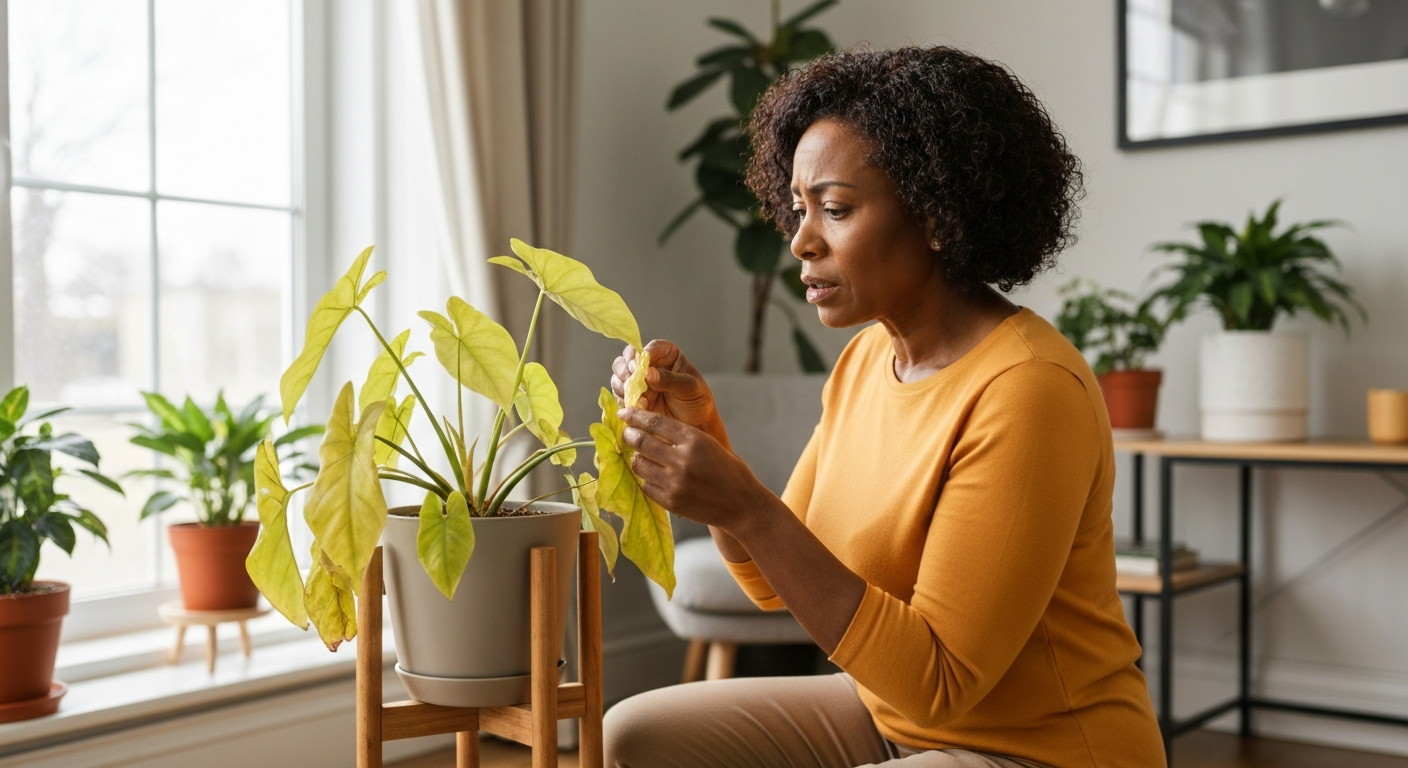

Your caladium is most likely dying because of overwatering, underwatering, or exposure to temperatures below 60°F — these tropical plants collapse quickly when their soil stays soggy, dries out completely, or when they experience cold stress.
Caladiums are stunning foliage plants, but they're notorious drama queens. The good news is that a dying caladium usually signals a fixable environmental problem rather than a fatal disease. Once you identify which of the common causes applies to your plant, you can often reverse the decline within a few weeks.
Caladiums evolved in the warm, humid understory of South American rainforests, which means they have zero tolerance for cold, direct sun, or inconsistent moisture.
These plants grow from tubers (underground storage organs similar to bulbs) that store energy during dormancy. That tuber is both the caladium's greatest strength and its Achilles' heel — it allows the plant to bounce back from stress, but it also rots easily in wet or cold conditions.
Understanding this tropical origin helps you diagnose problems faster. Most caladium deaths trace back to conditions that would never occur on a Brazilian forest floor: soggy soil, freezing windowsills, or bone-dry potting mix.
Caladium decline almost always stems from water issues, temperature stress, light problems, or tuber rot — and often a combination of several factors at once.
Overwatering is the number one killer of indoor caladiums. When soil stays constantly wet, oxygen cannot reach the roots, and the tuber begins to rot from the inside out.
Signs of overwatering include:
- Yellowing leaves that feel mushy rather than crispy
- A musty or rotten smell from the soil
- Soft, brown spots on stems near the soil line
- Leaves collapsing even though the soil is wet
The tricky part is that overwatering symptoms often look like underwatering symptoms — wilting, yellowing, and drooping. The difference is in the soil. Stick your finger two inches into the potting mix. If it feels wet or soggy and your plant looks terrible, you have an overwatering problem.
Caladiums need consistent moisture. Unlike succulents or snake plants, they cannot tolerate their soil drying out completely between waterings.
Underwatered caladiums show:
- Crispy, brown leaf edges that feel papery
- Leaves curling inward to conserve moisture
- Drooping that improves within hours of watering
- Soil pulling away from the sides of the pot
If you travel frequently or forget to water, caladiums may not be the right plant for your lifestyle — or you may need to switch to a self-watering pot system.
Absolutely. Caladiums suffer tissue damage below 60°F and can die within days below 50°F. This is one of the most common reasons caladiums fail in air-conditioned homes or during shipping in cooler months.
"Caladiums are extremely sensitive to cold temperatures. Exposure to temperatures below 55°F can cause irreversible damage to the tuber and foliage." — University of Florida IFAS Extension
Cold damage appears as:
- Leaves turning translucent or water-soaked
- Sudden collapse of all foliage overnight
- Black, mushy tubers when unpotted
If your caladium sits near an air conditioning vent, a drafty window, or arrived in the mail during cold weather, temperature shock is likely the culprit.
Also Read: Why Is My Wandering Jew Dying? 7 Causes & Revival Guide
Most caladium varieties are understory plants that thrive in bright, indirect light. Direct sunlight — especially harsh afternoon sun — scorches their thin, delicate leaves.
Sun damage looks like:
- Bleached, faded colors in the center of leaves
- Brown, crispy patches that appear suddenly
- Leaf edges that curl and dry out
Some sun-tolerant caladium varieties exist, but even these perform best with morning sun only. If your caladium sits in a south or west-facing window without a sheer curtain, move it back from the glass or relocate it entirely.
| ✓Our Pick |
Caladium care supplies on Amazon Highly rated by thousands of buyers — this is one of the most effective solutions for this issue you can try at home. See on Amazon → |
Caladiums prefer humidity levels between 50% and 70%. In most heated or air-conditioned homes, indoor humidity hovers around 30% to 40% — too dry for these tropical plants.
Low humidity causes:
- Brown, crispy leaf tips and edges
- Leaves that feel thin and papery
- Slower growth and smaller new leaves
You can increase humidity by grouping plants together, placing your caladium on a pebble tray with water, or running a humidifier nearby.
Here's something many new caladium owners don't realize: caladiums are naturally deciduous. They die back to their tuber every year, even when perfectly healthy.
In their native habitat, caladiums go dormant during the dry season. Indoors, this typically happens in fall or early winter. The leaves yellow, wilt, and eventually collapse — and this is completely normal.
The key difference between dormancy and death:
| Sign | Dormancy | Actual Death |
|---|---|---|
| Timing | Gradual, over 2–4 weeks | Sudden, over days |
| Tuber condition | Firm and solid | Mushy or hollow |
| Smell | None | Rotten or musty |
| Season | Usually fall/winter | Any time of year |
If your caladium's decline is gradual, the tuber feels firm when you gently squeeze the soil, and it's autumn, your plant is likely entering dormancy. Store the pot in a cool, dry place (above 60°F) and reduce watering until spring.
Root rot is usually a consequence of overwatering rather than a separate problem. However, fungal diseases can also attack caladiums in humid, poorly ventilated conditions.
Signs of fungal infection include:
- Irregular brown or black spots on leaves with yellow halos
- White, powdery coating on leaf surfaces (powdery mildew)
- Soft, dark lesions on stems
If you suspect fungal disease, isolate the plant immediately, remove affected leaves, improve air circulation, and consider treating with a fungicide. Severe tuber rot is usually fatal.
Work through this diagnostic checklist to identify which problem — or combination of problems — is affecting your plant.
Most struggling caladiums can recover if you catch the problem early and correct the environmental stress causing the decline.
If you've been overwatering:
- Allow the soil to dry out slightly between waterings
- Ensure your pot has drainage holes — no caladium should sit in standing water
- Consider repotting into fresh, well-draining soil mixed with perlite
- If the tuber is soft or smells bad, remove any rotted portions with a clean knife and let the wound dry for 24 hours before replanting
If you've been underwatering:
- Water thoroughly until water drains from the bottom
- Don't let the soil dry out completely again — aim for consistently moist, not wet
- Consider a moisture meter to take the guesswork out of watering
Move your caladium away from:
- Air conditioning vents
- Drafty windows
- Radiators and heating vents
- South or west-facing windows with direct afternoon sun
The ideal spot offers bright, indirect light and stable temperatures between 65°F and 80°F.
If your home is dry:
- Group your caladium with other tropical plants
- Place the pot on a tray filled with pebbles and water (the pot should sit above the water line)
- Run a small humidifier nearby
- Mist the leaves occasionally, though this is less effective than the methods above
Also Read: Why Is My Ivy Dying? 7 Causes & How to Save It
If your caladium is entering natural dormancy:
- Allow the foliage to die back completely — don't cut it while green, as the leaves are feeding the tuber
- Reduce watering gradually as leaves yellow
- Once all foliage is dead, stop watering and store the pot in a cool, dry place (60°F to 70°F)
- In spring, resume watering and move to a warm, bright location to restart growth
Some caladiums are beyond saving, and recognizing this prevents wasted effort.
Your caladium is likely dead if:
- The tuber is completely soft, mushy, or hollow
- The tuber smells strongly of rot
- No new growth emerges after 4–6 weeks of proper care in spring
In these cases, it's time to compost the plant and start fresh with a new tuber or potted caladium.
Your caladium is dying because of a care mismatch — most likely overwatering, cold exposure, or low humidity. Check the tuber: if it's firm, your plant can almost certainly recover with the right adjustments. Caladiums need consistent moisture (not soggy soil), warm temperatures above 60°F, bright indirect light, and humidity above 50%. If it's fall and the decline is gradual, your plant may simply be entering natural dormancy rather than dying.
Yellow caladium leaves typically indicate overwatering, underwatering, or the beginning of natural dormancy. Check your soil moisture first — if it's soggy, let it dry out; if it's bone dry, water thoroughly. If the yellowing is gradual and it's autumn, your plant may simply be going dormant for the season, which is normal behavior.
You can sometimes save a caladium with partial root rot by unpotting the plant, cutting away any soft or mushy portions of the tuber with a sterile knife, letting the wound dry for 24 hours, and replanting in fresh, well-draining soil. If more than half the tuber is rotted or it smells strongly of decay, recovery is unlikely.
Water your caladium when the top inch of soil feels dry to the touch — this typically means every 5 to 7 days indoors, but frequency varies with humidity, temperature, and pot size. The goal is consistently moist soil, never soggy or completely dry. Using a moisture meter removes guesswork.
If your caladium droops despite moist soil, the most likely causes are root rot (from previous overwatering), cold damage, or transplant shock. Unpot the plant and examine the tuber — if it's firm, the roots may need time to recover. If it's soft or smells bad, rot has set in and may be irreversible.
Healthy caladiums die back to their tuber each year and regrow in spring — this is dormancy, not death. If your caladium's foliage died gradually in fall or winter and the tuber is still firm, it will likely return when temperatures warm. Store the dormant tuber in a cool, dry place above 60°F until spring, then resume watering.
Reviewed and Updated on May 27, 2026 by George Wright