
Health
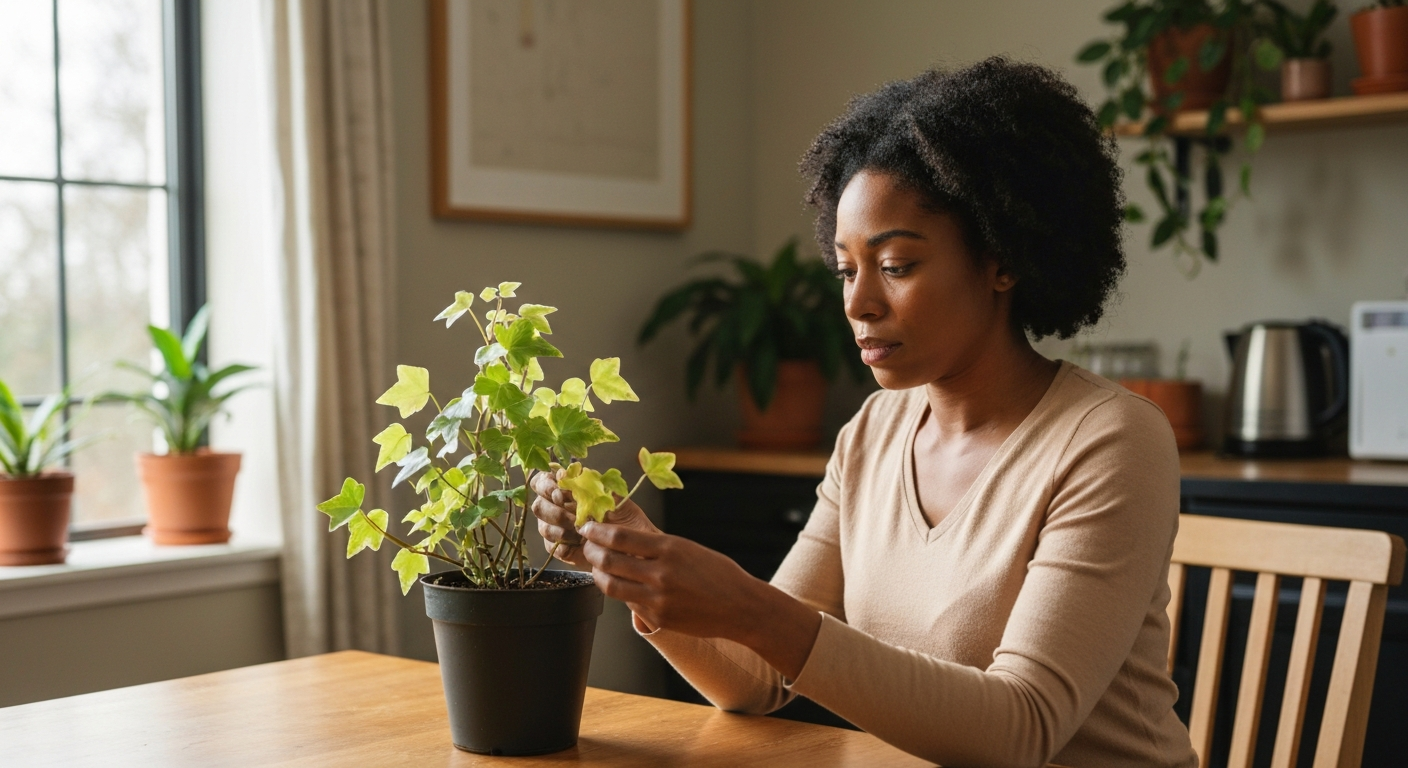

Your ivy is dying because it's getting too much or too little water, receiving the wrong amount of light, or struggling with humidity levels that don't match its needs — English ivy and other common varieties are surprisingly fussy about their environment despite their reputation as low-maintenance plants.
Ivy looks tough. It climbs walls, survives neglect outdoors, and fills hanging baskets in garden centers looking impossibly lush. So when your ivy plant starts dropping leaves, turning brown, or going limp, it feels personal. The good news: most dying ivy can be saved once you identify what's actually wrong. The bad news: there are several common culprits, and they often look similar at first glance.
Let's work through the most likely reasons your ivy is struggling and exactly how to bring it back.
Ivy decline almost always traces back to water, light, humidity, or pests — and the symptoms overlap enough that misdiagnosis is common.
Understanding which issue you're dealing with requires looking at the whole picture: leaf color, soil moisture, location, and timing. Here's what's most likely happening.
Overwatering is the number-one killer of indoor ivy plants. The roots sit in soggy soil, oxygen can't reach them, and they begin to rot. You'll notice yellowing leaves that feel soft or mushy, stems that look black near the soil line, and a general droopy appearance even though the soil is wet.
English ivy needs soil that dries out between waterings. Stick your finger two inches into the pot — if it's still damp, don't water. If your pot doesn't have drainage holes, that's your problem right there. Water pools at the bottom, the roots never dry out, and root rot sets in within weeks.
The fix: Let the soil dry completely before watering again. If root rot has already started (you'll smell it — musty and sour), unpot the plant, trim away any black or slimy roots, and repot in fresh, well-draining soil.
Yes, and it looks different from overwatering. Underwatered ivy has leaves that turn brown and crispy at the edges first, then dry out entirely. The soil pulls away from the pot edges. Leaves may curl inward as the plant tries to conserve moisture.
Ivy's shallow root system dries out fast, especially in terracotta pots or near heating vents. While you shouldn't keep the soil constantly wet, letting it go bone-dry for days stresses the plant.
The fix: Water thoroughly until it drains from the bottom, then wait until the top inch of soil is dry before watering again. If the soil has become hydrophobic (water runs straight through without absorbing), soak the entire pot in a basin of water for 15 to 20 minutes.
Indoor air — especially during winter with heating running — is often far too dry for ivy, which evolved in humid forest understories.
English ivy prefers humidity between 40% and 60%. Most heated homes in winter drop to 20% or 30%. The result: leaf edges turn brown, leaves become papery, and the plant starts dropping foliage to conserve resources.
"Hedera helix performs best in moderate to high humidity environments. Low humidity, particularly in centrally heated homes, can lead to leaf desiccation and increased susceptibility to spider mites." — Royal Horticultural Society
The fix: Group your ivy with other plants (they create a humid microclimate together), place the pot on a pebble tray filled with water, or run a humidifier nearby. Misting helps temporarily but doesn't raise ambient humidity enough to matter long-term.
Also Read: Why Is My House So Dry? 7 Causes & How to Fix It
Outdoor ivy grows in shade. Indoor ivy needs bright, indirect light — not direct sun streaming through a south-facing window. Too much direct light bleaches the leaves, turning them pale green or yellow, and can scorch leaf edges brown.
Variegated ivy varieties (with white or cream patterns) are especially sensitive. Their lighter sections lack chlorophyll and burn faster.
The fix: Move your ivy a few feet back from the window, or filter the light with a sheer curtain. East-facing windows work well — morning light is gentler than afternoon sun.
Absolutely. While ivy tolerates low light better than many houseplants, it still needs adequate brightness to photosynthesize. In too-dark corners, growth slows dramatically, new leaves come in small and pale, and the plant becomes leggy as it stretches toward any available light.
Variegated varieties suffer most in low light — they may revert to solid green (losing their pattern) as the plant prioritizes chlorophyll production for survival.
The fix: Move the plant closer to a window. If your space is genuinely dark, consider a grow light. Ivy doesn't need intense light — even a basic LED grow bulb running 10 to 12 hours daily can keep it healthy.
Spider mites love ivy, especially when indoor air is dry and warm — and they can devastate a plant before you even notice them.
These tiny pests (barely visible to the naked eye) suck sap from leaves, leaving behind stippled, yellowing foliage. In heavy infestations, you'll see fine webbing between leaves and stems. Leaves eventually dry out and drop.
Check by holding a piece of white paper under a leaf and tapping. Tiny moving specks mean mites.
The fix: Isolate the plant immediately. Spray it down thoroughly in the shower or sink — mites hate moisture. Follow up with insecticidal soap or neem oil, applied every 5 to 7 days for three weeks to catch newly hatched mites. Increasing humidity also discourages them from returning.
When roots completely fill the pot and start circling, the plant can't take up water or nutrients efficiently. You'll see roots poking out of drainage holes, water running straight through without absorbing, and growth that stalls or declines even with proper care.
| Symptom | Root-Bound | Overwatering | Underwatering |
|---|---|---|---|
| Yellowing leaves | Yes (older leaves first) | Yes (all over) | No |
| Wilting despite wet soil | Sometimes | Yes | No |
| Roots visible at surface | Yes | No | No |
| Soil dries extremely fast | Yes | No | No |
| Crispy leaf edges | Sometimes | No | Yes |
The fix: Repot into a container one to two inches larger in diameter. Gently loosen the root ball, trim any circling roots, and use fresh potting mix. Don't jump to a pot that's too big — excess soil holds moisture and leads to overwatering problems.
Start with the soil, then check the leaves, then examine the environment — diagnosis in that order catches most problems.
Here's a quick diagnostic checklist:
Check soil moisture. Stick your finger two inches deep. Soggy and smells musty? Overwatering or root rot. Bone dry and pulling from pot edges? Underwatering.
Examine the leaves. Yellow and soft usually means too much water. Brown and crispy usually means too little water or humidity. Stippled with tiny yellow dots? Check for spider mites.
Assess the light. Is the plant in a dark corner? Near a sunny window? Leggy growth points to low light; bleached or scorched leaves suggest too much direct sun.
Check the roots. If the plant isn't responding to adjusted care, unpot and look at the roots. Healthy roots are white or light tan. Black, mushy roots indicate rot. Circling, matted roots mean the plant is root-bound.
Consider the season. Winter brings low humidity, heating vents blowing dry air, and shorter days. Many ivy struggles peak between December and March for exactly these reasons.
Once you've identified the problem, act quickly — ivy bounces back well if you catch issues early, but prolonged stress weakens its ability to recover.
For overwatered ivy with root rot:
- Unpot the plant and shake off as much wet soil as possible
- Trim away all black, mushy, or slimy roots with clean scissors
- Let the root ball air-dry for a few hours
- Repot in fresh, well-draining potting mix (add perlite for extra drainage)
- Water sparingly for the next few weeks while roots recover
For underwatered or humidity-stressed ivy:
- Give the plant a thorough soak (bottom-watering works well for severely dried soil)
- Increase humidity with a pebble tray, humidifier, or by moving the plant to a bathroom
- Trim off any completely dead, brown leaves — they won't recover
- Water when the top inch of soil dries out going forward
For spider mite infestations:
- Isolate the plant from other houseplants
- Shower the foliage thoroughly with room-temperature water
- Apply insecticidal soap or neem oil to all leaf surfaces, including undersides
- Repeat treatment weekly for at least three weeks
- Increase ambient humidity to prevent reinfestation
For light issues:
- Move the plant to a spot with bright, indirect light (east or north-facing windows work well)
- If only direct sun is available, filter it with a sheer curtain
- In dark rooms, add a grow light and run it 10 to 12 hours daily
Healthy ivy requires consistent conditions — dramatic swings in water, light, or temperature stress the plant more than a slightly imperfect but stable environment.
| ✓Our Pick |
Indoor plant care toolkit for ivy and trailing houseplants Great value for money — this product tackles the root cause rather than just masking the symptoms. See on Amazon → |
Your ivy is dying because of a water imbalance (usually overwatering), low humidity, incorrect light levels, spider mites, or a root-bound pot — and sometimes a combination of several factors at once. Diagnose by checking soil moisture first, examining leaf symptoms second, and assessing the environment third. Most struggling ivy recovers fully with adjusted care, though root rot requires more aggressive intervention. Keep humidity above 40%, water only when the top inch of soil dries, provide bright indirect light, and inspect for pests monthly.
Outdoor English ivy benefits from consistent humidity, natural air circulation, and filtered light under tree canopies — conditions hard to replicate indoors. Central heating dries the air to desert levels, and still indoor air encourages spider mites. Success indoors requires actively managing humidity and placing the plant where it gets bright but indirect light.
If the stems are still green and flexible when you scratch the surface, the plant can recover. Trim off all dead foliage, address the underlying problem (usually underwatering or low humidity), and give it time. If stems are brown and brittle all the way through, that section is dead — but roots may still be viable. Cut back to any green growth and wait for new shoots.
There's no universal schedule — it depends on pot size, humidity, temperature, and light levels. Instead of watering on a timer, check the soil. Water when the top one to two inches feel dry. In summer, this might mean every few days. In winter with lower light and slower growth, it could be every week or two.
Lower leaf yellowing while upper growth stays healthy usually indicates the plant is redirecting resources — often because it's root-bound, underwatered, or recovering from recent stress. It's also normal for ivy to shed older leaves occasionally. If yellowing spreads upward or affects new growth, investigate water, light, and root health more thoroughly.
Misting provides temporary humidity relief but doesn't effectively raise the ambient moisture level around the plant. A pebble tray, humidifier, or grouping plants together works better for sustained humidity. That said, occasional misting does help wash dust off leaves and discourages spider mites, so it's not harmful — just not a complete solution.
Reviewed and Updated on May 24, 2026 by George Wright