Technology
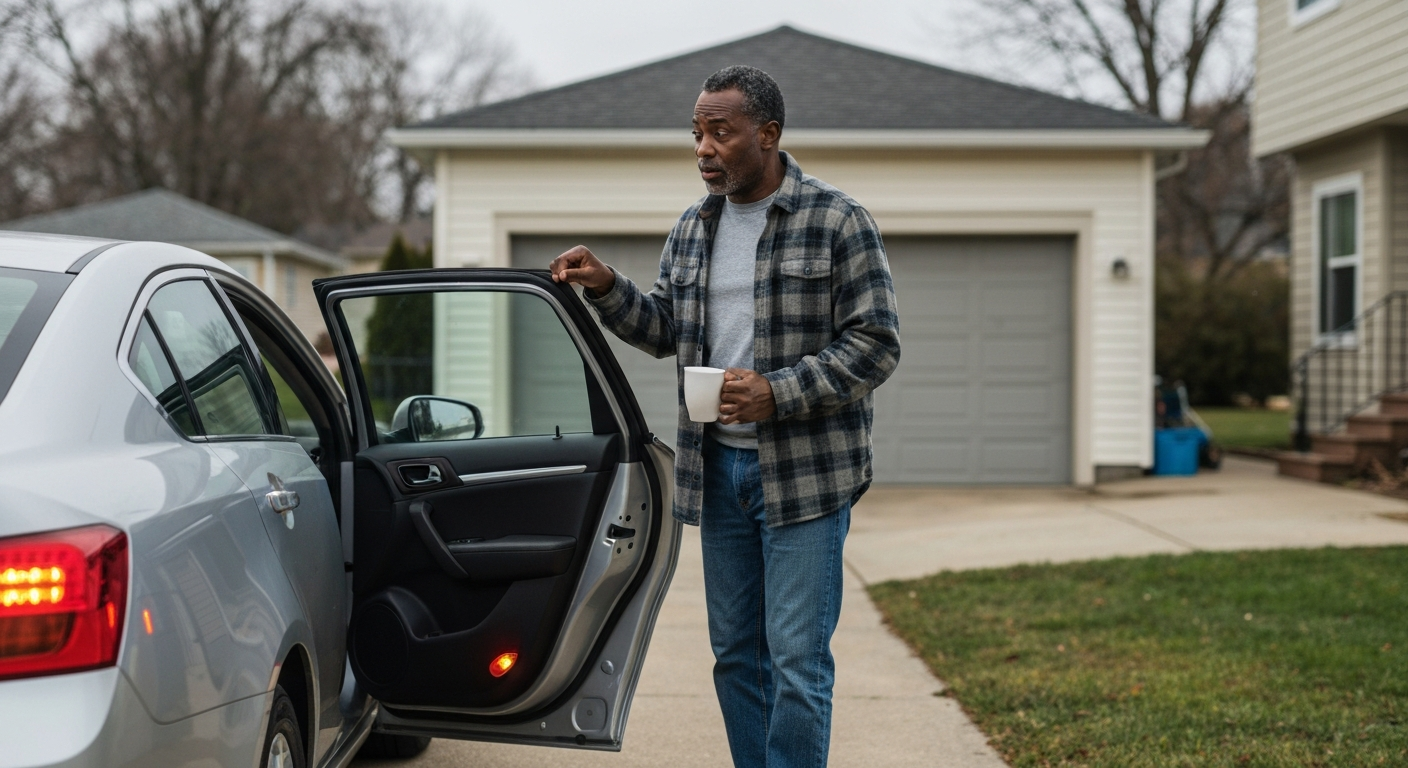

A fast-blinking turn signal — often called "hyper-flash" — almost always means one of your blinker bulbs has burned out or is about to fail, and your car's electrical system is alerting you to the problem.
The rapid blinking happens because a working turn signal circuit draws a specific amount of electrical current, and when a bulb burns out, the resistance drops, causing the flasher relay to cycle faster. In most cases, you can fix the issue yourself in under 10 minutes with a replacement bulb costing less than $10. Less commonly, the cause is a wiring fault, a failing flasher relay, or aftermarket LED bulbs that aren't compatible with your vehicle's system.
| ✓Our Pick |
Replacement turn signal bulbs for your vehicle No special skills required — straightforward to use and most orders ship quickly. See on Amazon → |
Your car's turn signal system uses electrical resistance to control blink speed — when that resistance changes because a bulb fails, the system responds by blinking faster.
Here's how it works: A standard turn signal circuit includes a flasher relay (either a thermal or electronic unit), wiring, and two bulbs per side (front and rear). When both bulbs are working, they draw a specific amount of current — typically around 2 to 3 amps total. The flasher relay is calibrated to cycle on and off at a normal rate (60 to 120 flashes per minute) based on that expected current draw.
When a bulb burns out, the circuit's total resistance increases and current draw drops. The flasher relay senses this change and responds by cycling faster — anywhere from 120 to 200+ flashes per minute. This rapid blinking serves as a built-in warning system that something is wrong with your turn signal.
"The rapid flashing of a turn signal is designed to alert the driver that a bulb is not functioning properly." — National Highway Traffic Safety Administration Vehicle Lighting Standards
This design has been standard in vehicles for decades specifically because it gives drivers an immediate, unmistakable signal that a bulb needs attention — without requiring a separate warning light on the dashboard.
| ✓Quick Fix |
The Go-To Fix for This Right Now Many readers dealing with this exact issue start with something like this before trying anything else. See on Amazon → |
The most common cause is a simple burned-out bulb, but several other issues can trigger hyper-flash — here's the complete list from most to least likely.
A failed bulb is responsible for roughly 90% of fast-blinking turn signals. Incandescent bulbs have a limited lifespan (typically 1,000 to 2,000 hours of use), and the thin tungsten filament eventually breaks from repeated heating and cooling cycles.
The fastest way to diagnose this: Turn on your hazard lights and walk around your vehicle. If one corner isn't blinking — or is noticeably dimmer than the others — you've found your culprit. Pay attention to whether it's your right blinker blinking fast or your left turn signal blinking fast, then check both the front and rear bulbs on that side.
Even if the bulb itself is fine, a poor connection can mimic a burned-out bulb. Corrosion builds up over time, especially in areas with road salt, humidity, or frequent rain. This corrosion creates resistance at the socket contact points, reducing current flow enough to trigger fast blinking.
Signs of socket issues include intermittent blinking speed (sometimes normal, sometimes fast), bulbs that work inconsistently, or visible green or white corrosion when you remove the bulb.
LED bulbs draw significantly less current than incandescent bulbs — often 0.2 amps compared to 2 amps. When you install LEDs without compensating for this difference, the flasher relay interprets the low current draw the same way it interprets a burned-out bulb: by blinking faster.
This is one of the most common causes of fast-blinking turn signals in vehicles with upgraded lighting. The solution typically involves installing load resistors (which add artificial current draw) or replacing the flasher relay with an LED-compatible unit.
The flasher relay itself can malfunction, causing erratic blink speeds regardless of bulb condition. Symptoms of a failing relay include inconsistent blink rates, no blinking at all, or clicking sounds without the lights activating.
On most vehicles, the flasher relay is located in or near the fuse box under the dashboard. It's a relatively inexpensive part ($10 to $30) and usually plugs directly into a socket for easy replacement.
Damaged, corroded, or loose wiring can interrupt the turn signal circuit anywhere between the flasher relay and the bulbs. Common problem areas include the wiring harness near the rear bumper (prone to damage from impacts or trailer hitches), ground connections (which corrode over time), and connector plugs (which can work loose from vibration).
Wiring issues are less common than bulb failures but can be more challenging to diagnose because the problem isn't always visible.
If you've recently connected or disconnected a trailer, the additional lighting load (or its removal) can affect your turn signal circuit. Faulty trailer wiring connections, corroded trailer plugs, or burned-out trailer lights can all cause your vehicle's turn signals to blink fast.
Disconnect your trailer wiring harness and test the turn signals again. If the problem disappears, the issue is in your trailer's electrical system rather than your vehicle.
While less common, a significantly weak battery or failing alternator can cause voltage fluctuations that affect turn signal operation. If your battery is struggling to maintain proper voltage (below 12 volts when the engine is off or below 13.5 volts when running), various electrical systems may behave erratically — including turn signals.
This is usually accompanied by other symptoms like dim headlights, slow engine cranking, or dashboard warning lights.
Also Read: Why Is My ABS Light and Traction Control Light On? 7 Causes & Fixes
A systematic approach will pinpoint the cause in most cases within 5 minutes — start with the simplest checks before investigating deeper.
Follow these steps in order:
| Symptom | Most Likely Cause | Quick Test |
|---|---|---|
| Right blinker blinking fast | Burned-out bulb on right side | Check right front and rear bulbs |
| Left turn signal blinking fast | Burned-out bulb on left side | Check left front and rear bulbs |
| Both sides blinking fast | Flasher relay failure or battery issue | Test voltage, inspect relay |
| Fast blink only after LED install | LEDs drawing insufficient current | Add load resistors or LED flasher |
| Intermittent fast blinking | Loose connection or corroded socket | Wiggle connectors, clean contacts |
Most fixes take less than 15 minutes and cost under $20 — here's how to address each cause.
This is the most common fix. For most vehicles:
Use the same bulb type specified in your owner's manual. Common turn signal bulbs include 3157, 1157, 7440, and 7443. Using the wrong bulb may cause dim lighting or improper fit.
Clean mild corrosion with electrical contact cleaner and a small wire brush or emery cloth. For severe corrosion or damaged sockets, replacement socket pigtails are available at auto parts stores for $5 to $15 — you'll splice them into the existing wiring.
Apply dielectric grease to the socket contacts after cleaning to prevent future corrosion.
If you've upgraded to LED turn signals, you'll need to either:
"When retrofitting LED turn signal bulbs, the vehicle's flasher relay may require replacement with a unit designed to operate at lower currents." — Society of Automotive Engineers Lighting Standards Committee
If bulbs and wiring check out fine:
Also Read: Why Is My Forward Collision Warning Light On? 7 Causes & Fixes
Most fast-blinker issues are DIY-friendly, but some situations warrant professional diagnosis.
Consider professional help if:
A diagnostic check at a shop typically costs $50 to $100 and may save you hours of troubleshooting if the problem isn't obvious.
Technically, driving with a fast blinker indicates a non-functioning turn signal bulb, which can result in a traffic citation in most states — more importantly, it compromises your safety.
Turn signals communicate your intentions to other drivers. When one side of your signal isn't visible, other drivers can't anticipate your turns or lane changes, increasing collision risk. The hyper-flash itself may not be visible to drivers behind you if the bulb is burned out.
Most states require all vehicle lighting to be in proper working order. While enforcement varies, you can receive a fix-it ticket requiring repair within a specified timeframe.
The bottom line: Fix it promptly. It's inexpensive, usually easy, and keeps you and other drivers safe.
A fast-blinking turn signal is your car's built-in alert that a bulb has failed or a connection problem is preventing proper current flow through the circuit. In roughly 90% of cases, replacing a burned-out bulb for under $10 solves the problem immediately. If you've recently installed LED bulbs, you'll need load resistors or an LED-compatible flasher relay to restore normal blink speed. Check the obvious first — turn on your hazards and walk around the car — and you'll likely have the issue diagnosed in under a minute and fixed in under 15.
Even if a bulb appears intact, the filament can have a hairline crack that only becomes visible under magnification. Try swapping the bulb with one from the opposite side of the vehicle — if the fast blinking switches sides, the bulb is faulty. Also check for socket corrosion or a loose ground wire, both of which can prevent adequate current flow even with a working bulb.
LED bulbs draw approximately 1/10th the current of incandescent bulbs, which makes your car's flasher relay think a bulb is burned out. The fix is either installing 6-ohm load resistors (one per LED bulb) to increase current draw, or replacing the factory flasher relay with an LED-compatible unit. The relay swap is cleaner and doesn't generate excess heat like resistors do.
When both bulbs on one side appear functional but that side still blinks fast, check the ground connection for that circuit. Each side of the vehicle typically has its own ground point — if the left-side ground is corroded or loose, the circuit can't complete properly even with working bulbs. Also inspect the wiring harness for damage, particularly near the wheel wells where road debris can cause abrasion.
Under normal circumstances, no — the fast blinking itself doesn't significantly increase power draw compared to normal blinking. However, if you leave your turn signal on while parked (or if the hazards activate accidentally), the continuous cycling can drain a battery over several hours. The hyper-flash condition is simply a symptom of another problem and doesn't directly cause battery drain.
Temperature affects electrical components in several ways. In cold weather, aging bulb filaments become more brittle and may fail more readily. Socket connections can also contract slightly, creating intermittent contact issues. If your fast blinker only occurs in cold weather and resolves as the car warms up, inspect the socket for corrosion and apply dielectric grease to improve the connection.
Reviewed and Updated on June 20, 2026 by George Wright