Technology
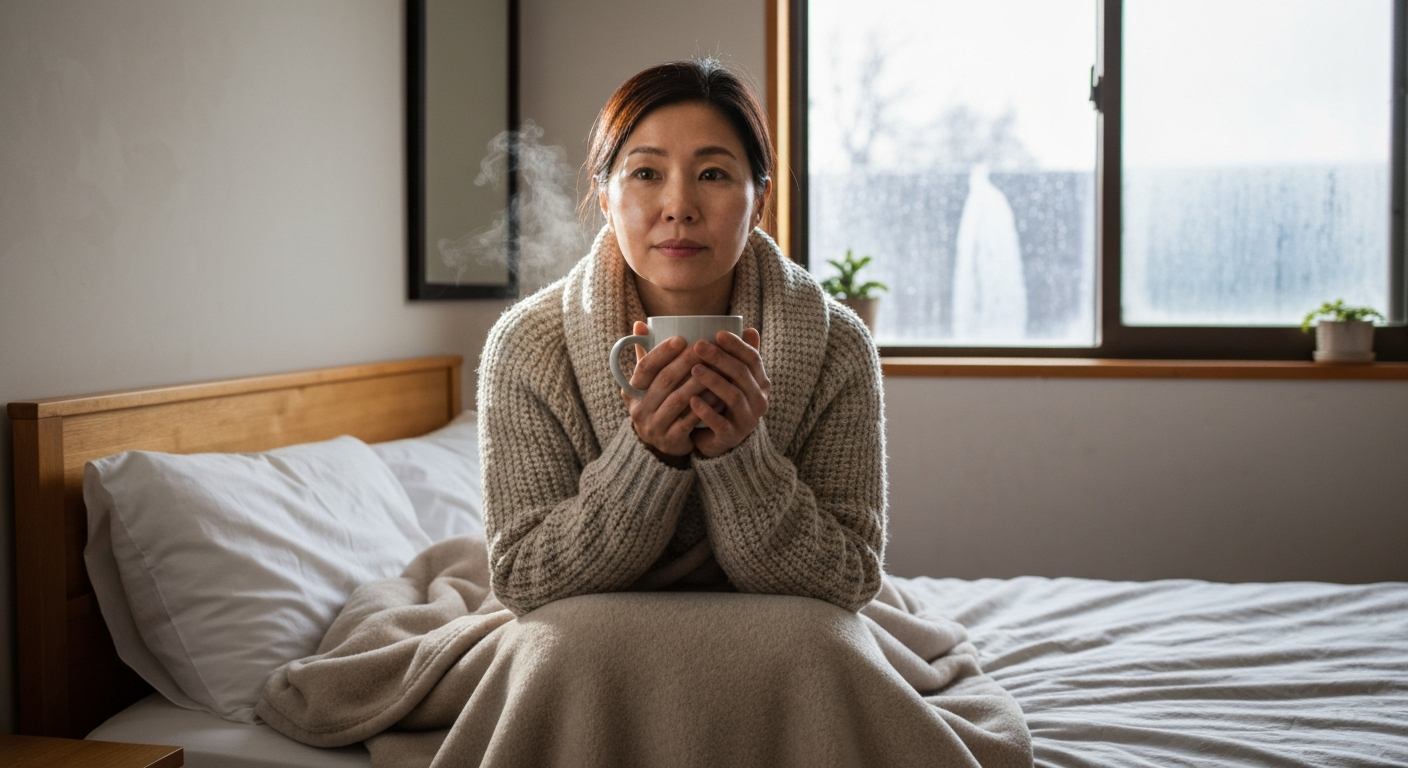

Your bedroom is colder than the rest of your house because of poor insulation, air leaks, inadequate heating, or the room's position in your home—and often it's a combination of several of these factors working together.
A cold bedroom isn't just uncomfortable—it can disrupt your sleep, raise your heating bills, and even affect your health. The good news is that most causes have straightforward fixes, and you can often diagnose the problem yourself before calling in a professional. Let's walk through the most common culprits and exactly what to do about each one.
| ✓Quick Fix |
The First Thing Most People Try Most people dealing with this exact problem start here — quick, affordable, and easy to try today. See on Amazon → |
Heat naturally moves from warm areas to cold areas, so any weakness in your bedroom's thermal envelope—walls, windows, ceiling, or floor—will pull warmth out faster than your heating system can replace it.
Your bedroom might be the coldest room for reasons unique to its location and construction. Corner rooms lose heat through two exterior walls instead of one. Rooms above garages sit over unheated space. Bedrooms at the end of long duct runs receive less airflow. Understanding why heat escapes or fails to arrive is the first step toward fixing the problem.
"The temperature in your home can vary by as much as 10 degrees from room to room due to factors like insulation levels, air leaks, and distance from the heating source." — U.S. Department of Energy
Most cold bedrooms can be traced to one or more of these seven issues: air leaks, poor insulation, heating system problems, window inefficiency, ductwork issues, room position, or thermostat placement.
Air leaks are the single biggest cause of cold rooms. Cold outside air seeps in through gaps around windows, doors, electrical outlets, and where walls meet floors or ceilings. Even tiny cracks add up—the combined effect of all the small leaks in an average home equals leaving a window open year-round.
Check for drafts by holding a lit incense stick near window frames, door edges, and electrical outlets on exterior walls. If the smoke wavers or blows sideways, you've found a leak. Common leak points include:
Insulation slows heat transfer through walls, ceilings, and floors. If your bedroom walls feel cold to the touch, or if you notice temperature swings that match outdoor conditions, inadequate insulation is likely the problem.
Older homes often have little or no wall insulation. Even homes built to code may have insulation that has settled, gotten wet, or was installed improperly. Rooms above garages are notorious for being cold because builders often skimp on insulation in garage ceilings.
"Adding insulation to an under-insulated home is one of the fastest and most cost-effective ways to reduce energy waste and make your home more comfortable." — ENERGY STAR
| ✓Our Pick |
Draft stopper for doors and windows A top-rated pick that works — readers who tried this reported noticeable improvement within days. See on Amazon → |
Windows are thermal weak points even when they're closed and locked. Single-pane windows conduct heat 10 to 20 times faster than insulated walls. Even double-pane windows can fail when the seal breaks and the insulating gas escapes—you'll notice this as fogging or condensation between the panes.
Check your windows for:
Your bedroom might be cold simply because heated air isn't getting there efficiently. In forced-air systems, bedrooms at the end of long duct runs or on upper floors often receive less airflow than rooms closer to the furnace.
Check whether your supply vents are actually blowing warm air. Place your hand over the vent while the heat is running—if airflow is weak or lukewarm, the problem is in your heating system or ductwork, not the room itself.
Common heating delivery problems include:
| Issue | Signs | Solution |
|---|---|---|
| Closed or blocked vents | Weak or no airflow | Open vents, move furniture away |
| Dirty air filter | Weak airflow throughout house | Replace filter monthly in winter |
| Leaky ductwork | Some rooms much colder than others | Seal ducts with mastic or tape |
| Undersized system | Whole house struggles to heat | Professional assessment needed |
| Unbalanced system | Some rooms hot, others cold | Adjust dampers or add return vents |
Where your bedroom sits in your home's structure directly affects its temperature. Certain positions create inherent heating challenges:
Corner rooms have two exterior walls losing heat instead of one. They also tend to have more windows, compounding the problem.
Rooms over garages sit above unheated, often uninsulated space. The garage acts as a cold reservoir that pulls heat down through the floor.
Rooms at the end of the house are farthest from the heating source and ductwork, receiving less airflow and losing heat before it arrives.
North-facing rooms get no direct sunlight in winter, missing out on free solar heat gain that south-facing rooms receive.
Rooms over crawl spaces can be cold if the crawl space isn't properly insulated and sealed.
Also Read: Why Is My Fire Alarm Going Off? 6 Causes & Quick Fixes
Ductwork hidden in walls, floors, and attics can develop leaks over time. Joints come apart, flexible ducts sag and kink, and seams that were never properly sealed finally give way. The U.S. Department of Energy estimates that typical homes lose 20 to 30 percent of heated air through duct leaks.
If your ducts run through unconditioned spaces like attics or crawl spaces, they're also losing heat through the duct walls themselves—even without leaks. Uninsulated ducts in a cold attic can deliver air that's 10 to 15 degrees cooler than when it left the furnace.
If your thermostat is in a warm spot—near the kitchen, in direct sunlight, or close to the furnace—it will read a higher temperature than your bedroom and shut off the heat prematurely. Your bedroom stays cold while the thermostat thinks the house is comfortable.
This is especially common in homes with a single-zone heating system and the thermostat located in a central hallway or living area. The thermostat accurately measures the temperature where it's located, but that's not where you're trying to sleep.
Start with the cheapest, easiest fixes first—sealing air leaks and improving window insulation—then move to larger projects like adding insulation or upgrading your heating system if needed.
Air sealing gives you the biggest return for the smallest investment. A few dollars worth of caulk and weatherstripping can make a noticeable difference overnight.
If your windows are old or single-pane, upgrading them is ideal but expensive. More affordable options can bridge the gap:
Attic insulation is the easiest DIY project—you can roll out batts or blow in loose-fill yourself. Wall insulation typically requires professional installation but makes a dramatic difference in older homes.
For rooms over garages, insulating the garage ceiling is essential. You may also need to air-seal the connection between the house and garage, as this is a major leak point in many homes.
Also Read: Why Is My Breaker Box Buzzing? 6 Causes & Safety Guide
If heated air isn't reaching your bedroom efficiently:
Sometimes the most practical solution is adding heat directly to the bedroom rather than trying to force your central system to do more:
| Option | Best For | Considerations |
|---|---|---|
| Electric space heater | Quick fix, rented homes | Higher operating cost, fire risk if misused |
| Electric radiant panel | Permanent supplemental heat | Low profile, silent, zone heating |
| Ductless mini-split | Adding AC and heat together | Higher upfront cost, very efficient |
| In-floor radiant | Major renovations | Expensive to install, very comfortable |
| ✓Our Pick |
Portable space heater with thermostat Trusted by professionals and everyday users alike — a smart investment that pays for itself. See on Amazon → |
If you've sealed leaks, improved insulation, and ensured vents are open but your bedroom is still significantly colder than the rest of your home, you likely have a systemic issue that requires professional diagnosis.
Call an HVAC technician if:
Consider an energy audit if you're dealing with multiple comfort issues throughout your home. Many utilities offer free or subsidized audits that include thermal imaging to find insulation gaps and blower-door testing to measure total air leakage.
Also Read: Why Is My Throat Sore When I Wake Up? 7 Causes & Fixes
A cold bedroom usually results from air leaks, poor insulation, inefficient windows, or heating delivery problems—and often a combination of all four. Start by sealing drafts around windows, doors, and outlets, then add weatherstripping and improve window insulation. If your room sits over a garage or at the end of a long duct run, you may need professional help to add insulation or modify your heating system. For quick relief while you work on permanent fixes, a space heater with a thermostat can keep you comfortable without running up your whole-house heating bill.
Your heating system may be delivering adequate heat to other rooms while your bedroom is losing it faster than it arrives. This happens when the bedroom has more air leaks, less insulation, or is located farther from the furnace. Check that your bedroom vents are open and that furniture isn't blocking airflow. If heat is reaching the room but escaping quickly, focus on sealing leaks and improving insulation.
Yes, closing the door can make your bedroom colder if the room doesn't have a return air vent. Forced-air systems need a path for air to circulate back to the furnace. When you close the door without a return vent, you create positive pressure that restricts how much heated air can enter through the supply vent. Try leaving the door slightly open or installing an undercut or transfer grille.
Ceiling fans can help if your bedroom has high ceilings. Run the fan on low speed in the reverse direction (clockwise when looking up) to push warm air that collects near the ceiling back down into the living space. This won't add heat but can make the room feel warmer by improving air circulation.
Touch your exterior walls on a cold day. If they feel noticeably cold, insulation is likely inadequate. Other signs include large temperature swings that follow outdoor conditions, frost or condensation on interior walls, and ice dams on the roof above the bedroom. An energy auditor can use thermal imaging to show exactly where insulation is missing or insufficient.
Most people sleep better in cooler temperatures—experts recommend 60 to 67 degrees Fahrenheit for optimal sleep. However, a bedroom that drops below 60 degrees can disrupt sleep and may pose health risks for infants, elderly people, or those with certain medical conditions. If your bedroom is uncomfortably cold, addressing the underlying cause will improve both your comfort and your heating efficiency.
Reviewed and Updated on June 20, 2026 by George Wright