
Hair
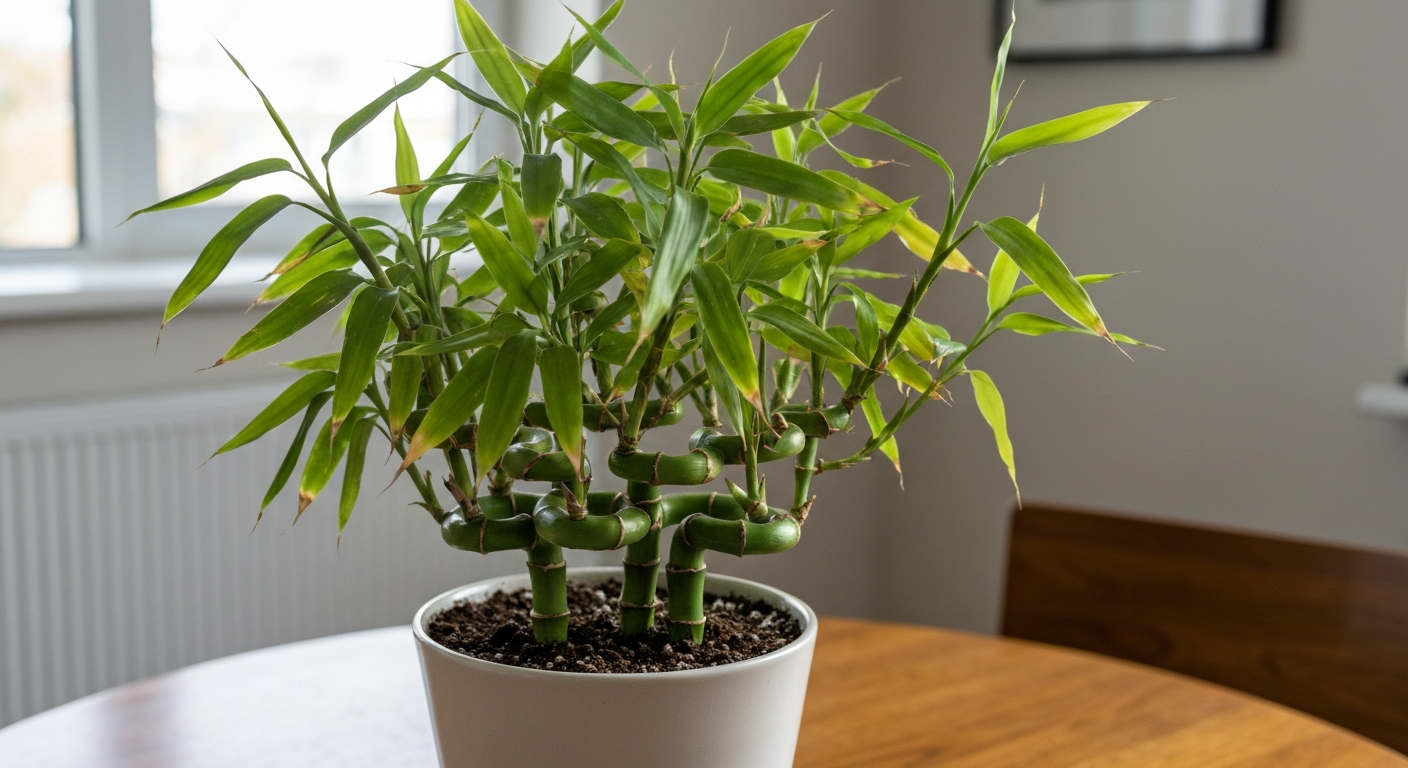

Bamboo dies most often from overwatering and root rot, too little light, wrong soil drainage, or cold temperatures below its hardiness threshold — catching the problem early and correcting the one failing variable usually saves the plant.
Bamboo communicates stress through yellowing leaves, browning tips, leaf drop, and wilting canes — each symptom pattern points to a different root cause. Identifying which symptom you are seeing first narrows the diagnosis immediately.
The word "bamboo" covers a large group of plants that behave very differently. Lucky bamboo (Dracaena sanderiana) is a popular houseplant sold in water or small pots that is not a true bamboo at all. Running and clumping bamboo (Phyllostachys, Bambusa, Fargesia) are true grasses — giant grasses — with very different care requirements. This article covers both, with notes where advice differs.
"Most bamboo species are surprisingly drought-tolerant once established, but they are highly sensitive to waterlogged soil and poor drainage during establishment. Root rot caused by excessive moisture is the most common cause of rapid decline and death in both container and in-ground bamboo." — American Bamboo Society at bamboo.org
Eight causes explain the full range of bamboo decline. Overwatering and light problems account for the majority of cases in potted bamboo.
Root rot from overwatering is the number one killer of potted bamboo — both lucky bamboo and potted true bamboo. When roots sit in saturated, poorly draining soil, they are cut off from oxygen, and Pythium and Phytophthora fungi colonize and destroy the root system. The plant cannot absorb water through rotted roots, so it paradoxically shows signs of drought — wilting, yellowing, and leaf drop — even though the soil is wet.
How to diagnose: Lift the pot and check the drainage holes. If water does not drain freely or the soil feels soggy 2 inches below the surface 48 hours after watering, drainage is the problem.
Fix: Allow the soil to dry out between waterings. For container bamboo, water only when the top 2 inches of soil feel dry. Ensure the pot has drainage holes and is not sitting in a saucer of standing water. If root rot is advanced, unpot the plant, cut away all black or mushy roots, treat with a diluted hydrogen peroxide rinse (1 part 3% H₂O₂ to 3 parts water), and repot in fresh, well-draining mix.
True bamboos are high-light plants — most species require at least 4–6 hours of direct or bright indirect light daily. Indoors, insufficient light causes yellowing of lower leaves, slow growth, and progressive die-back. Lucky bamboo tolerates lower light conditions better than true bamboo but will also decline in deep shade.
Outdoors: Dense tree canopy shade can prevent bamboo from thriving. Most true bamboo species need at least partial sun (4+ hours).
Indoors: A south or west-facing window is best. Supplement with grow lights in rooms without adequate natural light.
Also Read: Why Is My Anthurium Leaves Turning Brown? 7 Causes & Fixes
Lucky bamboo grown in water (the glass vase arrangement) is extremely sensitive to water quality. Chlorine, fluoride, and dissolved minerals in tap water build up over time and cause yellowing tips, brown leaf margins, and eventual root damage. Only use distilled water or rainwater for lucky bamboo. If you have been using tap water, perform a full water change with distilled water and clean the container.
How often to change the water: Every 2–3 weeks for water-grown lucky bamboo. Change immediately if the water smells bad or looks cloudy.
Most true bamboo species are cold-tolerant but have a lower temperature threshold below which canes die back. Tropical bamboos (Bambusa species) are damaged by temperatures below 25–30°F. Hardy clumping bamboos (Fargesia) survive to –20°F. Running bamboos (Phyllostachys) fall in between.
Sudden cold snaps — particularly hard freezes after a warm autumn that encouraged new growth — damage soft canes badly. Brown, mushy, or collapsed canes after a cold spell are frost-killed and should be cut to the ground.
Indoors: Lucky bamboo and tropical bamboos are damaged by temperatures below 50°F and should not be placed near cold drafts, air conditioning vents, or single-pane windows in winter.
Bamboo performs best in slightly acidic to neutral soil (pH 5.5–7.0). Highly alkaline soil (pH above 7.5) causes iron chlorosis — a pattern of yellowing between the veins while veins remain green. Overfertilizing causes fertilizer burn; underfertilizing a large, established bamboo can cause slow, progressive yellowing across older leaves.
Fix: Test soil pH if chlorosis is present. Bamboo in containers benefits from a slow-release balanced fertilizer (NPK ratio around 15-5-10 or similar) applied 2–3 times during the growing season. Avoid fertilizing in late autumn or winter.
Also Read: Why Is My Maple Tree Dying? 7 Causes & What to Do
Bamboo has an extensive, dense root system that does not respond well to being severely disturbed. A bamboo divided or repotted into a container much larger than its root ball, or one that had significant root damage during transplanting, will show die-back of older canes while the plant redirects energy to re-establish roots. Yellowing and browning immediately after transplanting is classic transplant shock.
Fix: Keep the soil consistently moist (not wet) after transplanting. Do not fertilize until new growth appears. Remove dead canes at the base. Give the plant 4–6 weeks before concluding it cannot recover.
Mass bamboo flowering — gregarious flowering — is a rare, fascinating, and potentially fatal event. Most bamboo species flower on a genetic cycle of 40–120 years. When all plants of the same genetic line flower simultaneously worldwide, they set seed and typically die afterward. The flowering is preceded by a gradual decline and thinning of the canes over 1–3 years.
If your bamboo is producing small, grass-like flowers and dying across a large area, this may be the cause — particularly if reports exist of the same bamboo species flowering elsewhere. There is no intervention that prevents gregarious flowering death once it begins.
Bamboo is relatively pest-resistant, but spider mites (the most common indoor bamboo pest) can cause visible speckling, bronzing, and eventual leaf drop. Hold a white sheet of paper under the leaves and tap — spider mites appear as tiny moving dots on the paper. Treat with insecticidal soap, neem oil, or a forceful water spray to dislodge colonies. Mealybugs can also infest the nodes of lucky bamboo, appearing as white cottony masses.
| ✓Our Pick |
Shop bamboo plant care, fertilizer, and potting supplies Simple to use and genuinely effective — for many people this is all they ever needed. See on Amazon → |
"Spider mite infestations on indoor bamboo accelerate significantly in dry, warm conditions — particularly during winter when indoor heating lowers relative humidity. Regular misting of bamboo foliage or use of a humidifier near the plant reduces mite pressure and improves overall leaf health." — University of Florida IFAS Extension at edis.ifas.ufl.edu
| Symptom | Most Likely Cause | Fix |
|---|---|---|
| Yellow leaves, soggy soil | Overwatering / root rot | Reduce watering; improve drainage |
| Yellow leaves, dry soil | Underwatering or low light | Water more consistently; increase light |
| Brown tips only | Fluoride/chlorine in water | Switch to distilled or rainwater |
| Yellowing between leaf veins | Soil pH too high (iron chlorosis) | Test and correct pH |
| Mushy, collapsed canes after cold | Frost damage | Cut to ground; plant will re-shoot |
| Browning after repotting | Transplant shock | Consistent moisture; no fertilizer |
| Grass-like flowers, spreading decline | Gregarious flowering | Research your species; no cure |
| Speckling and bronzing, moving dots | Spider mites | Insecticidal soap; neem oil |
Bamboo dying in a pot is almost always overwatering and root rot — let the soil dry between waterings and ensure drainage holes are unobstructed. Lucky bamboo in water needs a full water change with distilled water every 2–3 weeks. Outdoor bamboo dying in winter likely suffered frost damage — cut dead canes to the ground and wait for new growth from the base in spring. Identify the one failing variable, correct it, and most bamboo recovers within 4–8 weeks.
Yellow bamboo can recover if the underlying cause is corrected — but individual yellow leaves do not turn green again once they have yellowed. Remove yellow leaves, fix the root cause (usually overwatering, wrong water, or insufficient light), and new healthy growth will emerge over the following weeks. A plant that is entirely yellow with mushy roots is unlikely to recover.
Yellowing leaves with green canes typically indicates a watering issue (overwatering or underwatering), water quality problems (for lucky bamboo), or nutrient deficiency. It rarely indicates a structural problem with the canes themselves. Correct the watering and water quality first, as these are responsible for the vast majority of yellowing in bamboo.
Established outdoor bamboo is surprisingly drought-tolerant during dry spells. Newly planted bamboo and potted bamboo need consistent moisture during establishment and the growing season. The key distinction is drainage: bamboo tolerates periods of dryness far better than it tolerates sitting in waterlogged soil. Well-draining soil that allows the roots to breathe is more important than frequency of watering.
Many bamboo species undergo a natural leaf exchange in spring — they drop their old leaves while simultaneously pushing new growth. This brief period of leaf drop can look alarming but is completely normal. The timing coincides with new cane emergence. A plant dropping all its leaves in spring with no new growth emerging and declining canes is a different matter and points to root rot, cold damage, or transplant stress.
Reviewed and Updated on June 5, 2026 by George Wright