DIY
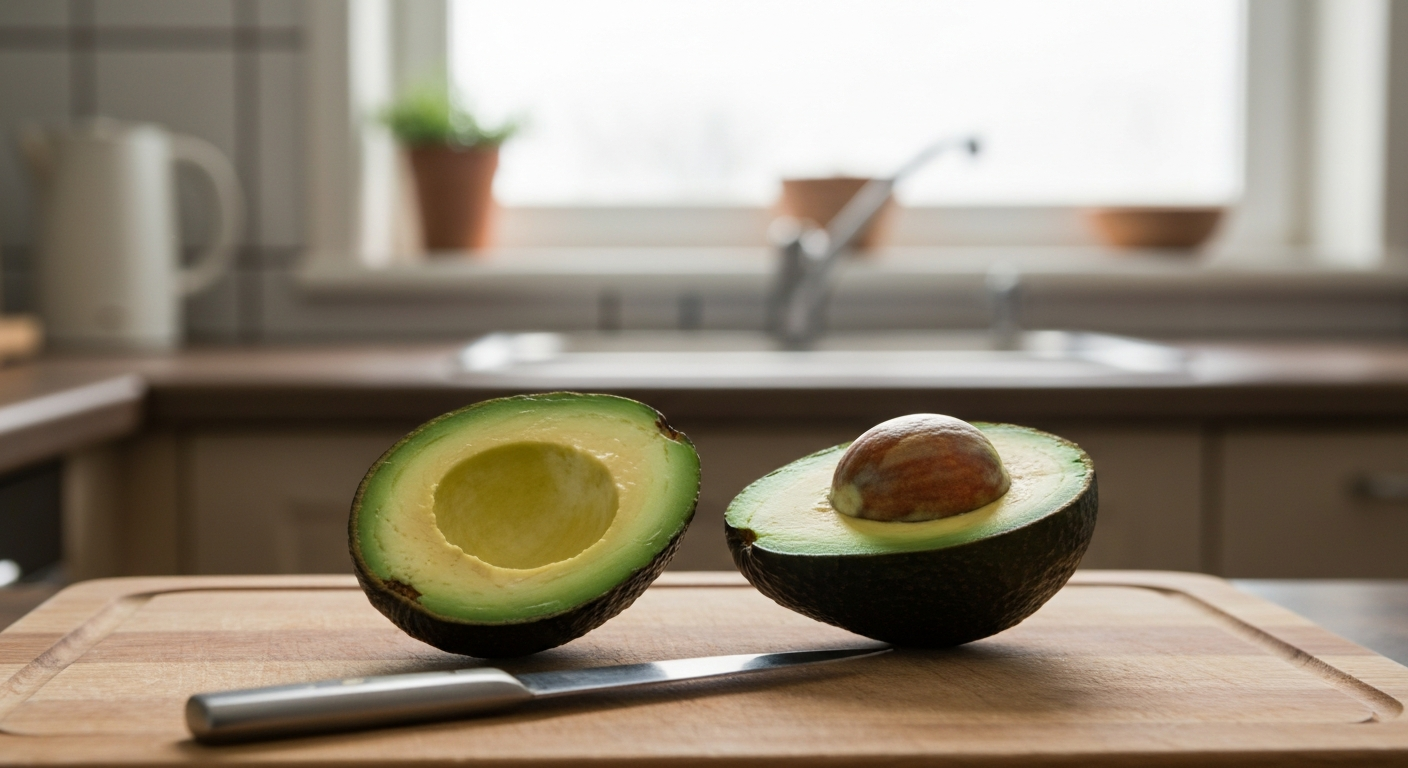

Stringy avocado is caused by fruit harvested too early, stored in cold temperatures before ripening, or picked from a young tree that hasn't matured enough to produce creamy flesh — the fibers you're seeing are vascular bundles that didn't break down properly during the ripening process.
The good news? Those strings won't hurt you, and once you understand why they appear, you can avoid them almost entirely. This guide breaks down every cause of stringy avocado flesh, how to spot a fibrous fruit before you cut it open, and what to do when you're stuck with a stringy one.
The stringy fibers in avocado flesh are vascular bundles — the same tissue that transports water and nutrients through the fruit while it grows on the tree.
In a perfectly ripe avocado, these bundles soften completely and become indistinguishable from the surrounding creamy flesh. When something interrupts the normal ripening process, the bundles stay intact, creating those annoying fibrous threads that get stuck in your teeth.
Think of it like the strings in celery or the fibers in a mango — they're a natural part of the fruit's structure. The difference is that a properly ripened avocado's fibers should dissolve completely.
| Fiber Appearance | What It Means |
|---|---|
| Thin, scattered threads | Slightly early harvest or minor cold damage |
| Thick, woody strings throughout | Very early harvest or young tree |
| Brown strings near the pit | Overripe or oxidation damage |
| Strings only at the stem end | Normal — this area ripens last |
Also Read: Why Is My Poinsettia Dying? 9 Causes & How to Save It
Premature harvest is the number one cause of stringy avocado flesh, and it's increasingly common as global demand outpaces supply.
Avocados don't ripen on the tree — they mature. The fruit needs to reach a minimum oil content (typically 8% for Hass avocados) before it can develop that buttery texture after picking. When growers harvest too early to meet shipping deadlines or capitalize on high prices, the fruit never develops properly.
"Avocados harvested below the minimum maturity index will ripen to an unacceptable quality, often being rubbery, watery, and lacking in flavor." — University of California Agriculture and Natural Resources
Early-harvest avocados also tend to shrivel rather than soften, and their skin may stay green even when the flesh feels soft.
Cold storage before ripening causes chilling injury, which prevents the vascular bundles from breaking down even after the fruit softens.
This is a sneaky problem because the damage isn't visible until you cut the fruit open. Avocados are highly sensitive to cold temperatures — storing them below 42°F (5.5°C) before they ripen triggers cellular damage that makes the flesh stringy, gray, or brown.
The tricky part: most grocery stores and warehouses refrigerate produce to extend shelf life. If an unripe avocado spends too long in cold storage during shipping, no amount of countertop ripening will fix the texture.
Signs of chilling injury:
- Gray or brown streaks in otherwise green flesh
- Strings that appear darker than the surrounding fruit
- Flesh that feels soft but tastes bland or slightly off
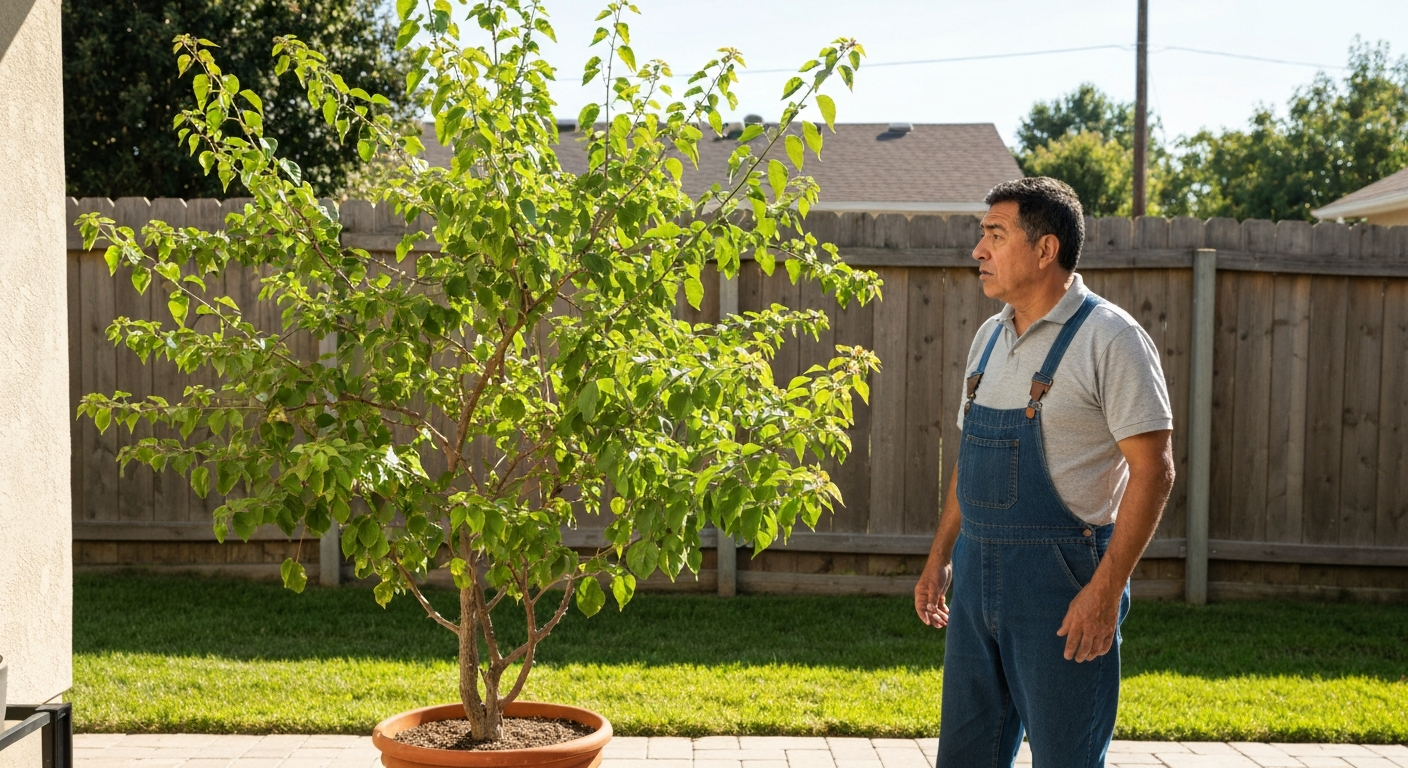
Avocado trees under five years old often produce stringy fruit because the tree hasn't developed the root system and foliage needed to properly nourish each fruit.
Young trees put more energy into growth than fruit production. The avocados they do produce tend to have underdeveloped flesh with prominent vascular bundles. Commercial growers typically don't sell fruit from trees this young, but if you're growing your own avocado or buying from a local farmer, tree age matters.
This is also why backyard avocado trees sometimes produce stringy fruit for their first few seasons before improving dramatically.
Avocados harvested at the edges of the growing season — very early or very late — are more likely to be stringy because they haven't had optimal growing conditions.
Hass avocados from California are in peak season from spring through early fall. Fruit harvested in winter months often hasn't accumulated enough oil content, leading to fibrous texture. Similarly, avocados left on the tree too long past peak season can develop woody fibers as the fruit becomes overripe on the branch.
The global avocado supply chain means you can buy avocados year-round from different regions (Mexico, Peru, Chile), but each region has its own peak season. Off-season fruit from any origin is more likely to disappoint.
Some avocado varieties are naturally more fibrous than Hass, especially less common types you might find at farmers markets or specialty stores.
While Hass dominates the US market (about 95% of avocados sold), other varieties like Bacon, Fuerte, and Zutano have different textures:
| Variety | Texture Profile | String Tendency |
|---|---|---|
| Hass | Creamy, buttery | Low when properly ripened |
| Bacon | Lighter, less oily | Medium |
| Fuerte | Creamy but milder | Low to medium |
| Zutano | Watery, fibrous | High |
| Reed | Very creamy | Low |
If you bought an avocado that looks different from the typical dark, bumpy Hass — smoother skin, brighter green color — it may simply be a more fibrous variety.
You can't guarantee a string-free avocado from the outside, but these signs significantly improve your odds.
Check the stem first. Gently flick off the small stem cap at the top of the avocado. If the flesh underneath is bright green, it's ripe and likely good. If it's brown or pulls away with resistance, the fruit may be overripe or damaged.
Feel for consistency. A ripe avocado should yield evenly to gentle pressure across its entire surface. Soft spots in some areas but firm spots in others often indicate uneven ripening, which correlates with stringiness.
Look at the skin. For Hass avocados, uniformly dark skin (almost black) indicates ripeness. Avocados with patches of green and black may have ripened unevenly.
Avoid damaged fruit. Any avocado with visible bruises, dents, or punctures is more likely to have internal problems, including stringy or brown flesh.
Also Read: Why Is My Bougainvillea Not Blooming? 7 Causes & Fixes
Stringy avocados are perfectly safe to eat — they're just less pleasant. Here's how to make the most of them.
Blend it. Stringy avocados work fine in smoothies, sauces, and blended dips where the fibers get pulverized. The texture disappears completely in a high-speed blender.
Mash and strain. For guacamole, mash the avocado thoroughly, then press it through a fine-mesh sieve to remove the fibers. This takes an extra minute but produces smooth results.
Use a food processor. Pulsing stringy avocado in a food processor breaks down the fibers better than hand-mashing.
Make avocado crema. Blend the avocado with sour cream, lime juice, and salt for a drizzle sauce where texture matters less.
Avoid slicing. Stringy avocados don't slice cleanly for toast or salads. The fibers tear rather than cut, leaving ragged pieces.
Proper storage and selection are your best defenses against stringy avocado flesh.
Buy ripe or nearly ripe. Avocados that are already slightly soft have likely been stored at proper temperatures. Rock-hard avocados may have been refrigerated too early in the supply chain.
Ripen at room temperature. Keep unripe avocados on the counter (65–75°F) until they yield to gentle pressure. Only refrigerate after they're ripe.
Accelerate ripening carefully. Placing avocados in a paper bag with a banana speeds ripening by trapping ethylene gas. Check daily — this method can work within 24–48 hours.
Buy in season. Purchase avocados during peak season for your region's primary supplier (spring through fall for California and Mexico) for the best quality.
Choose the right source. Avocados from established commercial growers are more likely to meet maturity standards than those from small-batch or backyard sources.
| ✓Our Pick |
Quality avocado prep tools on Amazon Backed by strong customer feedback — the most recommended solution in forums and Q&A communities. See on Amazon → |
Stringy avocado happens when vascular bundles don't break down during ripening — usually because the fruit was picked too early, stored too cold, or came from a young tree. The fibers are safe to eat but unpleasant in texture. Buy avocados that are already slightly ripe, let them finish ripening at room temperature, and blend or strain fibrous ones for sauces and dips.
Yes, stringy avocados are completely safe to eat. The fibers are just vascular tissue — the same plant structure found in all fruits. They're not a sign of spoilage or contamination. The only issue is texture. If the strings bother you, blend the avocado into smoothies or sauces where the fibers become undetectable.
Green, unbroken flesh with strings usually means the avocado was harvested before it reached full maturity. The fruit ripened enough to soften but didn't have enough oil content for the fibers to dissolve. This is different from brown strings, which typically indicate oxidation or overripeness.
Not necessarily. Stringiness depends on harvest timing, storage conditions, and tree age — not growing method. However, smaller organic farms may harvest less precisely than large commercial operations, which could occasionally result in early-picked fruit. The organic label itself doesn't predict texture.
Homegrown avocado trees often produce stringy fruit for the first 3–5 years because young trees lack the root development to fully nourish their fruit. The problem usually improves as the tree matures. Also, backyard growers sometimes pick fruit before it reaches full maturity, compounding the issue.
You can't know for certain, but buying avocados that are already slightly soft (rather than rock-hard) reduces your risk. Also check that the stem cap reveals green flesh underneath and that the skin color is uniformly dark for Hass varieties. Avoid any fruit with visible bruises or soft spots.
Reviewed and Updated on June 11, 2026 by George Wright