
Health
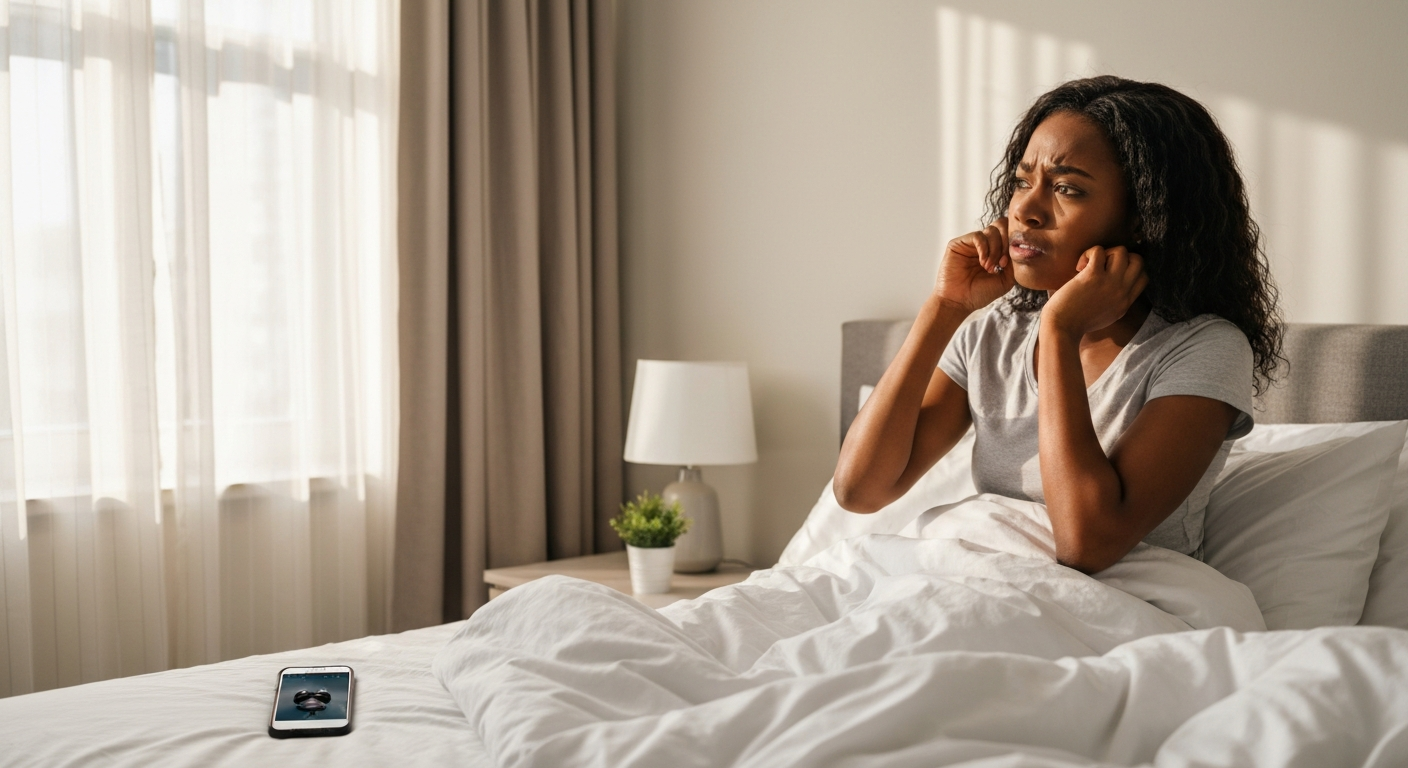

Your alarm isn't going off because of a software glitch, incorrect settings, Do Not Disturb mode blocking the sound, low or muted volume, a drained battery, or an outdated app—and the fix usually takes under two minutes once you know which culprit to check first.
Missing an alarm can derail your entire day—late for work, missed flights, blown interviews. The good news is that nearly every silent alarm traces back to one of a handful of settings or software issues that you can diagnose and fix right now. Whether you're using an iPhone, Android, a smart speaker, or a traditional alarm clock, this guide walks you through every cause and gives you the exact steps to make sure tomorrow morning goes smoothly.
| ✓Our Pick |
Data recovery and phone repair tools for corrupted alarms This is the go-to fix recommended by professionals — save time and money by getting it right the first time. Learn More → |
The most common reason phone alarms fail is that Do Not Disturb or a Focus mode is silencing the alarm sound, even though the alarm technically triggered.
Modern smartphones have layered notification controls that can accidentally suppress alarms. In 2026, both iOS and Android have expanded their Focus and Sleep modes, which means more settings can interfere with your wake-up call. Here's what typically goes wrong:
Do Not Disturb (DND) is supposed to let alarms through by default—but custom configurations can change this behavior. On iPhone, if you've created a custom Focus mode and haven't explicitly allowed alarms, your morning alert may vibrate silently or not sound at all. On Android, Bedtime mode and DND each have separate alarm permissions.
To check on iPhone: Go to Settings > Focus > Do Not Disturb > Apps and confirm the Clock app is listed as allowed. On Android: Go to Settings > Sound > Do Not Disturb > Alarms and other interruptions and ensure alarms are toggled on.
This classic mistake catches millions of people every year. If you set your alarm for 7:00 PM instead of 7:00 AM, your phone did exactly what you asked—it just didn't help you wake up. Always double-check the AM/PM indicator, or better yet, use 24-hour time format to eliminate ambiguity.
"Clock apps don't interpret intent—they execute instructions. A 12-hour time format with an incorrect meridiem selection is the number one cause of missed alarms in our support data." — Apple Support Community
On most smartphones, alarm volume is separate from ringer volume and media volume. You can have your ringer at full blast and your alarm at zero. On iPhone, go to Settings > Sounds & Haptics > Ringer and Alerts and drag the slider up. On Android, press a volume button, tap the settings icon, and check the Alarm volume slider specifically.
Also Read: Why Is My Microphone Not Working? 9 Causes & Quick Fixes
App crashes, corrupted data, and operating system bugs can all prevent your alarm from triggering—even when every setting looks correct.
If the Clock app crashes in the background, scheduled alarms won't fire. This happens more often after major OS updates or when your phone's memory is overloaded. Force-close the Clock app and reopen it:
Operating system updates often include bug fixes for alarm reliability. In early 2026, both iOS 18.3 and Android 15 QPR2 patched known alarm-timing bugs. Check for updates in Settings > General > Software Update (iPhone) or Settings > System > Software Update (Android).
Third-party alarm apps rely on system permissions that can be revoked by OS updates or battery optimization settings. If you're using an app like Alarmy, Sleep Cycle, or SpinMe, check that it has permission to run in the background and isn't being killed by your phone's battery saver.
A dead or dying battery is an obvious alarm killer, but aggressive power-saving modes can also silence alarms while your phone still has charge.
If your phone battery drains to zero while you sleep, no alarm will sound. Plug in your phone before bed, or at minimum, confirm you have enough charge to last until morning. A phone at 15% battery when you go to sleep at midnight may not survive until 7 AM, especially if background apps are active.
Android's Adaptive Battery and manufacturer-specific power savers (Samsung's Device Care, OnePlus's Battery Optimization) can put alarm apps to sleep. To prevent this:
| Phone Brand | Path to Whitelist Alarm App |
|---|---|
| Samsung | Settings > Apps > Clock > Battery > Unrestricted |
| Google Pixel | Settings > Apps > Clock > Battery > Unrestricted |
| OnePlus | Settings > Battery > Battery Optimization > Clock > Don't Optimize |
| Xiaomi | Settings > Battery > App Battery Saver > Clock > No Restrictions |
Extreme power saving modes disable background processes entirely. If your phone entered Ultra Power Saving Mode overnight, your alarm app may not have been allowed to run. Disable aggressive power modes before bed or ensure your alarm app is exempt.
Smart speakers like Amazon Echo, Google Nest, and Apple HomePod have their own alarm systems that can fail due to Wi-Fi issues, account problems, or voice misinterpretation.
Smart speakers need an internet connection to sync alarms set through voice commands or companion apps. If your router restarted overnight or your internet service dropped, an alarm set through the app may not have reached your device.
For critical wake-up calls, set alarms directly on the device ("Alexa, set an alarm for 6:30 AM") rather than through the app—this stores the alarm locally.
"Set an alarm for 7" might be interpreted as 7:00 PM if you said it in the afternoon. Always confirm by asking "What alarms do I have set?" after creating one. Smart assistants will read back the full alarm time, letting you catch errors immediately.
"Voice-set alarms have a 4.2% error rate due to ambient noise and pronunciation variations. Verbal confirmation eliminates nearly all misset alarms." — Google Nest Support
Even battery-powered and plug-in alarm clocks can fail due to dead batteries, power outages, or mechanical issues.
Plug-in alarm clocks without battery backup lose their settings during power outages. After the power returns, they may flash 12:00 or revert to factory defaults. If you live in an area with unreliable power, choose an alarm clock with battery backup or use your phone as a secondary alarm.
Battery-powered alarm clocks can fail silently when batteries die. Alkaline batteries in particular can corrode over time, breaking the circuit entirely. Replace batteries every 6–12 months, even if the clock appears to be working.
Physical alarm clocks have mechanical switches that can be bumped to the off position. Check that the alarm toggle is firmly set to "on" and that the alarm time indicator (usually a separate hand or digital marker) shows the correct time.
Work through this quick checklist to identify why your alarm didn't go off and prevent it from happening again.
Also Read: Why Is My Email Not Updating? 9 Causes & Fast Fixes
Relying on a single alarm is risky—redundancy is the only reliable way to guarantee you wake up on time for critical events.
Use your phone's built-in Clock app as your primary alarm, a smart speaker as your secondary, and a battery-powered alarm clock as your failsafe. Stagger them 2–3 minutes apart so you have multiple chances to wake.
Third-party apps like Alarmy force you to scan a barcode, solve math problems, or shake your phone repeatedly before the alarm stops. These are harder to accidentally disable and virtually impossible to sleep through.
Both iOS and Android now have Sleep Schedule features that manage your alarm alongside sleep tracking. These systems are less prone to being accidentally disabled because they're integrated with your overall sleep routine.
| Strategy | Reliability | Effort Required |
|---|---|---|
| Single phone alarm | Medium | Low |
| Phone + smart speaker | High | Low |
| Phone + smart speaker + physical clock | Very High | Medium |
| Alarm app requiring physical action | Very High | Low |
Your alarm didn't go off because of a setting misconfiguration (Do Not Disturb, wrong AM/PM, muted volume), a software issue (app crash, outdated OS, battery optimization), or a hardware problem (dead battery, power outage). Check your alarm settings first, verify volume levels, disable battery restrictions on your Clock app, and always set backup alarms for critical mornings. A two-minute diagnostic right now prevents tomorrow's disaster.
Your iPhone alarm may be silenced by a Focus mode, Sleep Focus, or custom Do Not Disturb setting that doesn't allow alarm sounds. Go to Settings > Focus and check each mode to ensure the Clock app is listed under "Allowed Apps." Also verify your alarm volume in Settings > Sounds & Haptics—the "Ringer and Alerts" slider controls alarm volume, not the side buttons.
Android phones have separate volume sliders for media, ringtone, and alarms. Press a volume button, tap the three-dot menu or settings icon, and check that the Alarm volume is turned up. Additionally, check if Battery Optimization or Adaptive Battery is putting your Clock app to sleep—whitelist it under Settings > Apps > Clock > Battery > Unrestricted.
By default, Do Not Disturb should allow alarms, but custom configurations can block them. On both iPhone and Android, review your DND settings to confirm alarms are explicitly permitted. On iPhone, check Focus > Do Not Disturb > Options and ensure "Silence" is set to "Always" rather than "Only while iPhone is locked," which can interfere with alarm behavior.
The most common cause is setting the alarm for PM instead of AM (or vice versa) when using 12-hour time format. Another possibility is incorrect repeat settings—if you set an alarm to repeat only on weekdays, it won't go off on weekends. Check both the time and the repeat schedule in your alarm settings.
Use multiple redundant alarms across different devices: your phone, a smart speaker, and a battery-powered clock. Set them 2–3 minutes apart. Disable battery optimization for your Clock app, keep your phone charged overnight, and switch to 24-hour time format to avoid AM/PM confusion. For critical events, use an alarm app that requires physical action to dismiss.
Reviewed and Updated on June 1, 2026 by George Wright