DIY
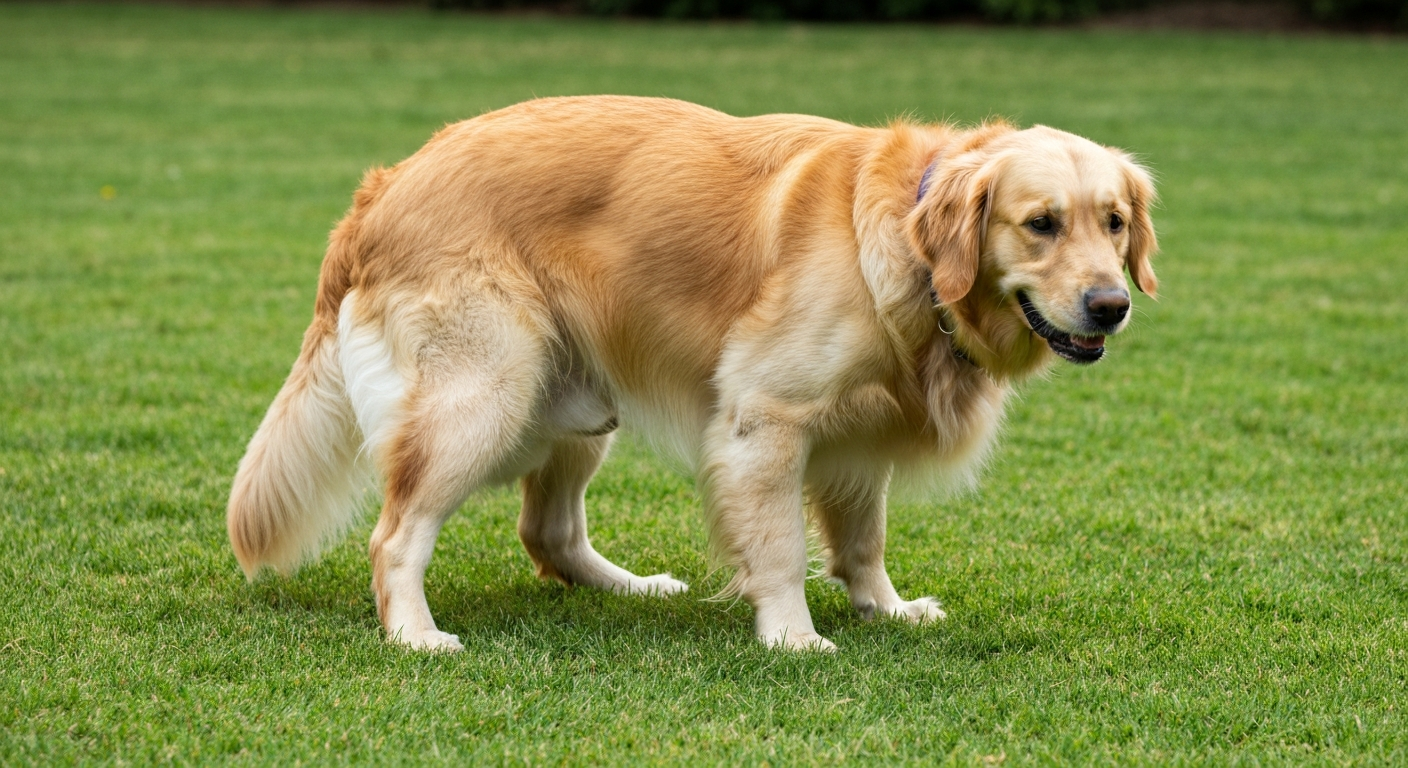

Your dog is pooping so much because of one of several common causes: dietary changes, overfeeding, low-quality food with excess fillers, intestinal parasites, digestive disorders, stress, or underlying health conditions that speed up gut motility or reduce nutrient absorption.
A healthy adult dog typically poops one to three times daily, so anything consistently above that — or dramatic changes in frequency, consistency, or color — signals something worth investigating. The stool itself tells you a lot: watery, mucus-coated, bloody, black, green, orange, or white poop each points to different causes, from simple dietary indiscretion to serious conditions requiring veterinary attention.
Most dogs poop one to three times daily, so four or more bowel movements consistently, or a sudden doubling of your dog's normal frequency, qualifies as excessive and warrants investigation.
Puppies poop more often than adult dogs — sometimes five to six times daily — because their digestive systems are still maturing and they eat more frequent, smaller meals. Senior dogs may also have changes in bowel habits due to weakened sphincter control or underlying health issues.
The key isn't hitting a specific number but recognizing a change from your individual dog's baseline. A dog who normally poops twice daily suddenly going five times is more concerning than a dog who has always gone four times on the same diet.
"Frequency of defecation is influenced by the amount and type of food consumed, the dog's activity level, and individual metabolism." — Dr. Jerry Klein, Chief Veterinary Officer at American Kennel Club
Diet is the number-one cause of frequent bowel movements in dogs — low-quality kibble packed with fillers, sudden food changes, overfeeding, and table scraps all increase stool volume and frequency.
Budget dog foods often contain corn, wheat, soy, and other indigestible fillers that pass straight through the gut. Your dog's body extracts minimal nutrition, so it compensates by processing more food — resulting in more, larger poops. Premium foods with named meat proteins as the first ingredient produce smaller, firmer stools because more of the food is actually absorbed.
Switching foods abruptly disrupts the gut microbiome. The bacteria in your dog's intestines are adapted to the old food, and a sudden change causes fermentation, gas, and loose or frequent stools. Always transition over 7–10 days, gradually increasing the new food while decreasing the old.
Portion sizes on dog food bags are often overestimates. If your dog is getting more calories than needed, the excess bulk has to go somewhere — out the other end. Weigh your dog's food rather than eyeballing, and adjust based on body condition, not just the bag's recommendation.
Human food, especially fatty scraps, causes runny poop and increased frequency. Rich foods, dairy, and anything high in fat or seasoning can trigger digestive upset that lasts hours to days.
Also Read: Why Is My Frenchie Throwing Up? 9 Causes & What to Do
Watery, liquid, or runny poop indicates rapid transit through the intestines — the gut isn't absorbing water properly, often due to infection, dietary indiscretion, parasites, or inflammatory conditions.
Diarrhea ranges from soft but formed stool to completely liquid "water" stools. The more liquid it is, the faster contents are moving through the gut and the less absorption is occurring.
| Stool Consistency | Likely Causes | Urgency |
|---|---|---|
| Soft but formed | Mild dietary upset, too much fiber | Monitor 24–48 hours |
| Pudding-like | Food intolerance, stress, early infection | Adjust diet, watch closely |
| Watery with some form | Bacterial or viral infection, parasites | Vet visit within 24 hours |
| Pure liquid/water | Severe infection, toxin, serious illness | Vet visit same day |
If your dog is pooping clear liquid with no color or fecal matter, the large intestine is secreting fluid faster than it can absorb — this happens with severe irritation or infection and needs prompt veterinary attention.
Mucus-coated or slimy poop indicates inflammation in the large intestine (colitis) — the gut produces extra mucus to protect irritated tissue, and it comes out visibly coating the stool.
A small amount of mucus is normal and helps stool pass smoothly. Visible globs, strings, or a jelly-like coating signals the colon is inflamed. Common causes include:
Occasional mucus that resolves within a day or two is usually not serious. Persistent mucus, especially with blood, warrants a vet visit for stool testing.
Blood in dog stool appears as either bright red streaks (from the lower GI tract) or dark, tarry black poop (from the upper GI tract) — both signal bleeding somewhere in the digestive system and require veterinary evaluation.
Fresh blood comes from the colon, rectum, or anus. Causes include:
A few drops occasionally may resolve on its own. Significant amounts, repeated episodes, or blood with diarrhea needs same-day veterinary attention.
If you see blood during or immediately after defecation, the source is likely the lower colon or anal area. Straining, anal gland issues, or rectal inflammation are common culprits. Watch whether the blood is mixed throughout the stool or only on the surface — surface blood suggests a source very close to the exit.
Black, tarry, sticky stool (melena) indicates digested blood from higher in the GI tract — stomach or small intestine. This is more serious than bright red blood because it suggests bleeding from ulcers, tumors, or severe inflammation. Black stool that looks like coffee grounds or tar requires urgent veterinary care.
"Dark, tarry stools may indicate bleeding in the upper gastrointestinal tract, such as the stomach or small intestine, and should prompt immediate veterinary evaluation." — Cornell University College of Veterinary Medicine
Dogs often mask discomfort well. A dog can have GI bleeding and still eat, play, and seem fine outwardly. Don't let normal behavior convince you to wait — blood in stool always warrants at least a phone call to your vet, even if your dog seems unbothered.
| 🐾Find a Vet |
Find a specialist vet near you VetClinic.info is a free directory of board-certified specialist vets across the US — find an orthopedic surgeon, oncologist, neurologist, or emergency clinic near you in seconds. Find Near You → |
Visible worms in poop — usually white, rice-like segments (tapeworms) or spaghetti-like strands (roundworms) — confirm an active intestinal parasite infection requiring deworming medication.
Worms increase stool frequency and volume because they irritate the gut lining and compete for nutrients. You might also see:
Over-the-counter dewormers treat some parasites but not all. A vet can identify the specific worm and prescribe the right medication. Puppies are especially vulnerable and should be on a deworming schedule.
Poop color changes signal different problems — green poop suggests rapid transit or grass eating, orange points to bile or liver issues, and white or chalky stool indicates too much calcium or possible blockage.
| Color | Common Causes | Action |
|---|---|---|
| Brown (normal) | Healthy digestion | None needed |
| Green | Eating grass, rapid transit, gallbladder issue | Monitor; vet if persistent |
| Orange | Bile duct or liver issue, food dye | Vet visit recommended |
| Yellow | Liver, gallbladder, or pancreas issue | Vet visit recommended |
| White/chalky | Excess calcium (raw bones), biliary obstruction | Reduce bones; vet if sudden |
| Gray | Pancreatic insufficiency, maldigestion | Vet visit needed |
| Black | Upper GI bleeding | Urgent vet visit |
Dogs who eat grass often pass greenish stool because the chlorophyll doesn't fully digest. This is usually harmless unless your dog is eating grass obsessively to soothe nausea.
Dry, powdery, or crumbly stool indicates dehydration, too much calcium in the diet (often from raw bones), or insufficient fiber and moisture in food.
Dogs fed raw diets heavy in bones often produce white, chalite-like, crumbly poop. While some firmness is good, excessively dry stool can cause straining and constipation. Solutions include:
Straining, squatting repeatedly without producing stool, or visible discomfort signals constipation, obstruction, or an enlarged prostate (in intact males) — all need attention if they persist beyond 24 hours.
Constipation causes include:
If your dog is straining but producing small amounts of liquid or mucus, this may actually be diarrhea with tenesmus (the urge to keep going). Don't assume constipation until you're sure nothing is coming out at all.
A potty-trained dog suddenly pooping indoors signals either a medical issue (infection, parasites, incontinence, cognitive decline) or a behavioral trigger (anxiety, schedule change, territorial marking).
Medical causes to rule out first:
If medical causes are ruled out, consider:
Senior dogs often lose bowel control due to weakened anal sphincter muscles, cognitive decline, or mobility issues that prevent them from getting outside in time. This isn't defiance — it's aging. Management includes more frequent outdoor trips, puppy pads near resting areas, and veterinary assessment for underlying conditions.
Dogs instinctively avoid soiling their sleeping area, so crate accidents suggest the dog was confined too long, has diarrhea they couldn't hold, or was never fully crate-trained. For puppies, the rule of thumb is they can hold it one hour per month of age plus one (so a three-month-old puppy can hold it about four hours maximum).
Pooping specifically on your bed can be anxiety-related (your scent is comforting during stress), territorial, or simply that the dog had urgency and was on the bed when it hit. Rule out medical causes, then address anxiety triggers or restrict bed access until behavior improves.
Dogs roll in poop, dead animals, and other strong-smelling things as an instinctive behavior — theories include masking their own scent for hunting, bringing information back to the pack, or simply enjoying strong smells.
This behavior is frustrating but not a health concern. Prevention includes:
Fecal incontinence — poop leaking without your dog squatting or seeming aware — indicates loss of sphincter control from age, nerve damage, injury, or disease affecting the spinal cord or rectum.
Dogs with incontinence aren't having accidents by choice. They genuinely can't feel or control when stool comes out. Causes include:
Incontinence requires veterinary diagnosis to identify the underlying cause. Management may include medications, dietary changes, or protective garments.
See a vet promptly if your dog has blood in stool, black tarry poop, persistent diarrhea lasting more than 48 hours, vomiting with diarrhea, signs of dehydration, visible worms, straining without producing stool, or any sudden change in a senior dog.
Emergency signs requiring same-day or emergency care:
For moderate concerns like increased frequency with normal consistency, soft stool for a day or two, or minor mucus, you can often monitor for 24–48 hours while withholding food for 12 hours and offering a bland diet.
| 🐾Find a Vet |
Find a specialist vet near you VetClinic.info is a free directory of board-certified specialist vets across the US — find an orthopedic surgeon, oncologist, neurologist, or emergency clinic near you in seconds. Find Near You → |
Reducing how often your dog poops comes down to feeding a high-quality, digestible diet in appropriate portions, maintaining consistent meal times, ensuring adequate hydration, and addressing any underlying health issues.
Practical steps:
| ✓Our Pick |
Get $3,000 in emergency vet coverage — plus 24/7 online vet access You'll wonder why you didn't try this sooner — practical, well-reviewed, and easy to get started. Learn More → |
**Your dog is pooping too much most likely because of diet — overfeeding, low-quality food, sudden changes, or table scraps. Beyond diet, parasites, infections, stress, and underlying digestive disorders all increase stool frequency. Poop color and consistency tell you a lot: watery or mucus-coated stool suggests intestinal inflammation, blood indicates GI bleeding, black stool signals upper GI issues, and visible worms
Reviewed and Updated on June 1, 2026 by George Wright