Sleep

Sinus problems and snoring are closely connected: when the sinuses are congested or inflamed, nasal airflow drops and the body shifts to mouth breathing during sleep — directly triggering the soft tissue vibration that causes snoring. Treating the sinus issue usually fixes the snoring.
Snoring from sinus problems follows a direct mechanical chain: congested sinuses block nasal airflow, forcing mouth breathing during sleep, which sends air turbulently through the pharynx and causes soft tissue to vibrate.
The sinuses are hollow spaces in the skull behind the forehead, cheeks, and nose. They produce mucus that drains into the nasal passages, which in turn connects to the back of the throat. When the sinuses are healthy, this system works silently.
When sinuses are inflamed — from allergies, infections, structural problems, or dry air — mucus production increases and drainage slows. The result is swollen, blocked nasal passages. With the nose blocked, the body automatically shifts to mouth breathing during sleep. Mouth breathing sends unregulated air directly through the pharynx (the throat behind the mouth), bypassing the resistance and filtering of the nasal passages. That turbulence vibrates the soft palate, uvula, and surrounding tissue — producing snoring.
This is why so many people who normally don't snore will snore when they have a sinus cold or allergies, and why treating the sinus condition usually resolves the snoring.
According to the American Academy of Otolaryngology, nasal obstruction is one of the most common causes of mouth breathing and secondary snoring in both adults and children.
"Nasal obstruction due to allergy, infection, or anatomic abnormality causes mouth breathing during sleep, which can trigger snoring and worsen sleep-disordered breathing." — American Academy of Otolaryngology–Head and Neck Surgery
Not all sinus-related snoring has the same cause. These five conditions are the most common pathways from sinus to snoring.
| ✓Our Pick |
Custom-fit anti-snoring mouthpiece that repositions the jaw to open the airway No special skills required — straightforward to use and most orders ship quickly. Learn More → |
Allergic rhinitis is one of the most common causes of sinus-related snoring. When allergens — pollen, dust mites, pet dander, mold — trigger an immune response, the nasal lining swells and produces excess mucus. This directly narrows the nasal passages and can block them entirely during the hours when you're horizontal and gravity is working against drainage.
Seasonal snorers — people who snore only during pollen season or in high-allergen environments — almost always have an allergic rhinitis component.
Chronic sinusitis (lasting more than 12 weeks) causes persistent nasal congestion and inflammation that doesn't resolve on its own. The constant blockage forces consistent nighttime mouth breathing, making snoring a daily occurrence rather than an occasional one. People with chronic sinusitis often report that their snoring is worse than their partner's, and that no over-the-counter decongestant fully clears the congestion.
A deviated septum — where the cartilage dividing the two nostrils is offset to one side — physically reduces airflow through the narrower nostril. When the narrower side becomes the dominant breathing pathway (which often happens at night, when the nasal cycle shifts airflow), nasal resistance increases enough to trigger mouth breathing and snoring. This is a structural cause of snoring that doesn't respond to medication but does respond to surgical correction (septoplasty).
Nasal polyps are soft, painless growths on the lining of the nasal passages or sinuses. They develop in response to chronic inflammation — typically from allergies, asthma, or chronic sinusitis. Even small polyps can significantly reduce nasal airflow. Snoring from nasal polyps tends to be resistant to antihistamines and may require nasal steroid sprays, biologics, or surgical removal to adequately treat.
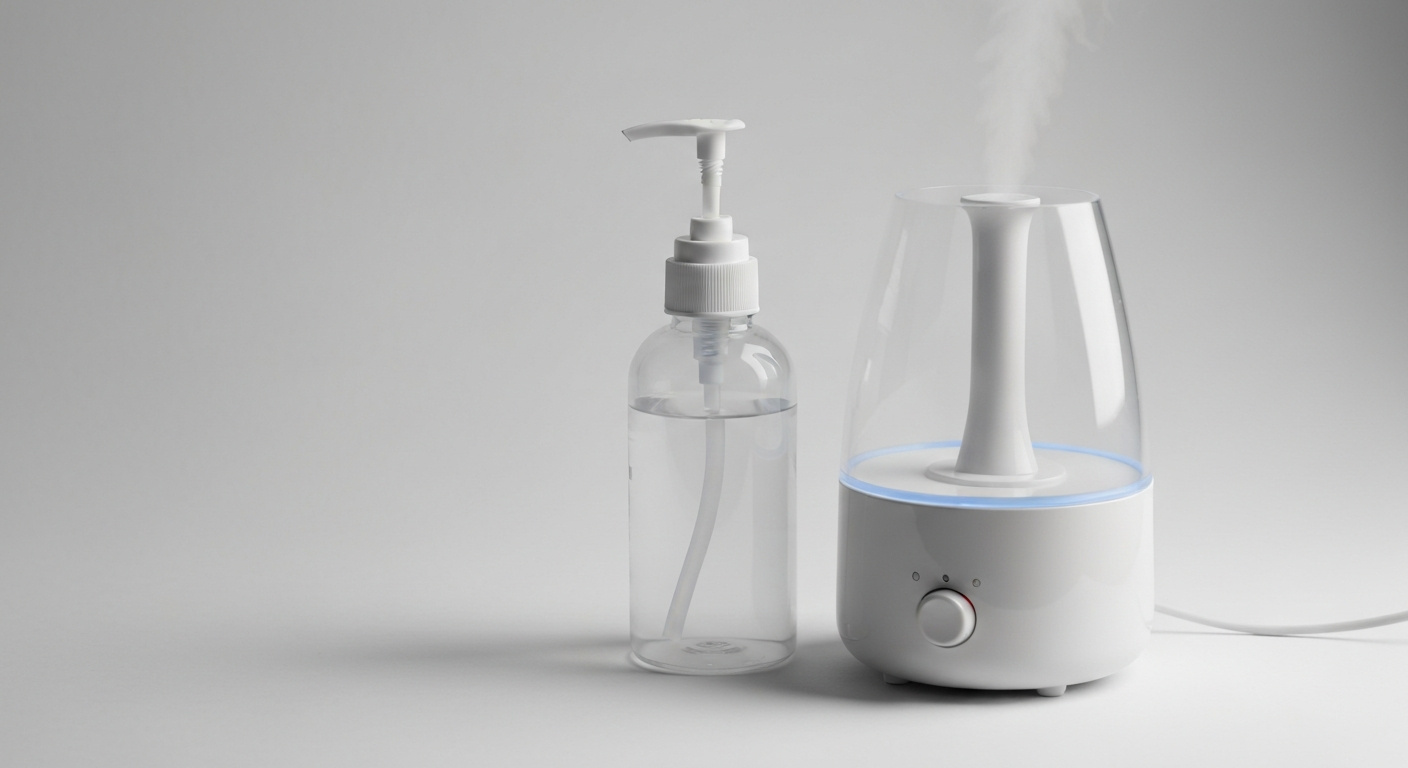
Dry indoor air — particularly common in winter months when heating runs constantly — dries out the nasal and sinus mucous membranes. This causes mild swelling, irritation, and congestion without any infection or allergy trigger. Low humidity snoring often clears up with a bedroom humidifier set to 40–50% relative humidity.
Sinus-related snoring responds best when you treat the underlying nasal problem directly. Here's how to match the treatment to the cause.
| Cause | Treatment |
|---|---|
| Seasonal allergies | Non-sedating antihistamine (cetirizine, loratadine) + nasal steroid spray |
| Year-round allergies | Nasal steroid spray (Flonase, Nasacort) — takes 1–2 weeks to reach full effect |
| Acute sinus infection | Saline rinse + decongestant; antibiotics if bacterial |
| Chronic sinusitis | ENT evaluation; nasal steroid spray; possible surgery |
| Deviated septum | ENT evaluation; septoplasty surgery if severe |
| Nasal polyps | Nasal steroid spray; biologics (dupilumab); polypectomy |
| Dry air | Bedroom humidifier (40–50% humidity) |
A saline nasal rinse (neti pot or NeilMed squeeze bottle) done before bed is one of the most effective and lowest-risk interventions for sinus-related snoring. The rinse:
The effect is nearly immediate — most users notice a clear airway within 10–15 minutes of rinsing. Regular use (nightly or near-nightly) produces cumulative benefits for chronic sinus sufferers.
Even when nasal congestion is the primary cause of snoring, some snorers still snore after the sinus issue is treated. This happens when the throat has become conditioned to the mouth-breathing pattern, or when there's a secondary cause (tongue position, weight, soft palate anatomy) that the sinus treatment doesn't address.
In these cases, a mandibular advancement device (MAD) — which holds the jaw forward to widen the throat, regardless of nasal patency — can be added to the treatment. MADs work through the throat itself, not the nose, so they complement rather than compete with sinus treatments.
Sinus problems cause snoring by blocking nasal airflow and forcing mouth breathing during sleep, which creates pharyngeal turbulence and tissue vibration. The most common causes are allergies, chronic sinusitis, a deviated septum, nasal polyps, and dry air. Nightly saline nasal rinses, nasal steroid sprays, and appropriate allergy treatment resolve the majority of sinus-related snoring. For snoring that persists despite treating the nasal issue, a mandibular advancement device addresses the throat mechanics directly.
Also Read: Why Is My Nose Twitching? 7 Causes & How to Stop It
Acute sinus infections cause temporary mucosal swelling and excess mucus production, blocking the nasal passages and forcing mouth breathing. This triggers snoring that resolves as the infection clears. If you reliably snore only during infections or allergy season, treating the underlying nasal condition is the fix — not a long-term anti-snoring device.
Severe nasal obstruction from sinusitis can worsen existing sleep apnea or in some cases contribute to its development by significantly increasing airflow resistance. However, sinusitis alone typically causes snoring (partial obstruction) rather than full sleep apnea (complete collapse). If you have confirmed sinusitis and symptoms of sleep apnea — gasping, extreme fatigue, morning headaches — a sleep evaluation is appropriate.
Yes, particularly for people in dry climates or those who use forced-air heating in winter. Maintaining 40–50% relative humidity in the bedroom keeps nasal membranes moist and less likely to swell. A cool-mist ultrasonic humidifier placed within a few feet of the bed produces the most direct effect.
Nasal strips (Breathe Right type) physically widen the nostrils, reducing nasal resistance and making nasal breathing easier. They're most effective for people whose nasal obstruction is mild — insufficient to fully drive mouth breathing, but enough to increase snoring risk. For significant sinusitis or blocked passages, strips help but are usually insufficient on their own.
Reviewed and Updated on June 13, 2026 by George Wright